Long before the rise of consoles and cloud gaming, arcades were where legends were born. Lined with neon lights and echoing with the clack of buttons and coins, arcades weren’t just hangouts; they were battlegrounds, testing skill, patience, and sometimes friendship.
These games didn’t just entertain. They built a gaming culture. Here’s a look at some of the most impactful arcade titles of all time, each leaving a unique fingerprint on the joystick era.
Co-Op Chaos and Button-Mashing Brilliance
Games that emphasized teamwork, combos, and screen-clearing action found their niche in this beloved genre. Interestingly, games in this category share much with Australia’s favourite gambling game, pokies. Both offer bright visuals, satisfying feedback, and fast-paced reward loops. It’s no wonder many compare their experience to the most played pokies in Australia, where the classic 3-reel games offer a similar rush.
Classic Titans of the Arcade Era
1. Space Invaders (1978, Taito – designed by Tomohiro Nishikado)
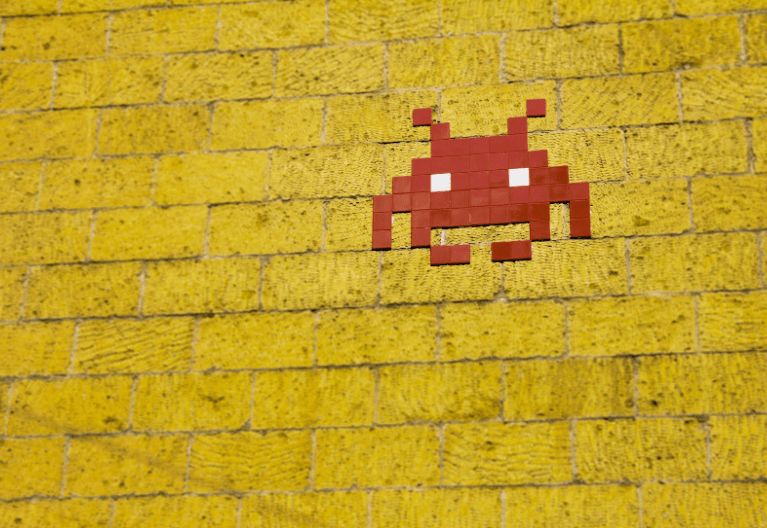
The world became obsessed with this game when it was first released. Nishikado handled both the software and the hardware of the game. The basic idea behind it was supported by a great mechanic: as enemies were defeated, their speed increased. Each shot brought more tension and helped produce a sense of fear that continued to grow. Its cultural impact? Massive. It reportedly caused coin shortages in Japan when it launched.
2. Pac-Man (1980, Namco – designed by Toru Iwatani)
Pac-Man wasn’t just a game; it was a statement. Iwatani wanted to create something that would appeal to women and offer more than just shooting. The result?The maze-chase mode includes a yellow character who eats dots and is chased by four multicolored ghosts. Learning the basics was easy, but it was not so easy to master. Pac-Man was one of the first games to reach the attention of popular culture.
3. Donkey Kong (1981, Nintendo – designed by Shigeru Miyamoto)
Before starting his own series, Mario used to be Jumpman, a carpenter who jumped over barrels to save his girlfriend from an ape. By achieving popularity in arcade games, this game made a key impact on future game design. Donkey Kong was the first to feature different levels, a well-developed story, and games centered on main characters.
4. Teenage Mutant Ninja Turtles (1989, Konami)
In the late ’80s, this four-person fighting game was the central attraction at arcades. Reflecting the immense popularity of the cartoon, Konami didn’t do everything the same and gave each turtle his own characteristics and techniques. Yet the memories were not the only thing that drew people. Playing was fun and easy, there was action at all times, and the challenging bosses made the game enjoyable. The game gave players a chance to sit together in front of the same television, screaming, laughing, and playing at the same time.
5. The Simpsons Arcade Game (1991, Konami)
Another Konami gem, this one stood out with its hand-drawn visuals and sharp humor. Players could pick from Homer, Marge, Bart, or Lisa as they fought to rescue Maggie from Mr. Burns. The appeal wasn’t just in the combat; it was the attention to detail. You could hit enemies with vacuum cleaners or wield saxophones, and team-up attacks made it feel more dynamic than most beat-’em-ups at the time. It captured the essence of the show at its peak and felt like playing through a cartoon episode.
Fighting Game Icons and Shooters
6. Street Fighter II (1991, Capcom – directed by Akira Nishitani and Akira Yasuda)
When this dropped, the arcade scene shifted overnight. Street Fighter II introduced a global roster of fighters, each with a unique move set, personality, and backstory. But its real innovation was competitive depth. Combos, special moves, counters, it was the chessboard of button-mashers. Friendships were tested, rivalries born. You weren’t just playing; you were proving something. Its influence is still felt in every modern fighting game, and tournaments continue to feature it over 30 years later.
7. Galaga (1981, Namco – directed by Shigeru Yokoyama)
Galaga made things more challenging than Galaxian by adding different enemy groups, tractor beams, and a unique chance to save your captured fighter, making it twice as powerful. Focus on being accurate and patient was needed, and the added depth to the fixed shooter made the game always enjoyable to play again. Retro arcades and barcades across the globe are still likely to have Galaga cabinets.
Some of these games gave birth to entire genres. Others became timeless due to their sheer playability. But all of them share one thing in common: they’re more than just games, they’re memories, milestones, and moments of magic made with pixels and buttons.



 SuBZeRO2K
 Spotify
 Anchor
 iTunes