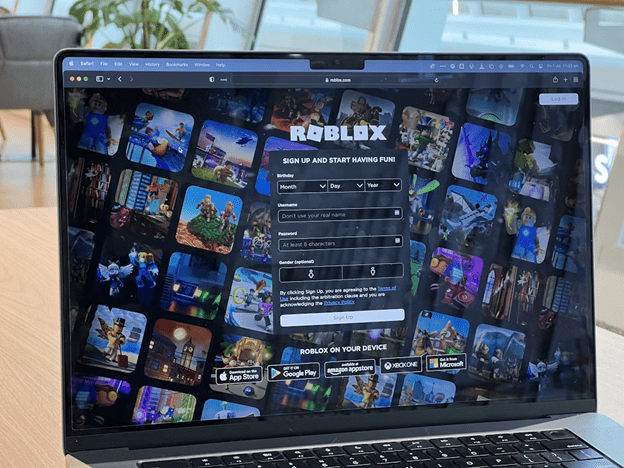
If you grew up with an old PlayStation or a boxy Nintendo console, you probably remember games being a one-way deal—you paid, you played, that was it. But somewhere along the way, games stopped being just entertainment and started looking more like bustling marketplaces. And at the center of this shift? Roblox. A game that, on paper, is “for kids,” yet quietly powers one of the most fascinating economies in digital history.
For players who want to jump straight into that world, many even choose to buy Robux from U7BUY to fuel their adventures. But this isn’t just about in-game purchases; it’s about how games are rewriting the very idea of value, work, and community.
What Do We Mean by “Player-Driven Economy”?
Think back to trading Pokémon cards on the school playground. The holographic Charizard wasn’t just a piece of cardboard; it was social currency. In a way, Roblox works the same—except instead of cards, you’re dealing with digital creations, outfits, game passes, and experiences.
A player-driven economy is exactly what it sounds like: players, not companies, create the goods and services that hold value. The game provides the platform, but the creativity, the demand, the actual flow of currency—that’s in the hands of players.
And it’s not just Roblox. Minecraft has its modders, Fortnite has skins and custom maps, even niche communities in games like EVE Online treat virtual assets like Wall Street investments.
Image by Mykhailo Polenok from Vecteezy
Roblox: The Game That Became a Marketplace
Here’s the thing about Roblox—it isn’t really a game. It’s a platform. A blank canvas where anyone (even a 14-year-old in their bedroom) can create something that others want to play. The kicker? They can monetize it.
Robux, Roblox’s in-game currency, is more than play money. It can be traded back into real-world cash through Roblox’s Developer Exchange program. This means if you design a fun game or a cool virtual item and people spend Robux on it, you could, quite literally, pay your rent with that income.
Stories keep surfacing about teenagers earning six-figure incomes before they’ve even finished high school. Parents used to say “stop playing and do your homework.” Now, some of those kids are paying for college with their Roblox earnings.
Why Do People Pay Real Money for Virtual Stuff?
It’s a fair question. After all, you can’t wear a Roblox shirt in real life. But think about how people line up for limited-edition sneakers, or how much collectors pay for baseball cards. The value doesn’t come from the material itself—it’s from what it represents. Status, identity, belonging.
In digital spaces, your avatar is you. Dressing it up, giving it the latest accessories, or playing a unique game made by another user isn’t much different from choosing which brand of jeans to wear.
This isn’t even new. World of Warcraft gold farming was already a billion-dollar industry two decades ago. Fortnite skins rake in hundreds of millions every year. And don’t get me started on NFTs—that strange bubble where people shelled out absurd sums for blockchain-based “ownership” of digital art.
From Hobby to Hustle: When Play Becomes Work
For some, Roblox is pocket change. For others, it’s their career. Entire developer studios now exist solely to build inside Roblox. It’s like a startup scene—but the office is a virtual sandbox.
There’s something both exciting and slightly unnerving about this. On one hand, the barriers to entry are low—anyone with imagination and persistence can try. On the other hand, it blurs the line between childhood play and professional labor.
Parents often find themselves torn. “You’re wasting time on Roblox” can suddenly shift into “Wait… you’re paying the bills with this?” That emotional whiplash is part of why the player-driven economy feels so disruptive—it challenges traditional ideas about what counts as “real work.”
The Risks Nobody Likes to Talk About
Of course, where there’s money, there are problems. Roblox, like any economy, isn’t immune to inflation, scams, and exploitation. Virtual items can skyrocket in price, making some players feel locked out. Others fall prey to shady deals or hacking attempts.
And let’s not ignore the ethical concerns. Kids, some as young as 10 or 11, are essentially running businesses without fully grasping the stakes. Should we be celebrating their entrepreneurship, or worrying about the pressure? Probably a bit of both.
This Isn’t Just Roblox: Other Digital Economies
If Roblox is the poster child for player-driven economies, it’s standing on the shoulders of giants.
- World of Warcraft: Entire industries of “gold farming” grew around it, particularly in China, where players worked grueling hours to earn currency they’d sell to wealthier gamers.
- EVE Online: This space MMO has seen massive virtual wars where ships worth thousands of real dollars were destroyed in battles that made actual headlines. Some corporations inside the game operate with the same ruthlessness as real-world businesses.
- Second Life: It may sound dated now, but it pioneered the idea of virtual property, with users buying and selling land, clothes, and services long before Roblox was around.
And then there’s the looming shadow of the “metaverse.” While the hype has cooled, the idea of immersive worlds where economies function independently of reality isn’t going away anytime soon.
So Where’s This All Heading?
If the last decade taught us anything, it’s that digital value is here to stay. Whether it’s kids earning pocket money in Roblox, esports stars signing sponsorship deals, or creators building virtual businesses, the lines are only going to blur further.
Games are no longer just a pastime; they’re cultural and financial ecosystems. And while skeptics roll their eyes at people spending money on “fake” goods, the truth is that these economies reflect real human desires—status, connection, identity.
So the next time you see a kid glued to Roblox, remember: they might not just be playing. They could be negotiating, creating, building a future where the line between play and work is almost impossible to spot.


 SuBZeRO2K
 Spotify
 Anchor
 iTunes