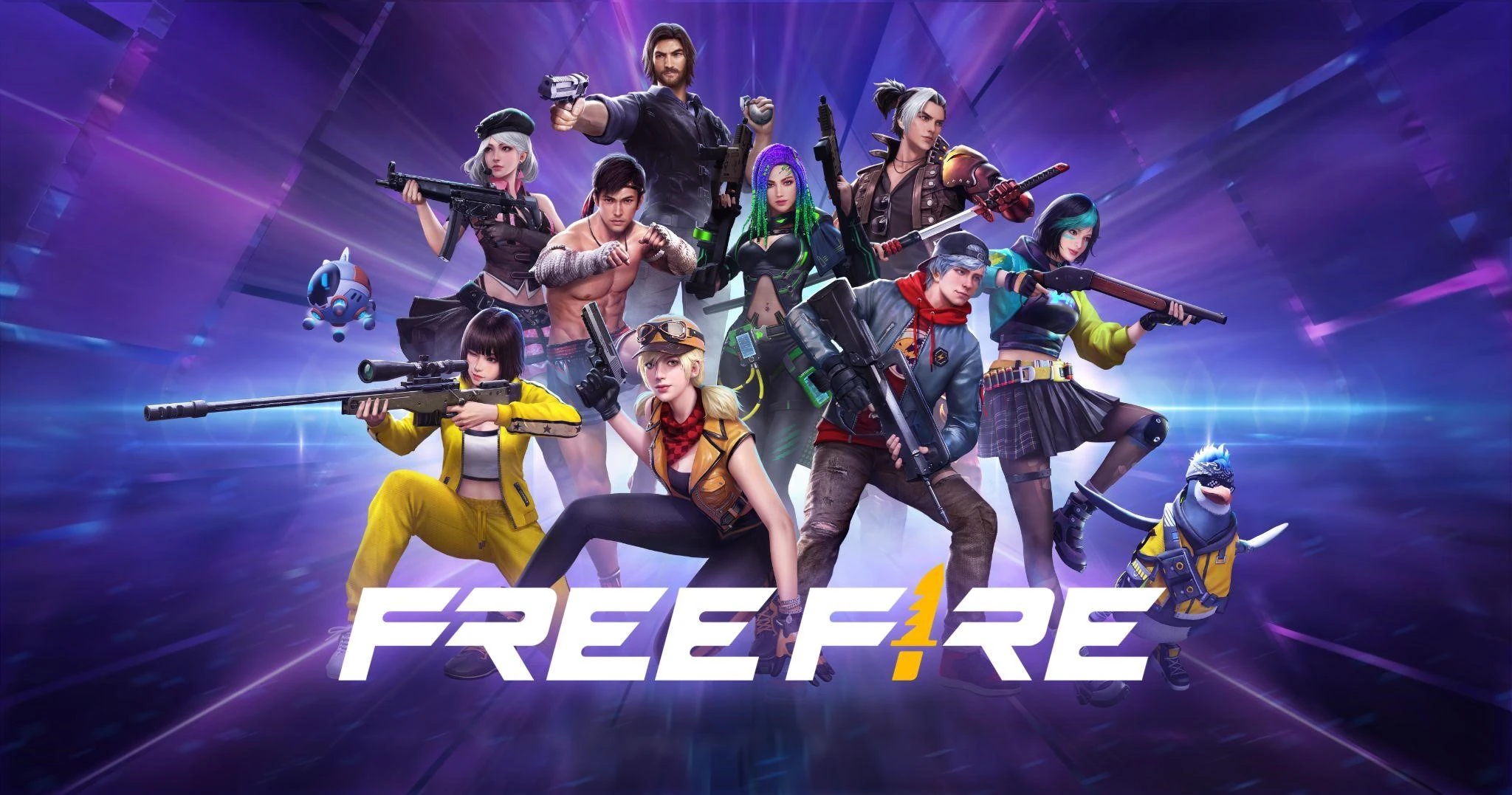
Developed by Garena, Free Fire became one of the most downloaded battle royale titles globally not because of ultra-realistic graphics or massive maps, but because of accessibility and speed. Matches are short, mobile-optimized, and built around fast decision-making. This structure makes the game particularly attractive in regions where high-end hardware is less common.
But mechanically, Free Fire is only half the story. The other half is its in-game economy — especially Diamonds, the premium currency that drives customization, character unlocks, skins, and event participation.
Fast Matches, High Variance
Unlike large-scale battle royale games that emphasize long rotations and macro positioning, Free Fire compresses the experience. Smaller maps and faster circles mean engagement happens quickly. This increases variance:
- Early loot quality heavily influences survival odds.
- Positioning mistakes are punished faster.
- Aggression often outperforms passive play.
Because matches are short, players experience more repetition per hour. This repetition amplifies progression loops and reward cycles, which ties directly into the premium currency system.
Diamonds as Strategic Resource
Diamonds are not just cosmetic currency. They unlock:
- Elite Pass rewards
- Character abilities
- Weapon skins with stat modifiers
- Limited-time event items
From an analytical perspective, Diamonds function as progression accelerators. While skill remains the core determinant of long-term rank growth, access to specific characters and upgraded abilities can increase tactical flexibility.
There are two perspectives on this structure:
Competitive lens:
Premium advantages may influence early progression balance, especially among new players.
Engagement lens:
Diamonds incentivize consistent play through missions, top-ups, and event participation.
Both interpretations depend on player expectations. Free-to-play users can progress without spending, but at a slower resource accumulation rate.
The Psychology of Limited Events
Free Fire frequently rotates limited-time events, collaborations, and special draws. This creates urgency. Players who want specific skins or characters must act within defined windows.
This design increases:
- Short-term engagement spikes
- Return logins
- Social comparison pressure
Limited availability transforms cosmetic items into status signals. In competitive lobbies, exclusive skins function as visible markers of investment or event participation.
Skill Still Matters
Despite monetization debates, mechanical fundamentals remain decisive:
- Crosshair placement
- Movement unpredictability
- Utility timing (gloo walls, grenades)
- Safe zone awareness
At higher ranks, gunfight discipline outweighs cosmetic differences. Even stat-boosting skins provide marginal advantages compared to positioning errors or poor decision-making.
Free Fire’s ranking system ultimately filters for consistency rather than short bursts of performance.
The Search for Optimization
Because Diamonds unlock high-value content, many players search for ways to maximize value efficiency. Queries like free fire free diamond reflect that demand. Players want legitimate, safe methods to increase their resource pool without violating game rules or risking account bans.
It is important to separate:
- Official in-game reward events
- Promotional collaborations
- Verified bonus systems
- Fraudulent “generator” scams
Illegitimate third-party offers frequently lead to account theft or permanent bans. Reliable information sources matter.
For players looking for verified updates, event breakdowns, and safe explanations of how to obtain bonuses or participate in official promotions, bo3.gg provides structured coverage and guides that clarify what is legitimate and what is not. Instead of chasing risky shortcuts, players can rely on transparent event analysis and reward explanations.
Retention Through Customization
Free Fire’s long-term engagement model relies heavily on personalization. Character outfits, emotes, weapon skins, and lobby effects create identity differentiation. In fast-paced matches where players are eliminated quickly, visual identity becomes a core retention driver.
Customization works because:
- It increases emotional investment.
- It differentiates players in social spaces.
- It creates collection goals beyond rank progression.
Diamonds fuel that loop, but the underlying motivation is self-expression.
Competitive Scene and Regional Strength
Free Fire also built a strong esports presence, particularly in Southeast Asia and Latin America. Regional tournaments and influencer-driven ecosystems sustain interest beyond casual matchmaking.
Competitive play emphasizes:
- Structured team rotations
- Resource sharing
- Utility coordination
- High-ground control
At that level, micro-optimizations matter far less than communication and positioning discipline.
Sustainability and Risk Factors
Like any live-service mobile title, Free Fire faces several structural challenges:
- Monetization fatigue
- Event saturation
- Inflation of cosmetic rarity
- Player burnout
Maintaining balance between monetization and fairness is crucial. If premium advantages appear too dominant, competitive credibility declines. If events lose novelty, engagement drops.
So far, the game’s update cadence and regional focus have allowed it to maintain relevance in highly competitive mobile markets.
Why Free Fire Remains Strong
Free Fire succeeds because it aligns speed, accessibility, and progression psychology into one cohesive loop:
Fast matches create repetition.
Repetition fuels rewards.
Rewards encourage customization.
Customization reinforces identity.
Diamonds sit at the center of this loop, functioning as a catalyst rather than the core gameplay itself.
For players navigating the complex ecosystem of events, rewards, and promotional systems, structured analytical resources help avoid misinformation and maximize value safely. Platforms like bo3.gg stand out by organizing updates, event explanations, and strategic breakdowns in one place.
In the end, Free Fire is more than a mobile shooter. It is a carefully calibrated engagement system where speed, identity, and economy intersect — and understanding that structure gives players a real advantage beyond simple aim.



 SuBZeRO2K
 Spotify
 Anchor
 iTunes