
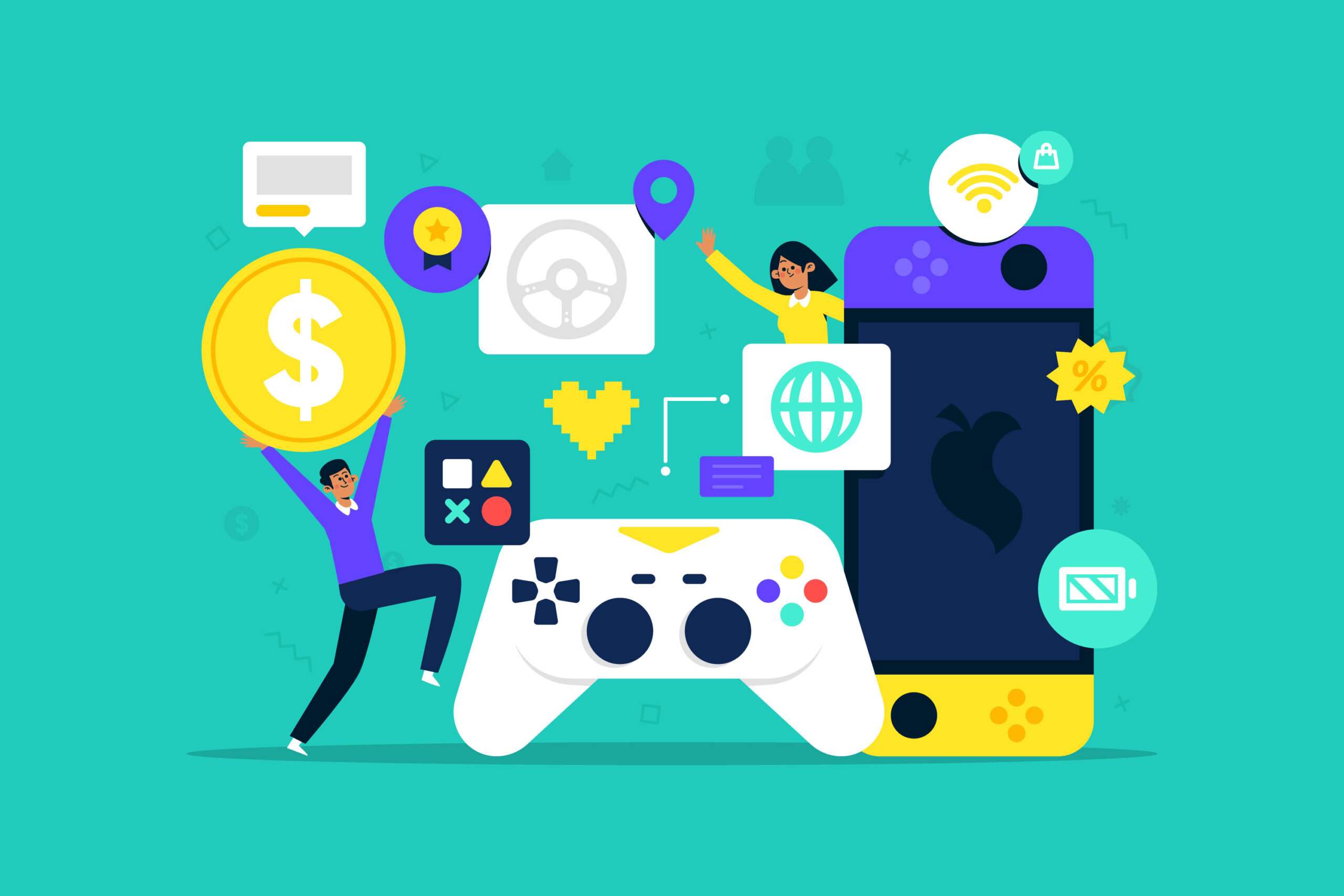
Buying a skin should not feel like signing a contract.
Yet plenty of game shops make simple things feel messy. One item costs coins. Coins cost money. The coin pack gives you too much or too little. Then a timer starts yelling at you before you can think properly.
That is when a game store stops feeling fun and starts feeling sneaky.
Check the Real Price Before You Buy Anything
The first safe-shop check is boring, but it matters most.
Look for the real cash price. If a game only shows gems, coins, crystals, tokens, or points, slow down. Fake money inside games can make real spending feel smaller than it is.
A skin for 1,200 coins sounds harmless. But if the coin pack costs $14.99 and leaves odd coins behind, the price is already less clear. That is not always a scam, but it is a design choice.
A safer shop should make the deal easy to understand:
- What you get
- What it costs in real money
- How long the offer lasts
- What happens to leftover coins
- If the item can be refunded
- If the item works across platforms
The same rule applies to battle passes. Check how many rewards are free, how many are paid, and how much time you have to finish the pass. A battle pass is only good value if you will actually play enough to claim the rewards.
Be Careful With Loot Boxes and Random Rewards
Random rewards need extra care because you are paying for a chance, not a clear item.
That includes loot boxes, card packs, prize wheels, mystery skins, gacha pulls, and random event chests. The game may show the best prize in bright colours, but that does not mean you have a fair shot at getting it.
The safer check is simple. Find the odds before buying. If the odds are buried, unclear, or missing, that is a bad sign.
The European Consumer Protection Cooperation Network has also pushed for clearer real-money pricing around in-game virtual currencies. Its guidance says buying virtual currency and spending it on digital content still falls under consumer protection rules on price clarity and unfair practices.
That matters because players should not need a calculator just to know what a sword, skin, or pack really costs.
When Casino Payments Enter the Same Conversation
This same habit matters once real-money gaming enters the picture.
In a normal game shop, the main risk is buying coins, skins, or packs without fully understanding the price. With online casinos, the risk goes further because players also need to think about deposits, withdrawals, ID checks, and payout rules.
Online casinos are built around deposits and withdrawals, so the payment method is part of the safety check. A good casino should make the cashier clear, show the account holder name, explain cashout times, and tell players when ID checks may happen.
Players usually trust methods they already use in daily life, because they feel familiar and easier to understand. That is why different markets often lean toward different banking options. In Australia, for example, many players look for PayID casinos because PayID is already tied to local bank transfers and feels less confusing than random payment brands.
Still, the payment method is only one part of the full safety check. A familiar banking option does not fix a weak casino, poor terms, or slow withdrawals.
Before depositing at any online casino, players should also check:
- The casino licence and company name
- The withdrawal limits and pending times
- The bonus wagering rules
- The accepted withdrawal methods
- The ID check process
- The support response time
- The responsible gambling tools
- The player feedback around payouts
Check Who Runs the Store
A safe game store should not feel like a random pop-up.
On console, Steam, Epic Games Store, Nintendo eShop, PlayStation Store, and Xbox Store, the platform adds a layer of control. You still need to read terms, but at least the shop has account systems, refund pages, support tools, and payment checks.
With smaller stores, third-party key sites, and mobile game offers, you need to look closer. Check the company name, refund policy, contact page, payment security, user reviews, and how long the store has been around.
Be extra careful with sites selling very cheap keys. Some are fine. Some use grey-market keys that can later be revoked. If the deal looks silly cheap, ask why.
A real store wants you to understand the purchase. A dodgy one wants you to rush.
Read the Refund Rules Before You Need Them
Refund rules are boring until something breaks.
Maybe the game runs badly. Maybe your child buys coins by mistake. Maybe the DLC does not work with your version. Maybe the item cannot be used on your platform.
That is when refund rules matter.
A well-known Fortnite refund case showed how serious this can get. Epic Games agreed to settle FTC claims linked to unwanted purchases, unauthorised child charges, and account issues after payment disputes.
So before you buy, check three things. How long do you have to ask for a refund? Does playtime affect the refund? Are coins, skins, and battle pass purchases refundable?
If you cannot find those answers, do not buy yet.
Watch for Pressure Tricks
A good deal gives you time to think.
A bad deal keeps poking you.
Watch for countdown clocks, fake scarcity, “last chance” pop-ups, flashing bonus bundles, and shops that push you back to the payment screen after you say no. Some limited offers are real, but many are just pressure dressed up as excitement.
The worst trick is when the shop makes the small purchase easy, then keeps adding steps. You buy coins, then need more coins. You buy a starter pack, then the next pack appears. You open one chest, then get shown a better chest.
That does not always mean the game is unsafe. It does mean you should set your own limit before the game tries to set one for you.
Parents Should Lock Down Payments Early
If kids use the account, sort payment settings before anything goes wrong.
Do not wait for a surprise charge. Turn on password checks, remove saved cards where possible, set spend limits, and check family controls on the device. This applies to consoles, mobile phones, tablets, and PC launchers.
Also, talk about fake currency in plain words. Kids may understand that $10 is real money, but not that 1,000 gems came from the same bank card.
A simple family rule works well: no in-game purchase without asking first. That rule covers skins, battle passes, coins, loot boxes, DLC, and “one-time” bundles that somehow appear every week.
The Best Safety Test Is Simple
A safe shop does not make you guess.
You should know the price, item, refund rule, payment method, and account limits before you pay. If the shop hides any of that, slow down.
Good games can still sell extras. Good stores can still promote bundles. The problem starts when spending feels rushed, unclear, or harder to track than the game itself.
Games should be fun after you buy something, not annoying because you realise the rules were hiding under three menus.



 SuBZeRO2K
 Spotify
 Anchor
 iTunes