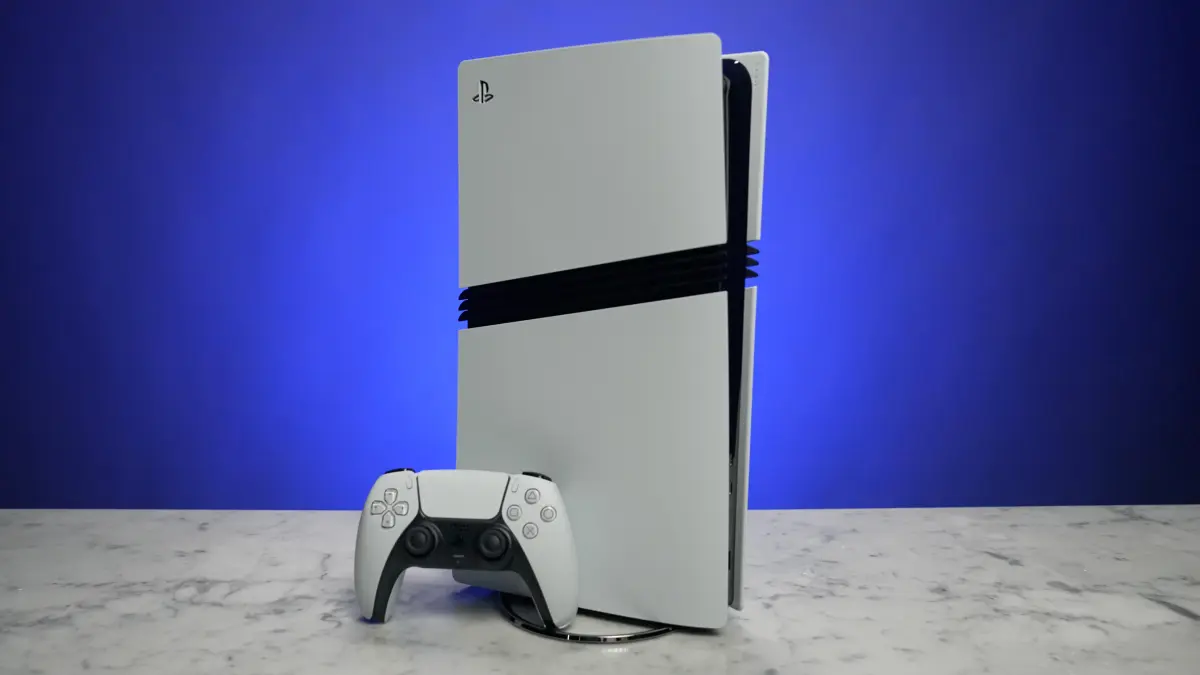
By July 2026, Sony had made it official. No more physical disc production for PlayStation games starting January 2028. TechCrunch reported that 85% of full-game purchases are already digital. A number Sony used to justify the move while critics used it to argue the company helped manufacture the very trend it’s now citing. Both things can be true.
The God of War: Laufey disc confirmation from Sony Santa Monica felt like a small concession to the backlash. A studio reassuring fans their game would exist on plastic, at least once. But read that reassurance carefully. It’s not a policy reversal. It’s a farewell gesture. And for the millions of Australian PS5 owners who still buy physical. Whether for resale value, internet reliability, or just the feeling of owning something. It marks the beginning of a genuinely uncomfortable shift.
This isn’t just about discs. It’s about what ownership means when the thing you bought can be taken away.
The Library You Don’t Actually Own
Here’s the argument Sony’s executives won’t make out loud: you never really owned your digital games. You licensed them. The difference matters enormously in practice. A disc sitting on your shelf has what lawyers call right of first sale. You can lend it, resell it, donate it. Your digital library lives on Sony’s servers, governed by Sony’s terms, subject to Sony’s decisions about what stays available and what gets quietly delisted.
The Electronic Frontier Foundation put it plainly in their July 2026 analysis: Sony’s disc phaseout strips consumers of right-of-first-sale protections and pushes gamers into a licensing culture dressed up as convenience. That’s not a fringe reading. That’s what the contract says.
For most players, this stays abstract until it doesn’t. Until a studio shuts down and takes its back catalogue with it. Until a storefront closes. And Sony has form here, having shuttered the PS3 and PSP stores before walking that back under pressure, and shutting the PS Vita store for good regardless. The Engadget piece from this month noted that Sony announced the Vita storefront closure alongside the disc phaseout news, almost as a footnote. It wasn’t a footnote. It was a preview.
Digital convenience is real. Loading times are faster. No scratched discs. No shelf space. Nobody’s arguing against streaming, against downloads, against the practical appeal of having your entire library on one box. The argument is simpler: you should still own it after you buy it.
Where Else Players Are Holding Digital Value. And How
The ownership question isn’t unique to gaming platforms. It’s resurfacing everywhere that value has gone digital and players are trying to figure out what they actually hold.
In-game currencies. V-Bucks, Apex Coins, Xbox store credit. Sit in accounts tied to platform logins. They’re real money converted into something you can only spend in one place. Lose account access, get banned, or watch the platform shut down, and that balance is gone. No recourse. No refund. No transfer.
Blockchain-based alternatives have emerged partly as a direct response to this. In crypto gaming spaces, on-chain assets are held in the player’s own wallet, independent of any single company’s servers. The same tension that defines the disc debate. Who controls what you paid for. Is playing out in parallel across these ecosystems.
Researchers tracking this crossover have noted that players increasingly comfortable holding digital value in gaming are asking harder questions about custody, verification, and permanence. That same instinct shows up in how people are approaching crypto gaming platforms. A reader who wants to understand how this maps onto casino-style games, for example, will find thorough write-ups like Bitcoin casino slots compared useful for understanding the difference between platform-controlled credits and wallet-held crypto. Essentially the same ownership question, different surface.
A quick note here: crypto gaming platforms carry financial risk, and responsible gambling means never wagering more than you can afford to lose. If gambling becomes a concern, BeGambleAware.org and 1-800-GAMBLER are both worth knowing about.
The through-line is straightforward. A generation of players taught to distrust platform-controlled libraries is also a generation primed to care about asset custody. Whether it’s a disc, a game licence, or a crypto wallet, the question is always the same: what do I actually hold when the company decides to change the rules?
The Data Sony Used to Justify This. And What It Misses
The 85% digital figure is real and it’s meaningful. It’s also incomplete.
Physical game sales have collapsed from an $11.5 billion industry in 2009 to around $1.6 billion in 2025, per CBC News analysis of the US market. That’s a genuine structural shift, not a temporary dip. In Australian capital cities with reliable NBN connections, the download-over-disc preference makes obvious practical sense.
But that 15% still buying physical isn’t evenly distributed. It skews toward regional areas with slower connections, toward price-sensitive buyers who resell to fund their next purchase, toward collectors, toward parents buying gifts who want something tangible to wrap. Sony’s announcement doesn’t offer those players a comparable alternative. It offers them the same digital storefront everyone else gets, at full price, with no resale.
GameSpot’s July 2026 breakdown of PS5 physical sales data complicates the narrative further. Physical sales are weaker than expected for the PS5 generation. But the gap between ‘weaker than expected’ and ‘negligible’ is where real people’s gaming habits live. Closing that gap by removing the option is a choice, not an inevitability.
Nintendo is still making physical cartridges for Switch 2. Xbox continues to ship disc-based consoles alongside its digital-only Series S. Sony is the first major platform holder to announce a full exit, and that makes it a test case. If the backlash stays manageable and digital revenues hold, expect the others to follow within five years.
What Preservation Loses When the Discs Go
Game preservation is a genuinely underappreciated problem, and disc phaseout makes it significantly worse.
Physical media has a lifespan. Discs degrade, cartridges corrode. But a working disc from 1997 can still run on original hardware. A delisted digital game from 2019 is gone. There’s no legal way to retrieve it. The game preservation community, working through organisations like the Video Game History Foundation, has documented hundreds of commercial releases that exist only in pirated form because the rights holders let them lapse and no physical copy entered libraries or archives.
For platforms that host their own storefronts and control their own licensing, this matters enormously. The Slate analysis published this month flagged the specific risk of games disappearing from digital archives. Not through corporate malice, but through the ordinary entropy of licensing agreements expiring, studios folding, and nobody prioritising the paperwork to keep an eight-year-old game available for sale.
A disc in a warehouse is insurance. An entry in a licensing database is a promise contingent on everyone involved staying in business and staying interested.
The Ownership Conversation Isn’t Going Away
Sony will sell more PlayStation 6 units than any previous generation. The transition to all-digital will, probably, be smoother than the loudest critics expect. Most players will adapt. The ecosystem will grow.
None of that means the ownership question gets resolved. It just gets deferred.
The players pushing back on disc phaseout aren’t nostalgists. They’re people who watched storefronts close, who’ve had accounts suspended and lost libraries, who’ve seen games they paid for disappear from their consoles via forced patches. They have specific, documented reasons to want physical ownership as a backstop.
A gaming industry that responds to those concerns by removing the backstop isn’t solving the problem. It’s simplifying its own supply chain and asking players to absorb the risk.
Australia’s gaming community is one of the most vocal anywhere on these platform-policy questions. MKAU readers tracking the God of War: Laufey disc situation understand instinctively what’s at stake. Not just for one game, but for the principle. The disc isn’t just plastic. It’s the only version of ‘ownership’ the current system makes possible. And Sony is ending it.
Keep your existing physical library. Buy first-party physical releases while they exist. And pay attention to what the platform holders say about backwards compatibility, account transfers, and what happens to your library if your console hardware fails. Those aren’t paranoid questions. They’re exactly the right ones.
Frequently Asked Questions
When is Sony stopping physical disc production for PlayStation games? Sony confirmed it will cease physical disc production for PlayStation games in January 2028. The announcement came alongside digital sales data showing 85% of full-game purchases are already digital. Physical releases already announced, including God of War: Laufey, are still confirmed to receive disc versions before the cutoff.
Will my existing PS5 disc games still work after 2028? Yes. Existing disc-based games will continue to work on any PS5 or PS5 Pro console with a disc drive. The 2028 change affects new game production only. No existing discs stop functioning. The question is whether software updates or server-dependent features for older games remain supported long-term.
Are Nintendo and Xbox also moving to digital-only? Not yet, officially. Nintendo continues shipping physical cartridges for Switch 2, and Microsoft still produces disc-based Xbox Series X consoles. Sony is the first major platform holder to announce a full exit from physical production. Whether Nintendo and Xbox follow within the next five to ten years remains a legitimate open question.
What happens to your digital game library if Sony shuts down a storefront? Historically, Sony has shut down storefronts for older platforms. The PS3 and PSP stores were closed before partial reversal under fan pressure, and the PS Vita store closed permanently. Games already downloaded typically remain accessible, but delisted titles become unavailable for new purchase or re-download on some platforms. There are no legal guarantees for permanent access.
Can you resell or lend digital PS5 games the same way you can with discs? No. Digital games are licences, not owned copies. You can’t resell, lend, or donate a digital game. The right of first sale. The legal protection that lets you resell a physical product you bought. Does not apply to digital licences under current consumer law in Australia or most jurisdictions.



 SuBZeRO2K
 Spotify
 Anchor
 iTunes