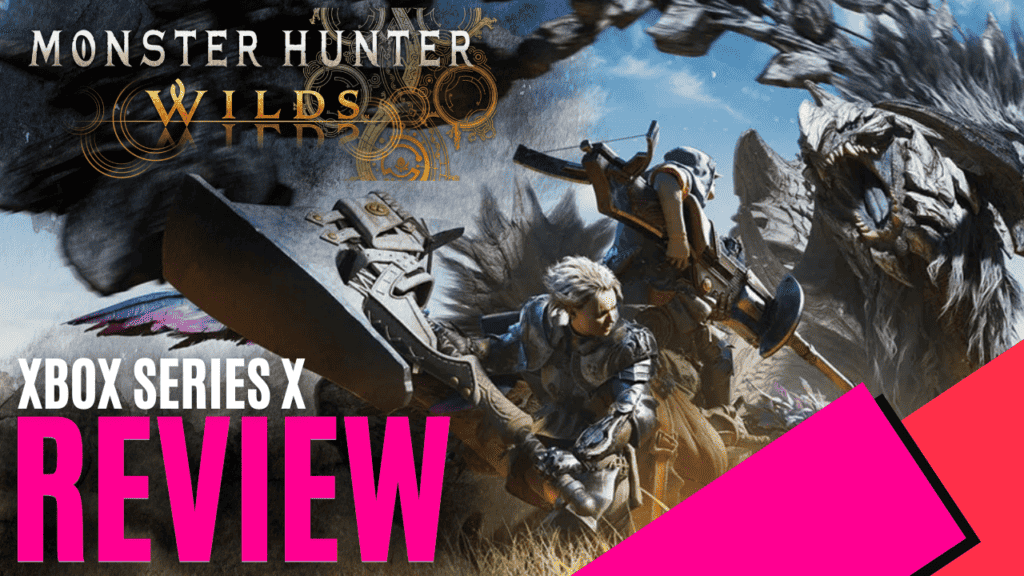
‘Monster Hunter’ and I have a very interesting relationship. The first game I ever played in the series was 2018’s ‘Monster Hunter World’, and while I knew I was playing a great video game, it just never clicked for me. Then came 2021’s ‘Monster Hunter Rise’, and the same issues persisted. I remember thinking, will I ever fall in love with this series that I so desperately want to?
Capcom has just released ‘Monster Hunter Wilds,’ and I was hopeful. Was this the one that would finally pull me in? The answer to that question is a resounding yes. Monster Hunter finally has its massive claws in me, and I couldn’t be happier.
Quality-of-life improvements have made this the most accessible Monster Hunter game to date. In previous entries, I often found the combat clunky and unresponsive at times, but in ‘Monster Hunter Wilds’, it has been refined and feels way more fluid than ever. Battling monsters now feels incredibly responsive, allowing you to punish them with your weapon of choice and dodge freely while using environmental hazards to your advantage.
During one fight with a Balahara, a desert-dwelling leviathan, it decided to climb up on top of a rock formation to use height to its advantage against me, so I used my grapple hook to pull the rock formation down, crushing the Balahara and doing good damage in the process. Once a monster is sufficiently hurt, wounds will appear on its body; a new feature to the series is the addition of focus mode, which now allows you to aim your attacks, and the focus strike, which targets the wounds for you automatically, adding a nice new layer of precision to the combat.
Breaking the wounds does extra damage to the monsters and eventually breaks parts off of them. Sadly, frame-rate drops are still a prevalent issue, mainly during combat, and I hope Capcom can address these down the line. There is nothing quite like hunting down these monsters, defeating them after a fun fight, and turning them into your weapons and armor.
Monster Hunter veterans will know that taking the monsters you’ve slain and using them to upgrade your equipment is the core gameplay loop that makes the series unique, and in Monster Hunter Wilds, it’s the best it’s been. The weapon and armor designs are gorgeous. Throughout my nearly 30 hours so far, the hammer has been my weapon of choice, but I switched between the dual blades and the bow as my secondary weapon.
There are 14 weapon types to choose from, though, so the option is yours. Each weapon can have different elemental effects depending on the weapon tree you go down. I defeated a Rompopolo, a brute wyvern, which allowed me to craft a decent damage hammer with poison elemental.
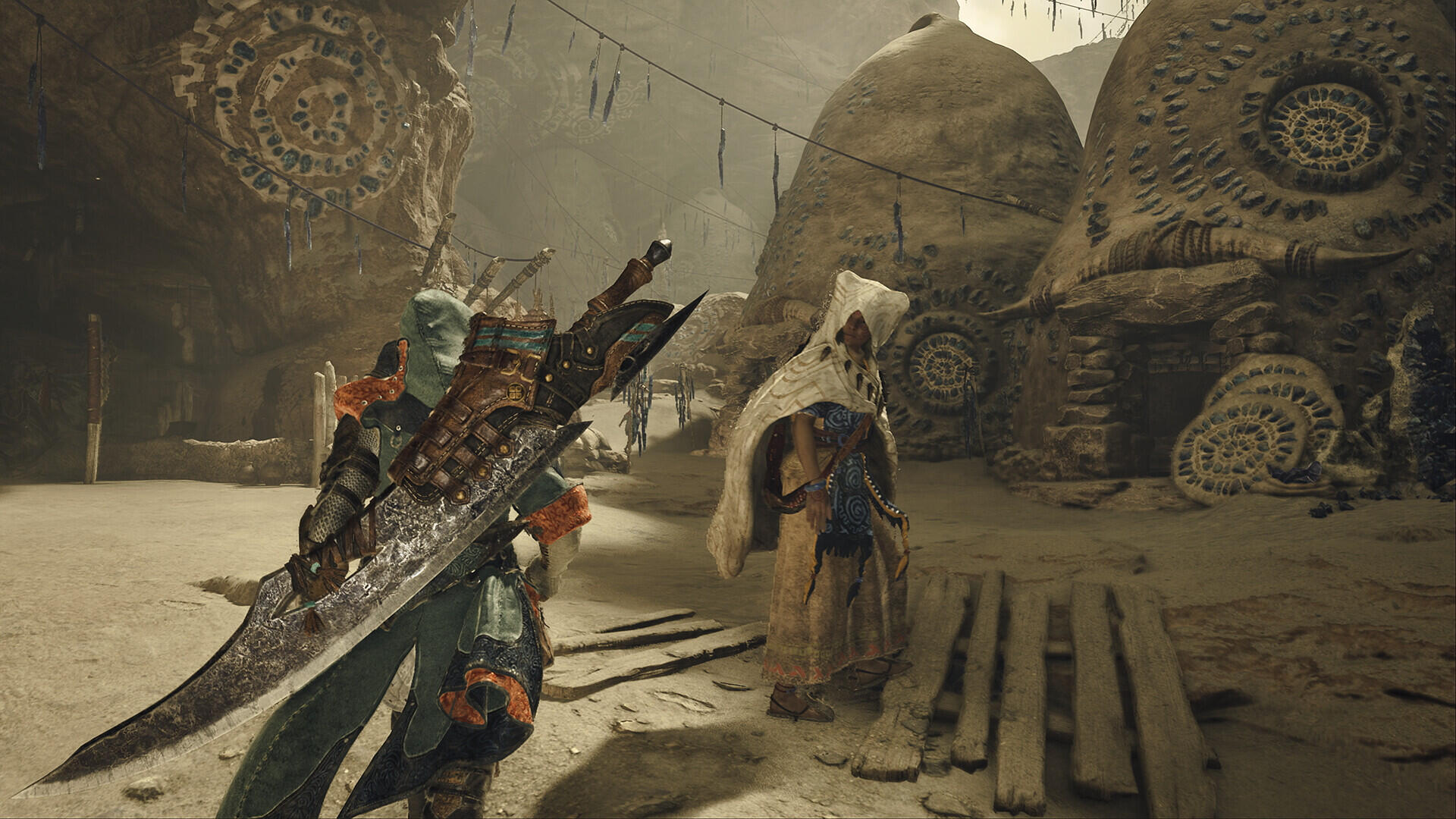
The armor sets are stunning; whenever I slay a new monster, I immediately check in with Gemma, everyone’s favorite blacksmith, to see how it looks to wear. I even changed the title in my Hunter profile to Trendy Fashionista because outfits are everything; we need Monster Hunter runway shows. My favorite is the Lala Barina set, which comes from the Lala Barina, a spider-like monster that has me dressed like the Hunter from ‘Bloodborne.’ No matter your feelings, there’ll be an outfit for you.
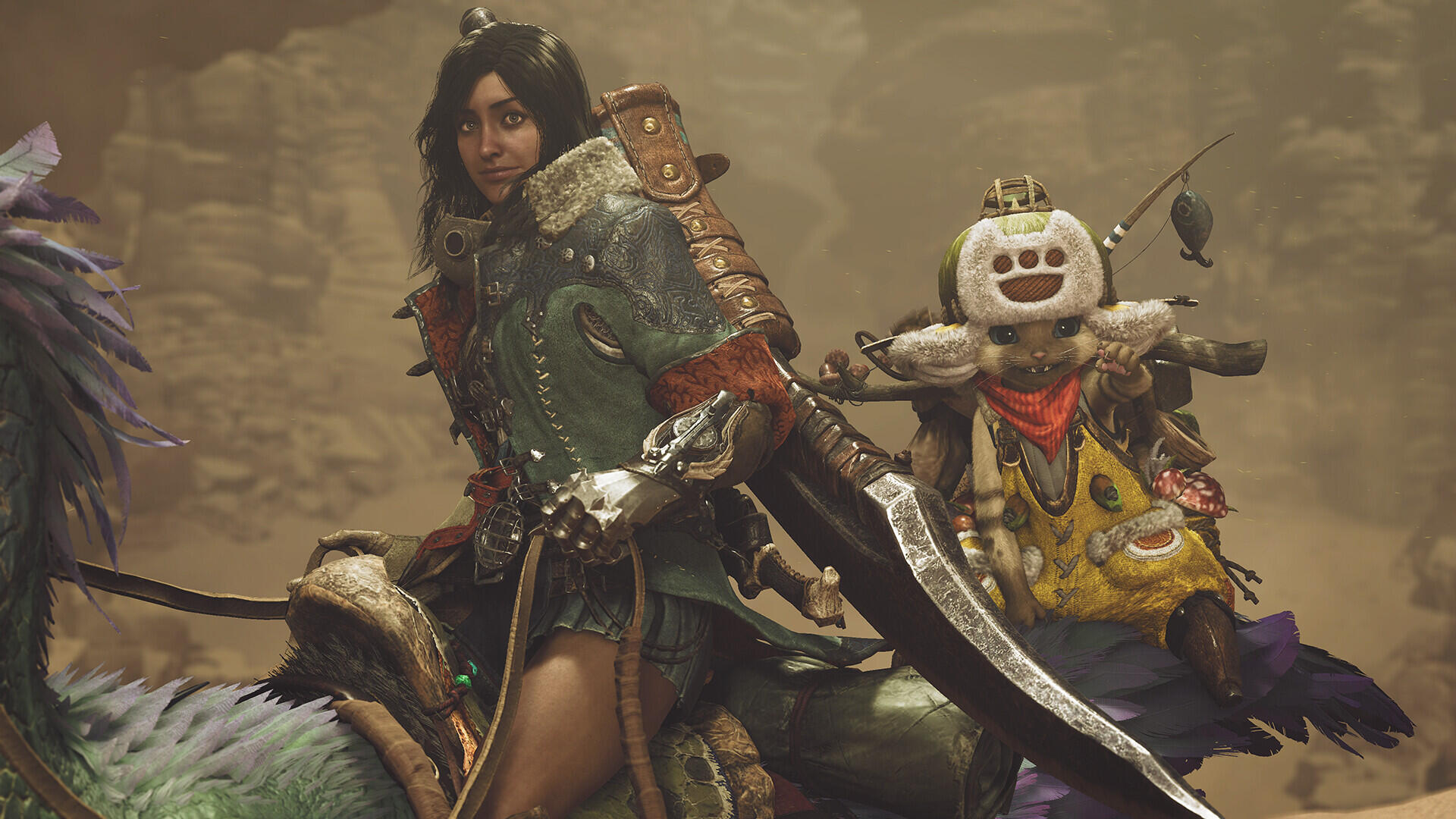
Like the weapons or armor, every monster you hunt has a beautiful, unique design. The Xu Wu is a cephalopod squid-like enemy with a large, round mouth and many teeth. The Ajarakan, a fire ape with very thick skin, hits hard and loves to travel in packs, or the Quematrice, which the community has hilariously dubbed the murder chicken after its striking resemblance to a chicken, are just some of the monsters you’ll go on quests to hunt.
In Monster Hunter, you are given assignments throughout the story, fand inishing an assignment moves the story forward. However, you can choose to fight any monster you have previously fought on an assignment by selecting an optional quest from your handler, Alma, an innocent, charming character. Alternatively, you may go on a field survey, which is essentially free-roam, and you can then take on a hunt against one of the monsters that naturally roam the world.
The world in Monster Hunter Wilds is now seamless; no longer will you face loading screens going between zones, and traversing the map now couldn’t be easier by riding atop your Seikret, a raptor-like mount that makes any rugged terrain a mere speedbump. The auto-ride feature is a nice quality-of-life change, allowing you to do any last-minute preparations before your fights.
Speaking of preparations, item management remains a crucial part of every hunt. Ensuring you’re stocked up on herbs and honey for healing pots can make the difference between success and failure, and bringing traps can help give you the upper hand in more challenging encounters. No hunt should begin without cooking a proper meal for the food buff. Capcom continues to make their food look ridiculously appetizing, to the point where I got hungry just watching the honey drizzle animations.
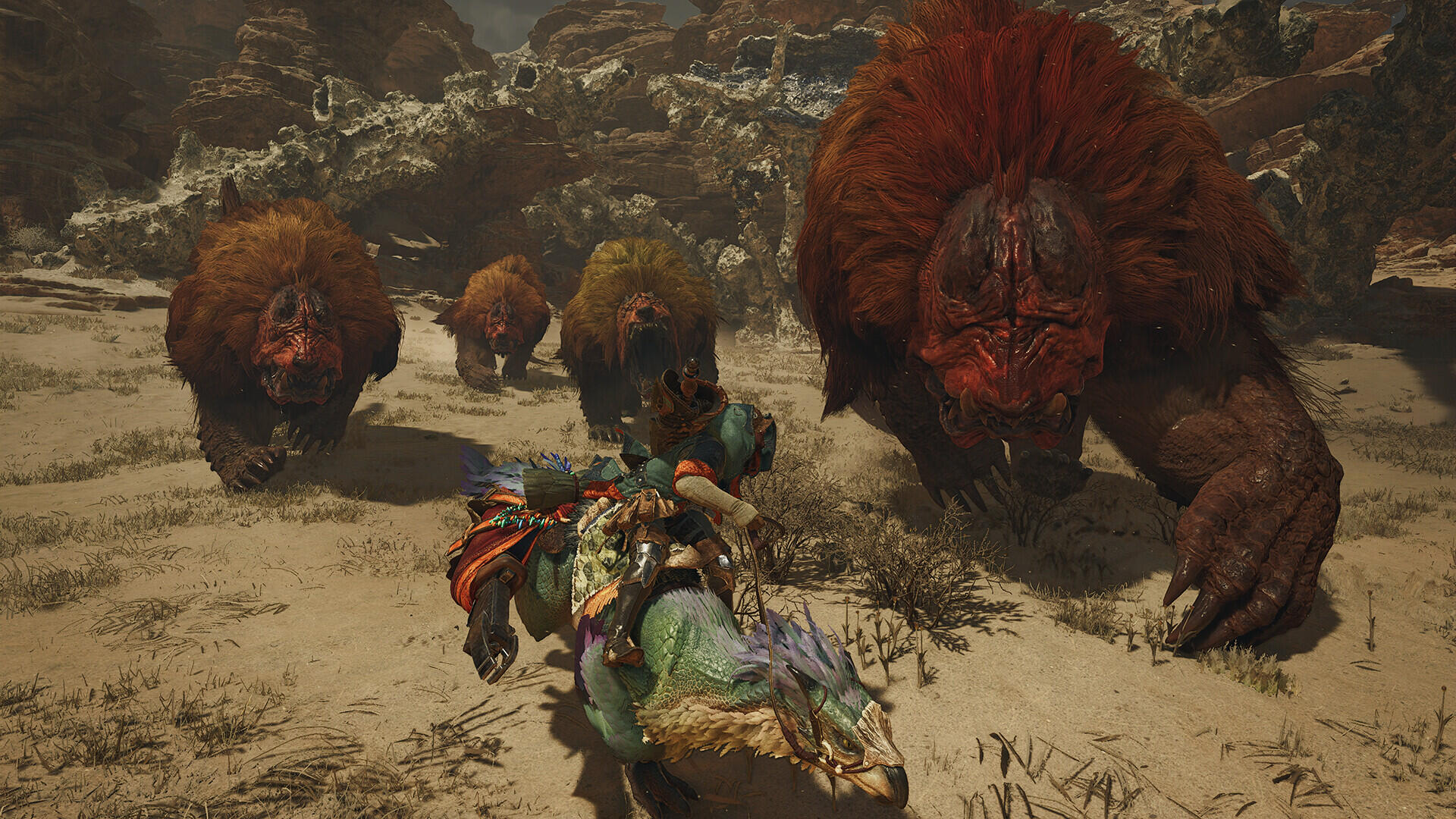
Each zone you’ll visit on your journey east is vastly different from the next, but each one is graphically vibrant, especially after undergoing regular weather events. The Scarlet Forest, for example, experiences the downpour. Transforming it from a dark, gloomy rainforest to a colorful, sunlit forest. The same weather events occur in their own ways in the Windward Plains and Iceshard Cliffs, each with its own name.
Narratively, this is the best story we’ve gotten in a Monster Hunter game, though the bar was already relatively low. The story has never really been why we play this series. This time, the story still primarily serves as a means to move from hunt to hunt, but the cutscenes in between feel much more fleshed out.
Thanks to a wonderful ensemble of characters accompanying you to reunite Nata with his lost family and investigate the White Wraith, providing comedic and heartfelt moments. While the plot is pretty cliché and predictable, the latter half becomes more engaging from a lore perspective. It culminates in some genuinely intense final hunts against some of the best-designed monsters they’ve made before the credits roll.
Monster Hunter Wilds continues evolving the series cleverly to appeal to new players without sacrificing its original identity. Refined combat, beautiful weapons/armor, and terrifying monster designs, despite persistent frame-rate drops, and its story just being a way to get from hunt to hunt. This is the best Monster Hunter game ever made.

The Good
- Fluid, refined combat
- Monster designs
- Weapon and armor designs
- Seamless map
- The story is better than previous games
The Bad
- ...but still relatively cliche
- Frame-rate issues are still a problem




 SuBZeRO2K
 Spotify
 Anchor
 iTunes