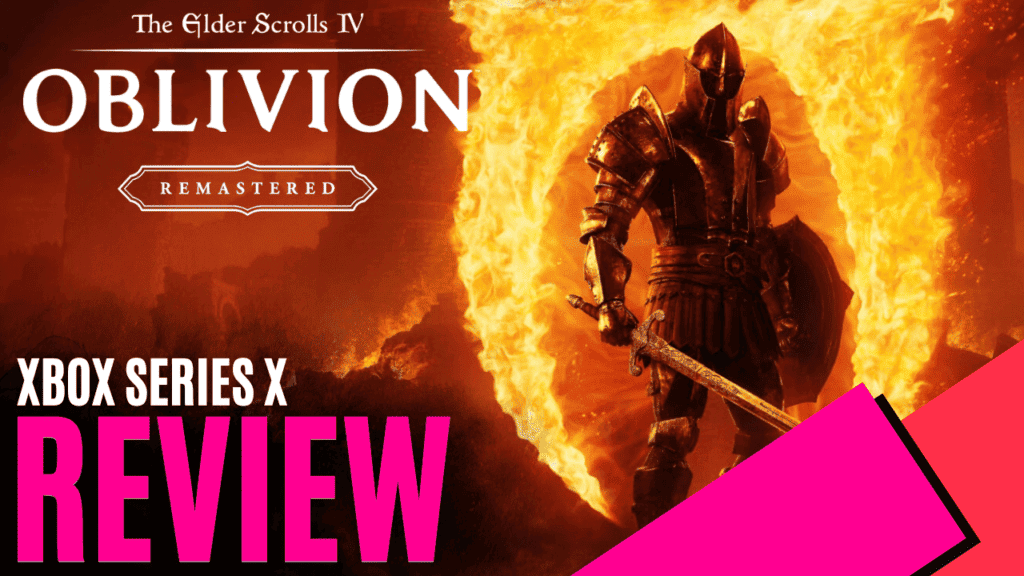
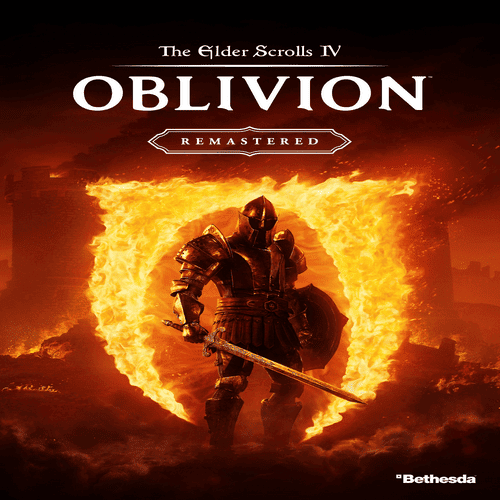
Bethesda has managed to drop one of the biggest bombshells of the year so far with The Elder Scrolls IV: Oblivion Remastered. If that didn’t have your heart racing, brace yourself because we’re heading back to the heart of Tamriel, Cyrodiil, and it’s never looked better. Whether you are a longtime fan or a first-time adventurer, the remaster is something truly special, so grab your sword, dust off your spellbook, and dive in and make an unforgettable journey.
If you have never played the original, here is what it’s about. The Elder Scrolls IV: Oblivion Remastered puts you into a realm on the brink of chaos. After the assassination of Emperor Uriel Septim VII, the empire is left leaderless, and the sinister forces waste no time in taking advantage of the Oblivion Gates, which are portals to a hellish dimension ruled by the Daedric Prince Mehrunes Dagon. Like all good stories, you are a prisoner no one cares about and end up being given the task of finding the emperor’s hidden heir and stopping the Daedric invasion. So you could look at it like the world’s fate lies in your hands.
There have been some great additions and enhancements in the remaster, with the gameplay receiving a significant modernisation across the board. Levelling and non-combat perks have been thoughtfully rebalanced with the introduction of genderless stats, which allows a more flexible and personalised feel to the character builds. One of my most welcomed changes was the complete overhaul of the persuasion system.
It’s now far more user-friendly and, more importantly, actually feels worthwhile using and not frustrating. Monster scaling and spawn rules have been refined, creating a better sense of progression and challenge. I was also interested in seeing the new system, which has introduced the Claivoyane spell, which will help players navigate more easily and streamline that exploration aspect without sacrificing the immersive values of the game.
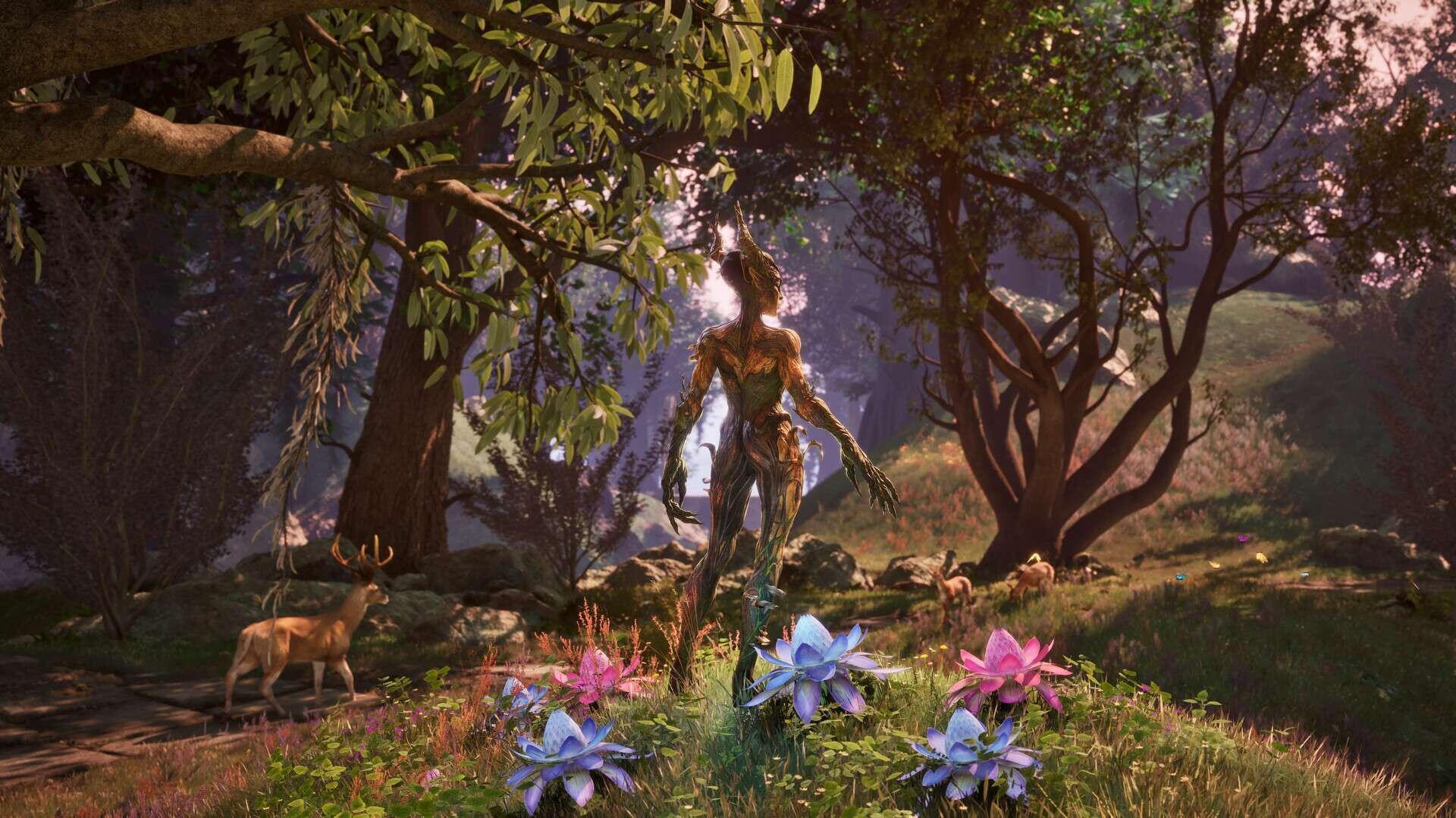
If you are new to Elder Scrolls, I will dive into the gameplay function so you are not left scratching your head trying to figure out what to do next. The NPCs and side quests scattered around Cryodill bring the world to life with rich characters and meaningful interactions with their characters. It does not matter if there is a hero, villain, emperor or commoner; everyone shapes your character’s journey.
You will get some characters that will approach you with clear intentions and others that are much harder to read, and the beauty of it all is that you can choose which path you want to go down. Depending on the decisions you make will impact how other characters will interact with you and also determine some of the quest lines you will encounter on your adventures. Major factions will heavily influence your reputation and possibilities in the game. I’ve always loved this in the Elder Scrolls games: that someone as simple as an innkeeper has the power to change the course of history.
Exploration is one of the key factors in the Elder Scrolls series, and it’s always a rewarding adventure filled with hidden ruins, dark caves and forgotten treasures waiting to be discovered. Striking out in any direction will often bring you unexpected finds. If you plan you’re adventures a little more, they tend to be a little more rewarding in the end, as you will come across locations like Rune Stones, Ayleid Wells and Wayshrines, which offer valuable boosts further into the game, whilst locations will offer more permanent boosts.
You need to ensure you are managing your money as well. You can earn gold through trading, raiding, and pickpocketing, with each method having its risks and great rewards. Whilst managing your money, you also need to ensure you manage your fatigue, as the last thing you want to do is run into some bandits and be too exhausted to even throw your weapon with any power.
You also need to manage your encumbrance, which, if you are over-encumbered, your movement will slow down massively and leave you doom-scrolling your inventory, finding something to throw on the floor. You need to ensure you are boosting your attributes when you level up, which helps with all these factors.
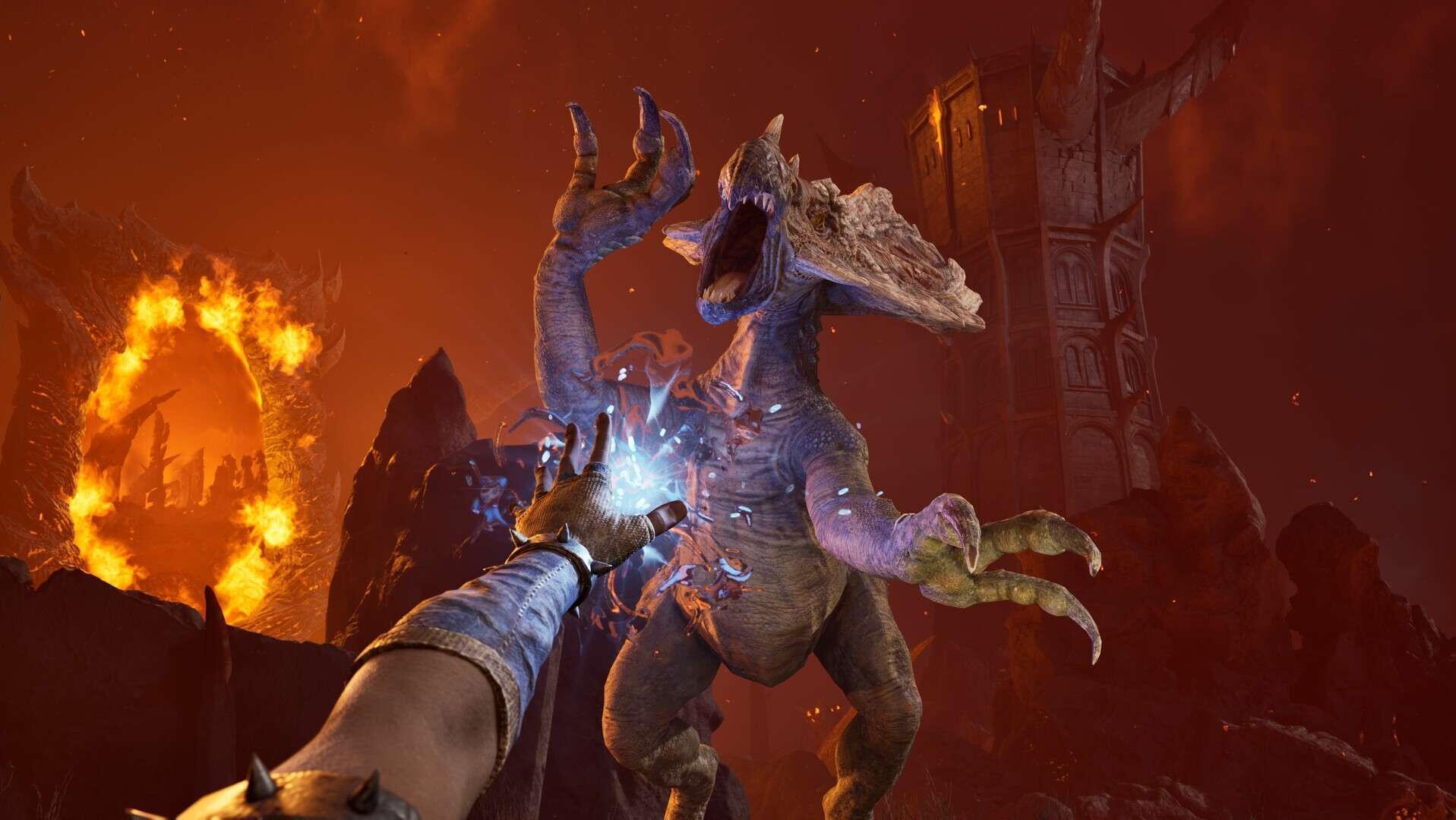
If this is not enough, you must focus heavily on self-preservation, which is the key to surviving. Keeping yourself and your gear in good condition can mean the difference between victory and defeat in a fight. Healing potions are something I use the most and are essential in my inventory to make sure if those sticky situations, I can quickly heal up and keep fighting the hordes. I forget to do it until I get the notification about your gear being broken, but make sure it’s being repaired with a repair hammer or by learning the armourer skills. You can see the health of all your gear in the inventory when you are doom-scrolling through that.
Combat and levelling in the remaster have been built around three core specialisations. Combat, Magic and Stealth. While exploring and facing the deadly forces of the enemies, you will master one of these paths if you want a more customised approach, which is also an option. Combat-focused characters like Warriors and Knights rely on strength and heavy armour, while Magic users, such as mages and battlemages, channel powerful spells to dominate the enemy. Meanwhile, you can pick locks and sneak through the shadows much more easily if you want to be a little more stealthy, like an assassin or thief. As I mentioned before, you can build a custom class that allows you to choose your specialisation, favoured attribute and major skills for a fully personalised play style.
The sound design has seen major overhauls, helping to create that rich, immersive experience we all love. The remaster has introduced enhanced 3D audio and true directional sound, allowing players to pick up on those more subtle environmental cues like rustling leaves, distant footsteps and shifting weather, which we’ve all become accustomed to. The sound effects have been revamped across the board, from your weapons crashing down to the soft ambient noises from the environment that Cyrodiil has to offer. The audio feels deeper and more atmospheric, which makes exploration, combat and quieter movements more engaging. I was a huge fan that the developers did not feel the need to re-voice the NPC it was all from the original game, which a true remaster should do and brought back some great memories of adventuring back in the day.
The controls in the remaster have been completely modernised to meet today’s high standards. Character movement feels much more fluid and smooth and much more responsive than before when you are exploring, sneaking or engaging in combat, which sometimes still felt a little delayed from when I was mashing down the trigger to when the sword was swinging, which made some of those combat scenes a little more tricky. Horse riding has been overhauled, which is a part of the new locomotion system, making travelling across Cyrodiil far more natural and enjoyable.
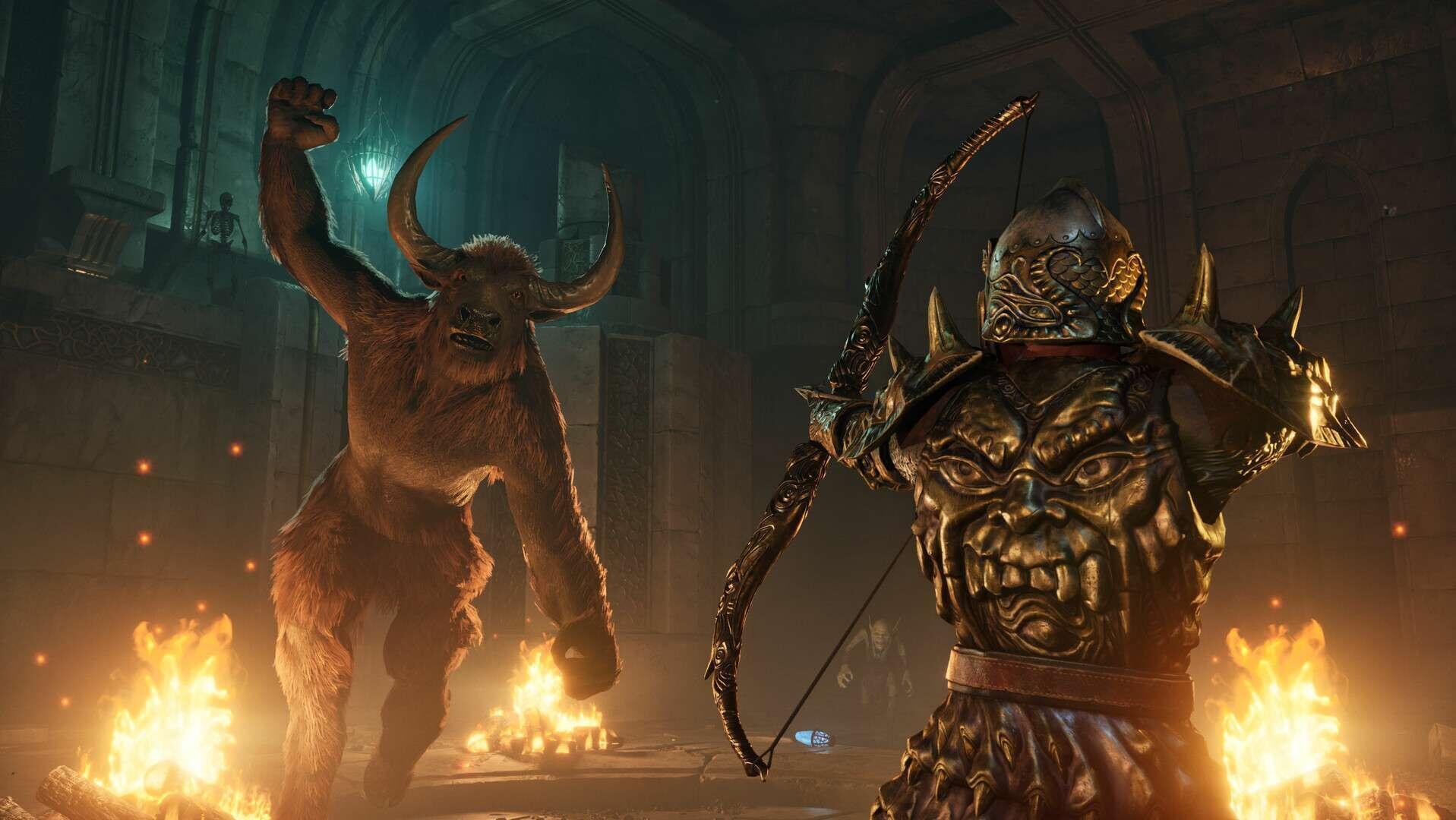
The first and third-person camera perspectives feel a little more modern and natural compared to the original game, was was a welcome update. I liked the updates to the sneaking mechanics, which made it feel like you were actually sneaking around and not just crouching and hoping for the best. Overall, I was impressed by how polished and fluid the controls felt in the game, and it made it feel far more accessible compared to the original game.
Visually, The Elder Scrolls IV: Oblivion Remastered is a massive leap forward. The game now runs on Unreal Engine 5.1, combined with the original Creation Engine, which now brings enhanced lighting, detailed textures, and a far more realistic environment thanks to Nanite and Lumen integration. Foliage, weather effects, and time-of-day transition feel far more dynamic and add a layer of immersion we didn’t have before. This also added new animations to your character and the NPC around you, which makes the game feel far more modern than the original.
The user interface (UI) and heads-up display (HUD) have been completely revamped, adding a new level of modernised beauty to how you play the game. The menus look much cleaner and more intuitive and fit naturally within the updated aesthetics. The game will run at 4K 60fps on the Xbox Series X and 60fps with dynamic resolution on the Xbox Series S, which we never thought we would see in Oblivion with its original release back in 2006. I was a little surprised and amused at the same time, seeing the horses got some great updates, but their faces were like statues cracking the weirdest smile, which made me chuckle. I’m not sure if it was a deliberate thing left in the game or something overlooked.
The Elder Scrolls IV: Oblivion Remastered is a perfect example of how a development company can respectfully modernise a beloved classic. With its updated visuals, smoother controls and meaningful gameplay improvements, it manages to preserve the heart of the original game whilst offering a much more refined and accessible experience for new and returning players like myself. Cyrodiil feels more alive than ever before, and whether you are reliving old memories or forging a new path, the remaster delivers a complete adventure that will show why Oblivion still has a powerful place in today’s RPG landscape.

The Good
- Beautiful visuals
- Improved movements and combat
- Funny horse faces
- Great memories relived.
The Bad
- Combat sometimes felt a little delayed




 SuBZeRO2K
 Spotify
 Anchor
 iTunes