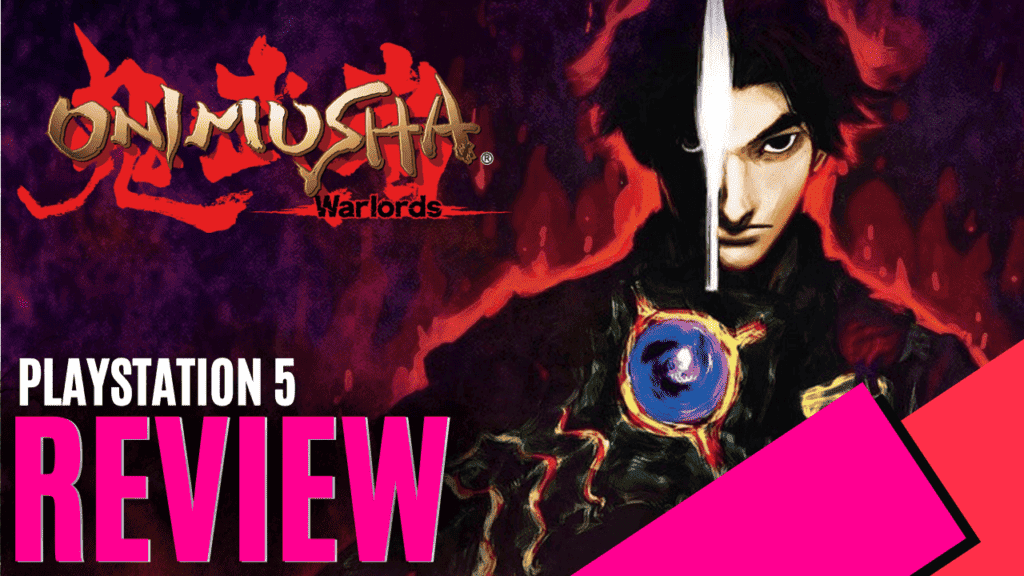
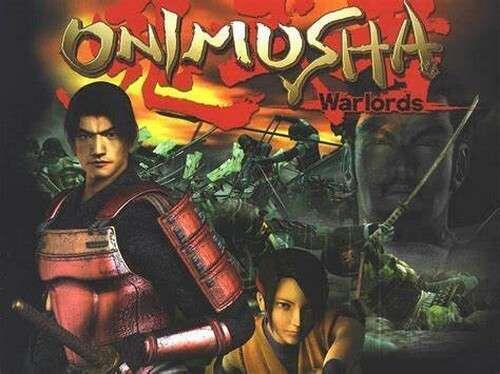
The Onimusha series was one of Capcom’s premiere franchises in the early 2000s, beginning with Onimusha: Warlords in 2001 on PlayStation 2, which saw two sequels and a few spin-offs. Aside from the browser-based game Onimusha Soul in 2012, it hasn’t had a proper sequel since 2006’s Onimusha: Dawn of Dreams, and it felt like that was the end of the franchise.
In 2018, the original game received a remaster and was ported to PlayStation 4, Xbox One, and Nintendo Switch, then on PC a year later, and that’s the game we’re reviewing. For some reason, Capcom supplied us with a review code for a game that came out seven years ago, but we’ll take any excuse to revisit the remastered version of Onimusha: Warlords.
During the Battle of Okehazama, Samanosuke of the Akechi clan watches but is attacked by Imagawa Yoshimoto’s men. Though Nobunaga Oda was victorious against Yoshimoto, he is fatally wounded and assumed dead. A year later, Samanosuke receives a letter from his cousin, Princess Yuki of the Saitō clan, for his assistance as she fears monsters are behind the disappearances of her servants. Joined by Kaede, they arrive too late at Inabayama Castle as Yuki is abducted. Samanosuke and Kaede go on a quest to save Princess Yuki from demons working alongside Nobunaga’s forces.
The remastered version of Onimusha: Warlords plays much like the original on the PlayStation 2 from 24 years ago, but with a few welcome improvements. The game can now be played in full widescreen, with clearer graphics and a smoother frame rate. Full 3D movement has been added, but the classic tank controls are also available, and players can now switch weapons during the game instead of switching them in the items menu every time. The original game was a classic of its time, and now it looks and plays better than ever.
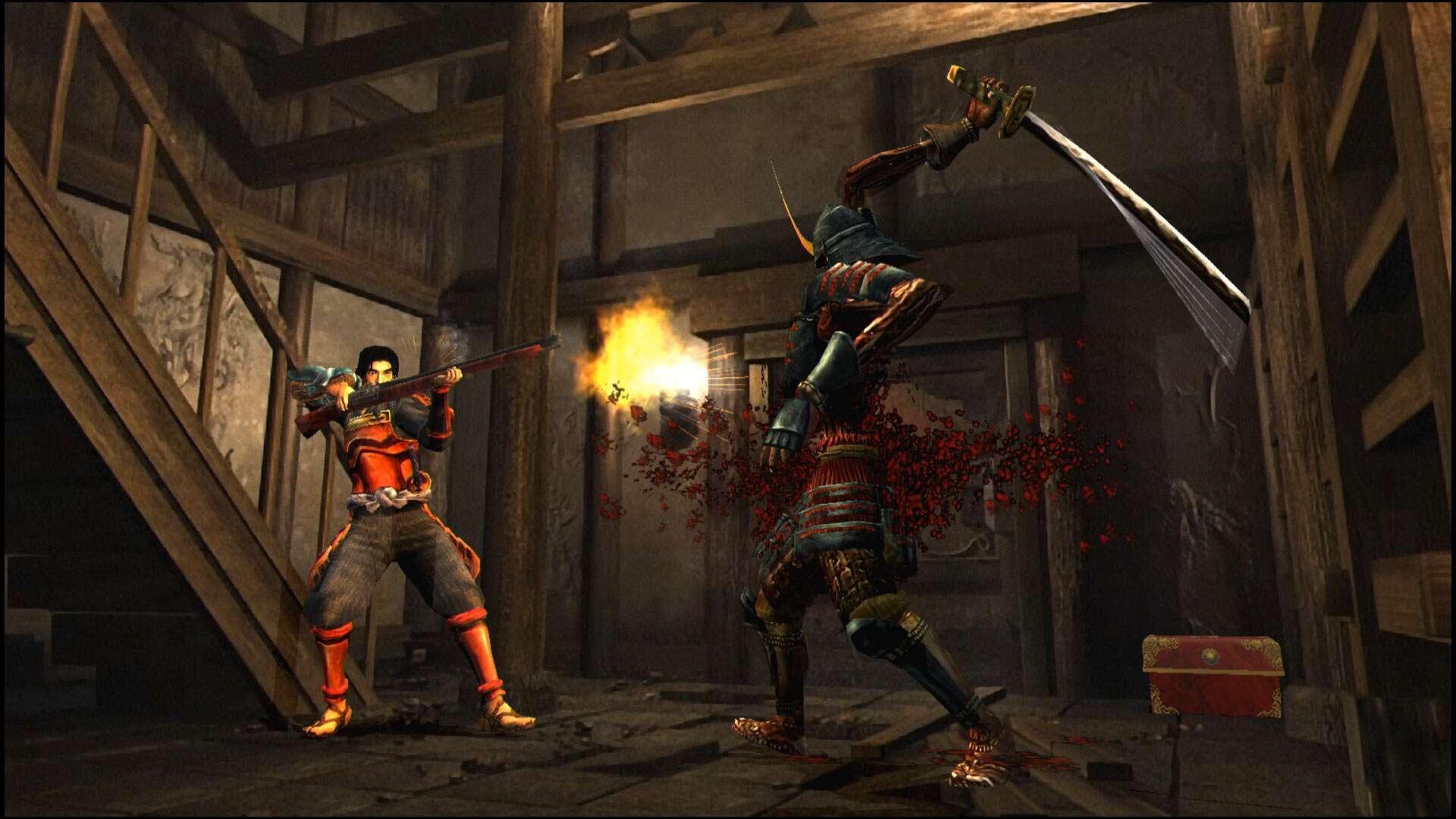
The main character, Samanosuke Akechi’s likeness, is based on real-life Japanese/Taiwanese film star Takeshi Kaneshiro. He also voices the character and returns to redub his lines for the remaster. Samanosuke quickly became a gaming icon in the early 2000s, and this game provides a great opportunity for longtime fans to revisit a classic and for newcomers to experience the Onimusha series from the beginning.
The quality of the cutscenes may be a product of its time, but it is still as enjoyable as ever, thanks to its creative storytelling, keeping players and anyone watching engaged, especially with a big movie star involved. Onimusha games can easily be enjoyed just for their cutscenes alone, almost like a movie, and the fact that the game is on full widescreen makes it that much better. Even CG and in-game cutscenes now fill up the whole screen on modern televisions instead of having black borders above and below on old 4:3 screens.
The game’s graphics still look like a PlayStation 2 game, even with the HD enhancement smoothing out all the textures and improving its frame rate, but it adds a touch of nostalgia. The overall look and presentation have aged quite well since its 2001 counterpart. The soundtrack was also re-recorded due to the controversy with the original composer and brings its spin on the game’s classic tunes, mixing traditional Japanese folk music with deep orchestral sounds when things get intense.
The early Onimusha games had tank controls, just like Resident Evil, one of Capcom’s other big franchises. Adding full 3D movement makes the game much easier to play and move around in, especially while battling enemies.
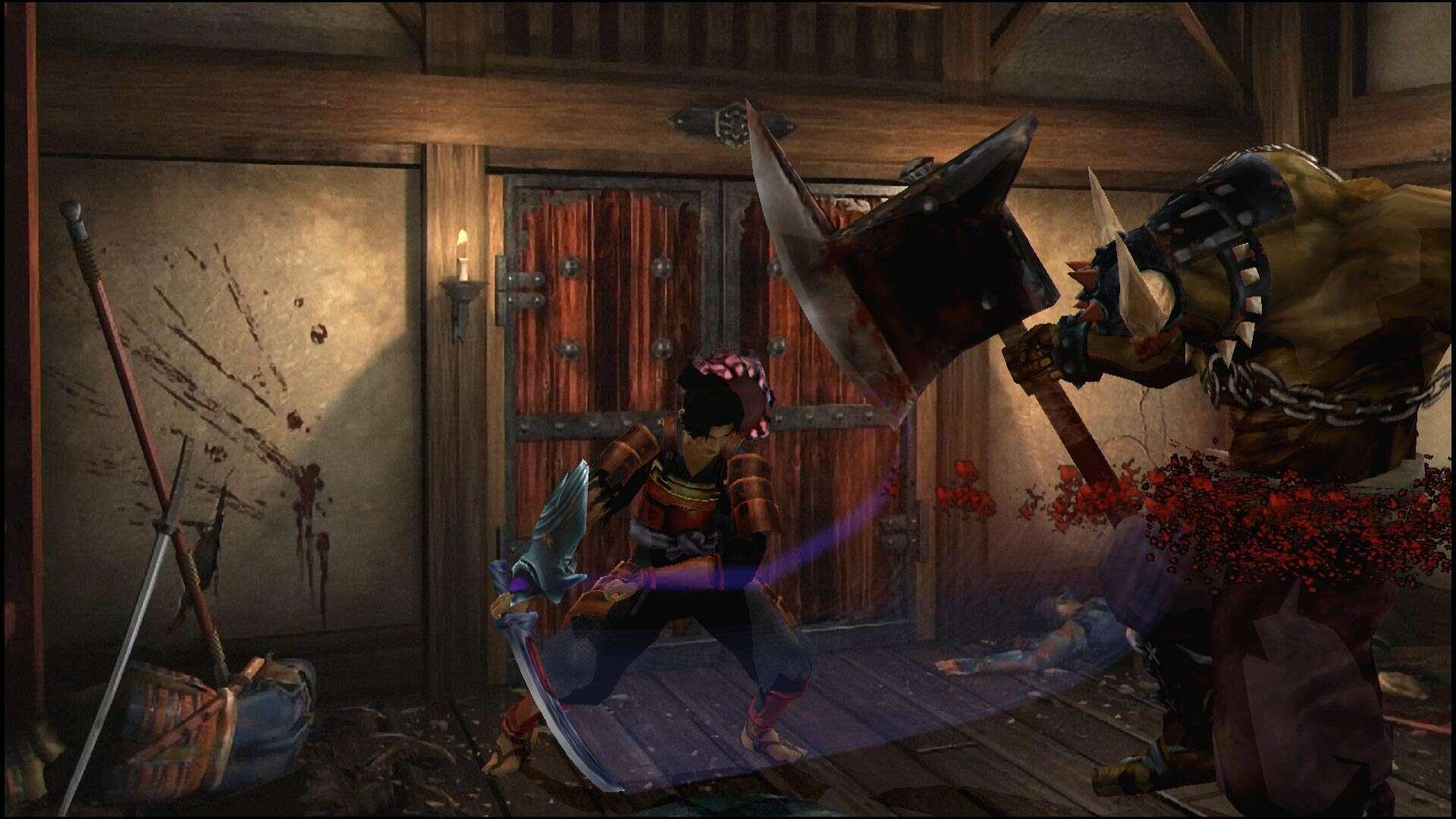
Also, like the old Resident Evil games, Onimusha used pre-rendered backgrounds with fixed camera angles. This meant that the in-game environments you see are still images, and you can’t move the camera around, but you can still see what’s around you for the most part. The still images look stunning, and traversing around will change the image to the adjacent one. Like the original game, this can occasionally cause confusion when your character suddenly appears in a different part of the screen, and the controls feel like they’ve been reversed.
This becomes most annoying when fighting against bosses, as the camera keeps switching between two different angles, causing players to miss their attacks and leaving them open to take damage. Thankfully, for the most part, the constantly changing camera angles don’t get too bad to the point that they ruin the game; it’s just a minor annoyance that we wish could’ve been fixed for the remaster.
The 2018 version of Onimusha: Warlords is a fantastic remaster, even though it doesn’t have the word ‘remaster’ in the title. It’s a short game that only takes around four hours to complete, but the story makes it worth the purchase. The $24.99 – $29.99 AUD price tag isn’t bad for what it offers.
The Onimusha franchise has been seeing a resurgence recently with the anime series on Netflix in 2023, the VR game in 2024, the remaster of the second game in 2025 and the long-awaited brand-new game, Onimusha: Way of the Sword, due out in 2026. The remastered version of Onimusha: Warlords is an excellent way to get started or reacquainted with the Capcom classic.

The Good
- Engaging story with nostalgia
- Now in full widescreen
- Adds full 3D movement and keeps tank controls as an option
- Enhanced visuals
- A great way to get started or get reacquainted with the Onimusha series
The Bad
- Fixed camera angles constantly changing during boss battles
- Short game at only 4 hours




 SuBZeRO2K
 Spotify
 Anchor
 iTunes