
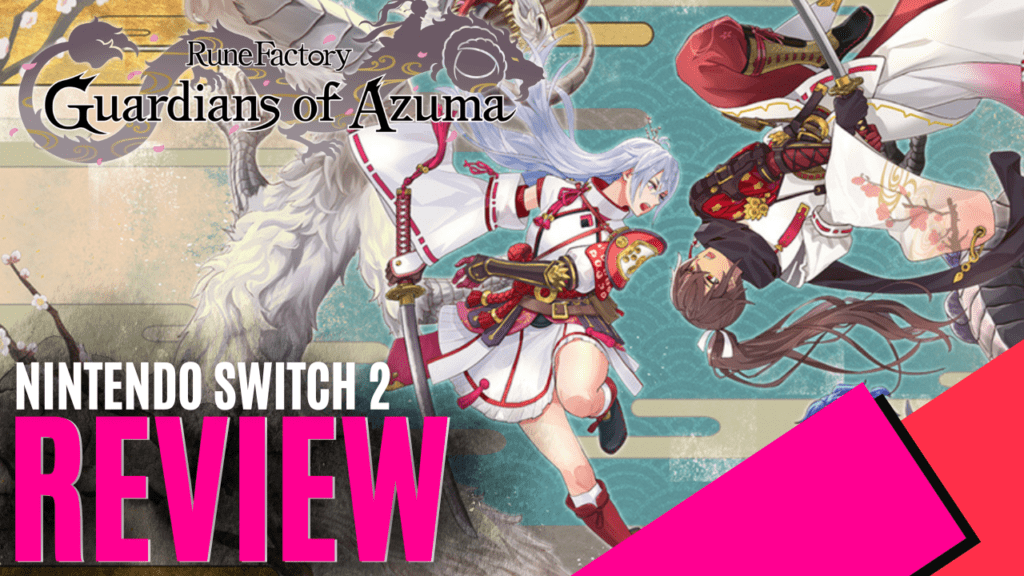
‘Rune Factory: Guardians of Azuma’, the latest entry in the beloved lifestyle sim series developed by Marvellous Inc. and published by XSEED Games, marks a bold new direction. For the first time, the series trades its traditional Western-inspired fantasy setting for Azuma, a land steeped in Eastern aesthetics; a fantastical take on Japan. Having never played the series, this shift in setting was a major reason I decided to dive in.
A colossal impact has shattered Azuma, called the Celestial Collapse, and it’s up to us, the Earthdancer, to restore balance. Our quest is to awaken the gods, recover the missing runes, and save the land from impending calamity. We began our journey in Spring Village, months after the catastrophic event you keep reliving in your nightmares. We play as one of two preset protagonists, male or female, with no memory of our past. While character customisation is minimal, it feels like a deliberate choice, as the character you don’t choose still plays a role in the unfolding story.
At its core, Guardians of Azuma tells a classic good vs. evil story, but it’s surprisingly layered in both tone and scope. While these types of games often prioritise the gameplay loop over narrative depth, it was refreshing to find a story that gave me something to care about as I played. Much of that emotional weight comes from the inhabitants of Spring Village, who carry the story with distinct personalities and meaningful backstories, even including a lighthearted, comedic companion named Woolby.
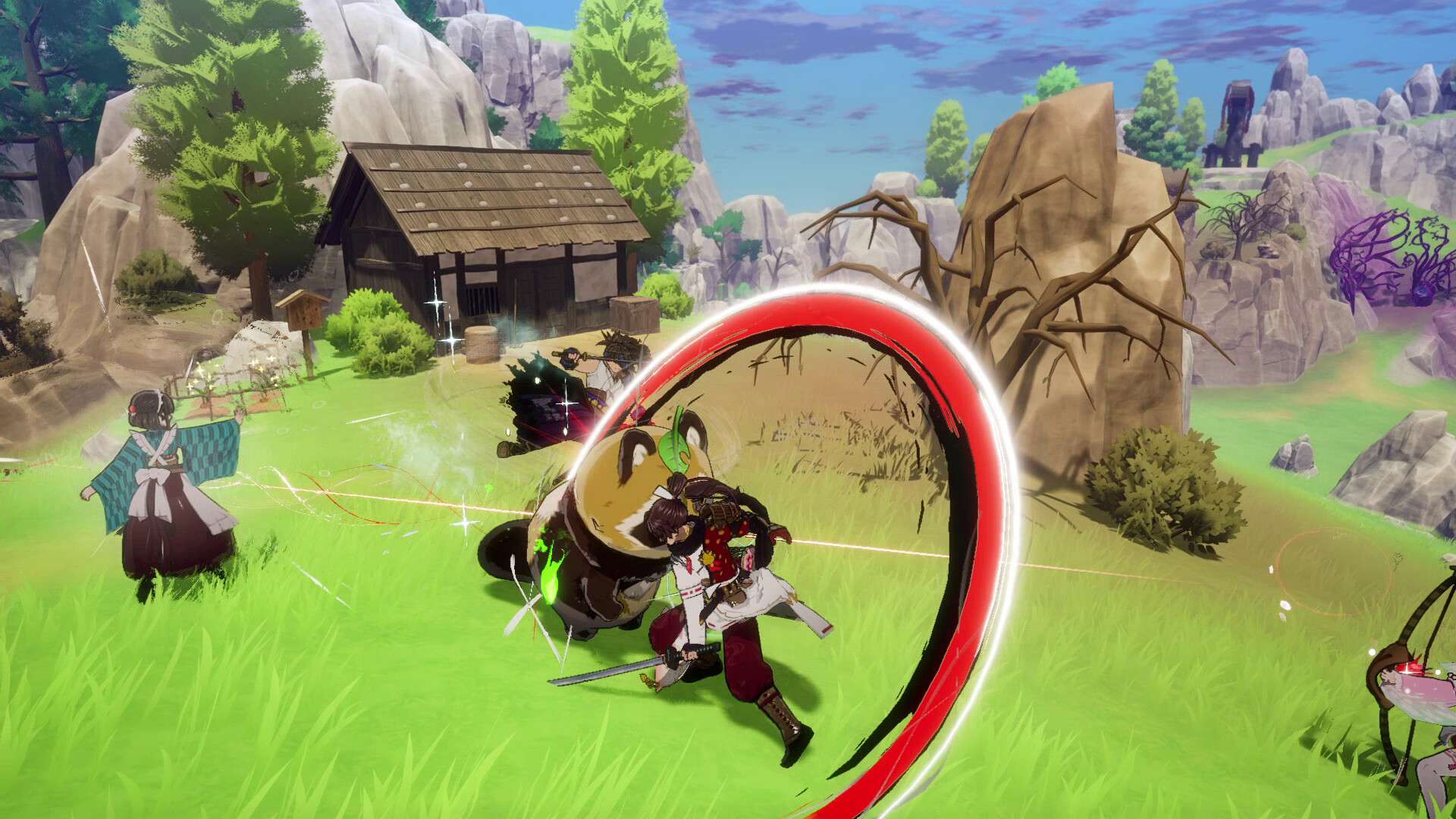
As your quest unfolds, Spring Village becomes the heart of your adventure. Revitalising the town falls to you, and early on, the game throws a flood of tutorials and mechanics your way. It can feel overwhelming at first, but it’s worth sticking with.
Once you push past the initial information dump, the gameplay loop reveals itself to be highly engaging, just as addictive as the best lifestyle, farming, or dating sims. Impressively, Guardians of Azuma blends elements of all three genres and manages to succeed more often than not in this department.
At first, the farming and building systems seem fairly basic, teaching you how to till soil, plant crops, and construct essential buildings. But it doesn’t take long for the game to open up. Soon, I found myself customising my development zone to be shaped exactly how I wanted it, placing Japanese-themed buildings, surrounding them with crops, and adding decorations such as Tori gates to bring the space to life. It gradually transforms from a functional area into something that genuinely feels personal.
Gathering materials like wood and stone for it starts off as a simple task, but the game smartly evolves by allowing you to assign villagers to handle resource collection on your behalf. This frees up your time to focus on what you might say really matters, building relationships. You can bond with companions by spending time with them or giving them gifts, especially on their birthdays, gradually increasing their intimacy levels. There’s a generous selection of characters to romance, each with their own charm, giving players plenty of options (and cuties) to fall for.
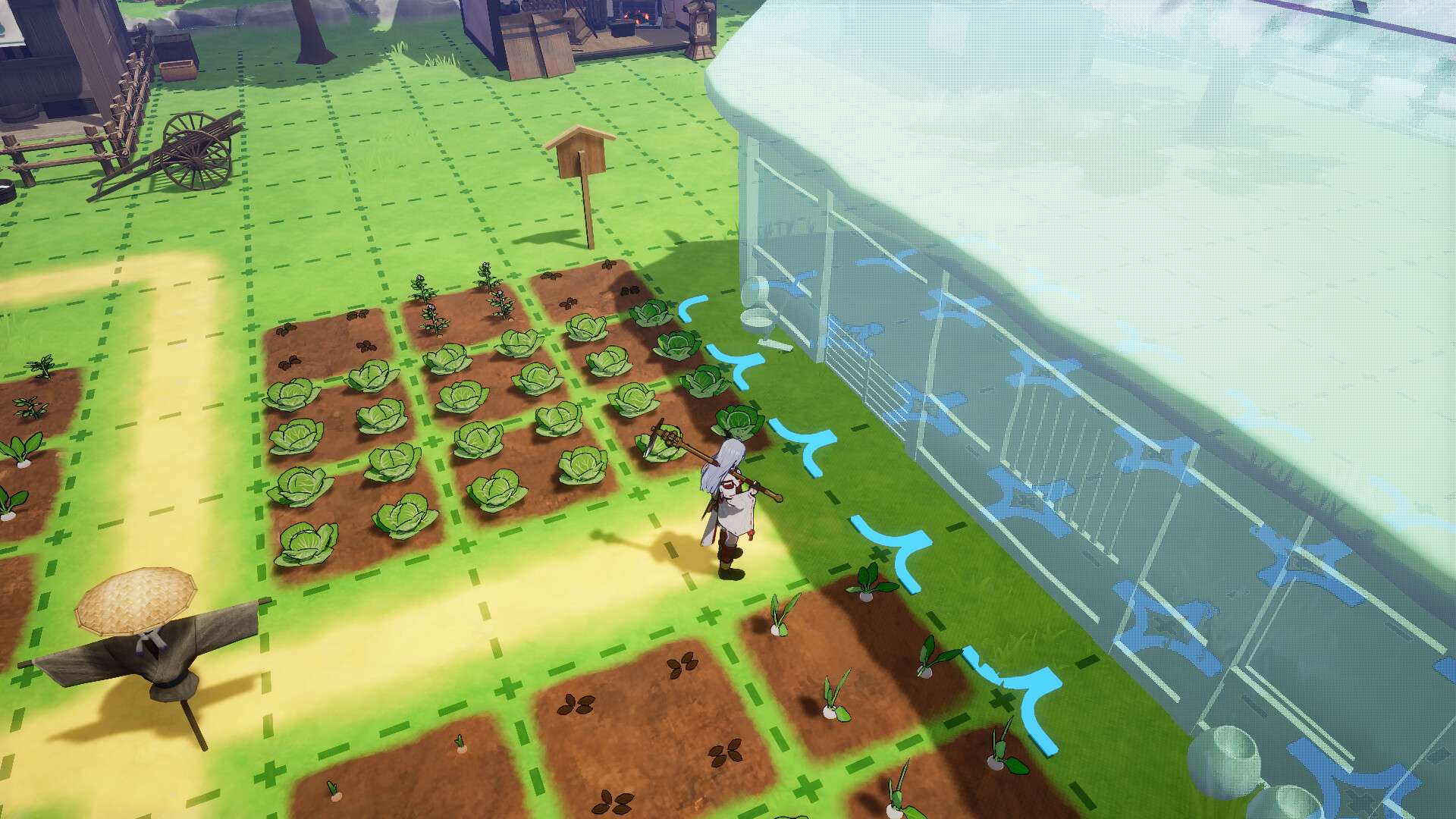
Once a companion reaches a certain intimacy level, you can add them to your party for quests and your exploration out into the world, and while their AI can be a bit inconsistent at times and the combat itself leans on the simpler side, it still feels satisfying to play.
The attack animations, in particular, are beautifully done and give each strike a sense of impact. Regular enemies don’t pose much of a threat, but the boss battles stand out; they demand far more focus and serve as the real highlight of the combat experience. The skill tree opens up plenty of more abilities to add to the experience, adding some much-needed depth to the combat.
It’s worth noting that I played Guardians of Azuma on the Nintendo Switch 2, and to my surprise, the experience was pretty flawless. I didn’t encounter a single bug or graphical hiccup during my playthrough. Given the hardware and the game’s scope, I had expected at least some minor issues, but everything ran smoothly from start to finish.
In conclusion, Rune Factory: Guardians of Azuma is a refreshing take on the genres it challenges, successfully blending farming, adventuring, and romance against a beautifully reimagined setting. While it may stumble slightly in areas like early-game pacing, it more than makes up for it with its characters, satisfying progression, and ‘one more day’ gameplay loop.
Whether you’re a longtime fan or a newcomer like me, this entry proves that Rune Factory still has plenty of magic left to offer, especially when it’s willing to chart bold new territory.

The Good
- Deep customisation options that let you truly make the world your own
- A wide range of romanceable characters, each with unique charm and personality
- Beautiful, stylised art that brings Azuma’s world to life
- Runs flawlessly on the Nintendo Switch 2
The Bad
- Combat feels relatively simple to me
- The sheer number of systems introduced early on can be overwhelming






 SuBZeRO2K
 Spotify
 Anchor
 iTunes