
Earlier this year, Split Fiction hit Xbox hard, and at MKAU, we were right there for the ride. It’s brutal honesty, tight mechanics, and unforgettable atmosphere left a mark, and at the time, Dylan called this a possible Game of the Year candidate. You can check out his review HERE.
Now that it’s landed on the Nintendo Switch 2, I’ve had the chance to revisit the story on fresh hardware. This isn’t a full breakdown. Dylan already covered the ins and outs, but I wanted to focus on how the experience holds up and whether the Switch 2 version captures the same lightning in a bottle.
Split Fiction hasn’t lost its edge. The narrative, the uneasy tension, and the emotional gut punches all land just as hard. However, as expected, the shift in hardware will bring some changes. Some work in Switch 2’s favour, and others do not.
Let’s be clear: if you played Split Fiction on Xbox Series X, you’d notice the drop. Gone is the pristine 4K at 60fps. On Switch 2, docked mode hits a dynamic 1440p and sticks to 30fps.
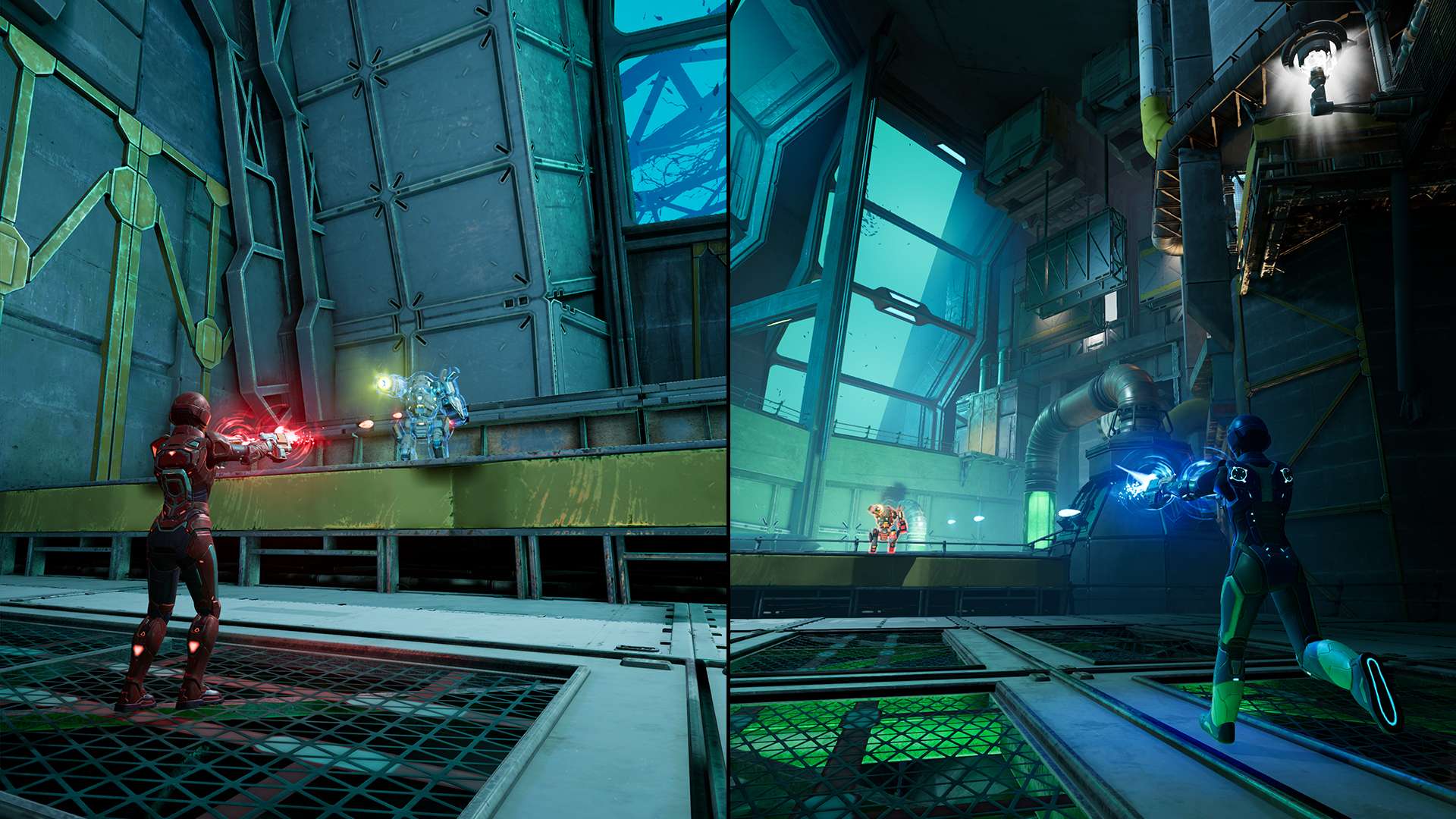
It’s not a dealbreaker, but you’ll feel the compromise during high-tension scenes with effects or lighting overload. Texture pop-in is a bit more frequent, and wide open areas don’t have quite the same detail.
That said, handheld mode plays to the game’s strengths. The screen helps sell the heavy contrast and harsh lighting. Shadows look deeper, and colours, especially during flashbacks, pop greatly. If you’re going for a second playthrough, this mode feels more personal and immersive, even with the technical flaws.
The haunting soundtrack of Split Fiction still hits hard on Switch 2, but it’s missing some of the punch you get from a solid surround setup. Xbox had better audio and was more atmospheric overall. On Switch 2, it’s a little more compressed, especially in handheld mode without headphones.
However, the new haptics are a quiet win. There’s a subtle but effective use of vibration, like a low buzz during tense decisions or a heartbeat-style pulse during panic. It doesn’t overshadow the game, but it adds to it. The physical feedback makes certain scenes feel more immediate as if your hands were just as unsettled as the protagonist’s mind.

Gameplay-wise, this is the same mix of exploration and emotional storytelling that made the original so strong. Joy-Cons are surprisingly decent for navigation, though motion aiming (which you can toggle on or off) feels a bit loose and underwhelming compared to traditional controls.
Returning to Split Fiction months later, the story still left a mark, which says a lot. While this version can’t match the polish and performance of its Xbox counterpart, the core experience remains the same. In some ways, the Switch 2’s portability enhances the story’s emotional weight, turning it into something more intimate and personal.
Split Fiction on Nintendo Switch 2 doesn’t quite hit the same technical highs as its Xbox debut, but the story, tension, and gameplay are top-tier. It’s a solid port of an already stellar game, and depending on how you like to play, it might even offer a more personal kind of intensity.

The Good
- Still one of the strongest narratives of 2025
- Portable play enhances more emotional moments
- Good performance despite technical compromises
The Bad
- Visuals and framerate take a clear hit compared to Xbox
- Missed opportunity with no mouse controls




 SuBZeRO2K
 Spotify
 Anchor
 iTunes