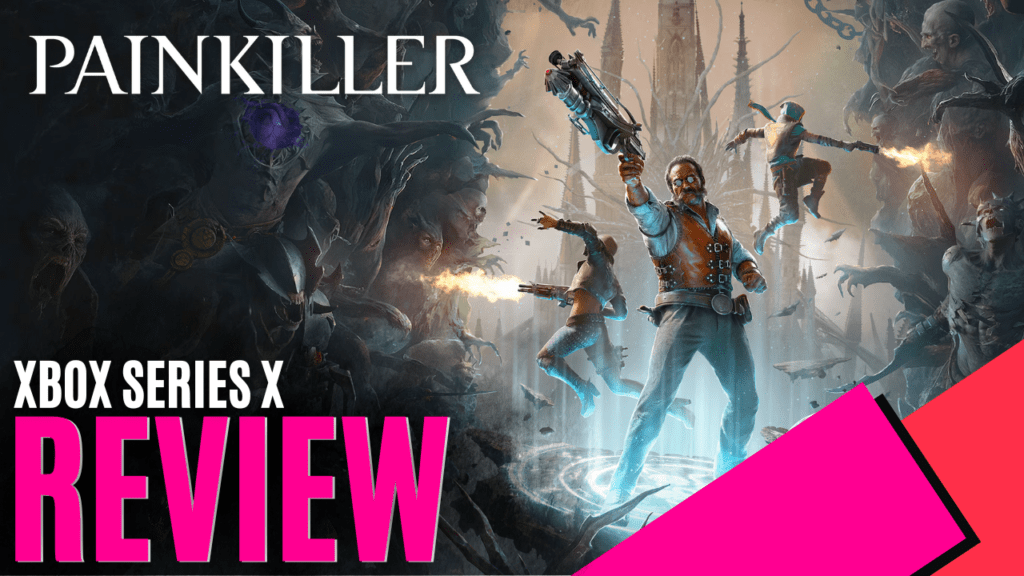
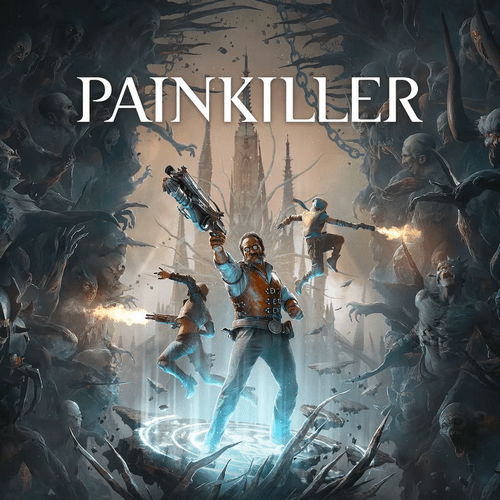
Have you ever wanted to play a co-op ‘Doom’? No, neither had I, until I tried ‘Painkiller’. Having never been aware of the franchise, I was not prepared for what I experienced. However, developer Anshar Studios and publisher 3D Realms have taken quite the left turn away from what those familiar with the franchise would expect.
The story of Painkiller is that you are trapped in purgatory as you have been sentenced to redeem yourself for your transgressions by the voice of the curator, Metatron. To escape, you must battle against the hordes of hell sent by Azael to infiltrate Earth, proving your champion hood and receiving redemption to enter Heaven.
More story and lore get revealed as you play the game by completing challenges, updating the Codex found in your base of operations. Some challenges are as simple as hearing the characters talk to each other during a mission. In contrast, others require more conscious thought, such as killing a certain number of enemies, using weapons, or using the environment.
There are four champions to choose from, and each comes with a unique ability. Ink comes with a 20% boost to energy restoration, Void comes with a 10% boost to weapon damage, Sol comes with a 50% boost to ammunition capacity, and Roch comes with a +25 to health. Personally, I didn’t really notice much difference between using one champion over another, and the same could be said about the Tarot Cards.
Now, Painkiller is a first-person co-op horde killing shooter. So, with this genre of game, it takes many hours to build up your power as an unstoppable bane to demons. With that said, my early hours are primarily based on the early stages of that incremental power. My feelings about not noticing much difference in power between champions and Tarot Cards may be significantly different 60 hours from now —I can’t say, unfortunately.
But the Tarot Cards are quite numerous and come with interesting-sounding buffs, while others are just a percentage increase, whereas I mentioned, I didn’t feel any meaningful impact. The other thing with Tarot Cards is that they are a one-and-done buff. Once you use them on a raid, they burn out, requiring you to use Ancient Souls to revive them for use.
Which brings me to the Painkiller’s currency. Apart from earning Ancient Souls, you also earn Gold. Gold is found throughout your raid and used to purchase new weapons and gamble on revealing new Tarot Cards. Ancient Souls, as previously mentioned, are required to revive burnt Tarot Cards, but also go towards the purchase of new weapons and the improvement of weapons.
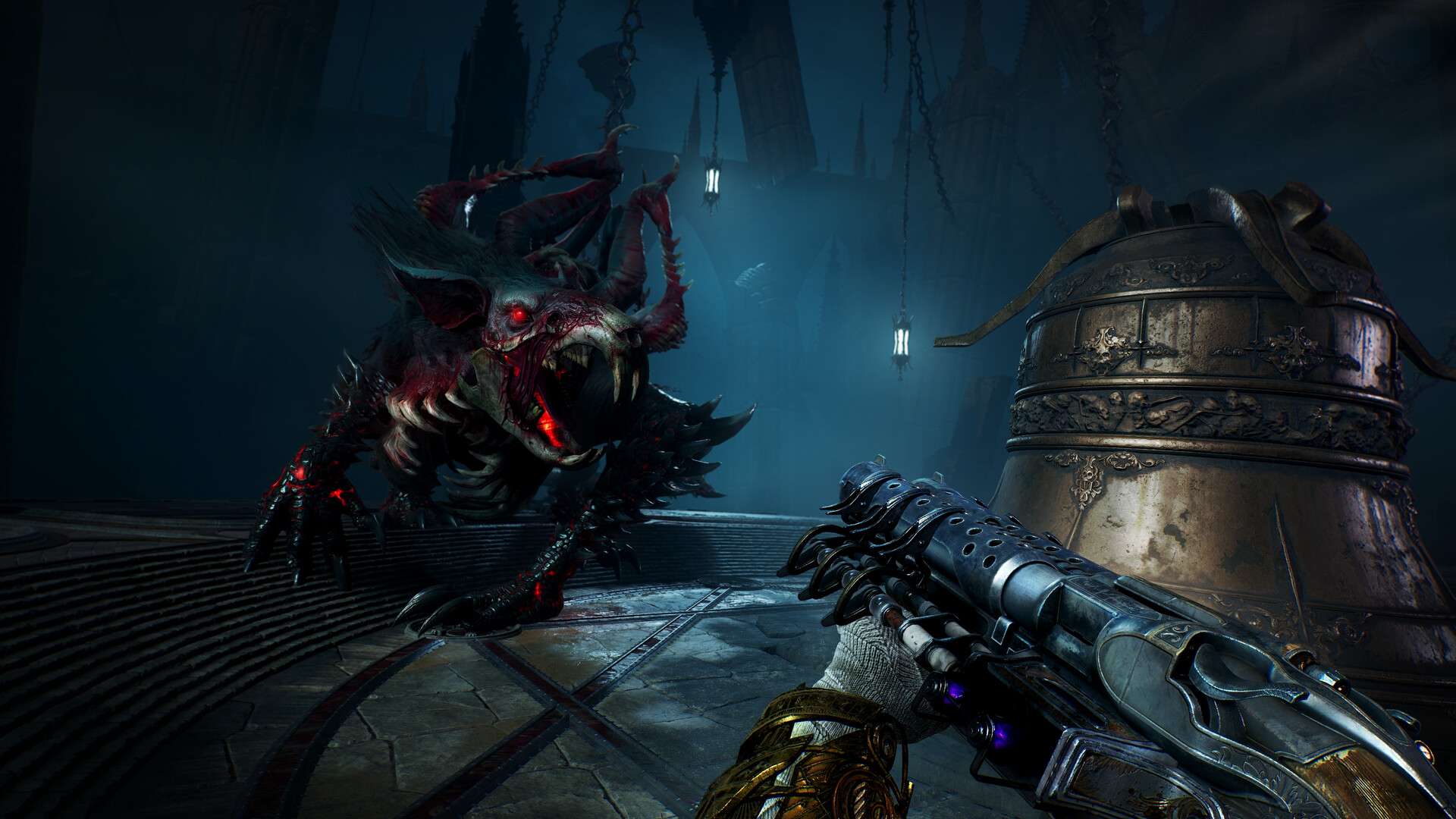
You take three weapons with you on a raid, and one is always the Painkiller. The Painkiller is a whirling dervish of blades that is designed for close-quarters combat. This is also the primary tool for gaining ammunition on a raid. The other weapons are the Stakegun, Elecrodriver, Shotgun, Rocket Launcher, Hand Cannon, and SMG. Each weapon comes with three alternative fire modes, and those modes come with two additional alternative functions to those modes.
For example, the Electrodriver’s primary fire mode shoots shuriken, but the functions of those shuriken can be changed to either a slashing area of effect or a double-hitting shuriken. Needless to say, you will find a weapon and an alternative firing mode that suits your play style.
All of the above-mentioned components of Painkiller culminate in a fast-paced action shooter with two others. If players are not available, bots are substituted in, so even if you are offline, you can still enjoy the action. When online, you can create private games for you and your friends or join open games already in play through crossplay. The two play modes are Raids and Rogue Angel. Raids are where you can select one of three places to enter and stop Azael’s army.
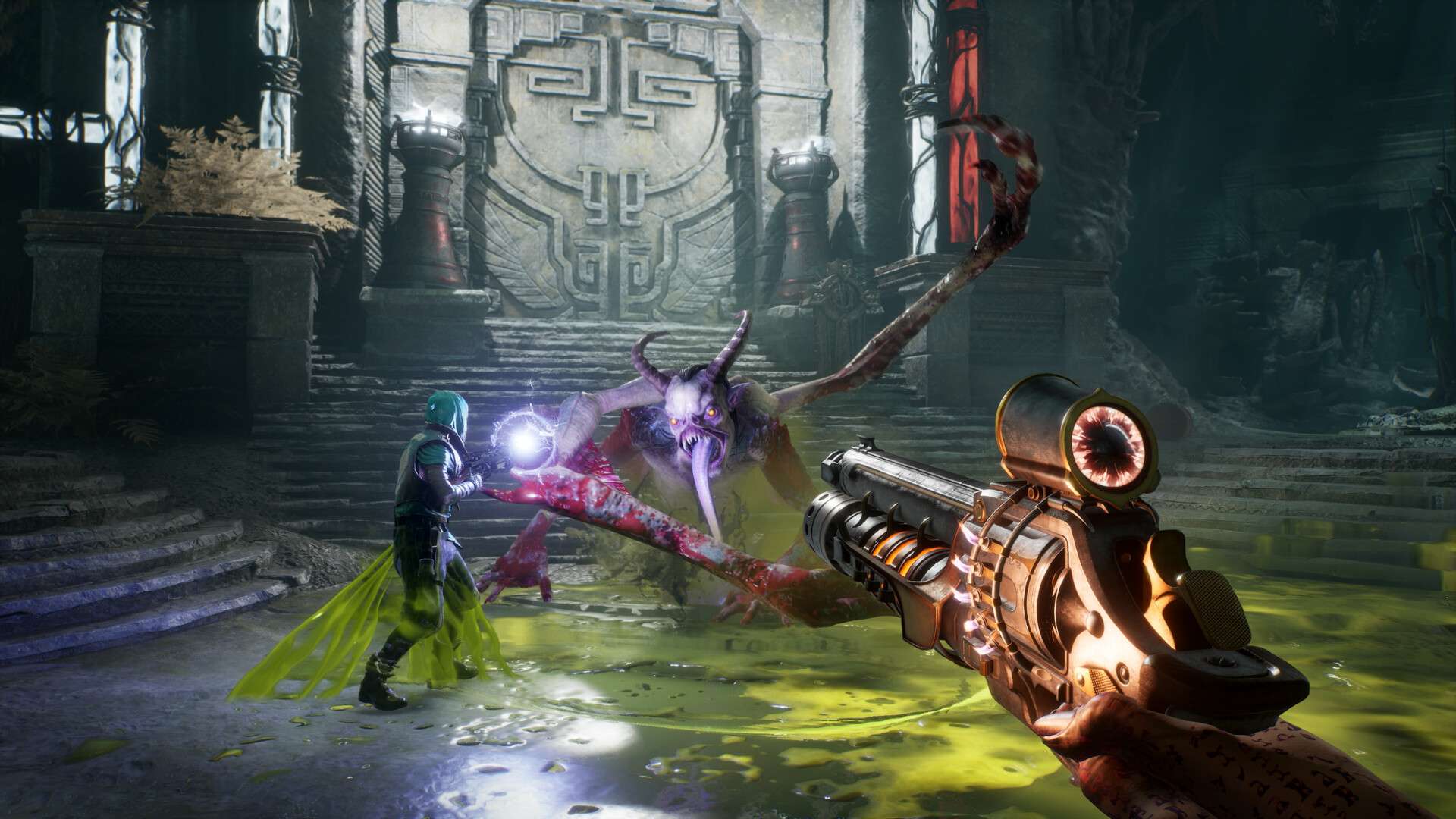
Inside each place are two consecutive missions, which unlock when you complete the previous mission, with the third ending with a boss battle. Rogue Angel is a rogue-lite approach to the formula, where you start with the basics and slowly build your power through randomised items, buffs, and weapons. This gives Painkiller a fun replayability factor once you have finished the Raids and understand everything Painkiller has to offer.
Painkiller has a gorgeous gothic environment that clearly fits well into that mix of familiar and horrific. As it is purgatory, tall cathedral spires set against the backdrop of a swirling miasma, steps leading down to rivers of blood, and warm candles on the edges of abysses, it really makes you feel that tenuous edge of reality. Albeit, you won’t have too long to admire it as the hordes of hell will soon be upon you and you will be bursting them into fountains of blood in satisfying ways.
With the backing of heavy rock music to pump your blood up for the action. You will be pumping rounds into hellions with weapons all having distinctive sounds and listening to their cries of agony as they burst with splatter noises of satisfaction, as that is one less demon to make it to Earth.
A lot is going on in Painkiller, which is great and will give many hours of enjoyment. However, I question how long Painkiller will stay relevant in today’s market, especially in the co-op shooter genre. Painkiller has solid mechanics and a sturdy frame in which to build on. I’m thoroughly enjoying my time, but if content doesn’t come out at a pace to keep interest, I fear the player base will dwindle, which would be a shame.

The Good
- Can be played offline
- Purgatory is gorgeous
- Replayability through Rogue Angel mode
The Bad
- Departure from franchise roots
- Boost incrementals feel too minimal
- Content may not come fast enough to hold interest




 SuBZeRO2K
 Spotify
 Anchor
 iTunes