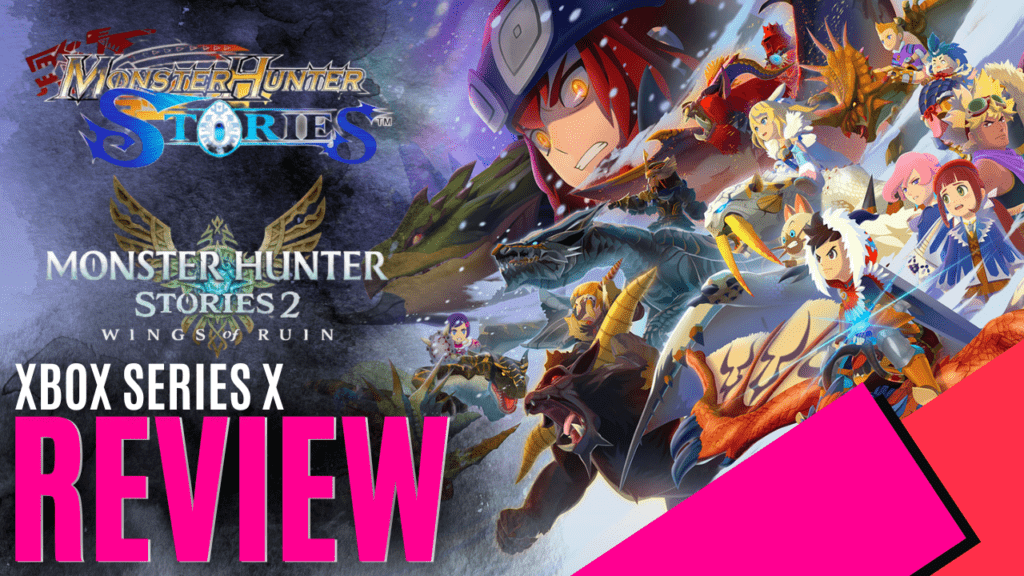
The Monster Hunter series began all the way back in 2004, putting players in the shoes of hunters to track down and battle monsters, and to use their body parts as resources. Monster Hunter became an instant classic and one of Capcom’s most successful franchises.
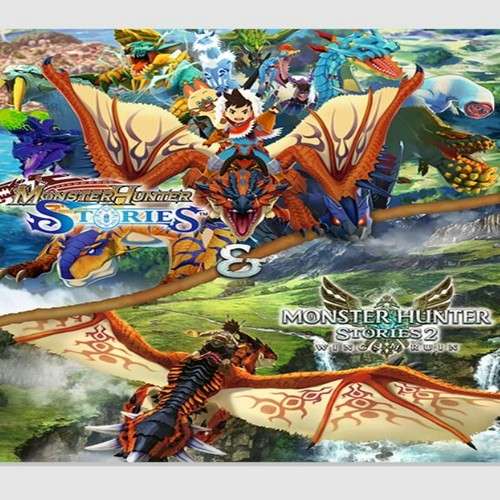
The games are best known to be action adventures with battles in real time but in 2016, a spin off game titled, Monster Hunter Stories was released exclusively to Nintendo 3DS, a turn based JPRG game which was a big departure from the main games but became a big hit and the long awaited sequel, Monster Hunter Stories 2: Wings of Ruin was released on Nintendo Switch and PC in 2021. Both games were later released together as Monster Hunter Stories 1 & 2 on PlayStation 4, and the collection is now finally available on Xbox One.
In both games, players create a main protagonist around whom the story centres. In Monster Hunter Stories, the plot follows the protagonist and their Felyne companion, Navirou, as they journey to discover the truth behind the “Black Blight,” a mysterious force that corrupts monsters, after their village is attacked. Along the way, they uncover the history of the Riders and learn to harness the power of a Kinship Stone to battle the blight and save the world.
In Monster Hunter Stories 2: Wings of Ruin, the story begins with the mysterious disappearance of all Rathalos from around the world. The protagonist is the grandchild of a legendary rider named Red and is entrusted by a Wyverian girl named Ena with a special Rathalos egg.
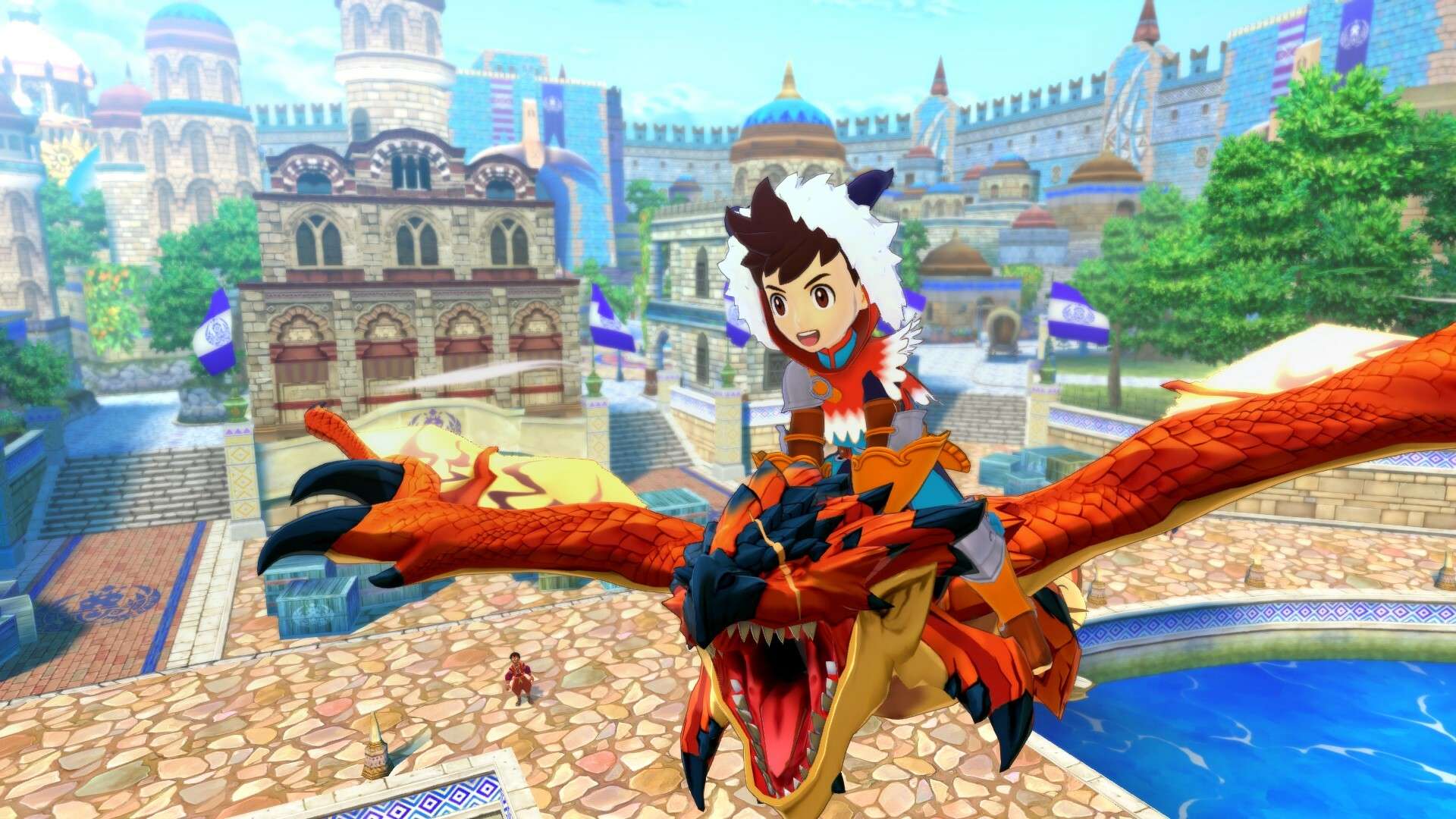
A small, flightless Rathalos, nicknamed Razewing Ratha, hatches from the egg, but a prophecy warns that a Rathalos with the potential to destroy the world is coming. The protagonist must embark on a journey with Ena and the Felyne Navirou to uncover the truth behind the prophecy, the Rathalos’s disappearance, and their grandfather’s past.
The Monster Hunter Stories games are best described as Monster Hunter meets Pokémon. Instead of just battling monsters and using their body parts for resources and building new weapons, players can also collect monsters to battle other monsters and even ride them to explore and travel to different locations. Their unique abilities will also aid them in battle and help them reach areas they wouldn’t be able to reach on their own. Unlike the Pokémon games, the Hunters, or better known as Riders in these games, will fight alongside their monsters with their chosen weapons.
Players will explore, collect resources, upgrade their stats, monsters’ stats, weapons, and more. Throughout their journeys, they’ll encounter monsters of different shapes and sizes. Some are easier to take down than others, but the more aggressive monsters will certainly keep players on their toes, and the challenge increases as the game progresses. Players can have up to six monsters in their party, which they can collect by taking an egg from a nest and hatching it back at the home base.
It’s not as simple as throwing a Poké Ball at them, as trying to collect them usually leads to a battle; the beasts won’t simply let you take them as you please. There is a large variety of monsters to encounter, battle and collect that Monster Hunter fans will recognise. Fighting alongside these massive beasts creates a whole new dynamic in the Monster Hunter games.
The games offer a variety of main and side quests, though many can feel repetitive. Players will have to spend a lot of time traversing from one end of the map to the other to collect things or trigger certain events in the story. It doesn’t make the overall game any less fun, though it does slow things down; thankfully, the next big event isn’t too far away.
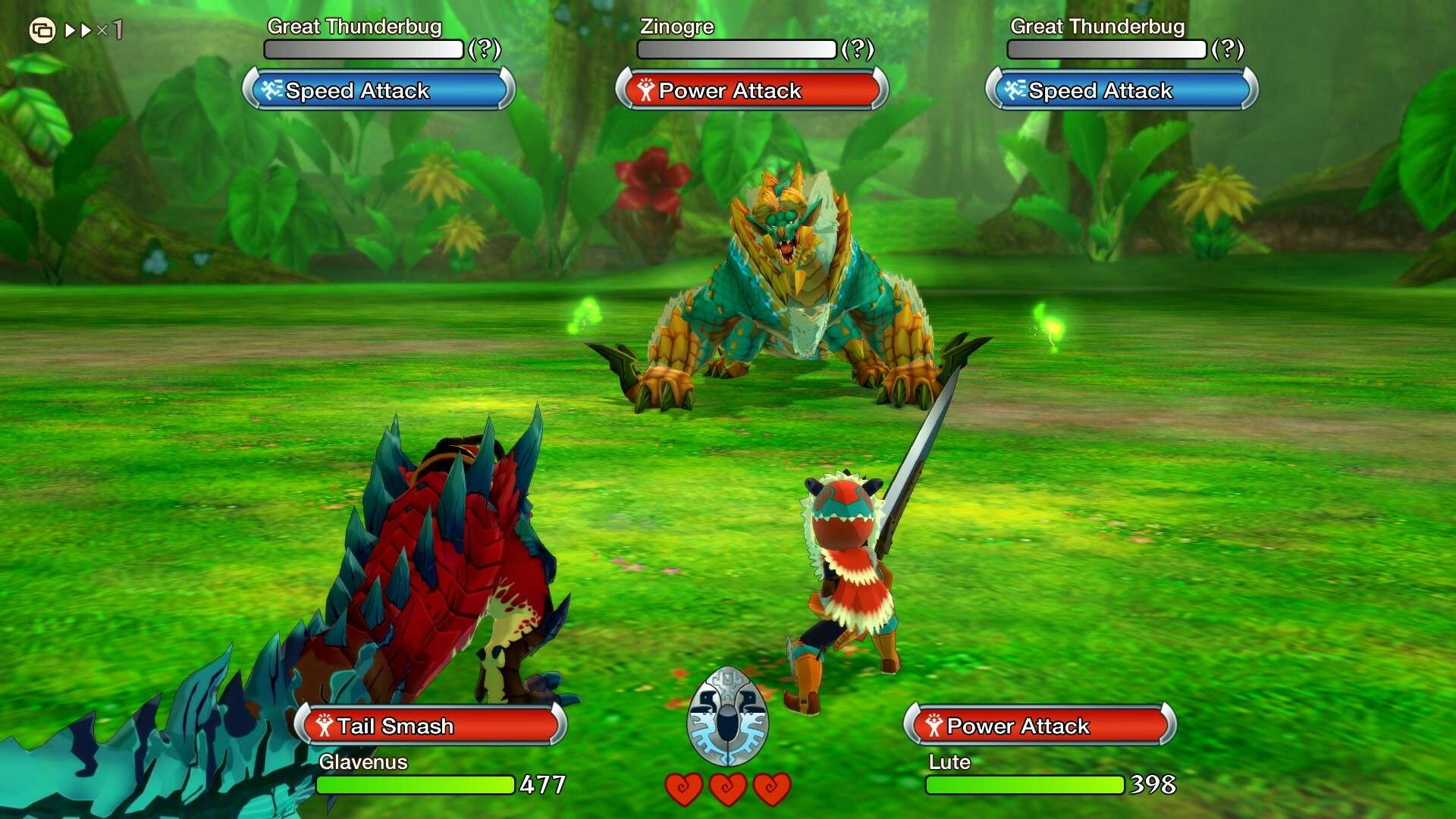
The combat systems in both games have a rock-paper-scissors feel. The main attacks are either Power, Speed, or Technical. Power beats Technical, Speed beats Power, and Technical beats Speed. Early on, it’s easier to predict what attack the opposing monster will use and can easily counter it, but things become harder later in the game.
The overall combat system is simple and easy to learn, but it can feel unfair at times, like the game simply decides that you should lose. Monsters in your party will fight alongside you as well as other human characters and their monsters, but they decide their own attacks and don’t always have the smartest tactics in battle. Hopefully, this will be fixed in future games.
The first game was originally a Nintendo 3DS exclusive, but it was packed full of content. The re-release in 2024 improved everything from the graphics and presentation to the addition of voiced dialogue in both Japanese and English. A gallery has also been added, featuring over 200 pieces of never-before-seen art and concept art.
The graphics of the first game are now closer to the quality of the second game, and even though the games don’t make the most of the graphics power of the modern consoles and look more like a game from the early 2000s, the simple, bright, and colourful art styles become part of the games’ charm and unique style.
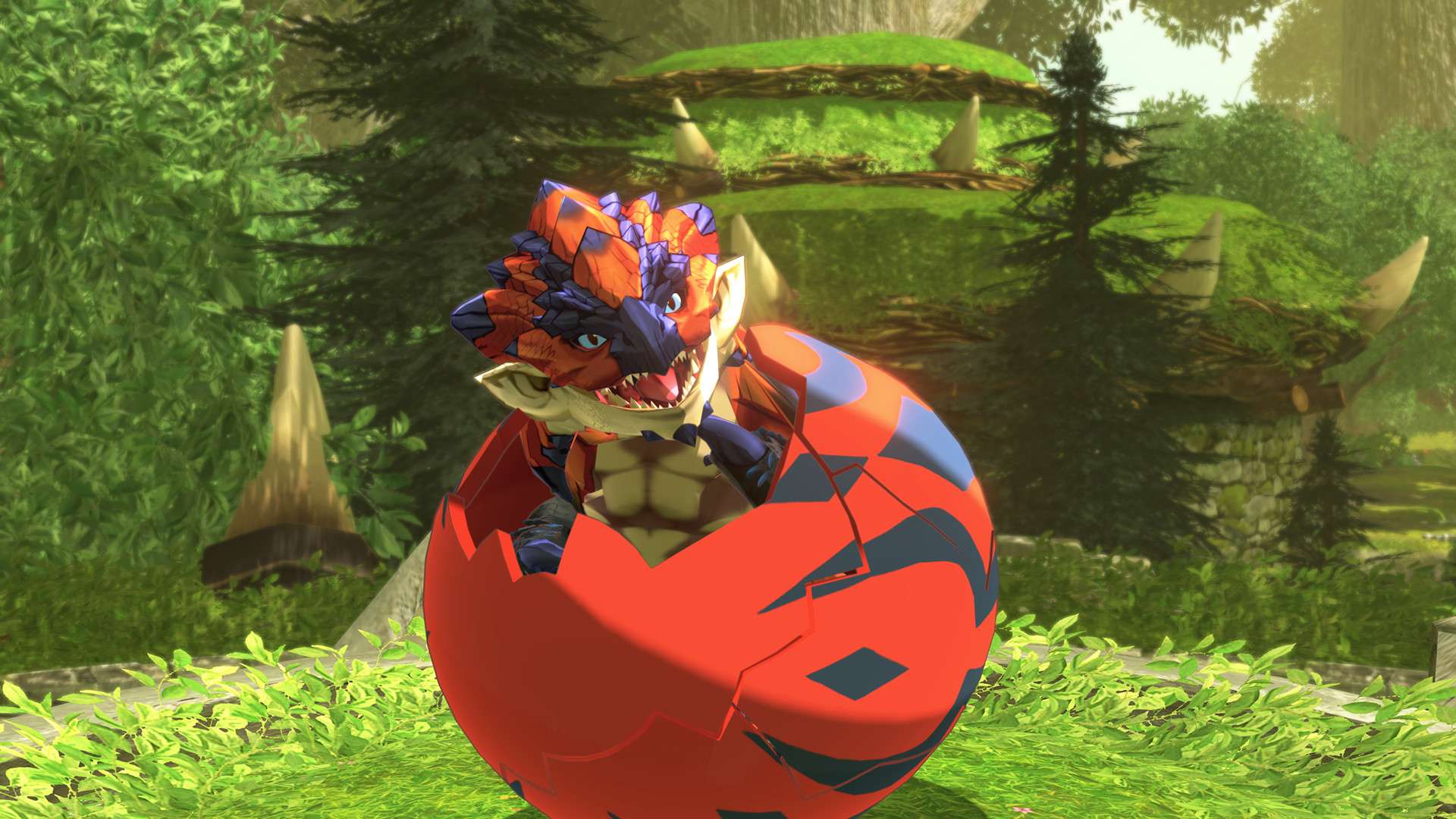
The 3DS version had limitations in its graphics and had to compensate for things farther away, but now everything is as clear as day.
Both Monster Hunter Stories games are brimming with style and personality. While out exploring different locations to discover new monsters and collecting resources, it’s easy to get distracted by all the beautiful sights to see and admire, with the beaches, forests, and mountain ranges.
Even dark places like caves will pique your interest, even if something big might be lurking around the corner. Seeing all the different monsters in their natural habitat, minding their own business, and all the NPCs at the home base hanging out, walking, and performing various tasks helps give the games so much life and personality.
Beginning either game, players will have a variety of customisation options for the protagonist, who can be either male or female. Players can choose different hairstyles, faces, eyes, makeup and more to create their own unique Hunter. Seeing your original Hunter in all the cutscenes is certainly fun to see, even if they don’t speak at all.
There are various cutscenes throughout both games, including full CG, pre-rendered, and simple in-game conversations. The original game on the 3DS had amazing CG cutscenes, even on a small, old handheld device, but now they can be enjoyed on a big TV and look better than ever. All the important cutscenes are fully voiced, and the voice performances are entertaining and help showcase each character’s diverse personality.
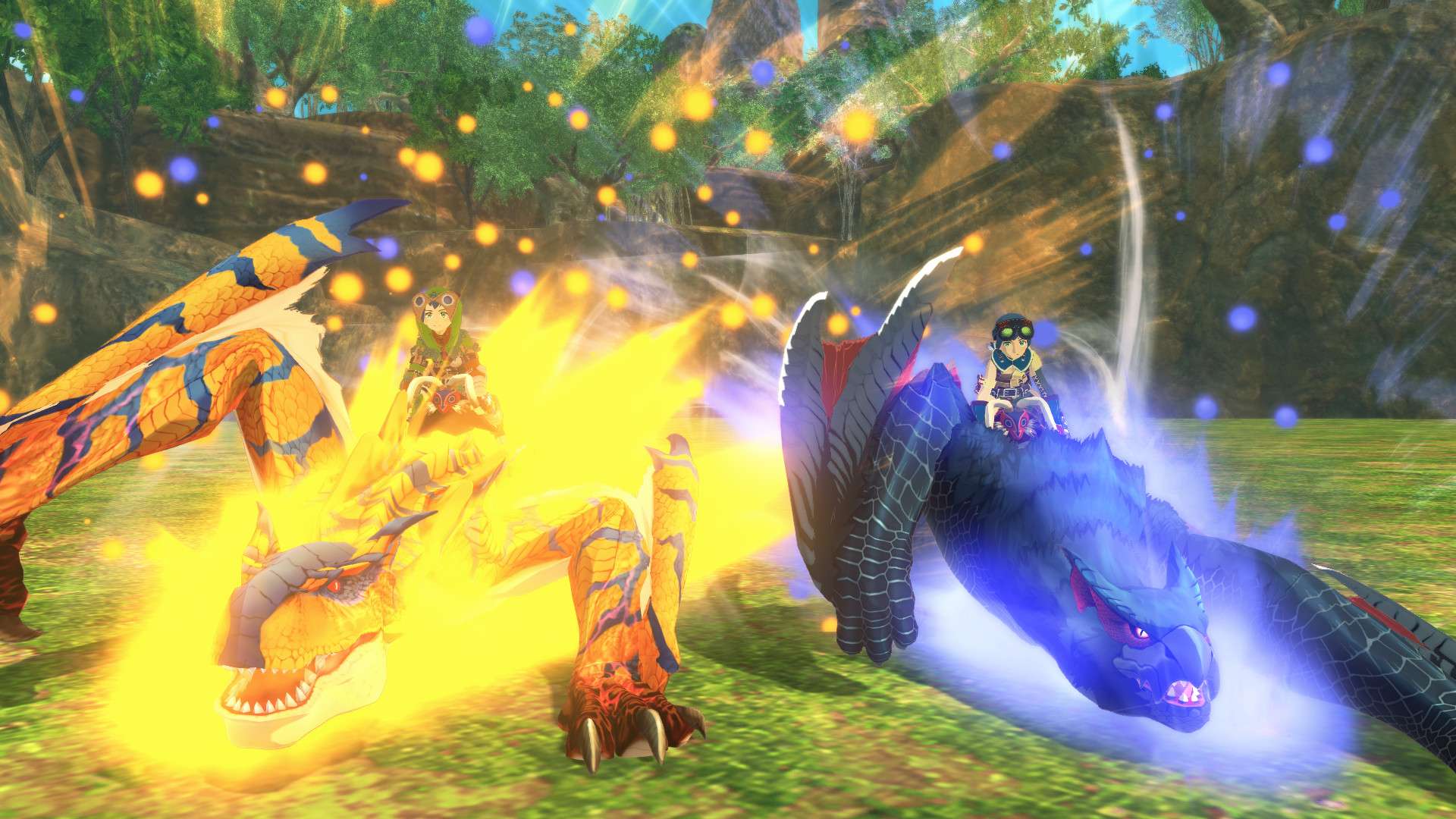
The first Monster Hunter Stories game brought something new and fresh to the franchise. Fans of the main games enjoyed fighting alongside familiar monsters for the first time, and it even attracted new fans who may have found the main games overwhelming or just enjoy games similar to Pokémon.
Monster Hunter Stories 2: Wings of Ruin is a direct sequel with many returning characters, but with a new protagonist. The second game improves on everything even more and shows the potential of a Monster Hunter Stories game on modern consoles.
The Xbox One, PlayStation 4, and Switch versions are all compatible with their respective successors. Playing the first game isn’t necessary to enjoy the second game, but with both games bundled together, now is a good time as any to get into the Monster Hunter Stories games. Longtime fans of the main games will find plenty to enjoy seeing all the familiar monsters in a new light, and newcomers will like the simplicity of the turn-based gameplay, which is a great introduction to the franchise.
The highly anticipated third game, Monster Hunter Stories 3: Twisted Reflection, is due out in 2026, so having both games available to play on modern consoles is a fantastic way to introduce Monster Hunter fans who may be unfamiliar with these spin-off games and allows Monster Hunter Stories fans to relive two excellent games to prepare for the third game’s release. It’s time to sharpen those blades and ride into battle in Monster Hunter Stories 1 & 2.

The Good
- Two excellent Monster Hunter Stories games in one
- Improves on everything in the first game
- A different take on the Monster Hunter games
- Looks even better on modern consoles
- First game now has a gallery with over 200 artworks and concept art to see
The Bad
- Repetitive elements
- Combat can be unfair at times
- Allies in battle can be unreliable



 SuBZeRO2K
 Spotify
 Anchor
 iTunes