The evolution of gaming in today’s fast-paced world is incredible. It can range from pong to 2D, from 2D to 3D, and now to VR. But one category always reigns supreme: Retro. Whether it was the game you started with or the video game you never played but always knew the cover, those game styles always stay saved in your mind (no pun intended).
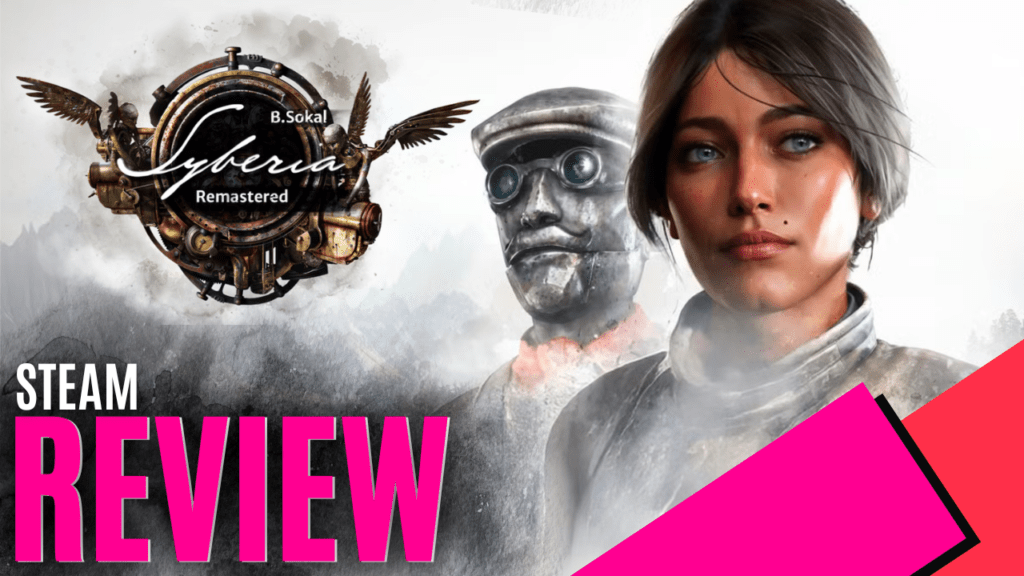
However, some games age because they must. Syberia, on the other hand, aged because the world finally caught up to the kind of quiet, melancholic storytelling it pioneered. Syberia Remastered brings Benoît Sokal’s beloved journey back into focus, restorying an almost-lost art and blending old-world mystery, mechanical whimsy, and a story about change wrapped gently in snow.
This isn’t a modern remake or retake or culturally sensitive redit, it’s a preservation effort. A respectful rebirth designed to make the classic more accessible whilst preserving its soul. But the question we should be asking here is: Does Kate Walker’s strange, delicate journey still resonate in 2025?
Spoiler: It does… mostly.
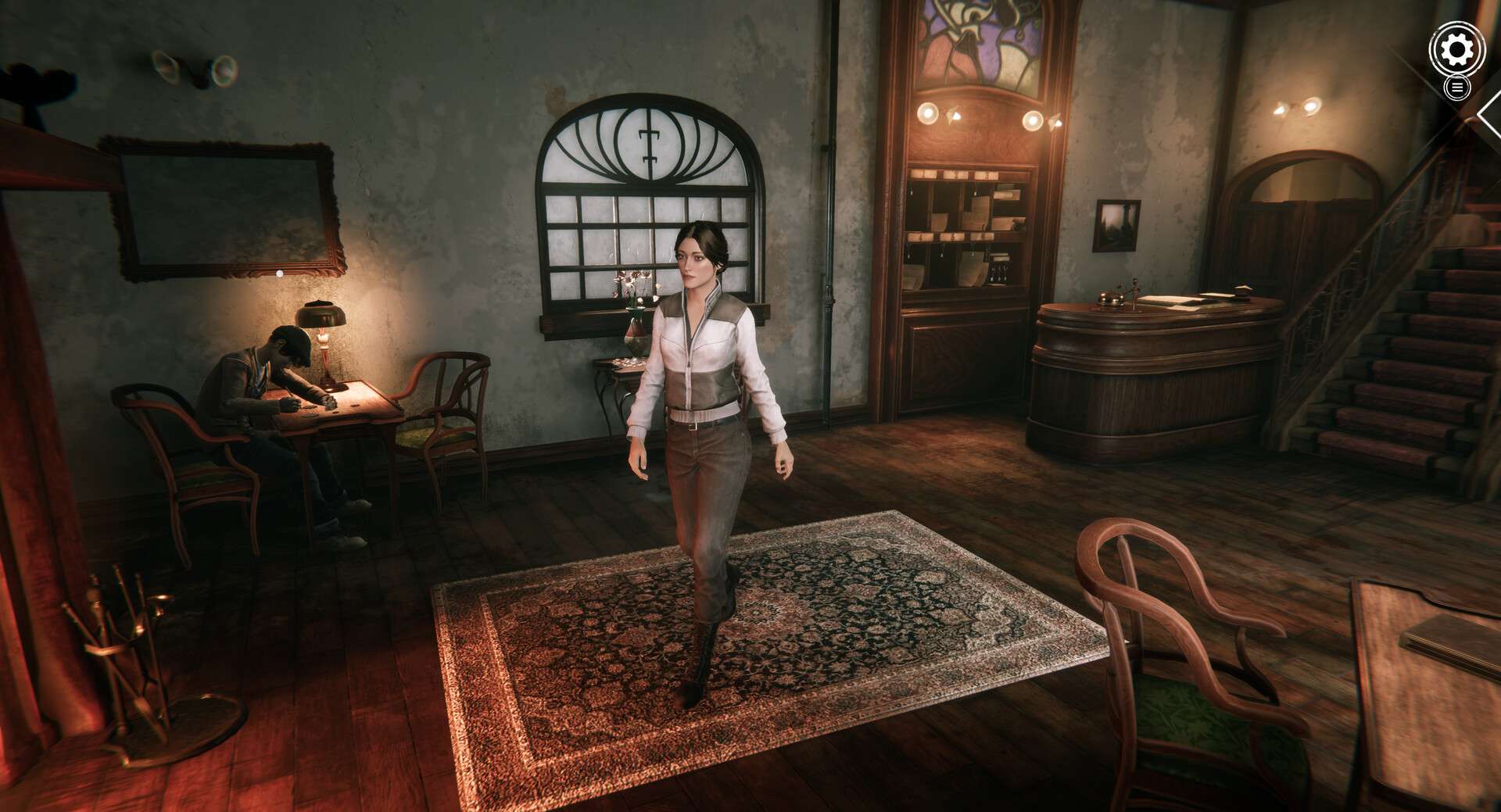
At its core, Syberia Remastered stays loyal to traditional point-and-click design. You guide Kate Walker, a New York-based lawyer, across quaint European towns, abandoned factories, and forgotten mechanical wonders, solving puzzles rooted in logic, observation, and a touch of old-world eccentricity, all to find the new heir to a contractual sale of automaton robots to a toy factory.
Immediately, the remaster improves puzzle clarity by adding cleaner and clearer hotspots, clearer item descriptions, and streamlined interaction prompts. None of this breaks authenticity; it clarifies what is required and reduces the frustration the original occasionally caused.
The pacing remains deliberate. Syberia is a slow burn, not a run-and-gun Tomb Raider-style sprint. Dialogue-heavy sequences still dominate, with puzzles acting as thoughtful breaks rather than constant challenges. As we move from gameplay to controls, the charm lies in the journey itself: following Kate as she unravels a fading dream belonging to a stranger, only to discover her own identity and role in the process.
Before we continue, we at MKAU Gaming strongly urge you to use a controller for this game, as the biggest upgrade is the movement. The original’s fixed-camera tank-like navigation is replaced with smoother click-based pathing and optional direct control using WASD.
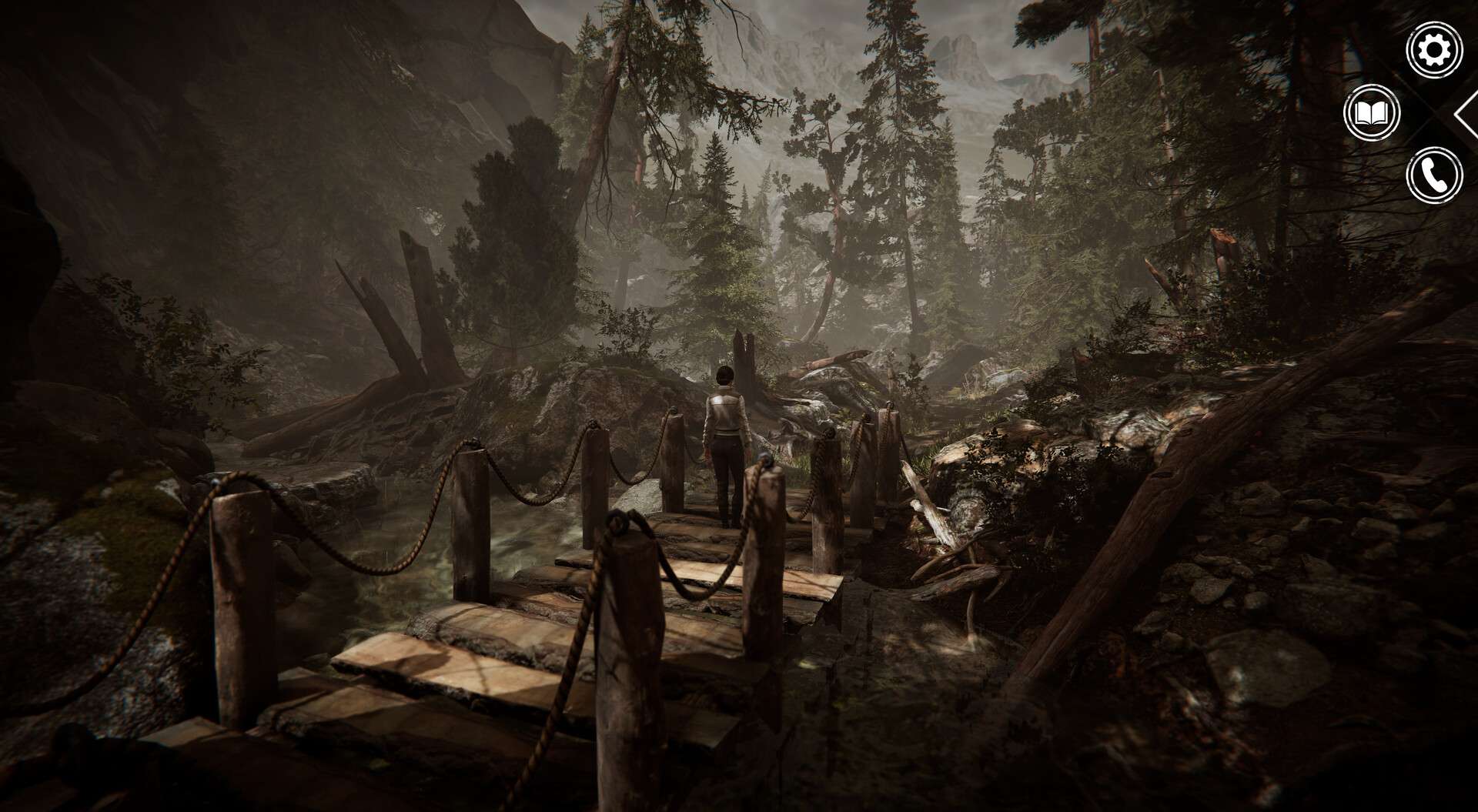
However, on the controller, the extremely dated hold-the-left-click-to-move-and-run is long gone, allowing you to enjoy both the gameplay and the story freely.
Inventory management is cleaner, object combining is less clumsy, and puzzle items highlight more clearly. These interface tweaks encourage you to keep exploring without frustration. Now, let’s consider how the remaster handles the meat of the project: the graphics.
The remaster walks a tightrope: updating textures, lighting, animations, and character models while preserving Sokal’s unique painted aesthetic. Locations now have sharper details: cobblestones, snowy rooftops, and dimly lit inns, but still carry that dreamlike watercolour haze that made Syberia unmistakable.
However, the lighting is the real winner of this remaster upgrade. From flickering machinery to warm café glows, the remastered world feels more alive while maintaining its soft, melancholic atmosphere.
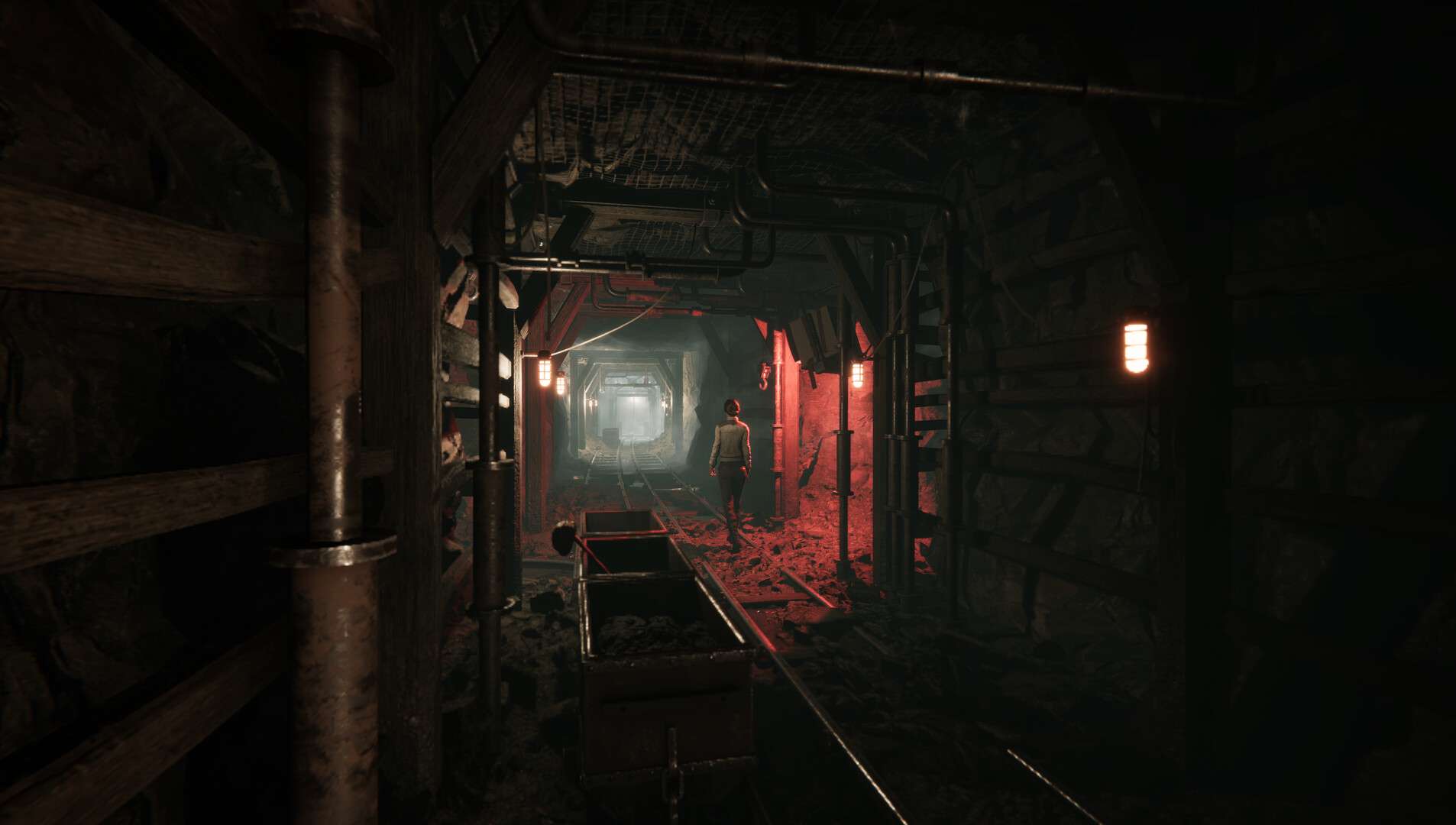
Cutscenes have seemingly been re-rendered at 1080p, but the videos themselves are still their original 2002 graphics. Still, it’s a dramatic improvement over the original while honouring its visual identity.
The soundtrack remains as enchanting as ever: a haunting mix of soft piano, orchestral swells, and melancholy European undertones. Ambient sounds have been remastered too, letting wind, gears, and faint tavern chatter breathe life into each environment.
Voice acting files have been cleaned up and their delivery preserved, so they still carry a charming, slightly stilted tone. It’s part of the game’s DNA at this point: they aren’t imperfect, but heartfelt.
Syberia Remastered is a love letter to one of gaming’s most quietly powerful adventures. It preserves the melancholic magic of the original while smoothing the edges that time has eroded.
For returning fans, it’s the perfect way to revisit Kate Walker’s journey — now more beautiful, more accessible, and more respectful than ever. For newcomers, it’s a piece of gaming history worth experiencing, as long as you’re ready for a reflective, story-first adventure rather than a puzzle gauntlet.

The Good
- A faithful restoration of a classic adventure
- Improved movement and cleaner puzzle interactions
- Beautifully enhanced lighting and textures
- Sound and music remastered with care
The Bad
- Some cutscenes and animations still feel dated
- Slow pacing may not suit everyone
- A few puzzles remain obscure by modern standards
- No major new content or narrative additions




 SuBZeRO2K
 Spotify
 Anchor
 iTunes