Mortal Kombat, the legendary and infamous arcade fighter that’s been shocking the world since its debut in 1992, comes from the creative minds of Ed Boon and John Tobias. The series has seen its highs and lows across various media, but it has remained a pop culture icon throughout its 30-plus-year history. The last mainline game in the series, 2023’s Mortal Kombat 1, was a financial success, but its release between Street Fighter 6 and Tekken 8 left it struggling to maintain momentum in the long term.
Player numbers dropped significantly, DLC support was ceased after only two seasons, and it has already been omitted from major fighting game eSports events. For a long time, fans have been begging for a compilation pack of the classic games that made MK famous, and during the June 2025 State of Play, it finally became a reality thanks to publisher Atari and developer Digital Eclipse.
Five months later, Mortal Kombat: Legacy Kollection has finally been unleashed on Nintendo Switch, Nintendo Switch 2, PlayStation 4|5, Xbox Series X|S, Xbox One, and PC.
This epic kompilation takes the franchise all the way back to the beginning and includes Mortal Kombat, Mortal Kombat II, Mortal Kombat 3, Ultimate Mortal Kombat 3, Ultimate Mortal Kombat 3 Wave Net, Mortal Kombat Trilogy, Mortal Kombat 4, Mortal Kombat Mythologies: Sub-Zero, Mortal Kombat: Special Forces, Mortal Kombat Advance, Mortal Kombat: Deadly Alliance, and Mortal Kombat: Tournament Edition.
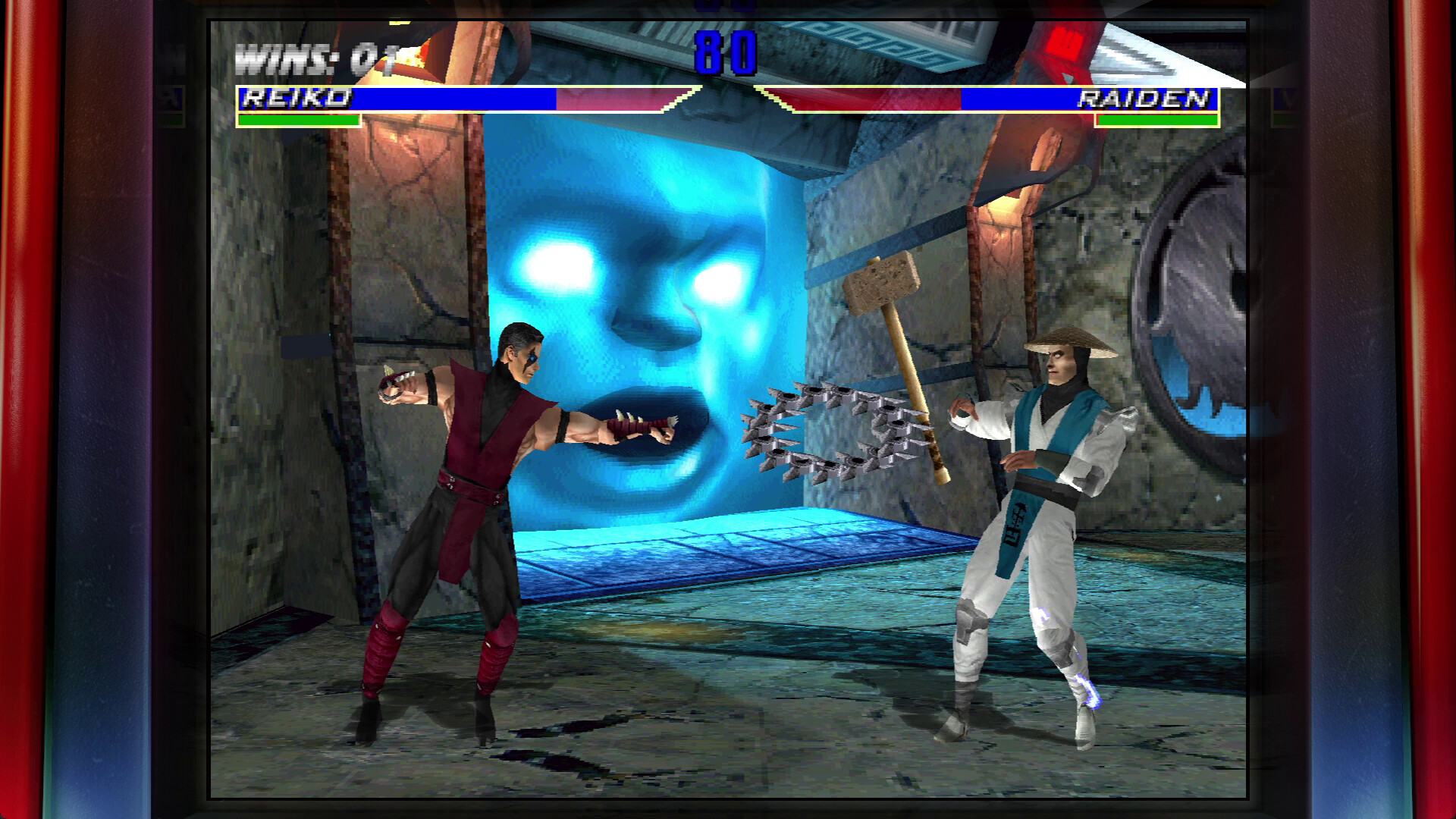
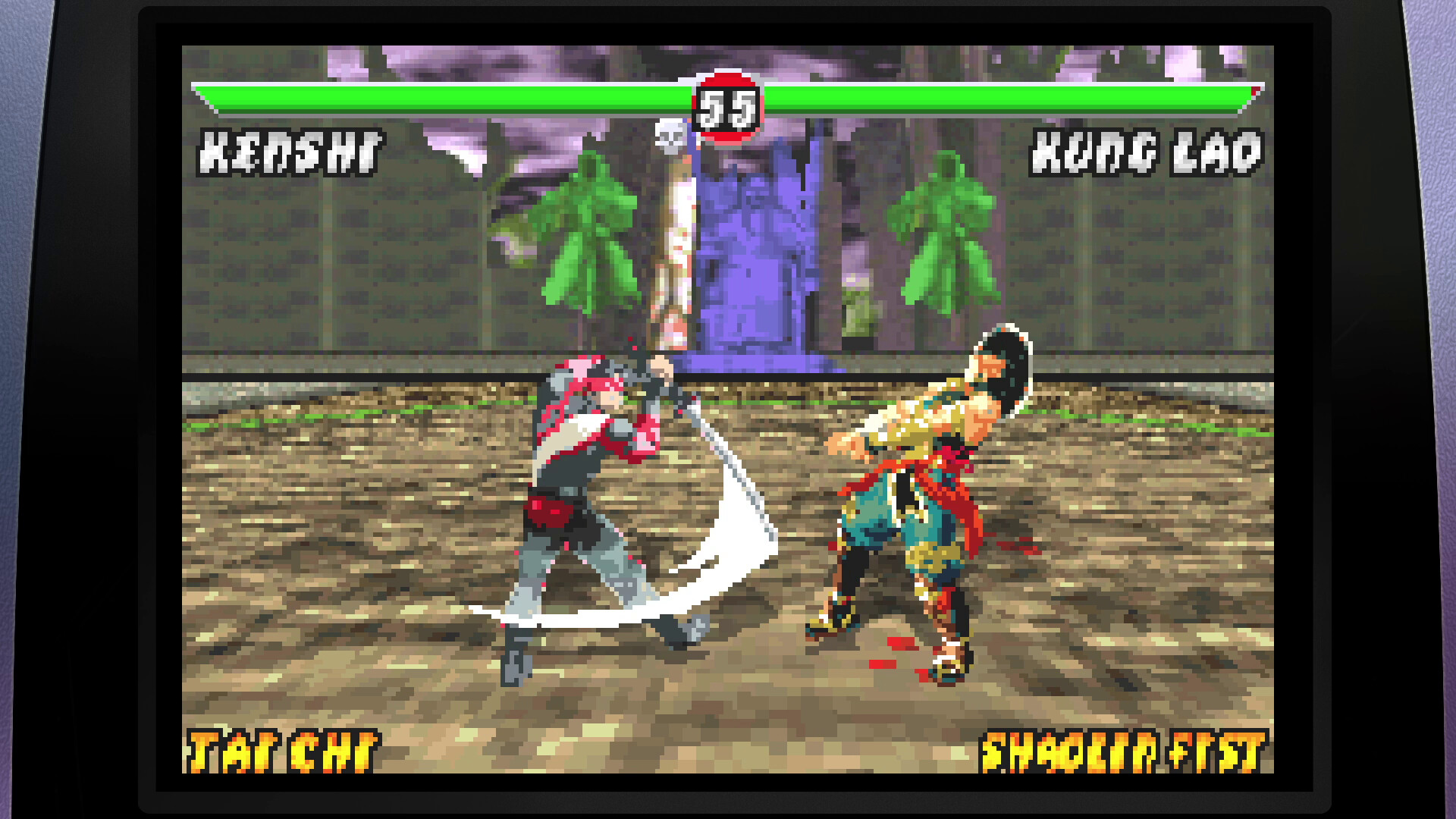
Different versions are also available for many of the games, including the arcade originals and various console and handheld versions such as Nintendo’s SNES, Game Boy and Game Boy Advance, SEGA’s Mega Drive/Genesis, Game Gear and 32X, and Sony’s PlayStation. This brings the total to 22 Mortal Kombat games packed into this kollection.
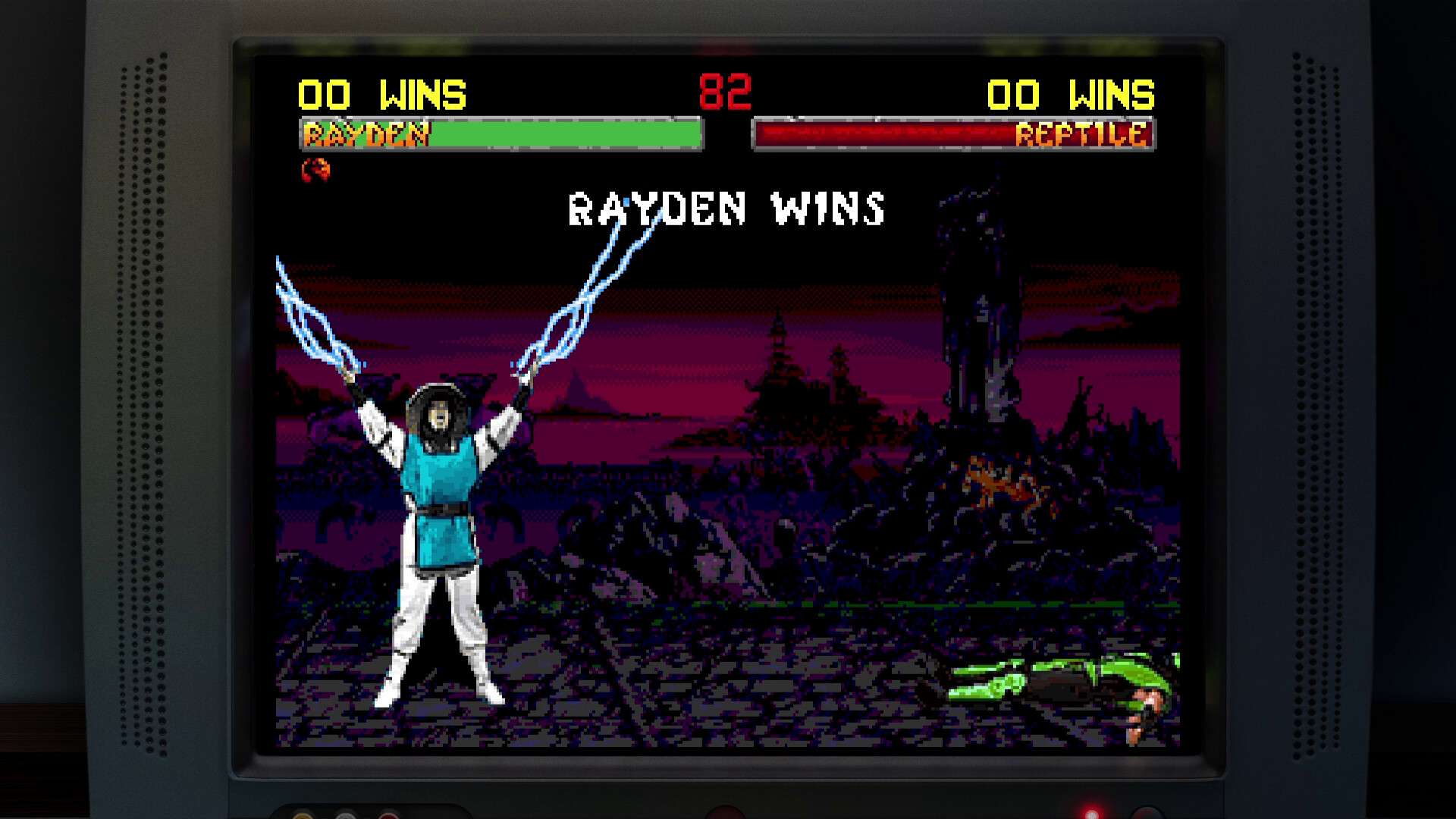
Each game plays just as well (or as badly) as it did on their original hardware. For MK enthusiasts, the arcade originals are, of course, the premiere versions for the mainline games up until Mortal Kombat 4, but it’s interesting to see how each version compares to each other and how they perform on different platforms. Seeing the difference between the arcade, home console, and handheld versions is astounding in terms of graphics, performance, and sound quality.
The original MK game on Mega Drive/Genesis was the more faithful adaptation, as it included blood and fatalities, which were removed in the SNES version, and was another example of “SEGA does what Nintendon’t”.
The SNES version of the highly anticipated sequel, however, proved to be the better version, giving Nintendo the win they needed in this console war. Some of the handheld versions were rough, but others were surprisingly good, even with fewer buttons, and were a good way to play them on the go.
Some console-exclusive games are also included. Mortal Kombat Trilogy was the dream game that couldn’t fit on arcade cabinets due to memory constraints, as it featured every character from the first three games, including the bosses.
Mortal Kombat Mythologies: Sub-Zero was the first non-fighting MK game, instead being a 2D side-scrolling action adventure with Sub-Zero as the main protagonist and featuring full live-action cutscenes, and even though the gameplay can be beyond frustrating, especially its platforming, it was still an ambitious game that diehard MK fans still look back on fondly.
Mortal Kombat: Special Forces is a 3D action adventure with Jax as the main protagonist, and even though it’s one of the worst games of all time, it’s still a part of MK history, and we’re glad to see it included.
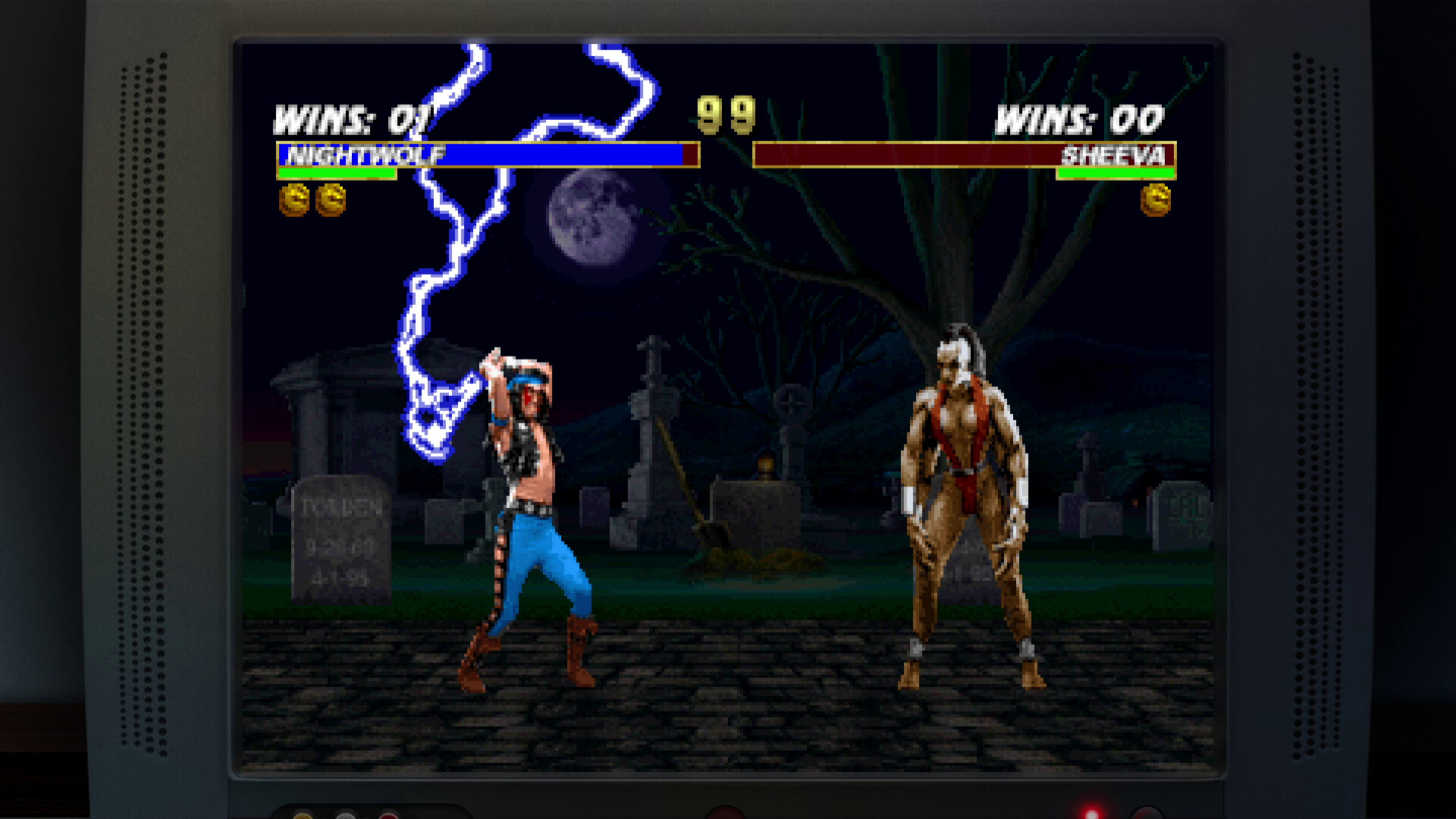
Another exciting aspect of this kollection is the inclusion of online play for the arcade versions and their home console ports, as well as Mortal Kombat Trilogy. The game features rollback netcode, which is a must for the fighting genre, but in my experience, online play has been very hit-and-miss.
Playing against someone closer to home feels fantastic with no noticeable lag, but it struggles a lot when matched with someone further across the world. Other fighting games have proven to still have solid connections even when facing someone from other countries, so hopefully the online play can be improved in future updates.
Players can do Quick Matches to get straight into an online match, but it can only be done per game. Capcom has released various compilations of its fighting titles, allowing players to set their preferred games and play them against more opponents, rather than being restricted to a single game. Hopefully, this feature can also be added to Mortal Kombat: Legacy Kollection, as there does seem to be a lot of players online, but if you’re waiting for a match in one game, there might be more players waiting in a different game, and you can’t see which game has more players.
Thankfully, online lobbies were recently added, and players can find a list and choose their preferred game from what’s available. Unfortunately, another drawback is that there is no crossplay between all the platforms.
There is cross-gen play, so players can match up between PlayStation 4 and PlayStation 5, Switch and Switch 2, and Xbox One and Xbox Series X|S, but the different brands can’t link together. This heavily limits the number of online opponents and is a real missed opportunity. It’s great to see so many of these MK games get online play for the first time, but there are many issues that need to be addressed.
On top of all the klassic games included, the Krypt takes us on a big epic trip down memory lane. Players can read the original lore of Mortal Kombat, view all the character sprites and models from each game, and listen to all the music from the main games, plus some remixes. Players can also create a playlist of their favourite tracks to enjoy while navigating through the menus or waiting for online matches.
The biggest attraction of the Krypt is the Documentary, which provides a serious deep dive into the history of the Mortal Kombat franchise. Here is where you can watch interviews with Ed Boon, John Tobias, Dan Forden, and John Vogel, who created the original game, as well as digitised actors, gaming journalists, die-hard fans, internet personalities, and more. There are various short videos, mostly around six minutes long, concept sketches, rough sketches, notes, unused character concepts, TV commercials, footage from news programs discussing the controversial violence, and even the full 28-minute documentary VHS from 1995 titled, Into the Outworld.
There are many fun things to learn, like why the word ‘combat’ was spelled with a K, the origin of “Toasty!”, design choices, the humble beginnings of each member of the original team, and what game development looked like in the 90s and the transition to 3D graphics. There is also never-before-seen behind-the-scenes footage of the older games, unused character sprite animations cut from the games, full comic books with every page, and almost every single game is discussed, and how they impacted the franchise, for better or for worse. The original models of Goro, Kintaro, Sheeva, and Motaro can be viewed too, with different angles and close-ups, and how they look now after all the wear and tear.
The Documentary is set out like a timeline, so everything mentioned above can be viewed in chronological order, with information displayed to explain the context and some fun trivia too. Certain things get only a brief mention, like the feature films, toy line, and a few of the games, which is a shame because we would like to hear more about them.
Even if some obscure pieces of MK history were left out, there is already so much content packed into this massive kollection. All the videos together are around 3 hours long, and to see and admire every single thing included, it can take a whole day to get through. No MK fan is komplaining about it. Overall, this documentary feels like a digital museum dedicated to Mortal Kombat.
Of course, we would love to have seen more games included, such as the Nintendo 64 versions of some games, just for the experience and to play as Khameleon, Mortal Kombat Gold, which reportedly was supposed to be included but had technical issues due to the Dreamcast’s hardware, plus other handheld games.
Digital Eclipse has stated that the door is open for more games to possibly be included in the future, so hopefully, we will see the games mentioned above, plus maybe even Deadly Alliance, Deception, and Armageddon from the early 2000s era, especially since both Game Boy Advance versions of Deadly Alliance were included. Mortal Kombat: Shaolin Monks has been highly sought after for over 10 years and would be a welcome addition. Only time will tell if these games will get a second life on modern consoles, either as DLC or in a separate kollection.
Aside from the next film adaptation due out in May 2026, we don’t know what the future holds for Mortal Kombat, especially with Netflix’s recent acquisition of Warner Bros., but this kollection has more than enough to hold us over. It’s more than just a kompilation of klassic Mortal Kombat games with some lesser-known titles mixed in; it is a full-on tour of the rich history of Mortal Kombat, celebrating its successes and not shying away from its low points either.
Even with its faults, this epic kollection gets so much right to make it well worth the purchase. For all the fans across Earthrealm and Outworld, Mortal Kombat: Legacy Kollection is an absolute must-own!

The Good
- 22 Mortal Kombat games included
- Serious deep dive into the history of MK
- Different versions of the main games from arcade, home console, and handheld devices
- Features online play
- Hours upon hours of interviews, archive footage, behind the scenes, concepts, unused assets, and more
The Bad
- No crossplay
- Quick Matches are restricted to one chosen game
- Some games were left out (for now)




 SuBZeRO2K
 Spotify
 Anchor
 iTunes