Published by Koei Tecmo and developed by Team Ninja, the Nioh series debuted in 2017 and received critical acclaim, and the prequel game, 2020’s Nioh 2, carried that momentum even further and improved the gameplay. They’re best described as Soulslike games due to their intense, challenging, and punishing gameplay. In 2026, the franchise evolves further, entering the open-world genre with Nioh 3, now available on PlayStation 5 and PC.
In 1622, Edo Castle stands on the brink of Tokugawa Takechiyo’s imminent appointment as the next shogun. Takechiyo’s younger brother, Tokugawa Kunimatsu, consumed by hatred toward his brother’s succession, falls into darkness. Empowered by a sinister force, he leads a horde of yokai in a fierce assault against Takechiyo. The era of peace suddenly turns into hell, and in dire straits, Takechiyo transcends time to change fate and save Japan through the mysterious power of his guardian spirit, Kusanagi.
The first and biggest change is, of course, the series transitioning into an open-world format. In the first two Nioh games, players would select any available mission on a map, complete it, and return to the map for the next mission. In Nioh 3, players can now explore an open world to initiate missions, side quests, battle random enemies, find hidden areas and secrets, and even just admire the scenery.
Even with the transition to an open world game, Nioh 3 retains everything else from the previous games, adds to them, and now the game has a jump button, a necessity for exploring an open world. Fans of the games will feel right at home with the gameplay, combat and levelling up system, even with some subtle changes and additions.
Players take control of Tokugawa Takechiyo, who, before beginning the story, can customise their appearance. They can make them either male or female and modify their hairstyle, skin colour, physique, tattoos, and more. They’re not restricted to being only Japanese either, allowing players to make them any race they want. They’ll have both a samurai and a ninja outfit at the beginning, but can attain new armour, outfits, and weapons as they progress through the game and customise Takechiyo.
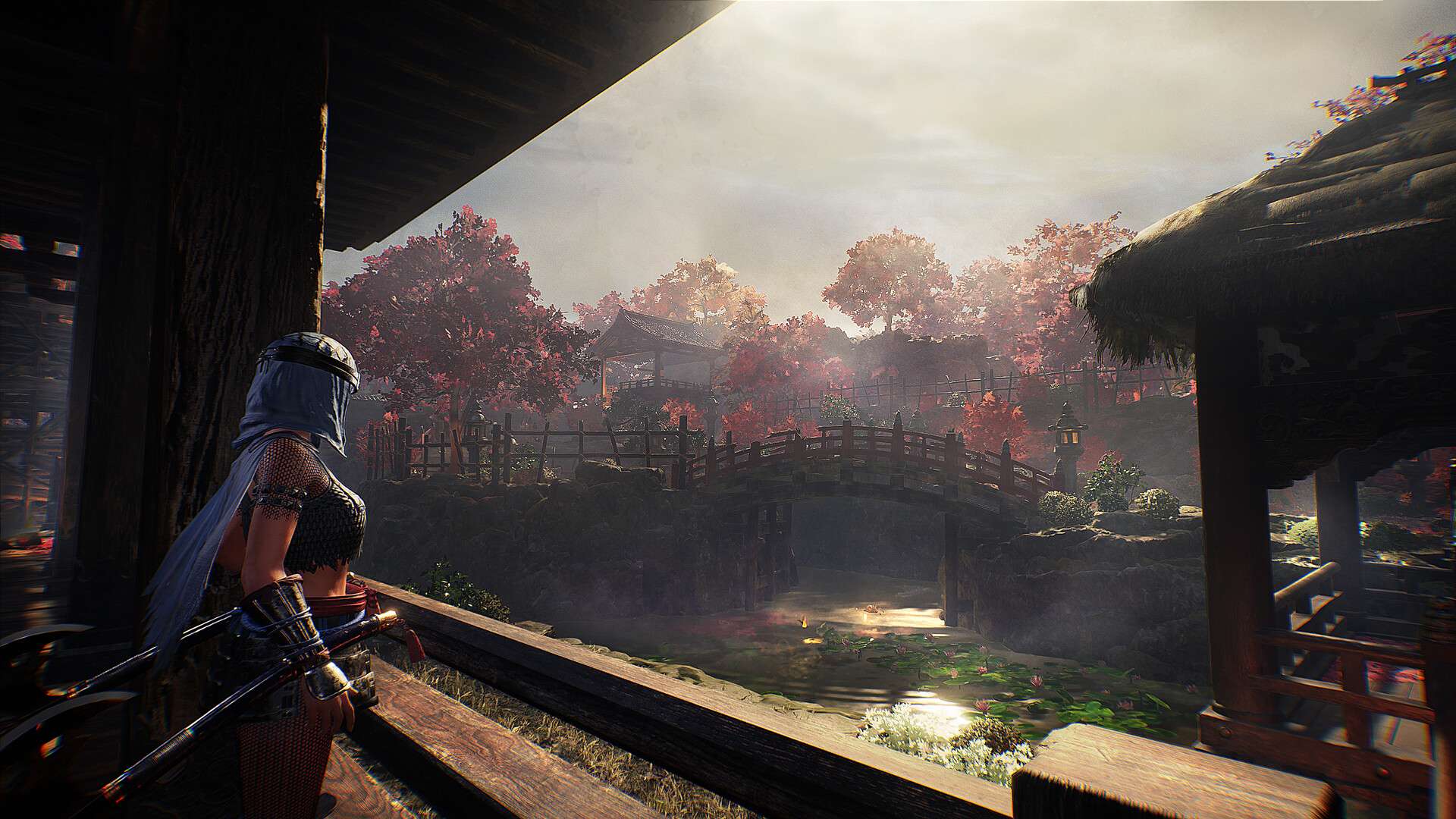
The latest game allows you to play as Takechiyo as either a Samurai or Ninja, each with different moves, abilities and weapons, and can be switched anytime at the press of a button. The Samurai Style takes a more grounded and defensive approach, retaining the classic Ki Pulse mechanic and three-stance system for technical combat, ideal for head-on encounters where blocking and deflecting are key. Ninja Style prioritises mobility and evasion, replacing stances with Ninjutsu shortcuts and trading the Ki Pulse for a new mechanic called Mist, allowing Takechiyo to create a decoy/clone to distract enemies while he dashes behind them.
Both styles have their advantages and disadvantages, so players can decide which style suits them best or switch between them depending on the situation, and it’s possible to play the entire game in one style. The overall combat is fluid, responsive, and aggressive, much like other Koei Tecmo games like Dynasty Warriors and Ninja Gaiden.
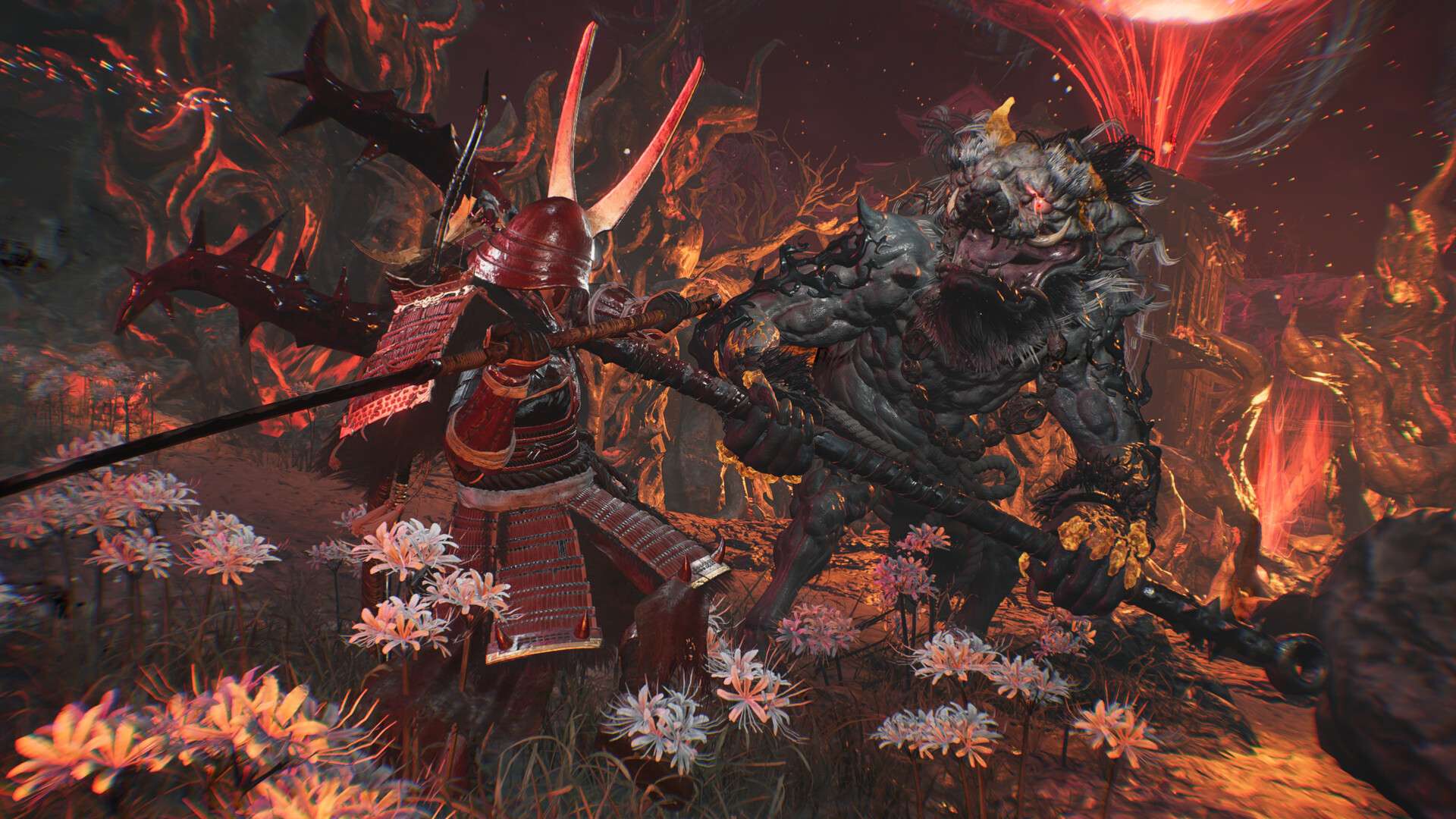
Enemies in Nioh 3 are not to be taken lightly, and not even the weakest will go down easily. There are a variety of enemy types from enemy samurai living or undead to demons, beasts and monsters based on Japanese mythology in various shapes and sizes who will surely keep players on their toes, and the boss battles are truly something to behold. Assassinating enemies is recommended when possible, which helps reduce the number of enemies to battle if spotted or at least reduce some of their health, but most times you will have to face them head-on, and it is not easy. Upgrading armour and boosting stats is essential to succeeding in this game.
Being a Soulslike game, Nioh is not casual-friendly at all, requiring players to be focused, determined, and aware of their surroundings and where each enemy is. Just like the first two Nioh games and other Soulslike games, Nioh 3 doesn’t have a difficulty setting, and the game can only be played as it is. This can deter potential new fans who just want to unwind and enjoy the game, but being an unapologetically difficult game is part of its appeal and why certain players are drawn to Soulslike games, as they feel extra rewarding for those who can conquer them, and Nioh 3 is no different.
Nioh 3 brings back online co-op play, allowing a second player to join during a mission and assist you, or you can join and assist another player who might need help. Playing with another person adds to the fun, and in my experience, the online gameplay has been smooth with no noticeable lag. Matching up with another player sometimes took a while, but I was playing this during the review period, so as long as there are many players online after the official launch, matching up with someone shouldn’t be an issue. Unfortunately, there is no crossplay between PlayStation 5 and PC, meaning you’ll only be able to match up with players on the same platform, reducing the number of people to pair up with.
The transition into an open-world game, rather than doing single missions, might sound overwhelming at first, but it feels like a natural and necessary evolution for the series. When not in a gruelling battle, exploring the open world can be fun and relaxing, with so much to see and discover. Sometimes the best moments are when you’re not actively going to the next mission or side quest and just take the time to look around. It’s also a great way to find hidden treasures such as amour, weapons, and other items in abandoned villages, forests, mountains, caves, and more.
Exploring also allows players to slow down to admire their surroundings. Even if the villages have seen better days, the breathtaking landscapes and interior caves are worth seeing and appreciated. The game’s graphics are its best yet, from character details, outfits, and environments, all looking amazing in motion at a smooth 60 FPS, assuming the user’s hardware can handle it; it still looks solid at 30 FPS if players need to prioritise performance over graphics.
The game’s soundtrack, composed by Akihiro Manabe, features mainly deep orchestral sounds mixed with some traditional Japanese folk music and can be heard mainly during the main battles and in cutscenes. The cutscenes also help showcase the game’s impressive graphics and animation, but the acting overall feels bland and uninspiring, which is a common trait in Koei Tecmo games. It’s not the worst around, but there aren’t many moments that will stick out when the characters are just conversing. Despite this, seeing your created character in any cutscene is always satisfying, whether they’re interacting with other characters or in an action sequence, which are the best and most exciting parts of any cutscene that has them.
The game features Japanese and English audio, with subtitles available in more languages. It is best played with Japanese audio, which feels more authentic to the game’s style and presentation. The English voice acting isn’t terrible, and there are some decent performances, but the British accents don’t suit the characters, especially given that it’s set in Japan between the 1600s and 1800s. Ghost of Tsushima and Ghost of Yōtei also feature English voices with Japanese accents, which feel more natural. The English voices in Nioh 3 and its predecessors just feel generic and out of place.
The latest Nioh game goes above and beyond to make it its best yet. The transition into an open-world game feels natural and gives you plenty to do when not in an intense and gruelling battle. The visuals are breathtaking, and the animation is smooth and fluid, immersing you in its world. The action-packed and unapologetically difficult battles are where the game truly shines, testing your skills and reflexes. Even with its faults, they’re easily forgiven with everything it gets right and improves upon from the previous two games. Nioh 3 is easily the best in the series and an incredibly rewarding experience.

The Good
- Natural transition into an open-world game
- Gruelling, intense and unapologetically difficult battles
- Open-world format provides more to do, explore and discover
- Breathtaking visuals and fluid animation
- Online co-op adds to the fun
The Bad
- No difficulty setting
- No crossplay
- Acting during cutscenes feels bland and uninspiring
- English voices feel out of place with the British accents




 SuBZeRO2K
 Spotify
 Anchor
 iTunes