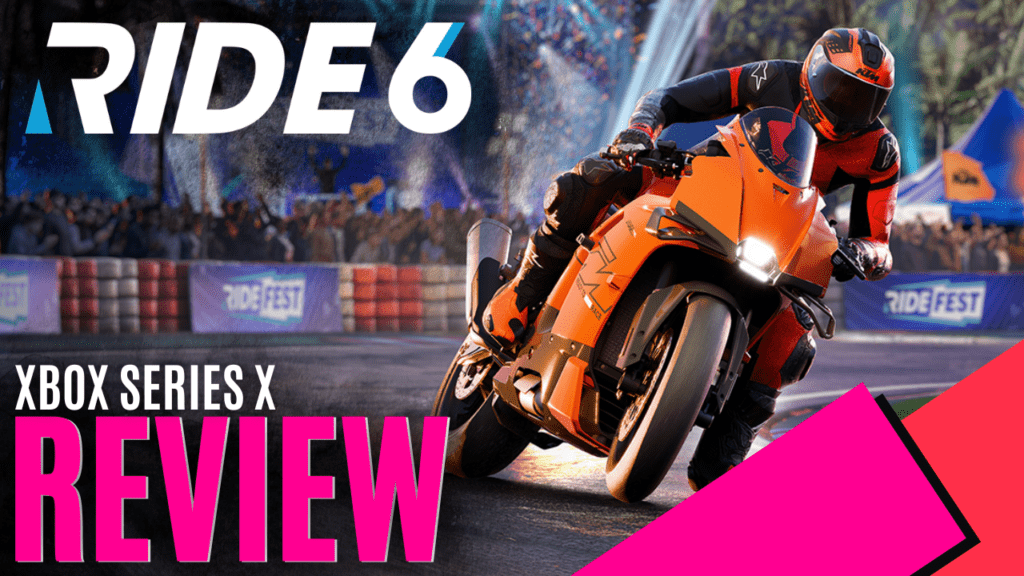
If you have ever ridden a motorbike before, you will know there is a certain rush that only a motorcycle can deliver, the split second when the throttle is wide open, the world starts to blur a little. One mistake can mean asphalt or dirt becomes your worst enemy. ‘RIDE 6’ arrives with that familiar promise in mind with speed, precision and pride, inviting players to live out their biker fantasy with the throttle wide open.
Developed and published by Milestone S.R.L., the long-running masters of motorcycle simulation return with the most ambitious entry to the series. RIDE 6 blends raw mechanical passion with a competitive spectacle. From legendary machines to modern beasts, RIDE 6 isn’t just about racing; it’s about building your identity and proving you belong among the best.
RIDE 6 doesn’t attempt to tell a traditional story, instead it frames an experience around the broader culture and history of motorcycle racing. The game positions you as a rider progressing through a vast motorsports ecosystem, where you build your identity based on performance, discipline and mechanical understanding. There are no central characters or dramatic arcs to follow; instead, the sense of progression comes from pushing the bike to its limits. Where there is more or less no plot, it fits the simulation-focused design, providing context without pulling attention away from pulling that throttle wide open.
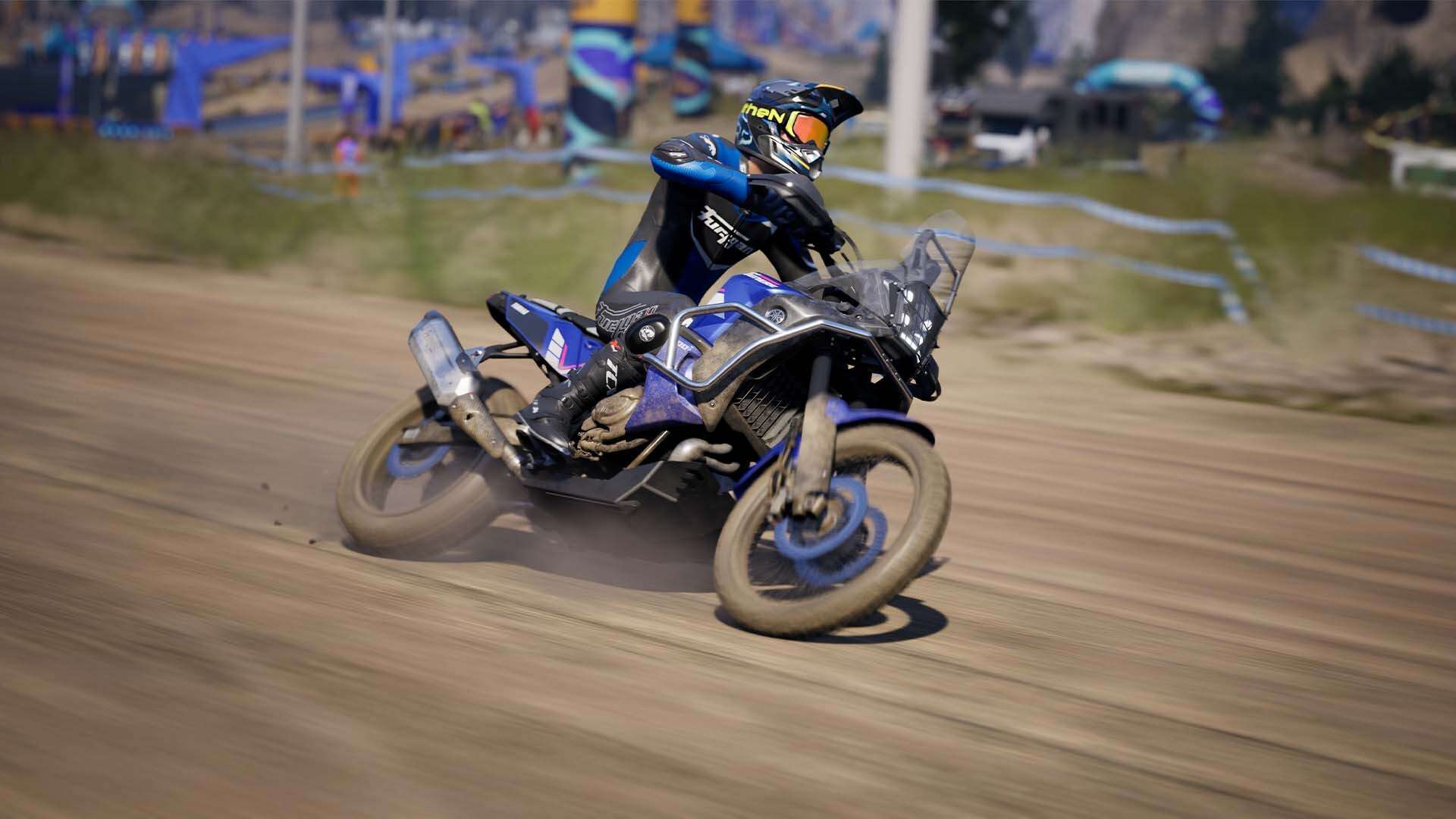
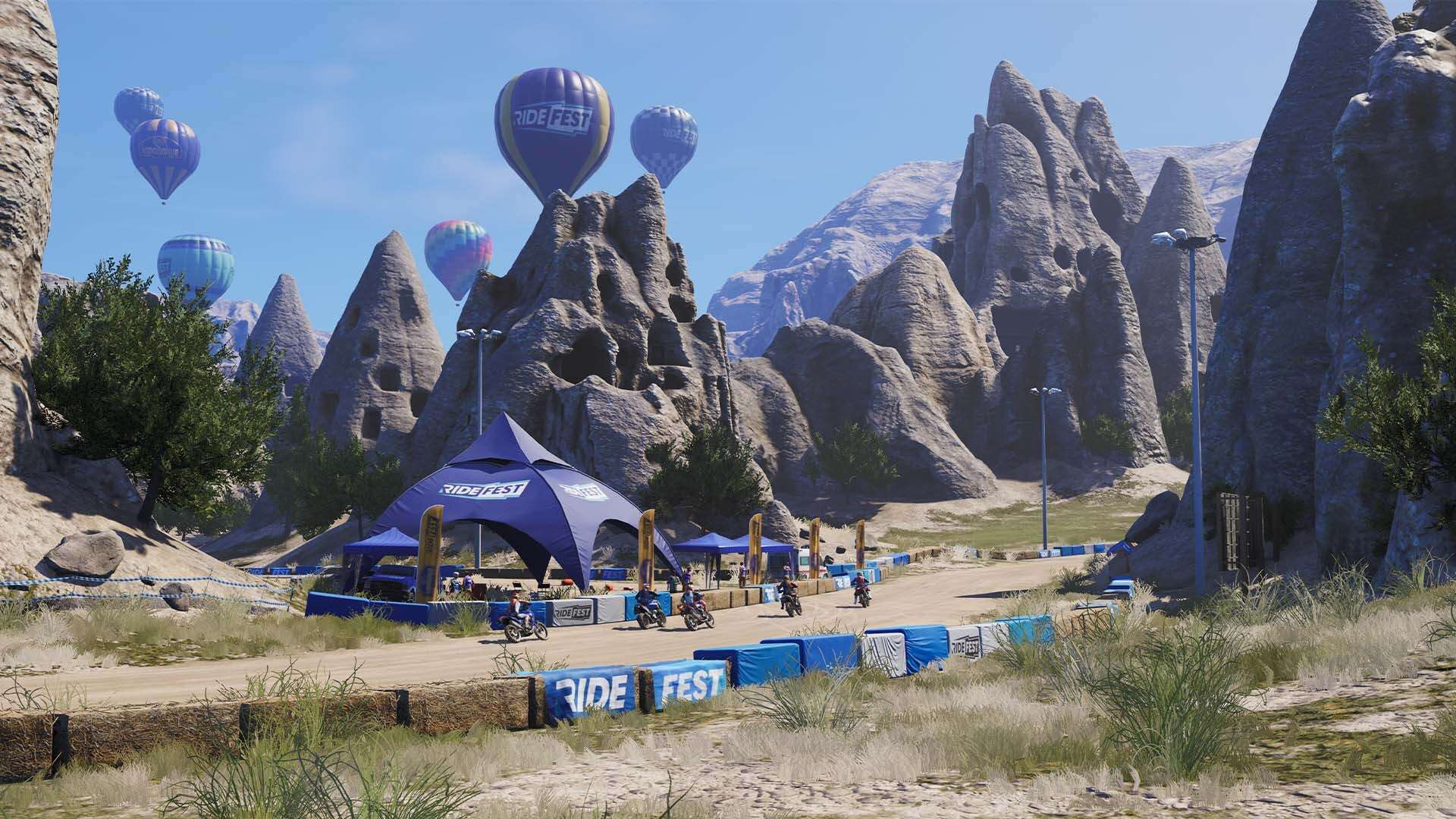
RIDE 6 is supported by 10 years of series history, which has allowed Milestone to deliver the most content-rich entry yet, which features 340+ motorcycles from 21 real-world manufacturers across seven different bike categories, from Baggers to scooters and even road bikes. The track roster is equally expansive, with 45 real-world and fictional locations to push the limits of the motorcycles and not all locations are straightforward circuits.
You have road tracks, kart tracks, dirt tracks and off-road through the bush. It’s powered by Unreal Engine 5, which has allowed the developers to improve physics, more responsive controls, adaptive AI, enhanced visuals and improved feedback with controls. The results aren’t just another story-based title but a motorcycle journey.
If you’re a die-hard fan of the RIDE series, it still continues to walk the line between hardcore simulation and accessibility, offering a gameplay experience that can be tailored to a wider range of players. At the game’s core, you have a modular physics system which has been designed to reward precision, braking control and corner discipline for those seeking realism, while still allowing newcomers to ease in without being overwhelmed.
The handling model feels deliberate and weighty, particularly at higher speeds, reinforcing the importance of rider input and bike setup rather than forgiving arcade-style gameplay. This flexibility in the game is delivered through two distinct experiences: Pro and Arcade.
Pro mode leans heavily into simulation, demanding careful throttle control, realistic braking, and an understanding of each bike’s unique behaviour. Arcade mode simplifies these complexities, offering a more approachable experience for players unfamiliar with motorcycle or racing games. Importantly, RIDE 6 allows players to switch between these modes at almost any time outside of an active race, making experimentation seamless.
Additional riding aids can also be adjusted independently, giving players fine control over difficulty and realism. The result is a gameplay system that respects experienced riders while remaining inviting to newcomers, without forcing either group into a one-size-fits-all experience.
RideFest, the new career mode at the heart of RIDE 6, is where Milestone finally steps away from the rigid progression system and delivers something that really feels more authentic and rider-driven. It’s framed as a sprawling motorcycle festival, with it allowing you to create your rider and then carve your own path through a new, freely navigable career, choosing disciplines, events and rivalries based on preference.
There is over 30 hours worth of content on offer, with the progression being handled through Fame Points, which you earn from completing events. I loved the new structure because you didn’t feel like you had one choice, you had freedom to select what you wanted and race what you wanted.
Where RideFest truly stood out to me was the Boss Chapters, which puts you against 10 real-world motorcycling legends, each representing different categories and riding styles. You might recognise names like famous Australians Casey Stoner or Troy Bayliss, or you can adventure overseas with the likes of Peter Hickman, Guy Martin or Ian Hutchinson, and these are just cameos in the game as names; there are actual skill checks demanding you to ride that bike to its full potential, or you will come off second best.
The encounters with the legends break up the standard events and add more or less a milestone event to the career mode, which was a nice addition. RideFest does not reinvent the career mode, but it does give you a choice while still delivering structured, high-stakes moments.
The Bridgestone Riding School acts as RIDE 6’s onboarding and skill-refinement mode, which is designed to teach both newcomers and experienced players the fundamentals of high-level riding, and it’s something I would recommend doing before even starting any other mod,e as it really teaches you how you can push the bike to the limits and not end up coming off it. There is a structured series of challenges you need to complete, and you’re introduced to core elements of the game such as braking control, cornering lines, throttle management and weight transfer and rather than throwing you in the deep end with a dense tutorial, it focuses on practical application, encouraging repetition and improvement.
The game still delivers a solid range of traditional racing modes if you want to jump on for a quicker session. You have Quick Race and Time Attack, which provide access to the core riding mechanics, allowing you to fine-tune bike choice and track selection, with Time Attack also being supported by online leaderboards for those people who are a little more competitive in how they play the game and want to make a name for themselves amongst the best.
Endurance mode also adds a welcome layer of intensity to the game, focusing more on consistency and concentration of an extended session. The developers aren’t pulling back any of the punches with this entry, as multiplayer is not confirmed with full cross-play across PlayStation 5, Xbox Series X|S and PC, ensuring you will never be stuck trying to find a racing session.
You can call me old-fashioned, but when I see a game that still has split-screen as an option is scratches a little itch and brings back some core memories, adding that core social element to the game when you’re sitting around the TV with some mates. Some of these features will be available post-day-one release.
If you are the complete opposite of me and like having some creative freedom, the developers have not forgotten about you, as the game allows the customisation of helmets, bikes and racing suits with a level of detail that far surpasses my stick man drawings. The customisation does not impact the performance, but it does add a sense of ownership and identity to your gaming experience.
If you are that well inclined, you could spend hours fine-tuning liveries and gear, while casual riders can simply browse and adopt community designs, so if someone wants to make some MKAU gear, feel free. The game also supports some extensive cosmetic customisation to the bikes, such as removing mirrors to upgrading your exhaust system, down to adjusting the tyre treads or changing rims. It really tailored the experience to make the bike your own and not make it some generic thing everyone can purchase and ride.
RIDE 6 offers a versatile control system that balances realism and accessibility, allowing players to tailor their experience through Pro and Arcade modes. In Pro mode, the bikes feel weighty and precise, with throttle, braking and steering really demanding careful input, while Arcade mode simplifies these complexities for a more approachable ride. Visual and haptic feedback helps anticipate things like slides, corners and the occasional crash.
There are some great adjustable aids, including one-hand controls, ensuring newcomers to the series aren’t super overwhelmed. The only real shortcoming is with the Baggers, which don’t quite behave like their real-world counterparts; in reality, you can’t lean them as far over as the game allows without scraping metal or seeing sparks come from underneath the bike, and it would have been nice to adjust how you handle those, as you would need some more cautious precision. Despite this, the controls remain responsive and adaptable, giving both veterans and casual riders a satisfying sense of control and skilful riding across the full catalogue of bikes.
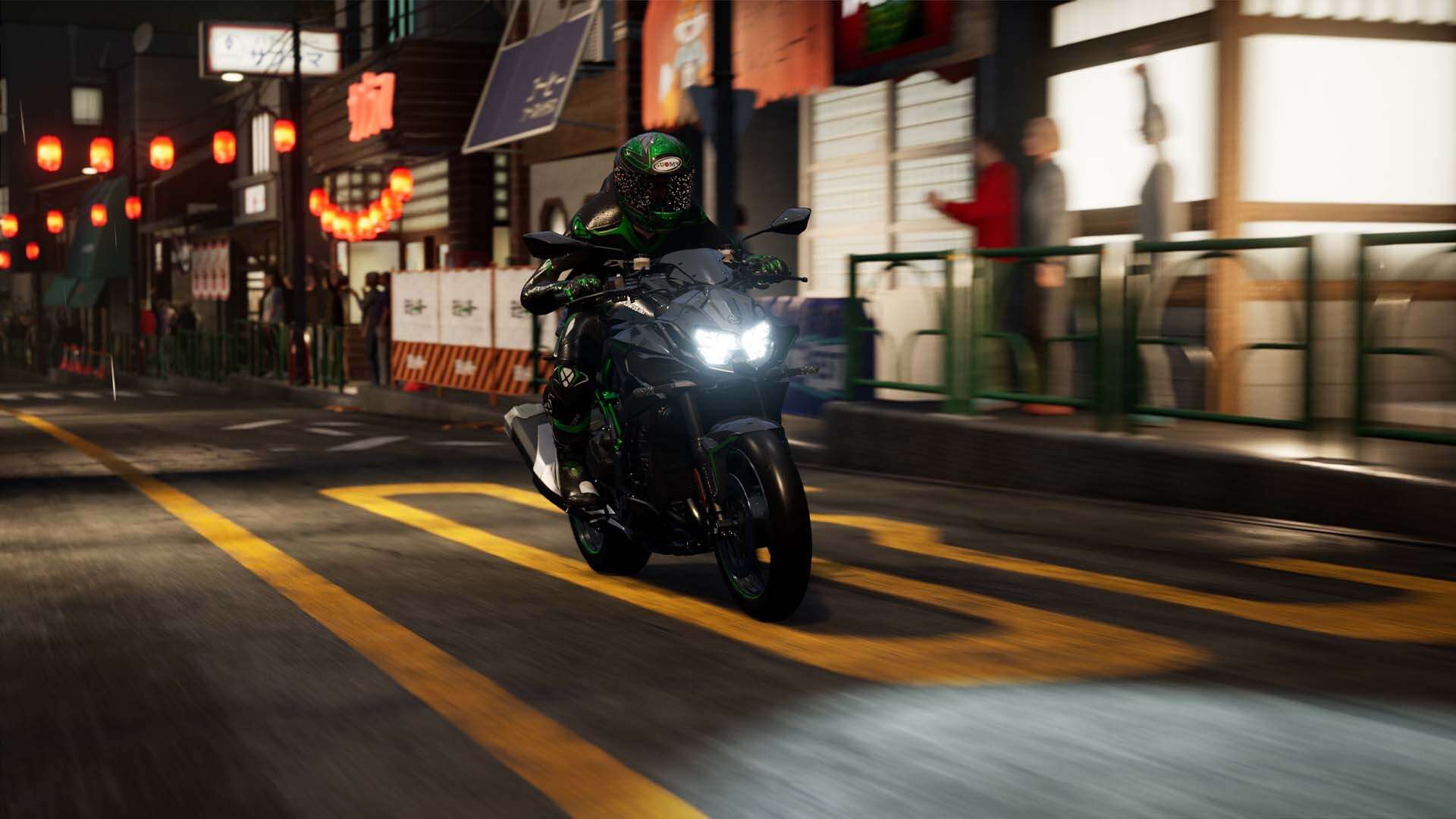
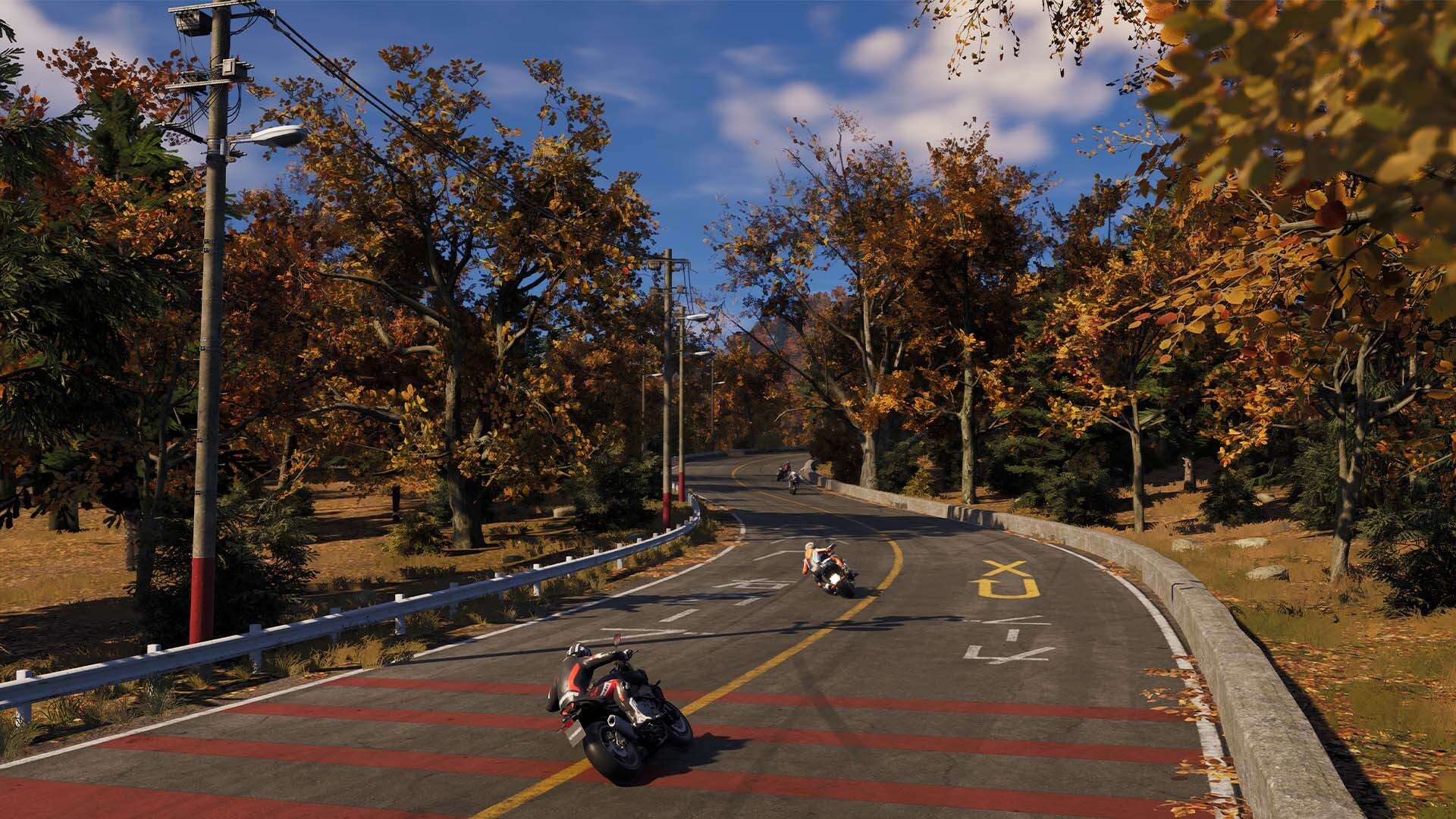
The RIDE series has always delivered a realistic and polished visual experience, and this entry is no exception to that rule. There is a real emphasis on the contrast between asphalt, dirt and the liveries on the motorcycles. Tracks are detailed and varied, from sunlit circuits to winding road courses to the outdoor trails littered with trees. I would have liked to see a little more detail in the visible dirt degradation over the laps and maybe a little more detail put into the dirt, but most of the time you’re going that quick, you barely notice it would have just added that slight bit more of realism to the game. The weather effects and dynamic lighting further enhance the atmosphere, helping immerse you in each ride. The visuals aren’t flashy or stylised, but they suit the simulation-focused feel down to the ground.
There is something special about sitting on the back of a Ducati and being able to hear a bag full of marbles in a washing machine, and for anyone who does not understand that reference, Ducati runs a dry sump, so it sounds horrendous on idle, but the deep rumble of the exhaust makes up for that. The engine notes, the tyres screeching, really build a sense of speed and immersion.
Each bike has its own distinct engine tone, and the subtle differences in the bikes are so noticeable, from the deep growl of the Baggers to the high-rev howling of the sports bike, making all the bikes feel unique. I was a massive fan of the environmental noises as well, from the roar of the wind against the bike to the sound when you hit the gravel, down to the echo of the bikes on the indoor tracks. Everything sounded polished. It made the game really feel alive.
RIDE 6 is a love letter for motorcycle enthusiasts, balancing deep simulation with accessibility in a way that appeals to both veterans and newcomers. With over 340 bikes, diverse tracks, realistic physics and extensive customisation, it delivers a sense of identity and ownership rarely seen in racing games. The visuals, audio and control responsiveness all reinforce the thrill of high-speed riding, while optional modes like Pro, Arcade and Riding School ensure players of all skills can enjoy the game. In short, RIDE 6 is more than a racing game; it’s a celebration of motorcycle culture that successfully captures the rush of the ride.

The Good
- Massive Roster: 340+ motorcycles across 21 manufacturers and 7 categories
- Diverse tracks: 45 real and fictional locations
- Realistic and adaptable physics with pro and arcade modes
- Excellent sound design and engine fidelity
- Full cross-play multiplayer and split-screen support
- Riding school provides great onboarding for newcomers
- Extensive bike and rider customisation, including performance
The Bad
- Baggers didn’t feel like they reflected real-world leaning limitiaons
- Minor missed opportunities in dirt track details




 SuBZeRO2K
 Spotify
 Anchor
 iTunes