The Yakuza/Like a Dragon series has been one of SEGA’s premier franchises since 2005, developed by Ryu Ga Gotoku Studio, but didn’t truly find its footing in the west until 2015 with the release of the prequel game, Yakuza 0. There was certainly a fan base in the West, but many weren’t aware of the franchise. This all changed when SEGA put more effort into marketing, and Yakuza 0 became the perfect starting point for newcomers to get into the games.
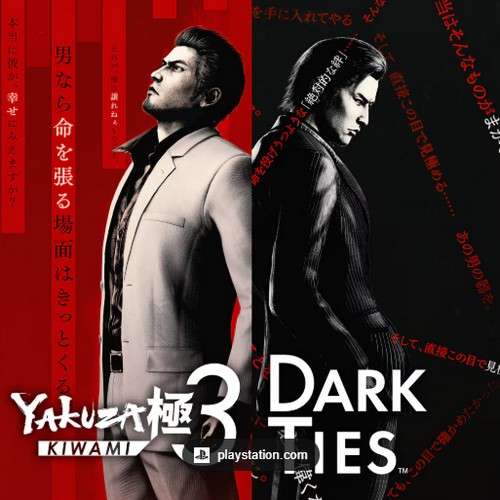
This led to Yakuza Kiwami in 2016 and Yakuza Kiwami 2 in 2017. The two Kiwami games were full remakes of the original two games with modern graphics, control schemes and additional missions and stories, and now 2009’s Yakuza 3 gets the Kiwami treatment plus a separate bonus game. Yakuza Kiwami 3 & Dark Ties is now brawling its way onto PlayStation 4|5, Xbox Series X|S, Nintendo Switch 2 and PC.
In Yakuza Kiwami 3, Kazuma Kiryu and his adopted daughter, Haruka, relocate to Okinawa to establish and operate the Morning Glory Orphanage, aiming to care for disadvantaged children. This is a way for Kiryu to honour the orphanage he grew up in and the man who raised him, allowing him and Haruka to relate to the kids who share similar life experiences. Kiryu’s yakuza past soon catches up to him, as a yakuza clan in Okinawa tries to get Morning Glory shut down. After confronting them, things soon become more complicated than he hoped, with the Japanese and U.S. governments getting involved, and Kiryu must do what he can to protect the children of Morning Glory.
In Dark Ties, it follows the origin story of Yoshitaka Mine, the main antagonist of Yakuza Kiwami 3, and how he went from being a highly successful and wealthy businessman to joining the yakuza fill a void in his life. He seeks out Tsuyoshi Kanda, a high-ranking yakuza of the Nishikiyama Family within the Tojo Clan who was recently released from prison. Mine makes Kanda an offer he can’t refuse to let him join the Tojo Clan. The story explores Mine’s transition from the corporate world to the yakuza underworld and his unlikely relationship with Kanda, which leads to the events of Yakuza Kiwami 3.
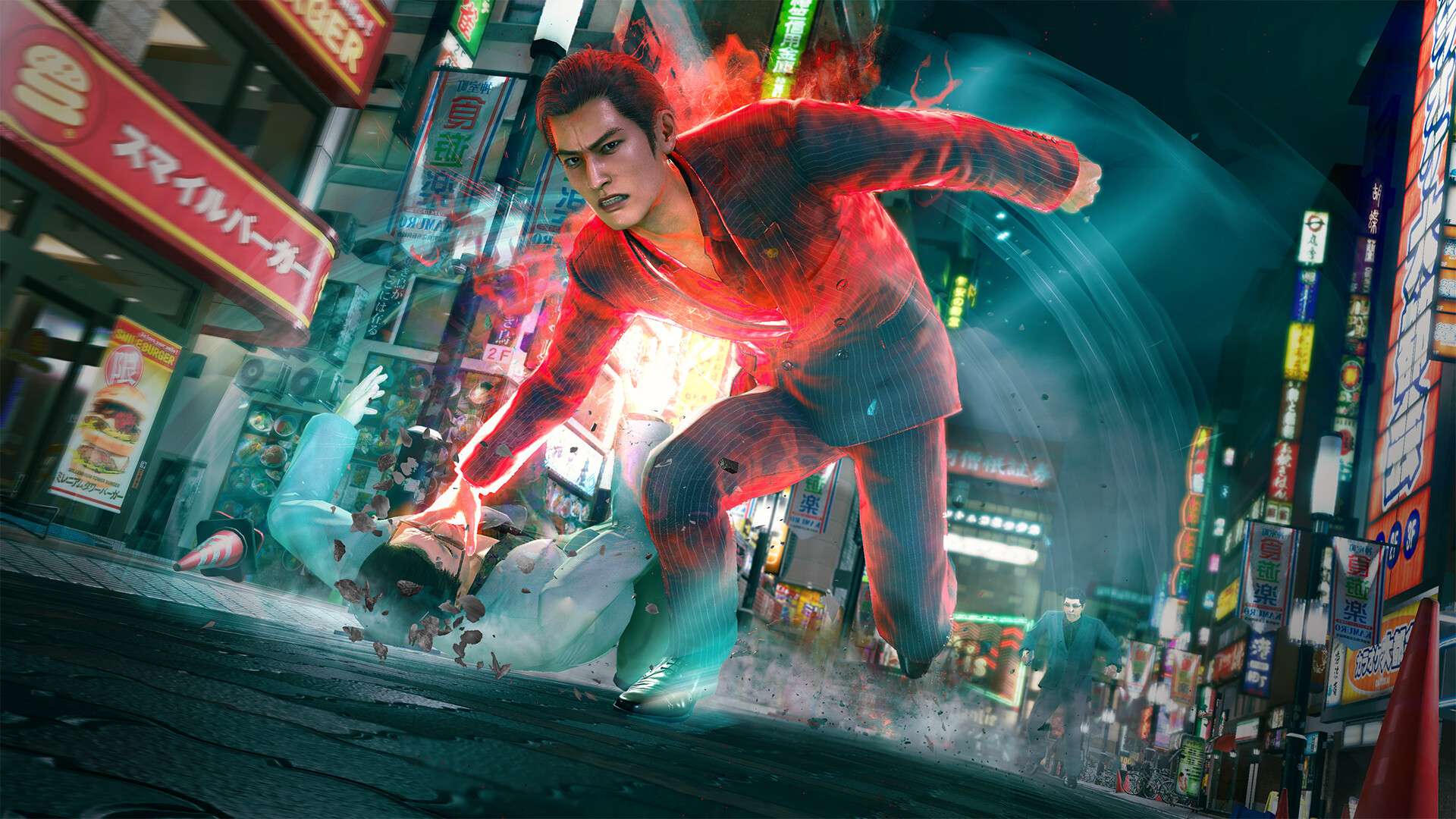
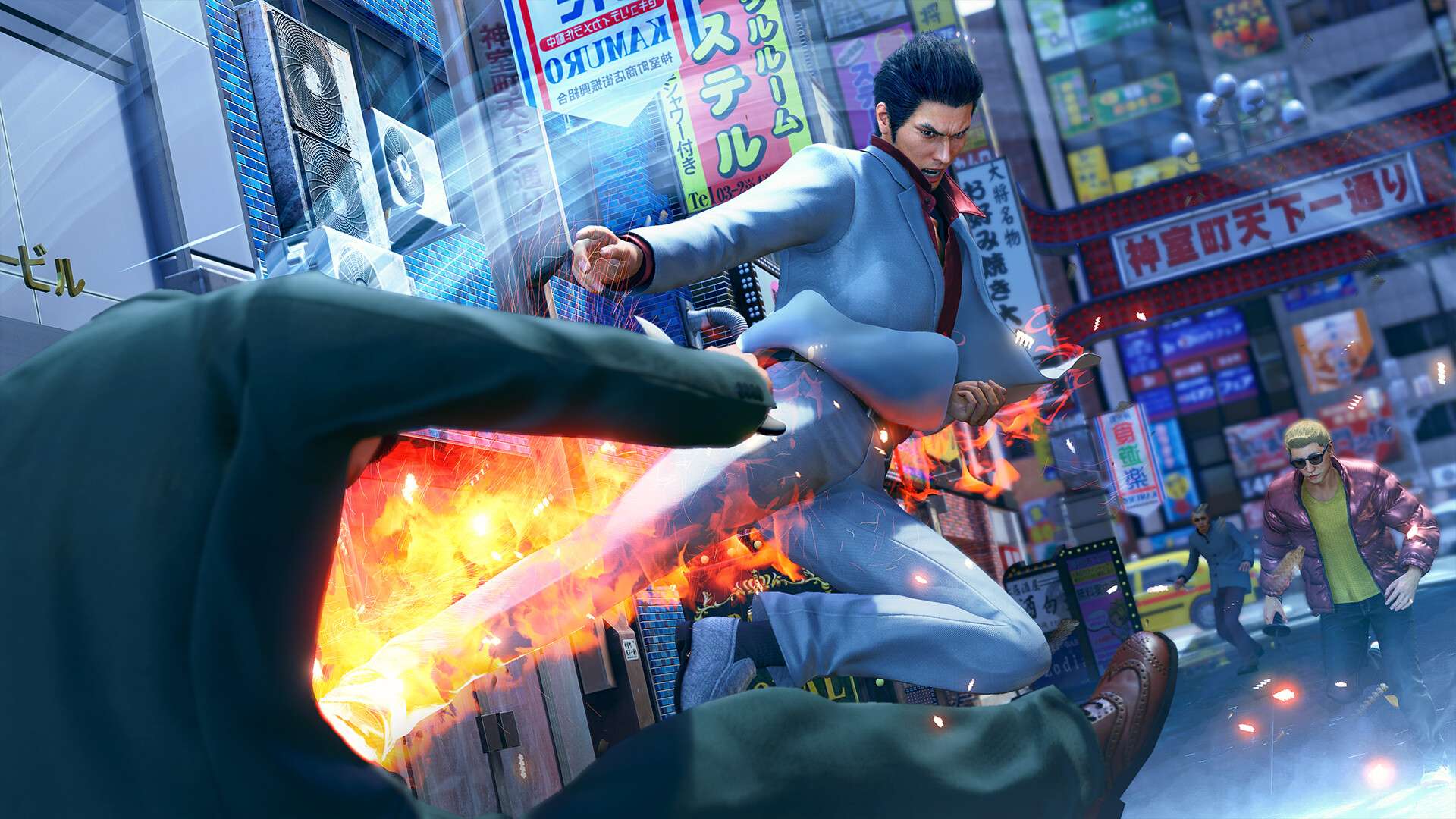
Yakuza Kiwami 3 is a massive upgrade from the original game with graphics that make great use of the modern console’s powers, overhauled combat mechanics and various additional stories, features, minigames and side quests. The game uses its original beat ‘em up format, and this time, Kiryu has two fighting styles: Dragon of Dojima and Ryukyu Style, while Mine has a whole new fighting style with a unique set of moves.
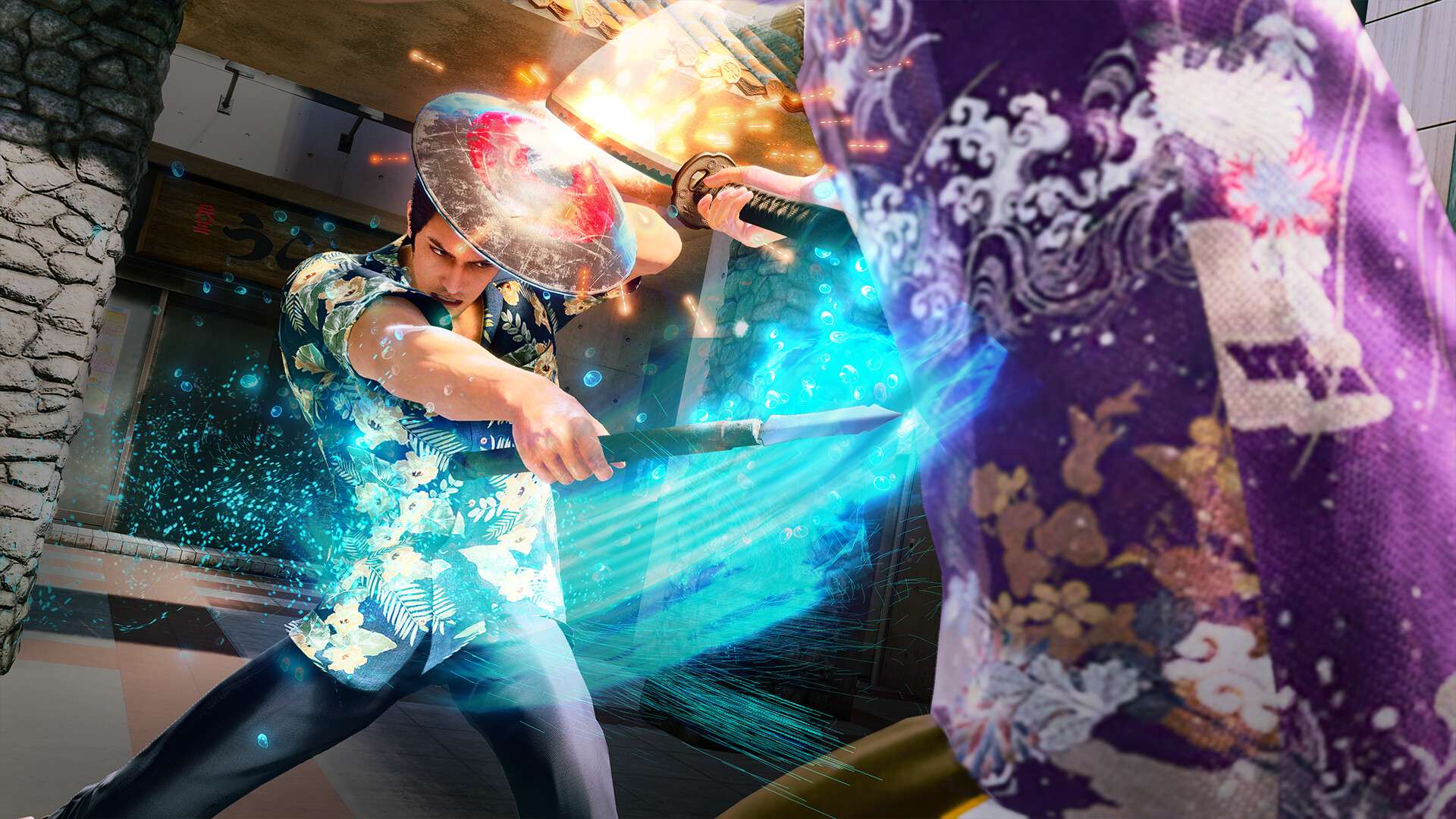
Dragon of Dojima is his base unarmed combat style, using a variety of strikes and grapples to deliver devastating combos. Kiryu can also pick up certain objects in his surroundings and use them as weapons, such as signs, furniture, bicycles and even heavy mopeds, to crush his enemies. Another Ryukyu Combat Style is Kiryu, armed with various traditional Okinawan weapons, with a Tinbe-Rochin as his main weapon.
Plus, nunchaku, sais, bō staff, eku, kamas, tonfas and surujin, which are assigned to different buttons. It may sound complicated, but it’s surprisingly easy to get the hang of it, giving players a variety of attack, defence, counter and guard-breaking options to take on a single or multiple opponents at once, all in one style. Kiryu may only have two styles this time, but they offer a large variety, and it’s always satisfying to pull off the moves.
Mine’s style is Shoot-Boxing, which combines MMA strikes and grappling with acrobatics, allowing Mine to launch off one enemy to take out another with a jumping roundhouse kick or a takedown. His one style is incredibly versatile, ready to take on multiple enemies at once or a single opponent, even bosses. One move in particular accurately reflects Mine’s dark personality and cold demeanour, as he pins an enemy’s face down, drags them across the ground and takes out other enemies in the way.
With enough meter as either character, players can trigger cinematics, getting up close to the bone-crunching action. All the attacks can be enhanced with some unblockable moves with the Dragon Boost for Kiryu and Dark Awakening for Mine. Both characters can unlock more moves and boost their stats with enough in-game currency or Training Points for Kiryu.
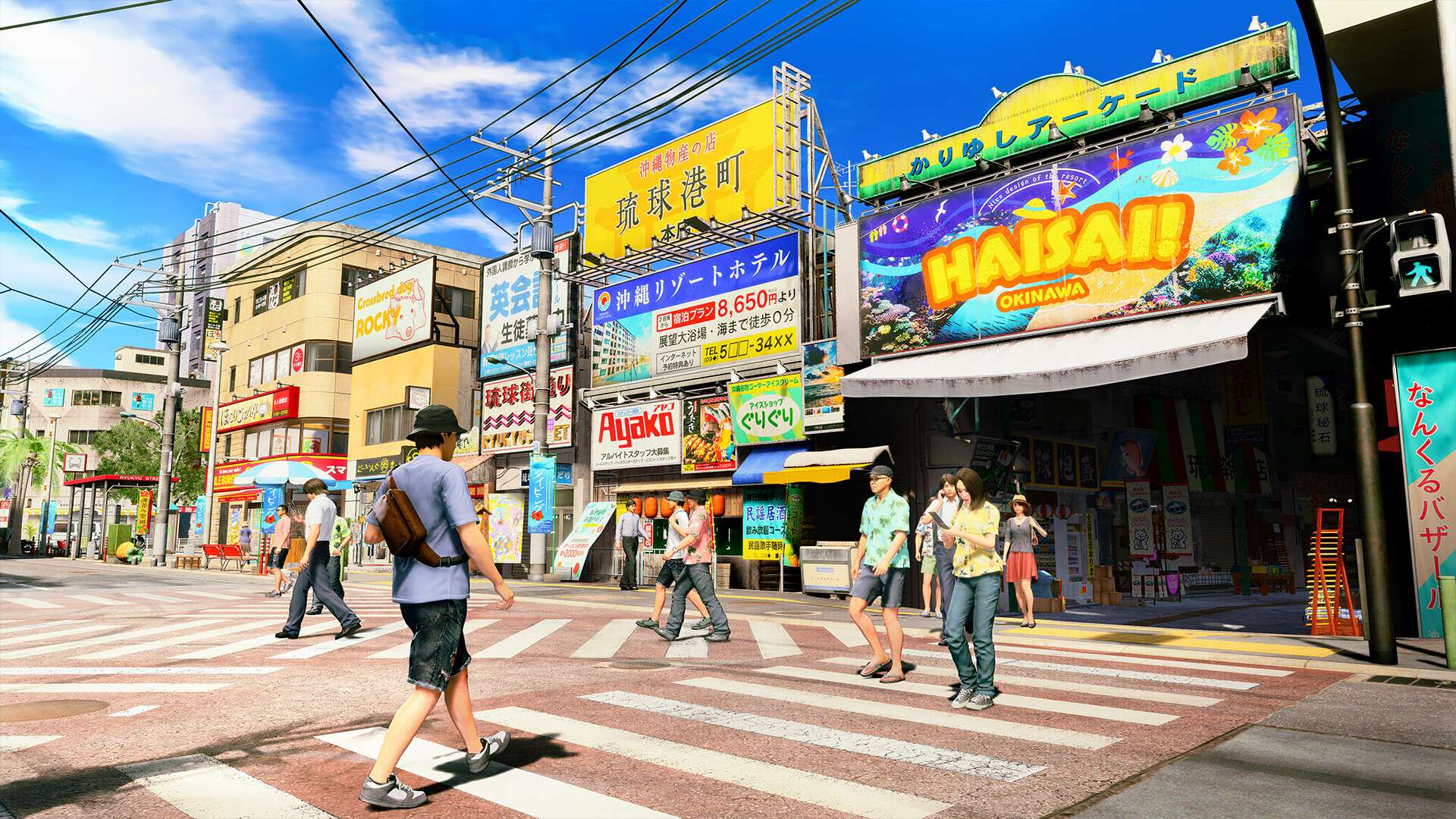
Both games take place in Kamurocho, Tokyo, which always brings back memories. But Yakuza Kiwami 3 also features Okinawa, and it looks much better than it did in the original game. The Morning Glory Orphanage is right by the beach, and Ryukyu is a small town but has plenty of markets, restaurants, bars and more. It’s a big contrast and a nice change of scenery from the busy streets of Tokyo.
Both locations have plenty to see and do with batting cages, pool, darts, golf and of course, karaoke with everyone’s favourite song, Baka Mitai. The arcades this time feature classics and lesser-known games, including Virtua Fighter 2, Fighting Vipers, Slashout, Magical Truck Adventure and Emergency Call Ambulance, plus claw machines with a variety of plushes to collect. Kiryu and Mine can even grab the old Game Gear with up to 12 different games to choose from. Players can also customise Kiryu’s outfits and even his flip phone, which was the style at the time.
The Morning Glory Orphanage also has its own share of side activities, including cooking, sewing, catching bugs, homework, growing vegetables, feeding cows and chickens, and you can even play with Mame, the beloved pet dog of the orphanage. With each activity, you collect ingredients to cook new dishes or sell to locals to earn money, and all of them are done as minigames, which can be challenging, but are also simple, fun and addictive. With each success, you also help to raise the children, thus building Kiryu’s relationship with them. Ayako, Riona, Izumi, Taichi, Koji, Mitsuo, Shiro, and Mame now get the spotlight they deserve.
Another big side activity is Bad Boy Dragon, with Kiryu leading an all-female biker gang called Haisai Girls to protect Okinawa from rival biker gangs. It also has its own story, missions and customisation options for the gang’s members, including attire and bikes. The missions focus on battling other gangs and gaining their territory, then heading to a new area by bike and battling hordes of enemies with over 100 characters on screen at once, similar to a Dynasty Warriors game. The combat isn’t quite a Road Rash-type game, as it’s primarily on foot, but there are a few attacks that Kiryu can do on the bike to take out a crowd of enemies.
Dark Ties has its own side activity called Kanda Damage Control, where Mine takes on various tasks around Kamurocho to improve Kanda’s reputation in the city. It has its own list of missions with simple tasks such as finding various items for people, providing for the homeless, participating in different activities, investigating odd cases and defeating gangs with powerful leaders of varying difficulty levels, some even harder than the main boss battles, so upgrading Mine’s stats is essential.
Experiencing all the outrageous side stories with all the characters you meet makes Kanda Damage Control a worthwhile mode to complete. As Kanda’s rank increases (despite Mine doing all the work and him doing nothing), more cutscenes are triggered, going deeper into their relationship and how their polar opposite personalities work together.
Another new feature is Hell’s Arena, an underground network hidden from the public. Here, Mine must either make his way through different rooms and hallways like a dungeon crawler game, battle various enemies and take on the boss at the end, or take on a series of strong opponents inside a cage in a fight club setting, similar to the hidden fight clubs in other Yakuza games. The battles in Hell’s Arena are tough and only get tougher the more you succeed, but they are exhilarating and keep you coming back for more.
Clearly, Yakuza Kiwami 3 & Dark Ties have so much to distract us from the main story, but we can’t help but notice how fun and addictive they are. The story of Dark Ties is technically a prequel to Yakuza Kiwami 3, but its ending can also spoil the ending of the latter, so it’s best for newcomers to play Yakuza Kiwami 3 first, and those already familiar with the story can start with either game. The main story of Yakuza Kiwami 3 is the same as the original, but the ending has been changed in a big way. However, this does cause some continuity issues for Yakuza 4, as it conflicts with established events, characters and motivations in what is meant to be the follow-up story.
This will cause some frustration amongst dedicated fans and confusion with newcomers who may go on play Yakuza 4, as it’s still available digitally on modern consoles, though the original Yakuza 3 has been delisted, likely to keep the focus on the remake. It’s been reported that Yakuza 3 is the last game to get the Kiwami treatment, but Yakuza 4 and Yakuza 5 might both get a director’s cut to have their stories retconned as well to compensate, but only time will tell.
Despite the ending change, the overall story is still an emotional rollercoaster. Players will feel more connected to the kids than ever, the chemistry between all the characters and feel Kiryu’s pain when certain loved ones get hurt.
The entire voice cast all do an amazing job as their respective characters in Japanese, English and Chinese. Takaya Kuroda returns as the iconic Japanese voice of Kazuma Kiryu, and Yong Yea has shown significant improvement with his English performance, though he is still a controversial figure online with his social media and YouTube channel criticising others in the industry and fans of the series. Hopefully, soon, he can learn to be humble.
The three main characters have also been completely remade to match the likenesses of their recast Japanese voice actors. Show Kasamatsu now voices Rikiya, Ryo Ishibashi now voices Nakahara and Teruyuki Kagawa now voices Hamazaki. Each of them had distinct and memorable designs in the original game, especially Rikiya, who only appeared in one game. Longtime fans may not accept the changes, though they will likely still praise their strong performances. Teruyuki Kagawa is the most controversial out of the three due to a real-life crime he pleaded guilty to, receiving backlash from fans, especially since other voice actors in the franchise were recast for lesser crimes.
When we were expecting a brand new Like a Dragon game to continue the story, we instead got another Kiwami game that nobody may have asked for, but its abundance of additional content made it too good to resist. The original Yakuza 3 was already a great game with an emotional story, but Yakuza Kiwami 3 adds so much more with new story elements that make Kiryu’s relationship with everyone more personal ever, upgraded gameplay and loads of side activities. Dark Ties explores the motivation behind the main antagonist of the main game and what led him to leave his successful business behind and enter the seedy underbelly. Even with the retcon that has fans divided, everything else about the story creates a deeper connection to the characters and is worth anyone’s time.
The creator of the series, Toshihiro Nagoshi, has since left SEGA to start Nagoshi Studio with their first game, Gang of Dragon, on its way, which has some resemblance to Like a Dragon, though it has no connection, and fans are already excited. Thankfully, Like a Dragon will be continuing with Masayoshi Yokoyama in charge, and fans eagerly await the next chapter to see the fate of Kazuma Kiryu and the continuation of Ichiban Kasuga. Until then, Yakuza Kiwami 3 & Dark Ties provide deeper lore and game mechanics than the original game, which must be experienced by newcomers and die-hard fans.

The Good
- Gameplay mechanics received a massive upgrade from the original game
- Additional story elements provide even deeper lore
- Loads of fun and addictive side activities
- Dark Ties explores the story of the main antagonist
- The kids at Morning Glory Orphanage now have the spotlight they deserve
The Bad
- Retconned ending negatively affects the follow-up story
- Some characters were recast and redesigned
- Teruyuki Kagawa’s real-life controversy



 SuBZeRO2K
 Spotify
 Anchor
 iTunes