The Tales of series began in 1995 with Tales of Phantasia on the Super Famicom. Currently, there are 17 games in the main series, plus various spinoffs and crossovers with other properties, as well as a few anime adaptations. Bandai Namco has been revisiting old games in the series and porting or remastering them for modern consoles.
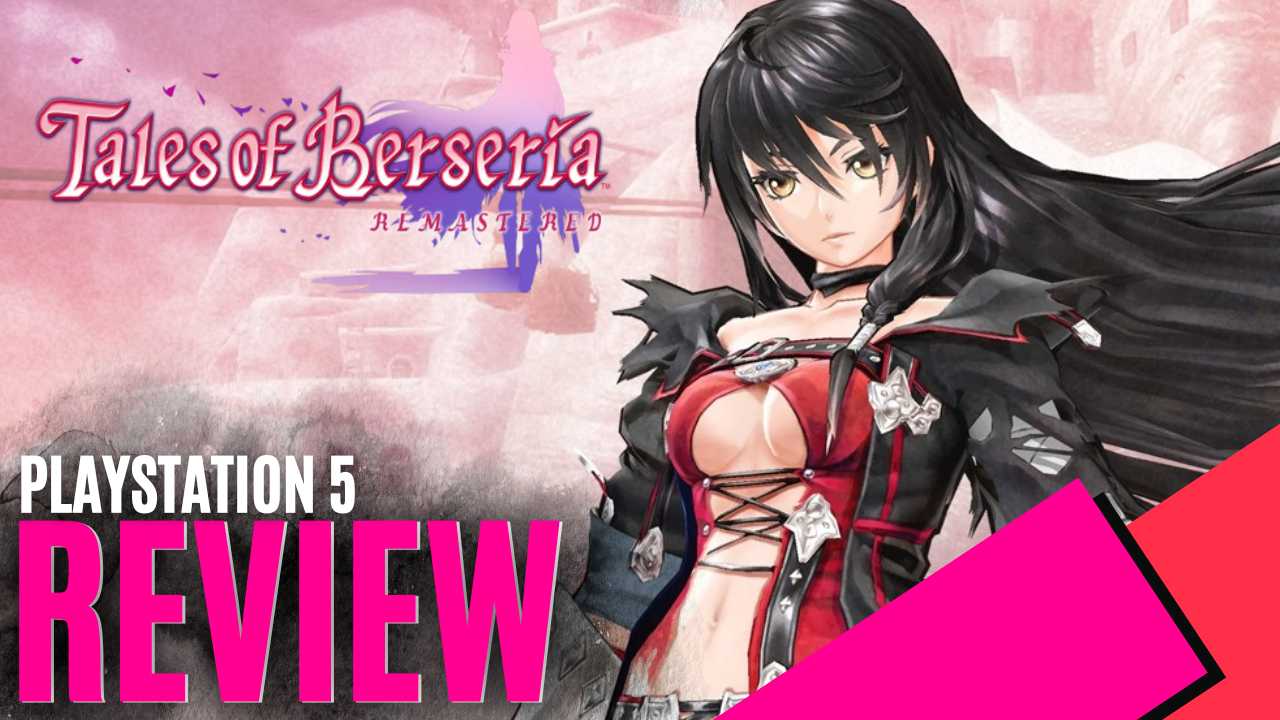
Tales of Berseria, the 16th main game in the franchise originally released on PlayStation 3 and PlayStation 4 in 2016 and on PC in 2017, is next to receive the remaster treatment as Tales of Berseria Remastered is now available on PlayStation 5, Nintendo Switch, Xbox Series X|S and PC.
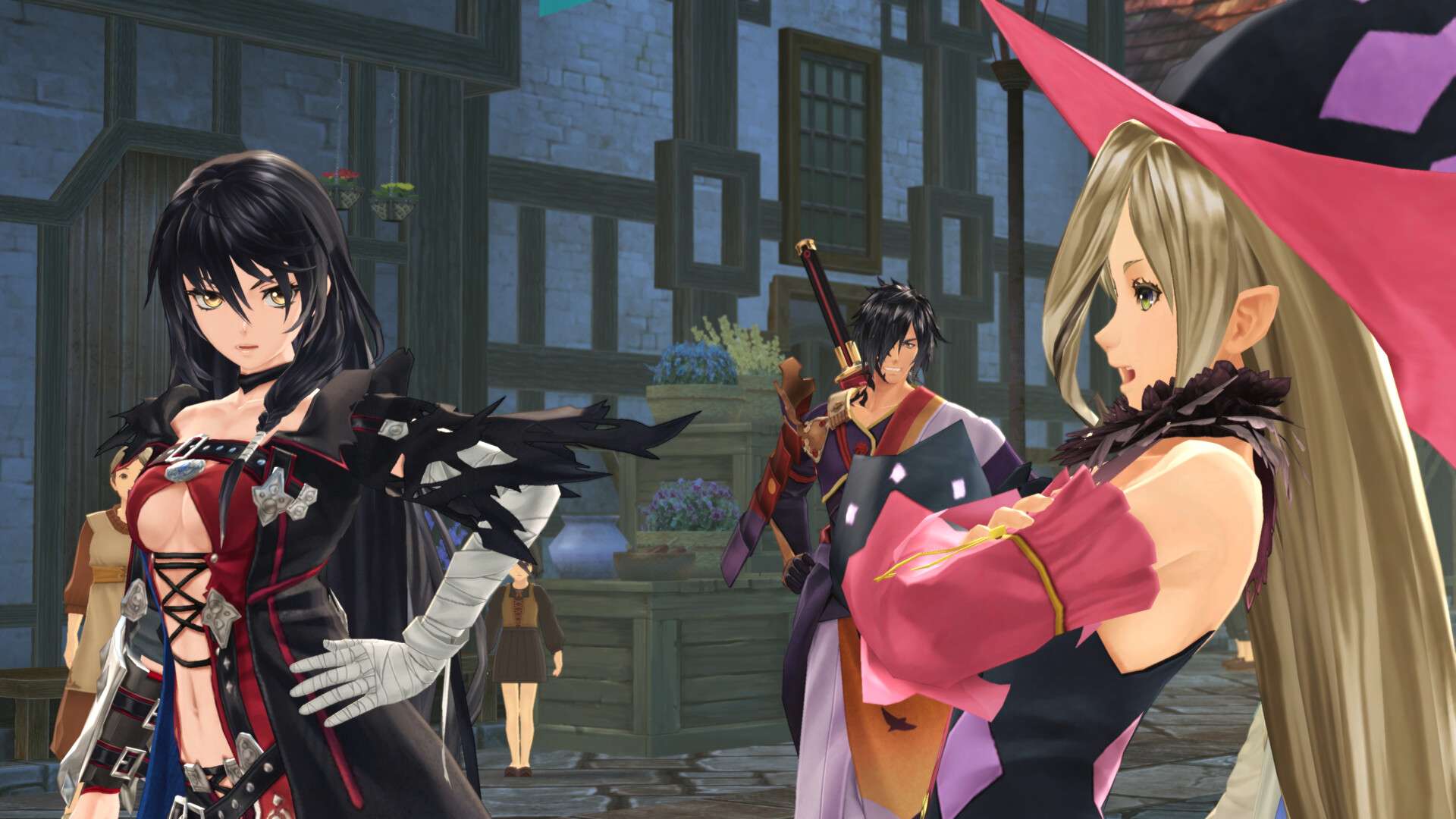
Velvet Crowe was once a humble woman living a normal life in a peaceful village. Soon, she is transformed into a vengeance-driven daemon after the tragic betrayal by her brother-in-law, Artorius, who sacrifices her younger brother to bring “reason” and order to a demon-plagued world. Breaking out of prison three years later, Velvet navigates a dark, emotional journey and vows to kill Artorius and destroy his organisation, the Abbey.
Players take control of Velvet, and the game starts off peacefully with nothing out of the ordinary, acting like a tutorial to help you get acquainted with the mechanics, before things take a dark turn and the story really begins. More characters with diverse personalities and unique abilities will join your party throughout the game and aid you in battle. The overall game is a slightly open world but mostly linear game, though there is lots to explore and find, with plenty of side quests and minigames too, which will help boost character stats.
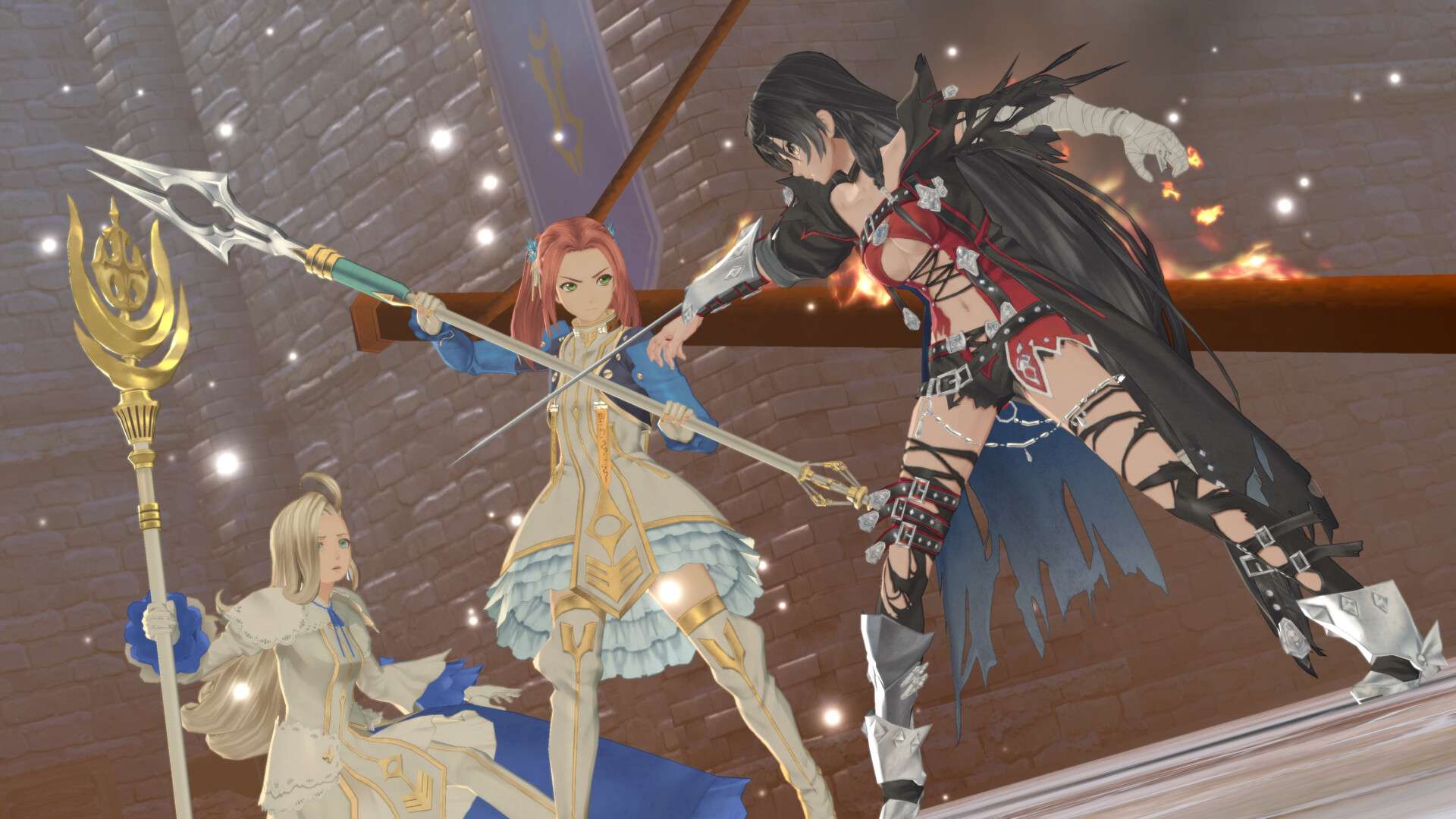
The combat system is one of the game’s most significant features. Most JRPG games use turn-based strategy, but the Tales of games allow you to play in real time, incorporating some beat ’em up elements and making the overall combat feel like an action adventure.
Players will not only need to learn offensive moves, but also defence as well, for the more powerful enemies later and the boss battles, which all come in different shapes and sizes and have their own unique powers and abilities.
Being a remaster of a 2016 game, you would expect it to have many quality-of-life improvements. The PlayStation 3 and PlayStation 4 versions were released alongside each other in 2016, with the latter looking and performing significantly better than the former. The remastered version on PlayStation 5, Switch, Xbox Series X|S and PC seems to be on par with the PlayStation 4 version with barely any noticeable difference at all, making us wonder what the point of this remaster was.
It might feel pointless, but it still runs at a solid 60fps (30fps on Switch), and the overall art style and presentation retain their bright and colourful anime look, though they still look outdated by today’s standards.
Some may argue that the retro-looking graphics are part of the game’s charm, which is also a valid opinion, but it’s clear that the game is showing its age. For a game that has “Remastered” in the title, it doesn’t feel like it did a whole lot to improve the overall game, feeling more like a simple port than an actual remaster.
There are some actual quality of life updates, however, such as the faster load times switching between free roam, battles and cutscenes instantly, almost like there’s no loading at all, and it now has an auto-save feature, so you’ll never lose your progress.
The game can become repetitive over time as you’ll need to grind to boost your stats, but it’s now possible to avoid random battles entirely and progress through the game more quickly.
The character voices are available in either Japanese or English and sound just as good in both languages. Velvet is voiced by Rina Satō in Japanese, and Cristina Valenzuela (Vee) in English, and their performances give the character so much life and character development, starting off as peaceful and humble, then into her dark and cold demeanour.
Unlike most other protagonists in the series, Velvet is fuelled by anger and rage. She rarely ever smiles or even smirks, and her design accurately reflects her personality. Characters who join her on her journey help balance out her dark demeanour with their more upbeat personalities, ensuring that the tragic story doesn’t feel all doom and gloom.
Another big feature is the fully animated anime-style cutscenes, and they are a spectacle to watch, making you wish you could experience the entire game in this format. While Tales of Berseria doesn’t have an anime adaptation, some of the other games in the series do, though they’re rare to find.
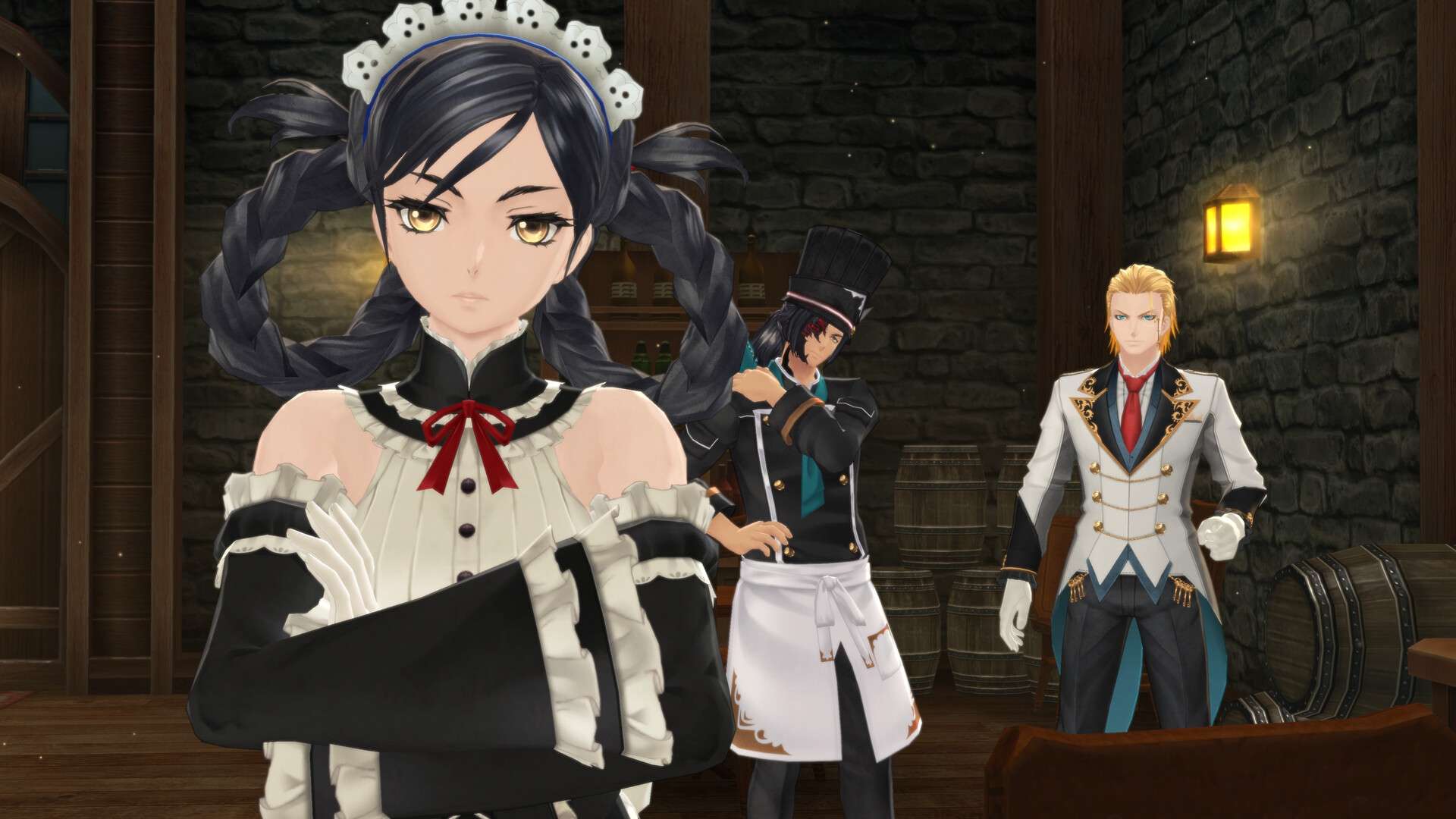
There are also various in-game cutscenes throughout the game, showcasing the different characters and their diverse personalities. The talented voice cast makes it fun to see all the characters interacting with each other, allowing players to get to know them better and care for them more.
The game features a mix of orchestral and folk music, depending on the location, and hard rock tunes during battles and while making your way through dungeons. The song that plays during the anime opening is BURN, by Japanese rock band FLOW, and the song is a real banger that gets you pumped up and in the mood to slay daemons. FLOW have also provided songs for various other games and anime, including Naruto, Code Geass, Eureka Seven and The Seven Deadly Sins, just to name a few.
At the time of this review, the remastered version of the game is $54.95 AUD, or $84.95 for the deluxe edition, but you can still buy the digital version of the original PlayStation 4 game for $24.95, and although it has some minimal quality of life updates and includes the DLC, it’s the same game overall, with the same gameplay, graphics, music, and story.
On the flip side, however, the PC version of the original game is currently $69.95 AUD on Steam, $15 more than the remastered version. PlayStation 5 owners may be conflicted on which version to buy, and PC players will likely buy the cheaper alternative with more content, but those on Nintendo Switch and Xbox Series X|S will get the chance to play a Tales of Berseria game if they haven’t already.
It’ll be interesting to see which other Tales of games are next to get a remaster as part of the franchise’s Remaster Project, even if it’s just a port with minor upgrades, because there are many games in the franchise that deserve to be available to play on modern consoles. Whether it’s considered a remaster or a port, Tales of Berseria Remastered is a great way to experience a classic Tales of game on modern consoles.

The Good
- A PS3/PS4 classic now available to play on modern consoles
- Fun combat system
- Quality of life updates
- Now possible to avoid random battles entirely
- Velvet is a unique protagonist of the Tales of games
The Bad
- Feels more like a port with minimal upgrades than a remaster
- Graphics still show their age
- The original game is still available digitally on PS4 for cheaper




 SuBZeRO2K
 Spotify
 Anchor
 iTunes