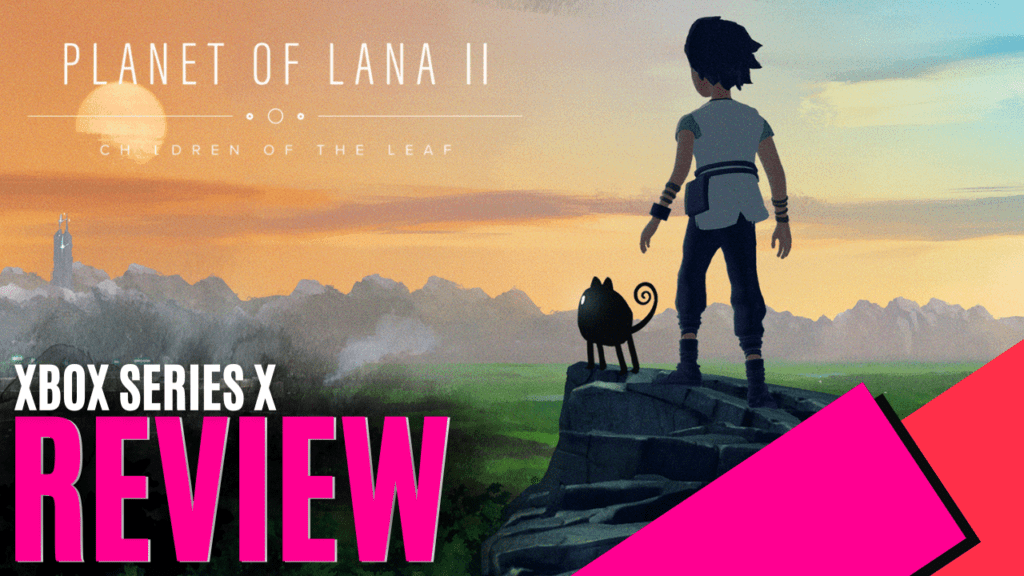
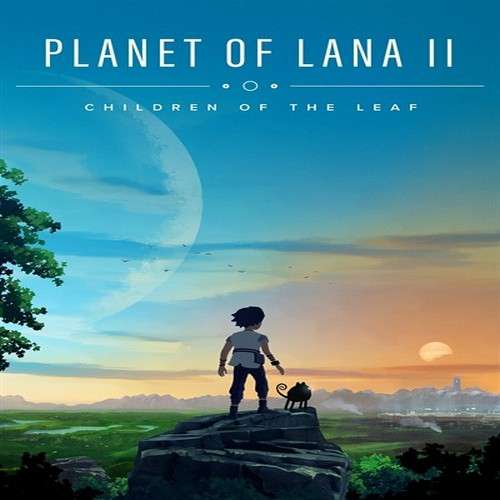
From developer Wishfully and publisher Thunderful Publishing comes Planet of Lana II: Children of the Leaf, a sequel to the much-beloved Planet of Lana. When it came across my desk for the Xbox X, and having not played the original, I was worried I wouldn’t understand the story of this cinematic puzzle platformer. After watching some videos on the background of the first title, I was excited to jump into Children of the Leaf.
Once again, you follow the adventures of Lana and Mui on the planet of Novo. A new tribe, the Dilijinghala, have started to exploit new technology and taken over the resources of Novo with large robots.
Throughout the game, you will uncover the dark secrets of the Novo and discover the real meaning behind Dilijinghala’s exploitation of Novo’s resources. In the opening scene, the developer advises you that no storyline will be provided during the game or with the cut scenes, which is intriguing.
It really makes you think about what the game is trying to tell you and where you are going. Instead of reading the storyline, you are writing it in your head as you progress with prompts from the game, so it can potentially be different for each player.
As you progress, the game introduces you to various movement and functions, though not all at once, so you don’t become overwhelmed. These include vaulting, sliding, crouching, diving, and new additions such as swimming and water puzzles.
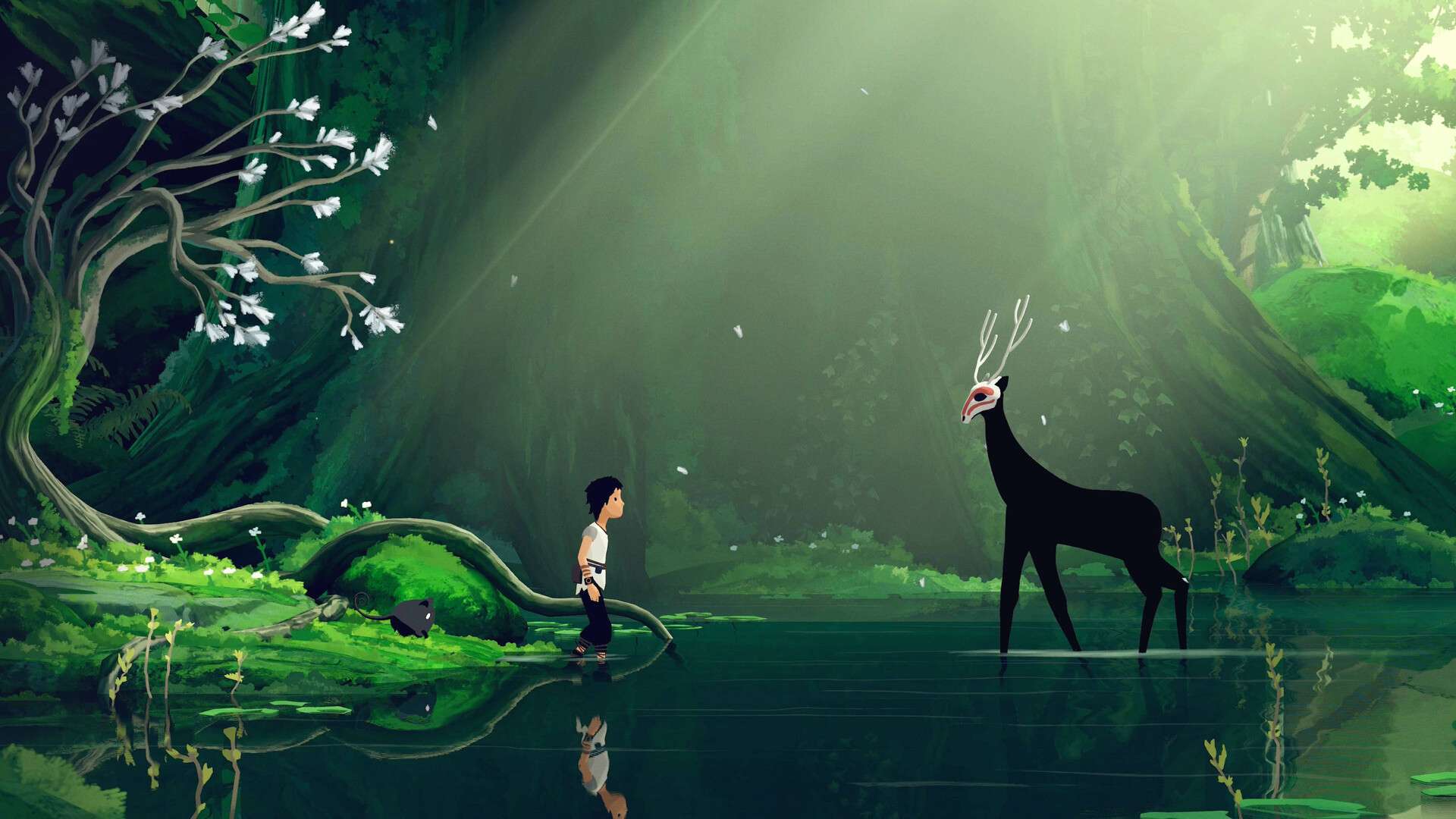
While the underwater sections are both beautiful and dangerous, there is no on-screen breathing meter, so time management is a must. Eventually, you find Mui, though honestly, it took some time to understand how to interact with him.
You control Mui via a “point and shoot” system, telling him where he needs to go and when to use his special abilities. The game vaguely prompts you to press the right trigger on the controller to utilise Mui, but it took a few minutes to understand the mechanism correctly. Once you get the feel for it, Mui is an extremely useful tool, allowing for a lot more intricate multi-level puzzles throughout the game.
The graphics are amazing, and the way the developer created a depth of field in this 3D cinematic puzzle platform game is one of the best I have ever seen. I actually found myself watching the in-game world come alive before me, rather than just running through it to the next puzzle.
Subtle things like the way the wind glides through the map, oblivious to your interactions, and creatures moving around you in the background, it’s almost relaxing (if only most of the animals were not trying to kill you!).
The puzzles really make you think of how to solve and progress, as they become more intricate as the game goes on. Admittedly, I had to call my daughter a few times to help solve some of them! Which worked out great, as she looked at the puzzles from a completely different perspective.
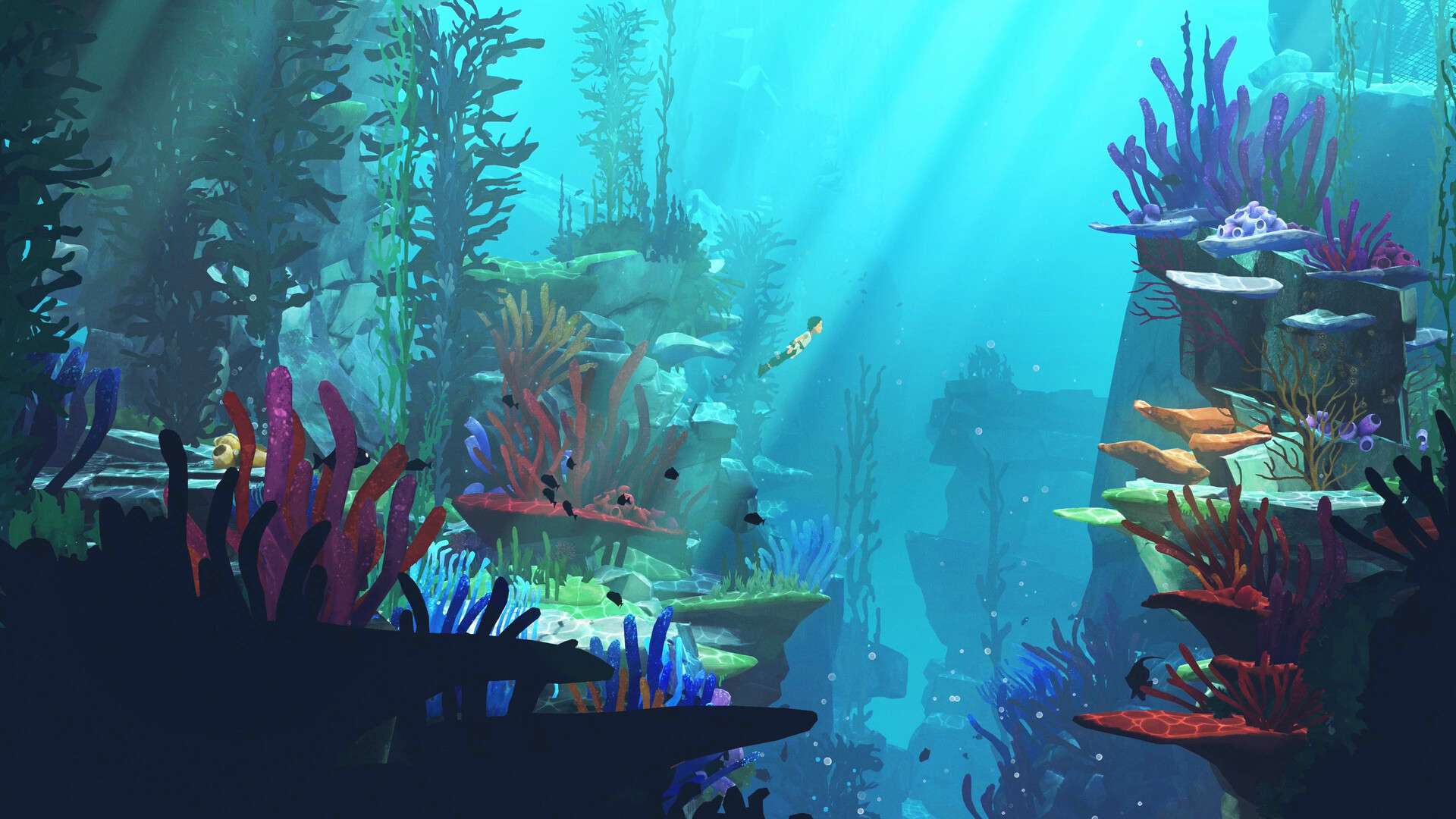
In addition to the newly added puzzles and water levels, there are also snow-capped mountains, tropical islands, dark forests, and urban areas, all graphically finished spectacularly. It’s just such a beautiful game, with the developers creating some amazing immersive experiences throughout the in-game world.
When Fmod first popped up on the loading screen, I knew I was in for a treat. Like the graphics, it’s all the little things that bring this game to life, and the audible ambience and background noises are no exception. The language they have created for Lana and the people she interacts with is also quite engaging.
I found myself trying to make out what the words they were saying were as I progressed, as not having a narrative, you are drawn in to try to understand it. I cannot describe the tone they are in either, but it’s soothing and engaging at the same time. Even something as basic as footsteps in a hollow area on metal, a lot of detail and effort was put into the audio design.
Overall, Planet of Lana II: Children of the Leaf is a polished masterpiece. The way the developers guide you into creating your own storyline is such a unique feature and something different in this saturated genre. Coupled with the untamed graphics and atmosphere, if this is your genre, don’t hesitate to buy it now!
Also, don’t forget your thinking cap, because you are in for some challenges that will test you, but will keep you coming back. If it’s not a genre you usually play, you certainly won’t be disappointed either if you give it a go.

The Good
- Quality graphics and depth of field
- Various environments as you progress
- Detailed audio design
- Lack of narration of the storyline as you progress, making you think about the outcomes you are achieving
The Bad
- Learning curve when controlling Mui
- No breath meter for underwater




 SuBZeRO2K
 Spotify
 Anchor
 iTunes