

There is a new era in survival horrors, and creeping into the spotlight is Resident Evil: Requiem, a bold and unsettling evolution of Capcom’s legendary franchise. Blending raw, pulse-pounding tension with cinematic storytelling.
The Resident Evil games are that kind of game where you lean closer to the screen, lower the volume just a little and question whether opening that next door is worth it. It’s confident, relentless and unapologetically tense. Resident Evil: Requiem is not just another entry into the long-running series; it’s Capcom’s reminder of why Resident Evil still defines the genre.
Resident Evil: Requiem pulls players back into the shadow of one of gaming’s most infamous locations: Raccoon City. Once a midwestern hub and the former headquarters of Umbrella, the city remains a scar on history after the 1988 outbreak that forced the government into a desperate and heavily concealed sterilisation strike.
Raccoon City now sits abandoned and steeped in silence, but has once again become the central hub of a growing mystery, as a new string of deaths threatens to unearth truths long buried beneath rubble, lies, and forgotten horrors.
There are two intertwined journeys led by FBI intelligence analyst Grace Ashcroft and legendary survivor Leon S. Kennedy. Grace has been driven by grief and a relentless need for answers following the death of her mother, which is approached with nightmares through investigation, deduction and psychological tension as she ventures alone into an abandoned hotel tied to the case.
On the other side of the journey is Leon, a hardened DSO agent, shaped by the Raccoon City incident and countless bioterror outbreaks since. His experience, combat prowess and unwavering sense of justice collide with Grace’s more analytical approach, creating the perfect dual narrative that blends survival horror and action into an emotionally charred descent that refused to let the past stay buried.

The gameplay strikes a strong balance between classic survival horror tension and modern cinematic action. Exploration is slow and methodical, encouraging you to check every corner for ammo, herbs, and hidden secrets whilst constantly managing limited resources. Puzzle-solving makes a welcome return as well, breaking up the combat with cleverly made environmental challenges that never feel too hand-holdy.
Backtracking through previously cleared areas keeps the map feeling interconnected, and just when you start to feel safe, the game will remind you that you are never in control. Switching between Grace and Leon keeps the experience fresh throughout. Grace’s sections lean heavily into stealth and vulnerability, forcing you to think carefully before engaging, while Leon’s segments ramp up the action and more intense fights and cinematic set pieces.
The pacing does a solid job of weaving these styles together so the game never feels repetitive. Whether you’re creeping through dimly lit hallways with your heart pounding or unloading rounds into a charging nightmare creature, I loved that the gameplay kept me on my toes the entire time, which is exactly what Resident Evil does well.
The controls feel tight, responsive and perfectly tuned for the game’s blend of survival, horror and action. Movement has a deliberate weight, which the series is well known for making every step feel more cautious than overpowered, which again adds to the tension. Aiming is smooth and precise, even if I couldn’t aim to save my life literally, and the inventory was quick, smooth and efficient.
When it comes to the combat, there is a great contrast between Leon and Grace, which is especially noticeable. Leon feels like the seasoned agent lands clean headshots and can follow up with those signature head-high kicks that look badass, dropping enemies in style and confidence.
Grace, on the other hand, feels far more vulnerable. Instead of flashy melee finishes, she just shoves the enemies back to create some space, and you still need to figure out how you’re going to finish them off. It’s a small detail, but it really shows the different skill levels and makes each character feel distinct. Whether you’re lining up a precise shot or scrambling to push a monster away, the controls are still reliable, and in a game where one mistake can cost you everything, consistency is everything.
The sound design in this style of game always plays a massive role in building tension, and this title has no expectation. From the distant echoes in abandoned hallways to the sudden, heart-stopping crashes that make you jump out of your seat. There is something about sneaking down a hallway and suddenly hearing something crawling across the floor above you that actually freaks you out a little. It’s that kind of directional environmental audio that keeps your nerves constantly shot.
Every creak of the floorboard and every distorted growl lurking in the dark feels deliberate, and I’m personally all for it. The voice acting is strong across the board, adding the emotional weight to the story we all strive for. I will admit I did get a little annoyed at times, hearing Grace whimper in fear constantly. That being said, considering the absolute nightmare she’s trapped in, it’s completely understandable and arguably makes her reactions feel more human and grounded.
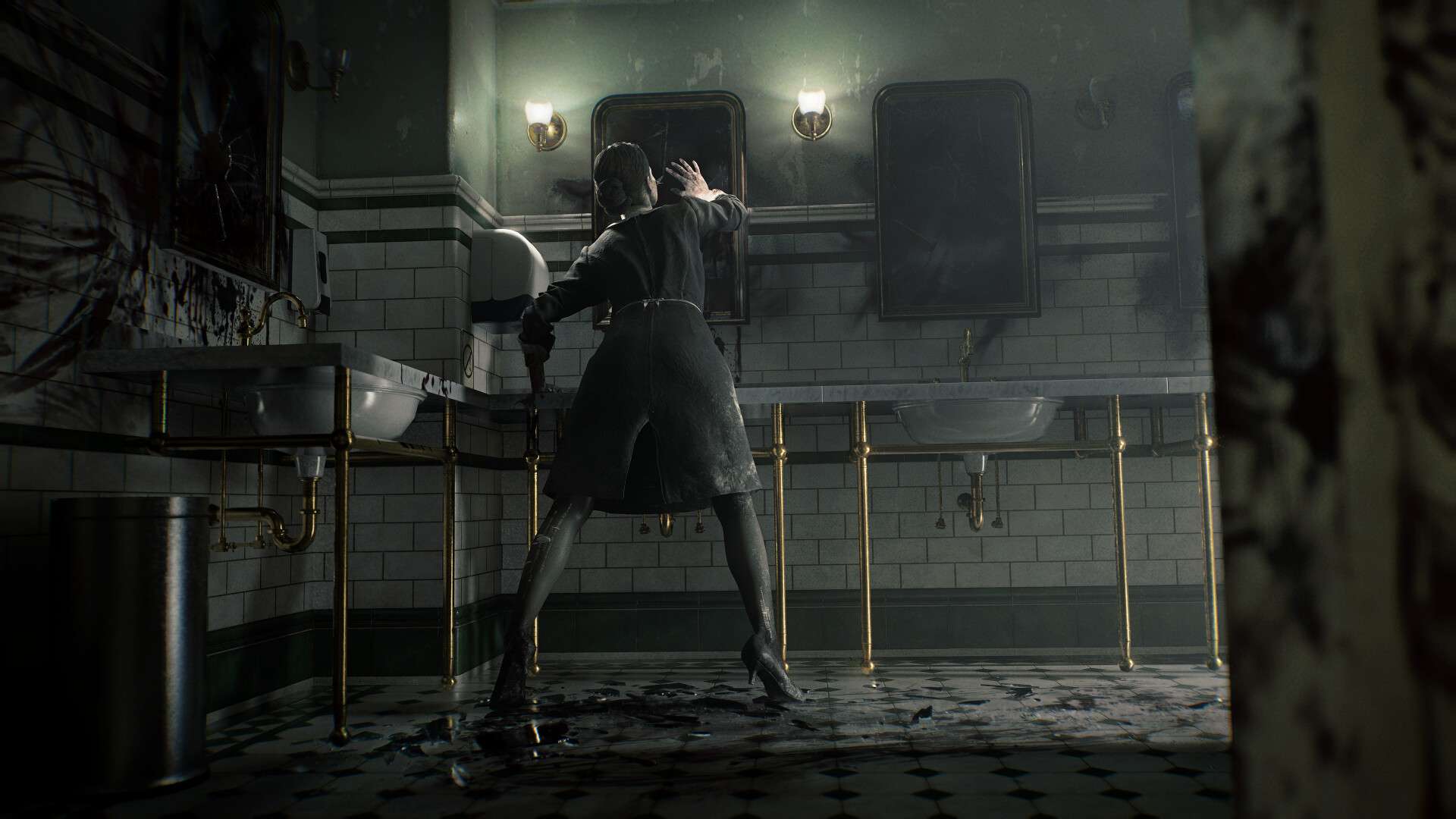
Resident Evil: Requiem is an absolute visual powerhouse, delivering some of the most cinematic graphics the series has ever seen. Powered by Capcom’s RE Engine, every scene feels like it was pulled from a high-budget film. The lighting is the real star of the show, with flickering lights, cold moonlight, and those deep, suffocating shadows that build the thrill.
The character models are incredibly detailed, from the subtle fear in Grace’s expressions to the hardened grit in Leon’s face. The environments feel hauntingly real, layered with grime, decay, and environmental storytelling, making each area feel unsettling. Whether it’s quiet, atmospheric exploration or pulse-pounding action, the cinematic camerawork and fluid animations make every moment feel intense, immersive, and terrifyingly believable.
Resident Evil: Requiem is a haunting reminder of why this franchise continues to sit atop the survival horror throne. It doesn’t just rely on nostalgia or familiar names to carry it forward; it constantly evolves. By intertwining Grace Ashcroft’s vulnerable, psychologically heavy journey with Leon S. Kennedy’s battle-hardened resolve, Capcom delivers an experience that feels both fresh and deeply rooted in the series DNA.

The Good
- Stunning, cinematic visuals
- Exceptional sound design that constantly builds tension
- Strong dual narrative with distinct, well developed protagonist
- Balanced gameplay
- Tight, responsive controls that feel reliable in high-pressure moments
The Bad
- Grace’s constant whimpering can become repetitive







 SuBZeRO2K
 Spotify
 Anchor
 iTunes