
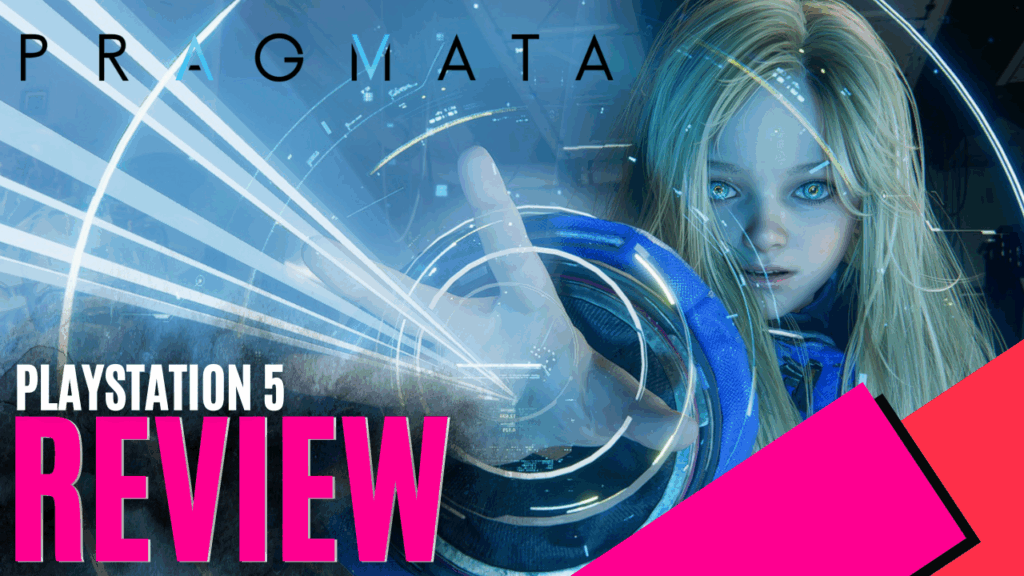
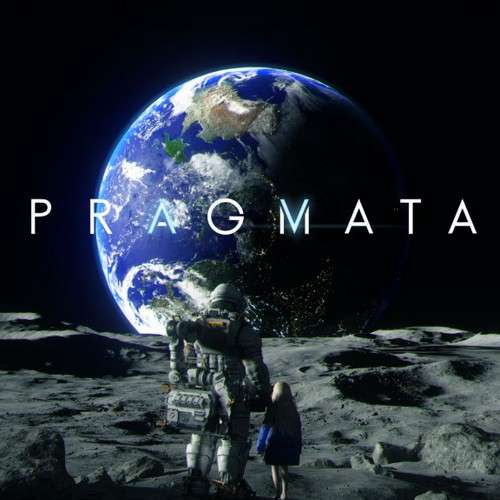
In a world of sequels and remakes, it’s hard for new, original ideas to break through into the zeitgeist. Capcom is different, though. After the past few years of reminding the industry of their storied legacy, they’ve now arrived with something fresh and incredibly unique sci-fi game, ‘Pragmata’.
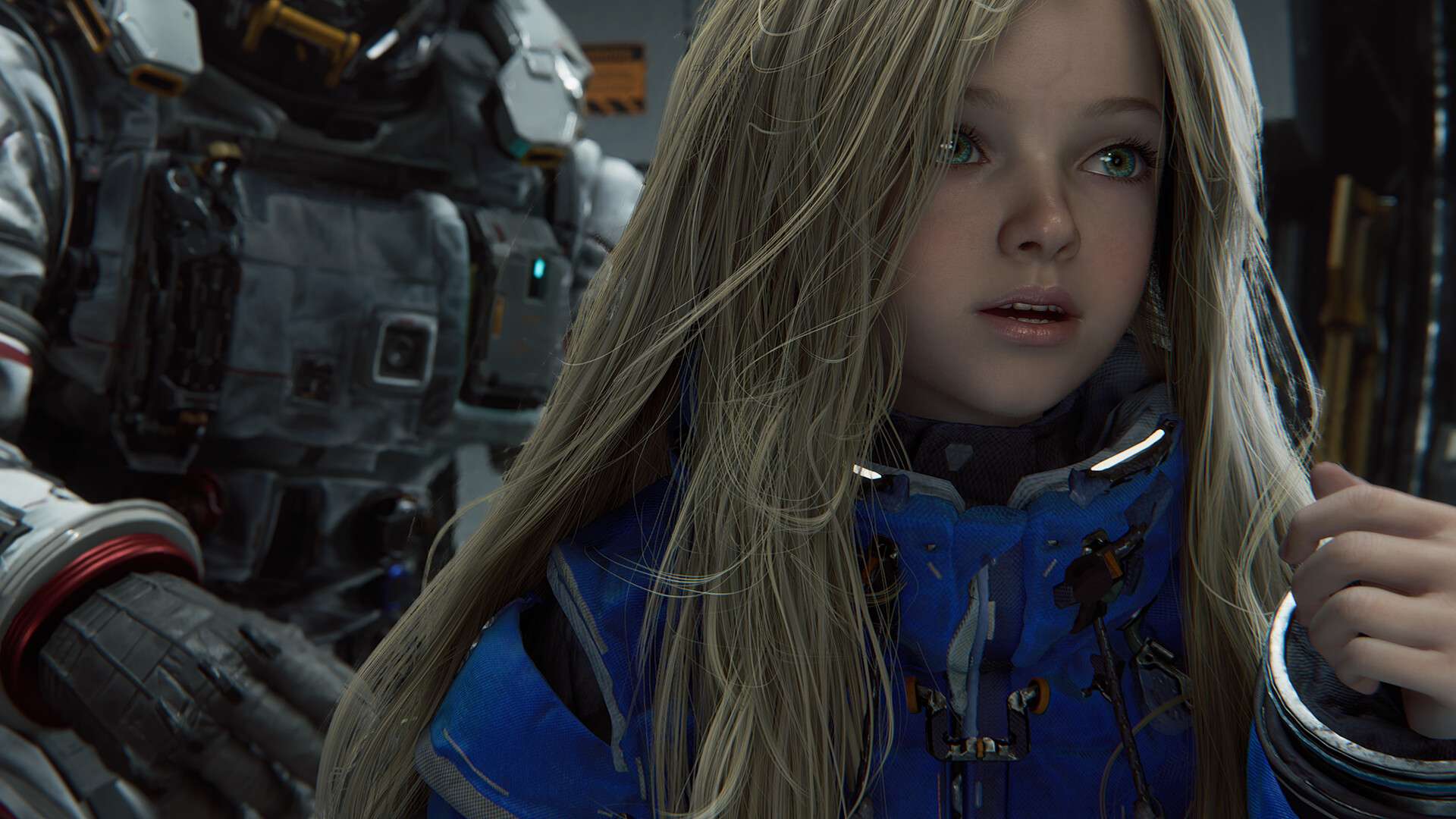
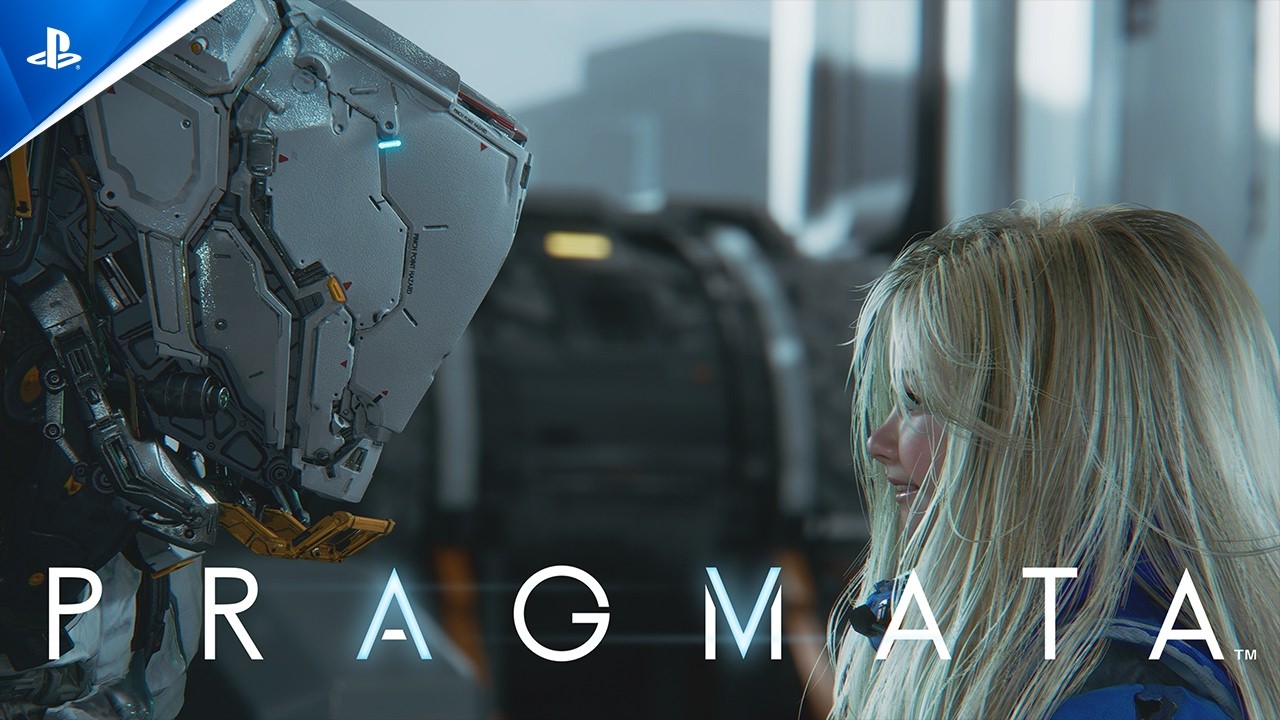
We play as Hugh, who, shortly after arriving on the moon, is separated from the rest of his crew due to a moonquake. Not alone for long, he meets Diana, a curious, childlike android known as a Pragmata. Together, they must work to escape the station while the AI system, known as IDUS, tries to block their path at every possible opportunity.
It’s this relationship between Hugh and Diana that carries the narrative. The game really nails the sense of wonder a child can bring. Diana is really eager to learn about the world around her, and that curiosity shines through in the beautiful moments she shares with Hugh, who wants nothing more than to teach her. It’s a father/daughter-like relationship done really, really well and one that consistently put a smile on my face.
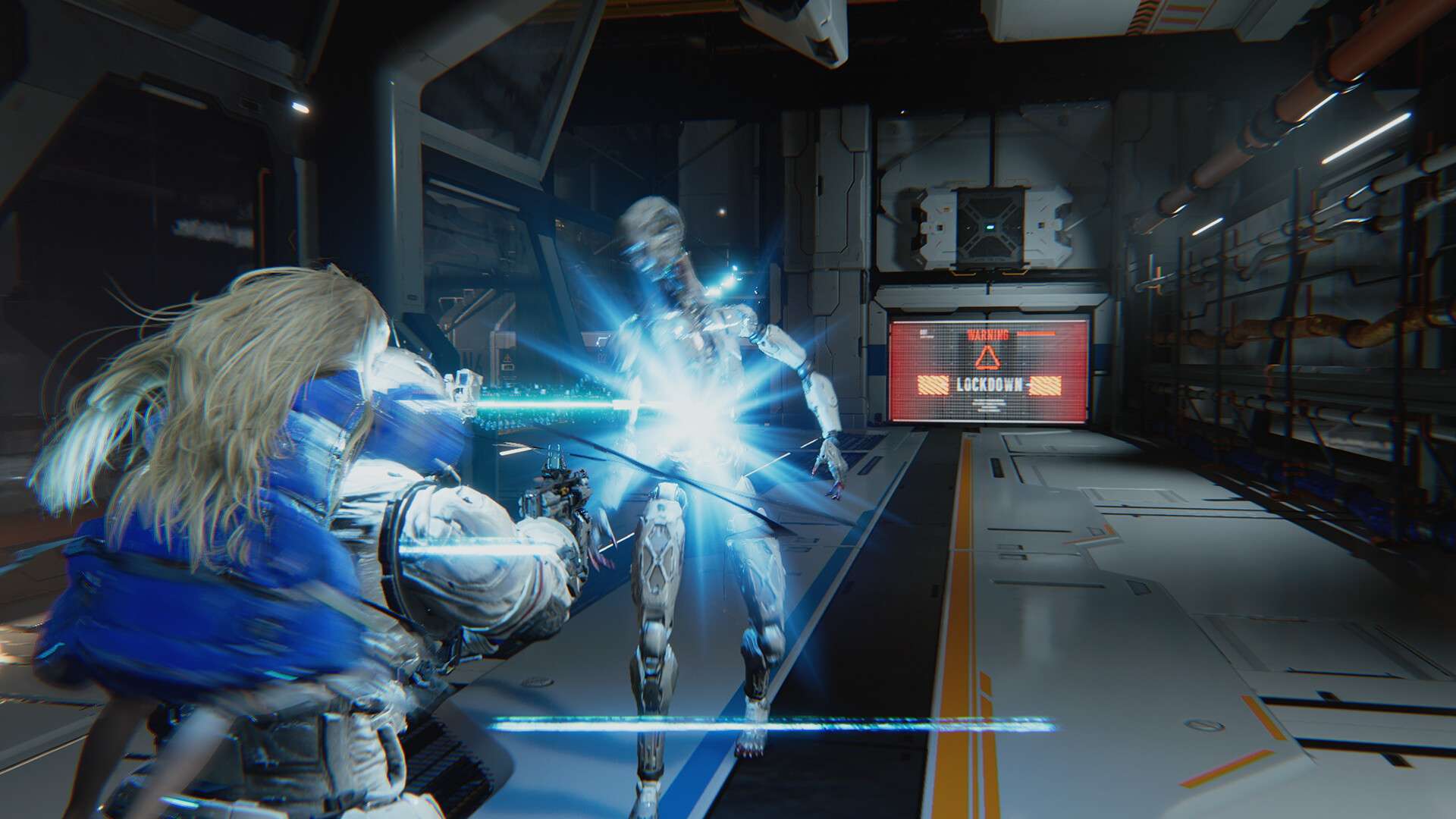
They learn to trust and rely on each other to overcome the many challenges IDUS throws at them. Not too dissimilar to Resident Evil, 3D-printed enemies instead of zombies, even though some of them are just as horrifying, stumble towards Hugh.
In third person, with a fun, deep range of weapons at his disposal, you take aim, but unlike Resident Evil, these weapons do little to no damage without Diana’s help. Her hacking abilities expose enemy weak points, allowing Hugh to finally take them down.
You see, one of the main premises of this game is that every enemy is like a little mini-game since aiming at them brings up a maze pop-up above Diana’s head. Navigate the grid while passing through hacking nodes and complete the grid to trigger the hack. It’s a unique puzzle-based approach to the combat and one that keeps you on your toes as it splits your concentration and questions your multitasking skills, even if it may become a bit repetitive to some.
Sometimes, if an enemy was too close, I’d rush through the grid to finish the hack. Otherwise, it’s better to take your time, as augments collected throughout your playthrough provide strong benefits when routed through.
Hacking an enemy while passing through a healing node grants a small boost of health, while moving through a freeze node can lock an enemy in place once the hack is complete. Enemy variety adds another layer of challenge.
Stronger enemies introduced later throw up more complex grids that require precise routing, and making a mistake means restarting the entire sequence, something these tougher foes will certainly punish. I loved the enemy design, blending horror imagery within an AI sci-fi setting, which is something the game absolutely excels at. The game’s boss fights highlight the art design and combat perfectly, combining to make wonderful set pieces.
Speaking of routing, Pragmata’s level design feels very old school. It follows a largely linear path, paced well with enemy encounters, but takes on a level-inspired structure that makes each section feel distinct. Rather than sticking to metal, futuristic hallways, you’ll explore areas filled with nature and greenery, or traverse the surface of the moon itself, even contending with low gravity.
While exploring, you’ll come across hatches that take you back to the Shelter. The Shelter acts as your safe room, where you can spend upgrade materials earned from defeating enemies or found while exploring.
In classic Capcom fashion, there’s plenty of customisation here. You can change outfits for both Hugh and Diana, and earn Cabin Coins in the training simulator to spend on bingo cards, which reward mods and cosmetics.
And continuing the theme of the special relationship between Hugh and Diana. Spend the downtime in conversations or playing games with each other, such as hide and seek. REM replicators are placed inside the Shelter, and you will also find collectibles while playing to store them for Diana to play with. This duo is going to stick with me for the remainder of the year, most certainly.
The audio design is excellent. Whether it’s the weapons, enemies, ambient noises or the soundtrack. It’s all synth-heavy, which complements the gameplay perfectly. I doubt I’ll listen to it much outside the game, but it serves its purpose within the game well.
Overall, Pragmata is a massive win. Innovative puzzle-based combat, great art direction and a touching story that is carried by the father/daughter-like relationship of Hugh & Diana. It continues to prove that between Resident Evil: Requiem and Pragmata, Capcom continues to fire on all cylinders in 2026.
The Good
- Strong relationship between Hugh and Diana
- Unique puzzle-based combat
- Gorgeous art design
- Cursed enemy variety
- Old school level design is refreshing
The Bad
- Gameplay can become repetitive




 SuBZeRO2K
 Spotify
 Anchor
 iTunes