
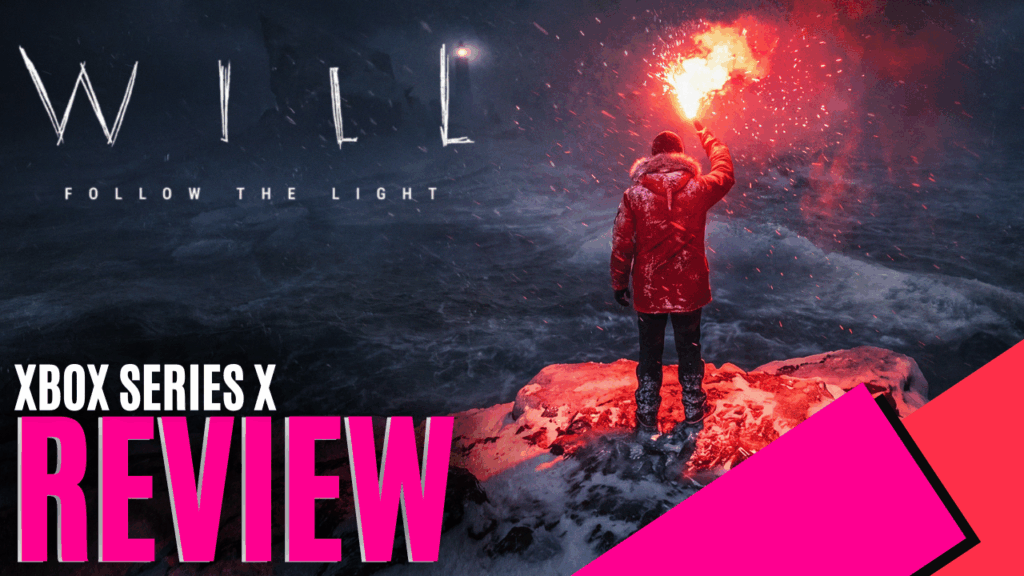
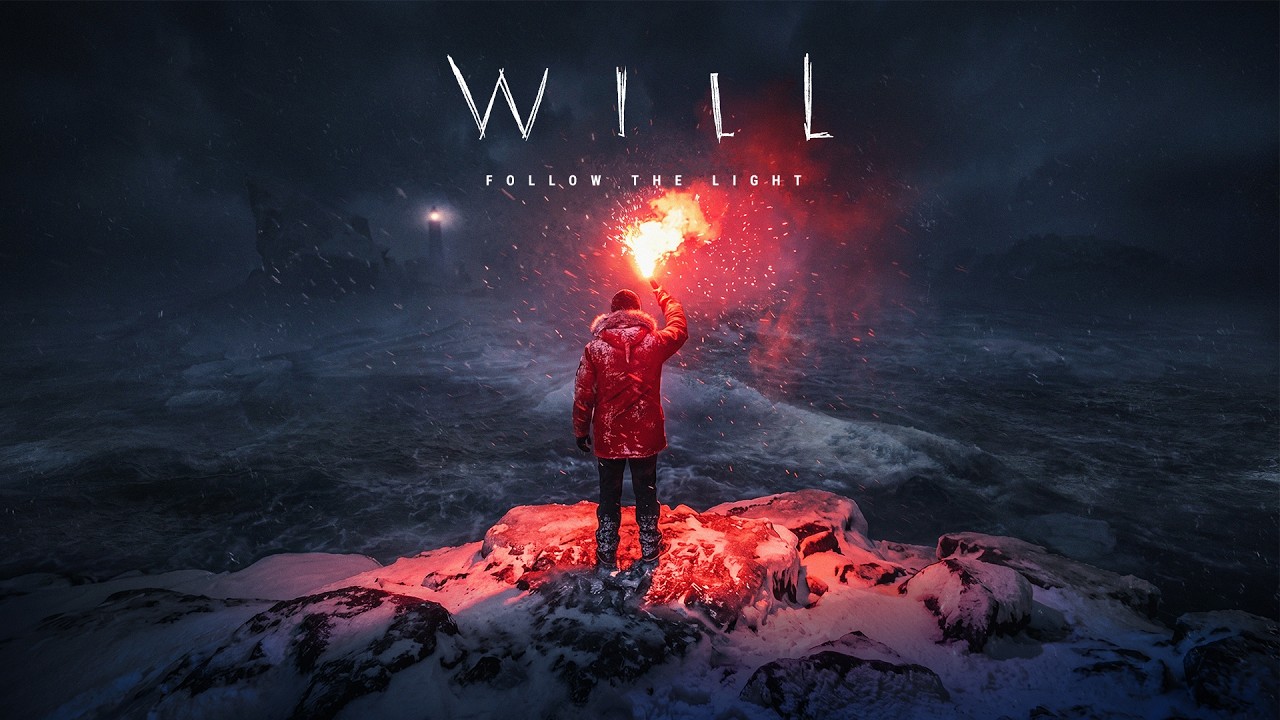
Published and developed by independent studio TomorrowHead Studio, WILL: Follow the Light is a story-driven, first-person adventure puzzle game that puts players at the helm of a sailboat out in the harsh seas during a major storm. WILL: Follow the Light is now sailing onto Xbox Series X|S, PlayStation 5, and PC.
Will is a lighthouse keeper on a remote island in the northern seas. The story begins during what was expected to be a regular night at work, when an unexpected radio message changes the course of his shift. Disaster has struck his hometown, and he can’t find any information about his son’s whereabouts, who was last with his grandfather. Determined to find him, he must set out on a quest aboard his sailboat named Molly and navigate the harsh northern seas. During his treacherous journey, more of Will’s story about his family and past comes to light as he explores stormy seas and snowy mountains, all to find his son.
Players take control of Will, and the game begins in his sailboat during a stormy night out at sea. The opening serves as a tutorial, teaching players some of the tricks of the trade for handling a sailboat and giving an early indication of what to expect later in the game.
He then wakes up at his desk after receiving a radio message about a big storm heading their way, and much of the game involves players completing various tasks and solving puzzles before getting back in the boat, where the real excitement is.
The game can be described as a walking simulator, with players completing tasks and solving puzzles to progress the story. The tasks are simple and are listed on the screen, though sometimes they’re not always clear. Often, a task is to go to a specific place, talk to a specific person, or find a specific item, but the game doesn’t give any indication of exactly where to go.
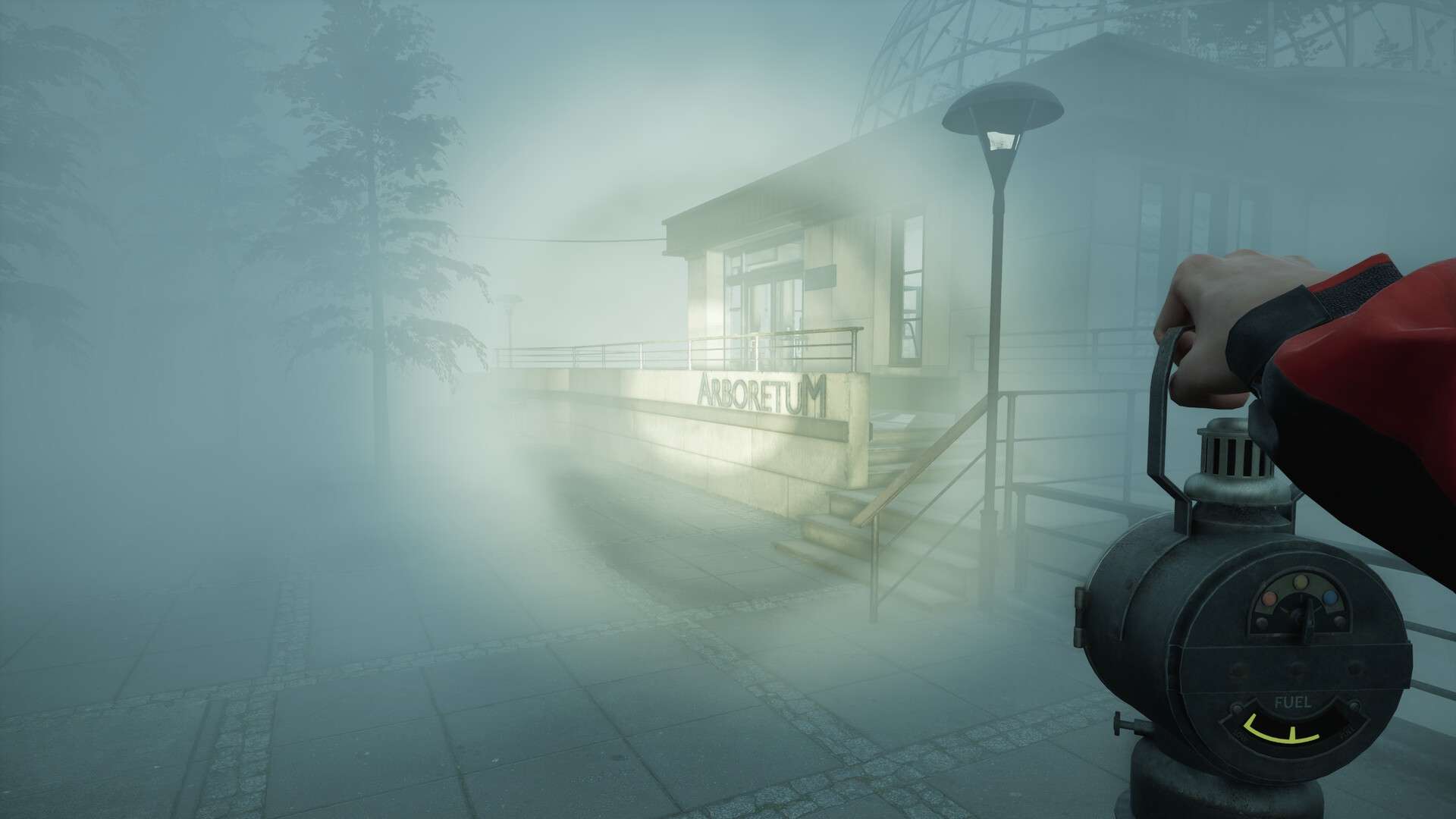
It might mention the location you need to go to, but it doesn’t tell you exactly where in that location, so you’ll be wandering around aimlessly until you get the response you want. Other times, a character will mention an item you need to find, but not every player will know what that item looks like, and it’s even harder when it’s a small item.
Other games will highlight the characters or items and point you in the right direction, but in this game, it’s just too vague. One example is early in the game: you need to collect rainwater and pour it into a flask to measure it. Finding that flask can be more difficult than necessary; even though it’s in an obvious location, it’s easy to miss. With some areas being big with lots of ground to cover, you might be spending more time than necessary just trying to find things to trigger the next part of the game.
Solving puzzles can be enjoyable and, at times, tedious. Part of being a lighthouse keeper is to know how to perform maintenance, repairs, electrical work and more, and the puzzles are all related to them. Some puzzles are straightforward but become increasingly challenging by rotating shapes to connect to connect power, flicking switches in a certain order, and lining up wave frequencies. Other puzzles involve piecing together pieces of machinery and equipment like a jigsaw puzzle.
These are the puzzles that feel tedious because you’ll mostly be guessing what order the pieces go in, with all the screws, nuts, bolts, shafts, gears and more. The easiest way to do them is to just pick things until they fit in somewhere, but this makes them feel unrewarding and unnecessary. There are instructions you can look at, but they’re just a picture of what the item looks like, put together, and don’t go into specifics.
Thankfully, all of the faults with completing tasks and solving puzzles aren’t bad enough that they ruin the whole experience, as the story, sailing and later, dog sledding are what will keep players going.
The story of a father searching for his son might sound cliché, but it’s how it’s executed that sets it apart from other similar stories. Putting players at the helm of a sailboat while traversing through the treacherous seas adds so much emotion to the game.
The story also works incredibly well with the gameplay, graphics and sound design, which all complement each other. Without giving any plot points away, the story might feel strange in parts and make you question reality, but it’s also kind of reflective of how it might feel in real life, with Will putting himself through hell and dealing with trauma. The story becomes more interesting the more you progress.
Sailing is the biggest selling point of this game, and there is a lot more to it than just raising a sail and letting the winds move you across the water. It’s very accurate to the real thing and can feel complicated at first, requiring you to remember all the parts and what they do, but thankfully, the game often prompts you on what to do next. Seeing how the boat reacts and changes speed by raising or lowering the sail, positioning the sail, tightening certain parts and more feels incredibly satisfying.
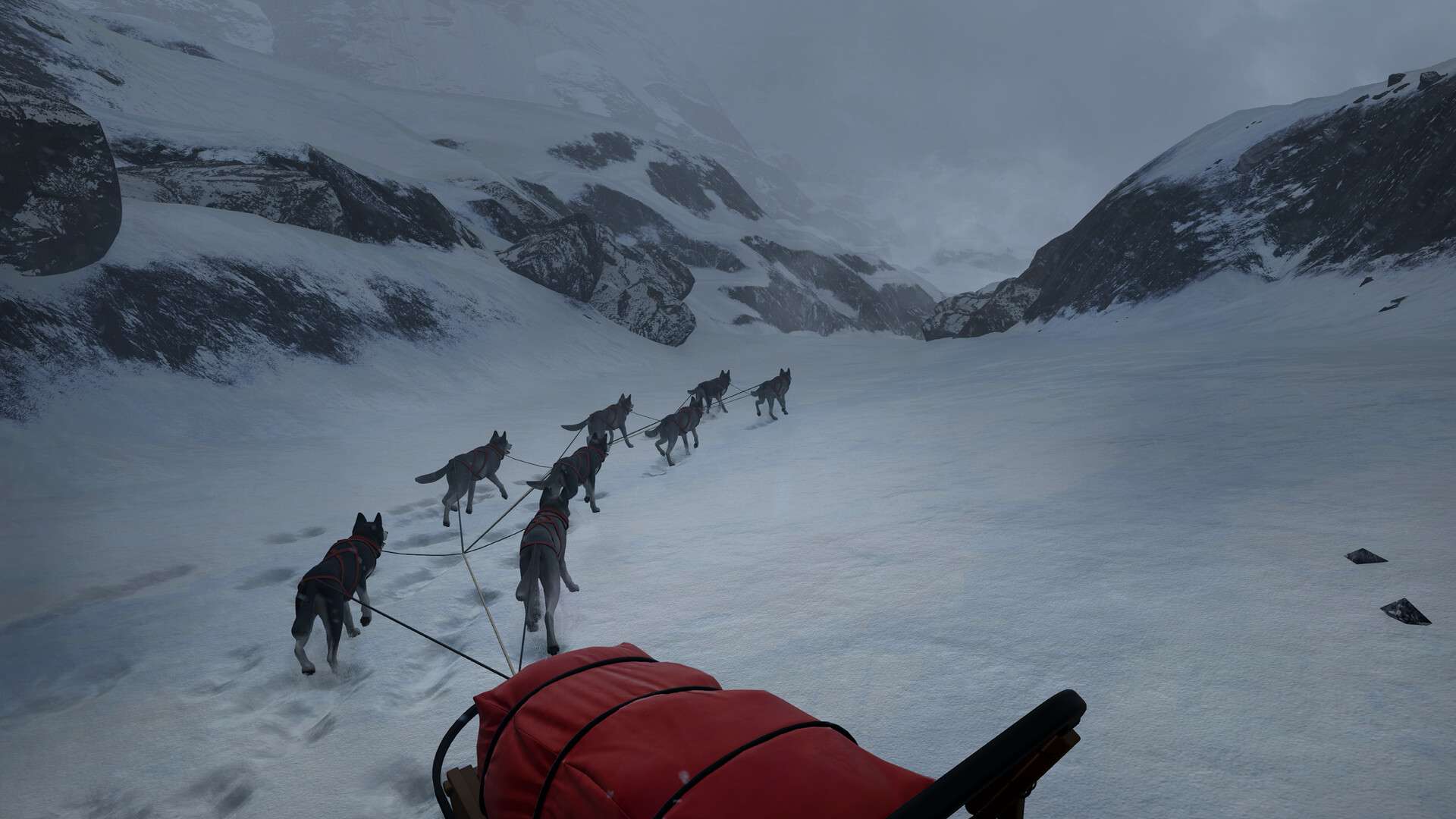
When traversing storms and rough seas, you really get that sense of urgency and danger, especially playing the whole game in first person as heavy rain pounds your face and waves smash against your boat, possibly capsizing it, and seeing it facing the sky will get your heart pumping. Dog sledding comes later in the game when exploring the snowy wilderness, and seeing it from the musher’s perspective really gives you that sense of speed on how fast those huskies can pull your sled.
The graphics also help create that feeling of being there and give players a good idea of what it must feel like to survive the unforgiving Nordic seas and walk through the icy wilderness.
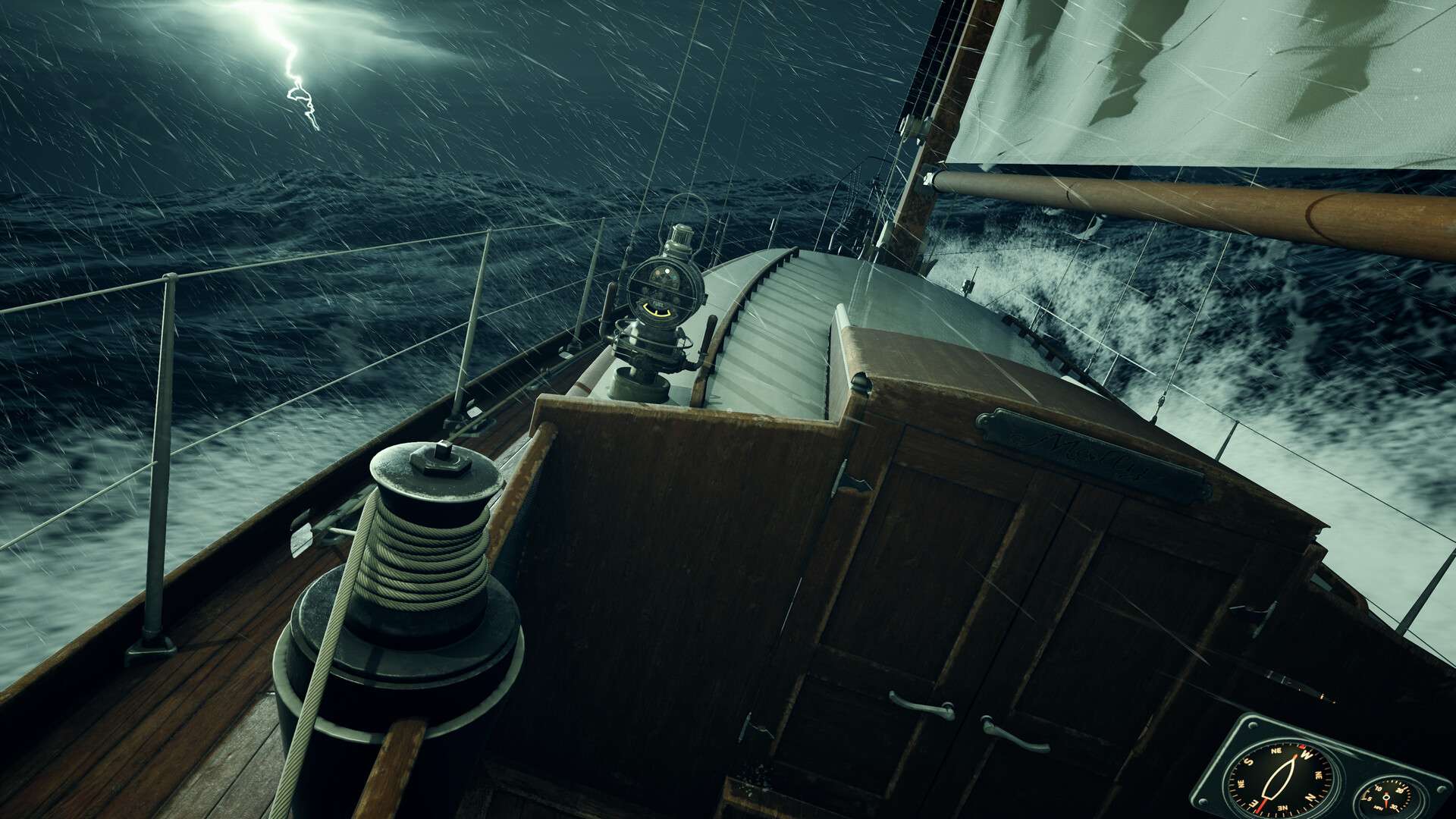
The water is detailed and animates like real water, whether the seas are calm or trying to drag you beneath it. While trekking through the snowy and icy areas, it’s almost like you can feel the cold coming through your screen. The rain is heavy and unrelenting, as you see it pouring from the clouds.
There is heavy fog throughout most of the game, but rather than feel like it’s trying to cover up graphical faults like other games have, it adds to the emotion of the game and the tension of the story. The sound design adds so much to all of the elements, making it feel like you’re actually there. This game truly makes you respect nature, but it also lets you relax and enjoy the breathtaking scenery around you.
The characters up close don’t look as good as the rest of the game, with emotionless faces and outdated animations. The voice acting itself is great for the most part, but sometimes it doesn’t feel like the voices are coming from the characters on screen and sound more like the original studio recordings, unedited. It sounds fine when Will is thinking to himself, but he comes across as out of place when speaking to someone. It’s certainly not the worst voice acting in a game, but there is room for improvement. Considering this game was made by an independent studio, the voice acting is still a solid effort despite the faults.
WILL: Follow the Light puts you in the thick of it by taking on raging storms out in the ocean to search far and wide, all for your missing son. Completing tasks and solving puzzles can be fun or tedious, but the gameplay of sailing the treacherous, stormy seas and dog sledding in the snowy wilderness helps turn a simple story into an epic adventure that will leave a lasting impression. There is room for improvement, but overall, this is a solid debut game by the self-funded TomorrowHead Studio. WILL: Follow the Light isn’t just a video game; it’s an experience.
The Good
- Sailing treacherous seas in first person
- Turns a simple story into an epic adventure
- Realistic sailing mechanics feels incredibly satisfying
- Story, graphics and sound design all complement each other
- Immersion really creates that sense of urgency and danger
The Bad
- Not always clear about where to go
- Information can be too vague
- Puzzles can feel tedious
- Characters up close don't look as good





 SuBZeRO2K
 Spotify
 Anchor
 iTunes