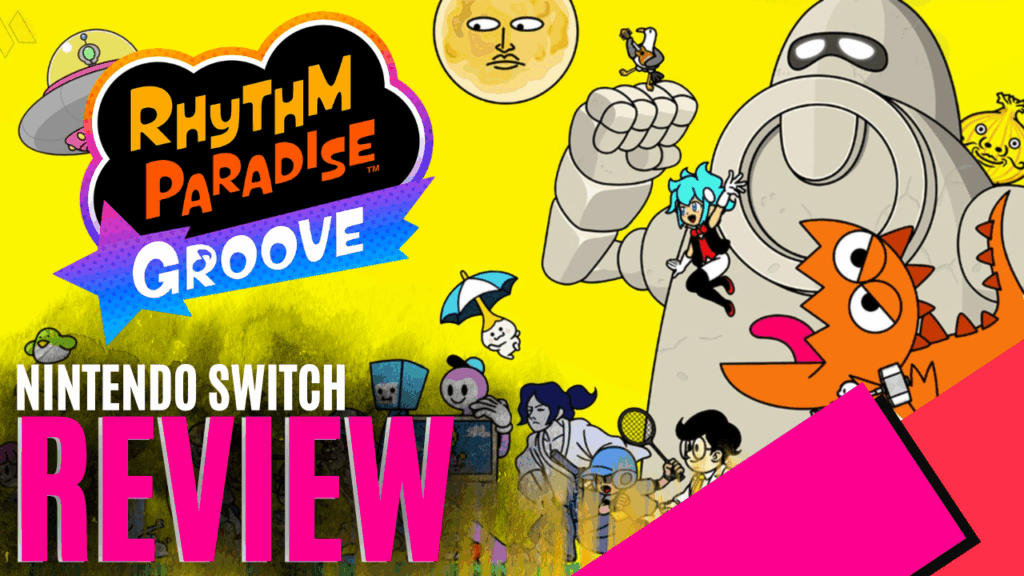
Known by a few different names depending on your region, the Nintendo-exclusive series Rhythm Paradise began as a Game Boy Advance game titled Rhythm Tengoku in 2006 and received a few sequels on the Nintendo DS, Nintendo 3DS, and Nintendo Wii. The franchise is known for its wide variety of rhythm-based minigames in which players must stay in rhythm and match the beat using visual and audio cues.
They might sound simple, but they were highly addictive, especially as the challenge and intensity increased. It’s been 11 long years since the last game, but a new entry in the series has finally arrived. Known as Rhythm Tengoku: Miracle Stars in Asia and Rhythm Heaven Groove in NTSC regions, Rhythm Paradise Groove is now moving and grooving exclusively on Nintendo Switch.
Rhythm Paradise Groove is also compatible with Nintendo Switch 2 and features 80 single-player rhythm minigames, spread across sixteen sets of five minigames, each containing four rhythm minigames plus one Remix, which combines the minigames in the set into a single big minigame. The minigames look and play somewhat like those in the WarioWare series, but everything is about staying in rhythm and matching the beats. The last set has five Remixes, each consisting of the minigames from all previous sets.
After players complete a minigame, one of three different rankings will be given based on their performance. Keep Trying means they were unsuccessful and have to try again, Good means they did well enough to proceed to the next level and Amazing means they exceeded the requirement and earned a medal to unlock extra minigames.
The rhythm-based minigames feature a wide variety of themes and require players to focus on visual and audio cues to match the beat of the music. Players could be jumping through hoops, opening and closing umbrellas, jumping and catching a frisbee as a dog, eating hearts shot out from flowers as a beast, then doing all of them as one minigame by switching between them to complete the set, and this is only Stage 1.
There are 16 stages in total for the main game, so players will have more than enough to keep them busy. There is a lot to discover throughout the game, as players will also be sweeping the floors, cutting vegetables, jumping over hurdles, jumping over car wipers, and much more.
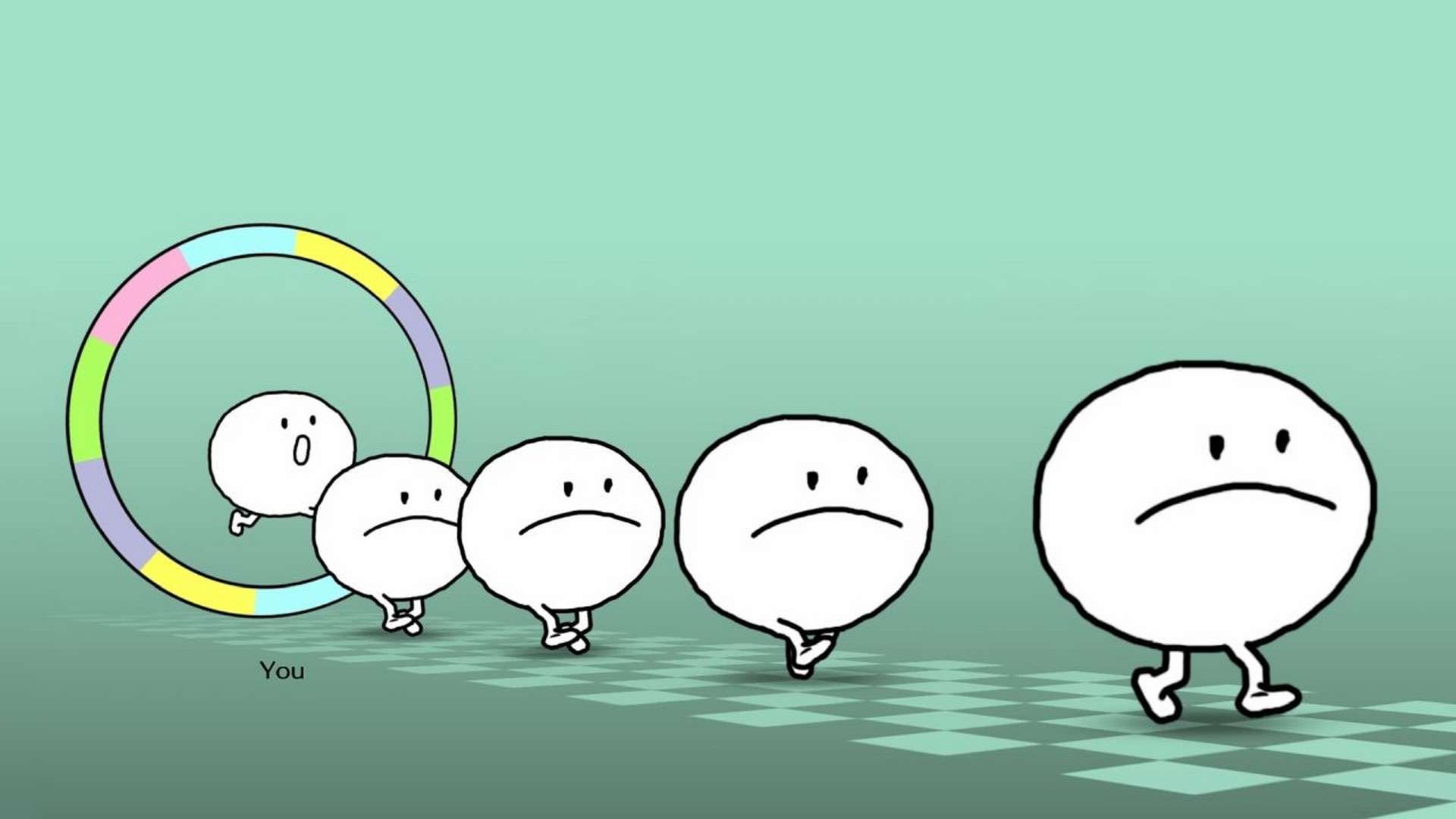
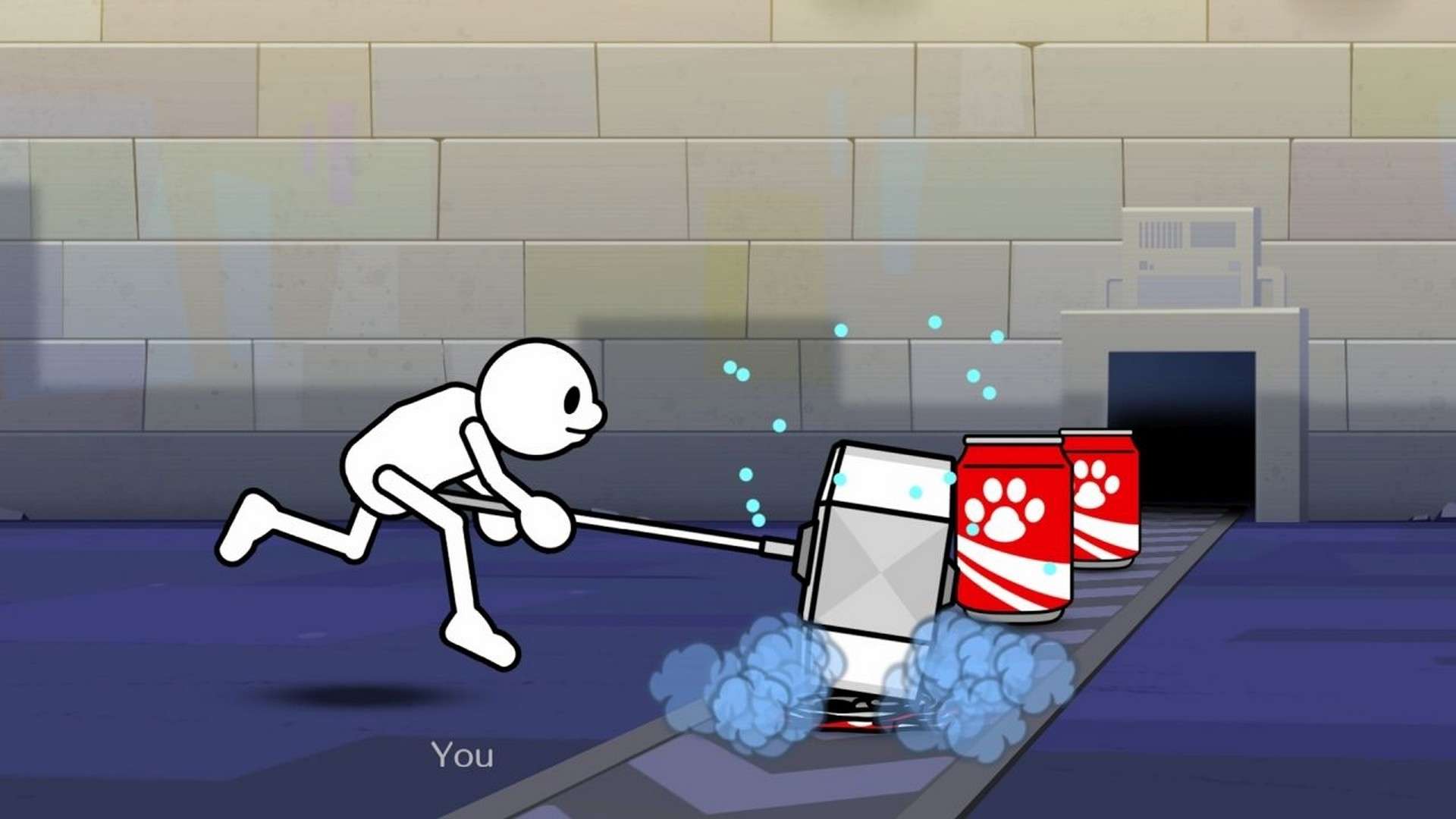
In every minigame, the beat doesn’t always stay the same; it often changes, forcing players to adapt on the fly so they don’t miss a beat. Sometimes a minigame might even speed up or slow down, hide visual or audio cues in different ways, and have on-screen distractions. As long as players can stay in rhythm, they can succeed, but of course, it’s easier said than done. Even the earlier minigames can be difficult if you’re not focused enough, and they’re an early indication of how challenging the overall game will be.
As difficult and frustrating as the minigames can get, that is what keeps players coming back for more because of how addictive they are. Your patience, focus, reflexes and adaptability will be tested. All the main single-player minigames can be completed in about 5 hours, but that depends on your success rate. Even after completing the game, they’re always fun to go back and play again, and there are also some side activities.
Those who earn medals by getting Amazing ranks can unlock extra content. They include Beatspell, Rhythm Toy Box, Drum Lessons, and Who’s Got Rhythm. Beatspell is a small RPG adventure mode using rhythm-based mechanics where players have to time button combinations to cast magic spells and defeat monsters across four chapters.
Rhythm Toy Box is a collection of casual rhythm minigames featuring unique concepts and no score to worry about. Drum Lessons is a returning series staple that allows players to practice and play drum beats. Who’s Got Rhythm is a quiz game presented like a game show, testing your rhythm knowledge and timing against other players or AI-controlled opponents.
There is also Quality of Life & Secrets with its own set of modes. The Cafe is where players can chat with the barista to get game tips or just relax and learn some fun trivia. Flipside Stages are alternate, rearranged variations of the core rhythm levels that are more challenging and push your skills to the limit. Score Attack and Perfect Campaigns have players attempting to complete songs with a flawless execution. If the main game wasn’t enough, these extra modes will certainly provide plenty of hours of extra activities.
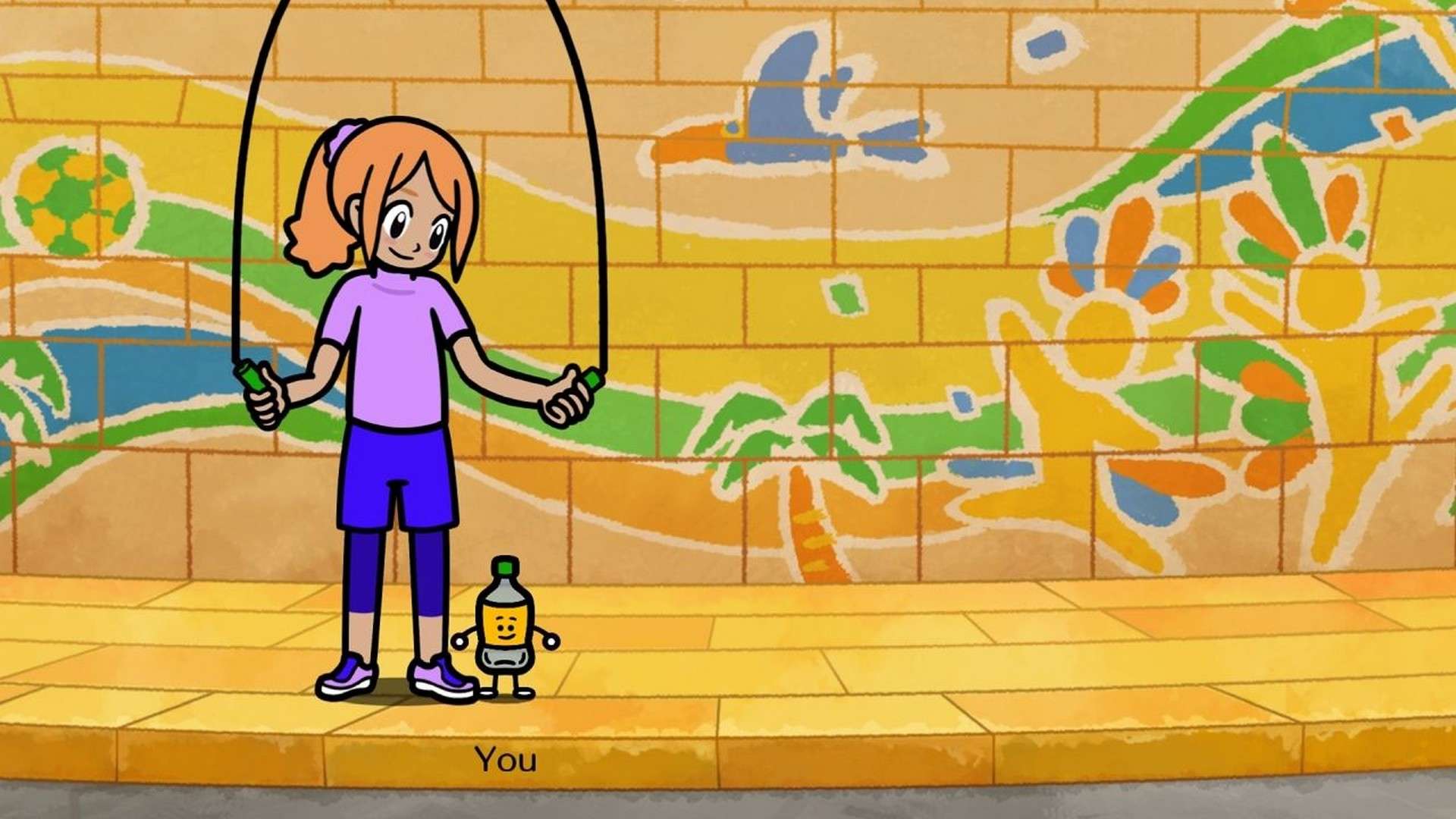

On top of all the single-player minigames already included, there are also another 30-plus rhythm minigames for up to 4 players for some co-op or competitive fun. Players can compete with one another or work together to pluck hairs from an onion, shoot asteroids, cut arrows shot at them, keep the ball in the air like volleyball players, be the fastest to grab a slice of cake, and more.
The multiplayer also uses the same rhythm-based game mechanics, and trying to work together or screw each other up will provide plenty of hilarious moments. The only downside is that there is no online play, but it makes sense given how precise you need to be in matching the beat as perfectly as possible.
When starting the game in docked mode, it will help calibrate the timing of your button inputs so everything is accurate, since not every TV will be perfectly synced with the gameplay. Playing in handheld mode has zero input delay, making it the ideal way to play and to better time your button inputs. Handheld mode also looks just as good as docked mode and, as mentioned, plays even better.
The game sticks to the same colourful cartoony art style it’s always had since the beginning, which is strikingly similar to the WarioWare games, even the animations, but manages to stand out on its own. The soundtrack, an important aspect of each minigame, was composed by Tsunku, Koji Kamada, Kaoru Okubo, Rei Kamiya, Shinji Ushiroda, Haruki Matsumoto and Daisuke Shiiba, plus guest singers Sakurai Yui from the group Fruits Zipper and Ado.
It’s been a long time since the last Rhythm Paradise game, but the wait has been worth it. With so many challenging and addictive rhythm-based minigames for solo play or multiplayer fun, players will have hours upon hours of fun at their fingertips. Players will be moving and grooving in Rhythm Paradise Groove.
The Good
- Over 80 rhythm-based minigames
- Fun, challenging and addictive
- Lots of extras
- Plenty of multiplayer minigames
- Lots of themes and variety
The Bad
- No online play




 SuBZeRO2K
 Spotify
 Anchor
 iTunes