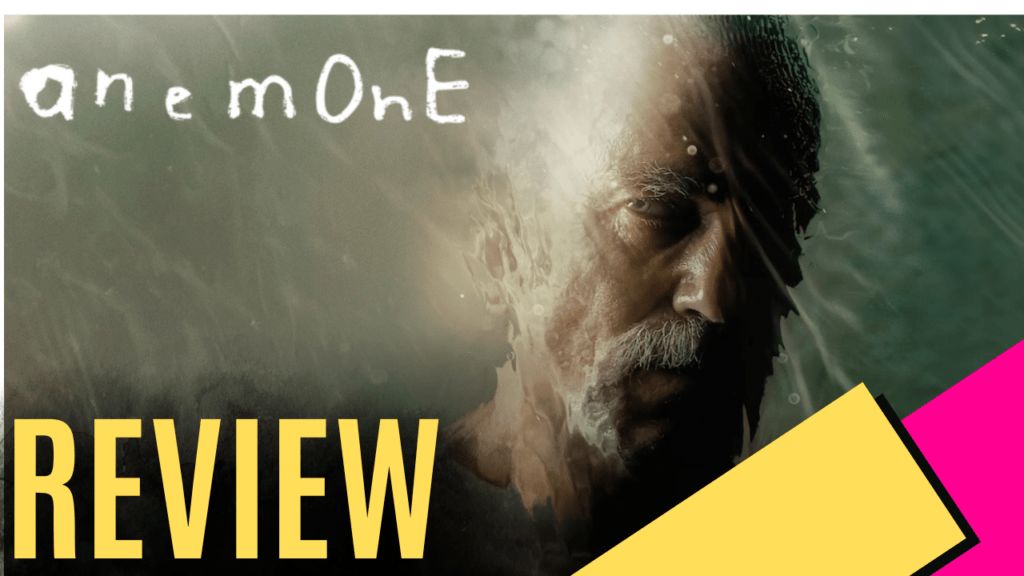
Anemone is an original story written by Daniel Day-Lewis and his son, Ronan Day-Lewis. Daniel Day-Lewis makes his big return to the big screen since his retirement from acting in 2017, and Ronan Day-Lewis makes his directorial debut. Anemone is now showing in cinemas worldwide.
Jem Stoker, a retired veteran, leaves his wife, Nessa, and son, Brian, to find his estranged, reclusive brother, Ray, living in the woods, who is also a retired veteran of the Troubles in Northern Ireland, hiding from a violent past. Jem asks him to help his son, Brian, who has been discharged from the army for bad behaviour and fighting. The film explores themes of guilt, forgiveness, the legacy of violence, and the complex relationships between fathers, sons, and brothers.
After retiring from acting in 2017, we thought we’d never get to see Daniel Day-Lewis on the big screen again. After eight years, he makes his long-awaited return as Ray Stoker. Day-Lewis’s performance shows a man who has been through so much during his military service, sharing war stories and discussing some of the heinous things he did and how he feels about them now. Everything he does on screen is done so well and meticulously that audiences can experience almost everything he’s feeling.
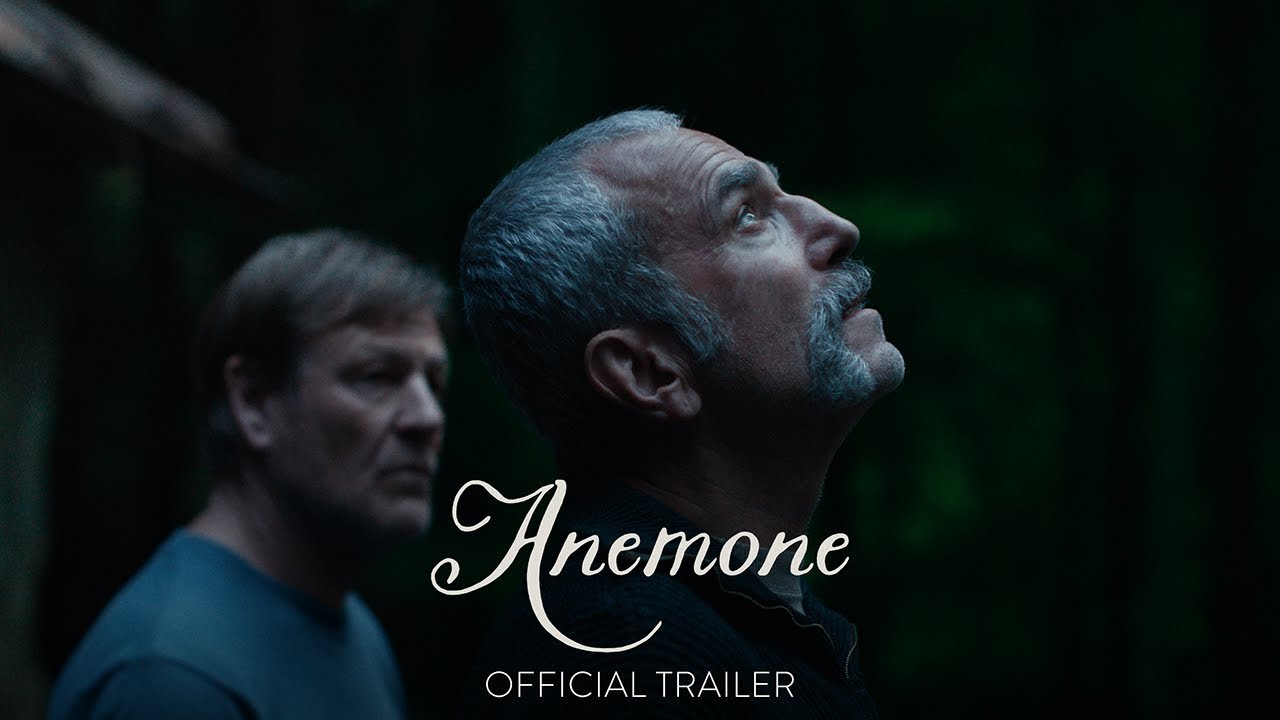
Sean Bean stars as Jem Stoker, who shares just about every scene with Daniel Day-Lewis. They show great on-screen chemistry as they share stories and discuss his son, Brian, and how to deal with his bad behaviour.
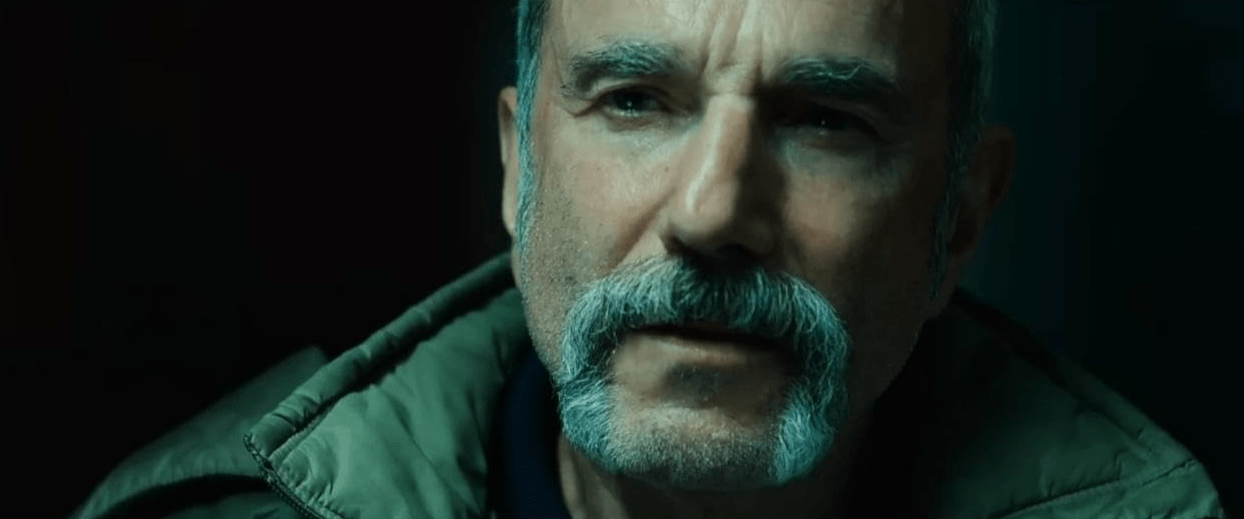
Jem and Ray Stoker spend much of the film conversing, reminiscing, laughing, doing chores, exercising and arguing, sometimes even getting physical. Despite being brothers, they feel like strangers after reuniting but slowly reconnect, often relating to each other’s stories and troubled times.
Jem’s son, Brian Stoker, is played by Samuel Bottomley and his wife, Nessa Stoker, is played by Samantha Morton. Brian has difficulty managing his emotions, which contribute to his poor behaviour in the army and lead to his discharge. His anger got worse after Jem left him and his mother, who tried to console him by telling him about his father’s troubled past, hoping it would help set him straight.
Anemone has an interesting premise and solid performances from the main cast, but overall, the execution falls flat. The trailers felt misleading, leading people to assume the film would be a psychological thriller about living in isolation, with tension building and some clips suggesting urgency. Audiences will quickly realise they’re watching a psychological drama with none of the excitement implied in the trailers.
The film’s story is heavily dialogue-driven. Audiences will mostly see the characters talking to each other and sharing stories about their pasts, and these are stretched out longer than they feel necessary. Other films that do this don’t do it for as long, or at least include visuals or flashback scenes to go along with the dialogue. The majority of the film consists of characters conversing, and even big-name actors can’t make these scenes more intriguing. There is barely any buildup to anything until the film reaches the end, and it stays at that same pace for most of the 2 hours and 6 minutes runtime.
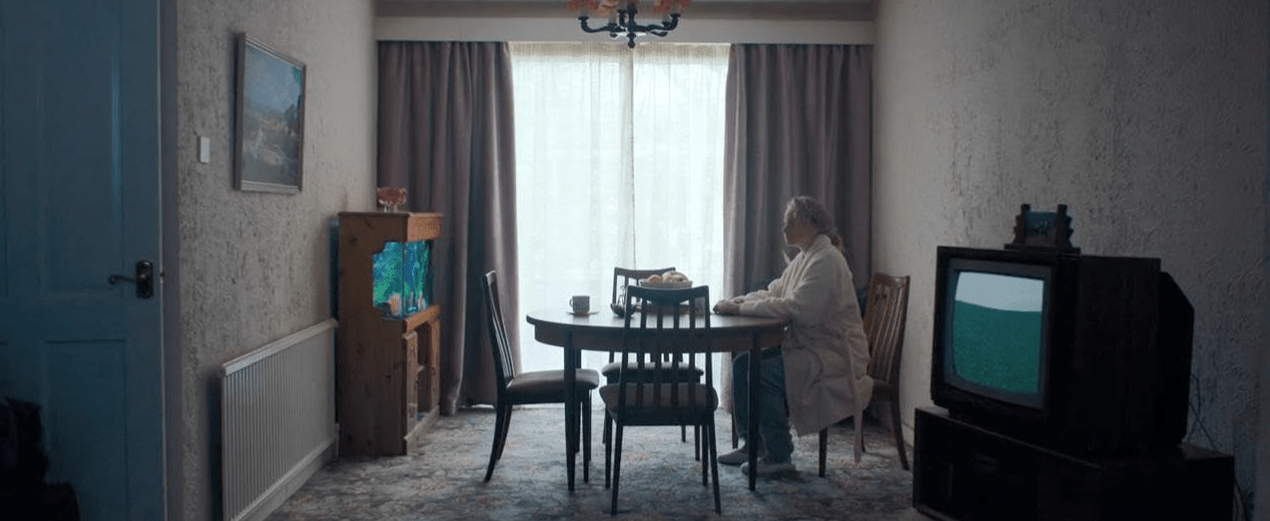
If audiences can pay attention to the conversations, some interesting stories are being shared. Stories about their time in the military are the most interesting that anyone who has spent time in the military could relate to. They even tell a lot of random stories, like about a packet of potato chips or about a time Ray went to the bathroom on a priest (I’m not kidding; he actually tells a story about that).
The stories can be wild and entertaining, especially because they’re being told by Daniel Day-Lewis and Sean Bean, but that’s if audiences are still paying attention and haven’t given up after the first act. The storytelling may get old quickly, but it also shows the psychological effects of war.
Something seen in the trailers was what could be supernatural events. Ray occasionally has some dream sequences or maybe hallucinations, seeing what might be spirits or whatever they are, with some haunting music to go along with them. They could be caused by the time he’s spent living in isolation, and while they don’t necessarily need to be explained, what they mean exactly, maybe leaving it up to the audience’s interpretation, they just feel pointless and don’t achieve anything.
Most of the film takes place at the cabin in the woods where Ray has been living in isolation. The set pieces are beautiful to look at and always pleasing to the eye. The idea might sound dreadful to some, but seeing it actually makes it look and feel peaceful, a safe haven for Ray to live and be far away from everything. Seeing Ray and Jem spending time together inside the cabin, eating by the campfire and running on the beach are some of the highlights of the film.
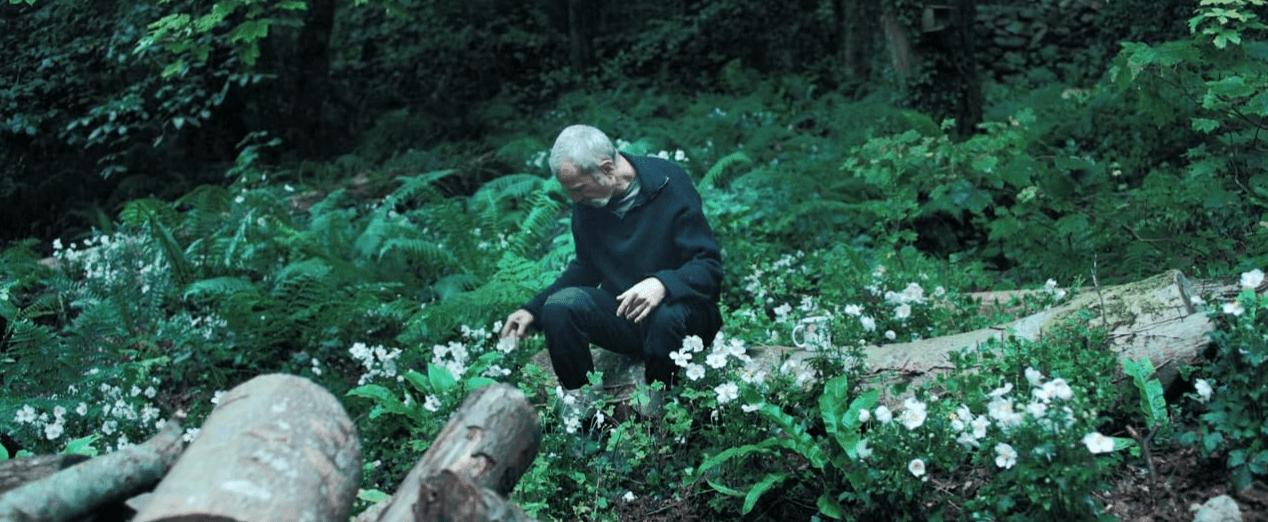
The main reason we got to see Daniel Day-Lewis return to acting was to star in his son, Ronan Day-Lewis’s, first feature film as a director. Ronan certainly had a unique vision and artistic eye for this movie. We can see what he was going for, and the potential was definitely there, but the overall execution just comes up short.
The film doesn’t seem to know what it wants to be or what message it’s trying to convey. That’s not to say that everyone won’t enjoy it, because there are certain audiences that can get into a story told in this style, especially with Daniel Day-Lewis and Sean Bean carrying the film, but the film simply won’t appeal to the majority, and the runtime of 2 hours and 6 minutes would be better spent on something else.
The ending does imply what might’ve happened before the credits start rolling, and the abrupt finish leaves it open for interpretation, but it just comes across as lazy to avoid writing a conclusive ending, and most audiences would’ve stopped caring an hour or more earlier.
Anemone is certainly an ambitious project for Ronan Day-Lewis in his directorial debut, but so many elements of the film fall flat and are uninteresting. Ronan can at least use this as a learning experience for future projects because he does have potential. There is a lot to like about Anemone, such as Daniel Day-Lewis and Sean Bean’s on-screen chemistry and the set pieces, but the bad greatly outweighs the good.
The Good
- Daniel Day-Lewis’s return to acting
- Daniel Day-Lewis and Sean Bean’s on-screen chemistry
- Beautiful set pieces
- Ronan Day-Lewis has potential as a director
The Bad
- Storytelling falls flat
- Stays on the same pace for most of the film
- Dream sequences are bizarre
- Abrupt ending comes across as lazy to avoid writing a conclusive ending
- Most audiences would lose interest after the first act






 SuBZeRO2K
 Spotify
 Anchor
 iTunes