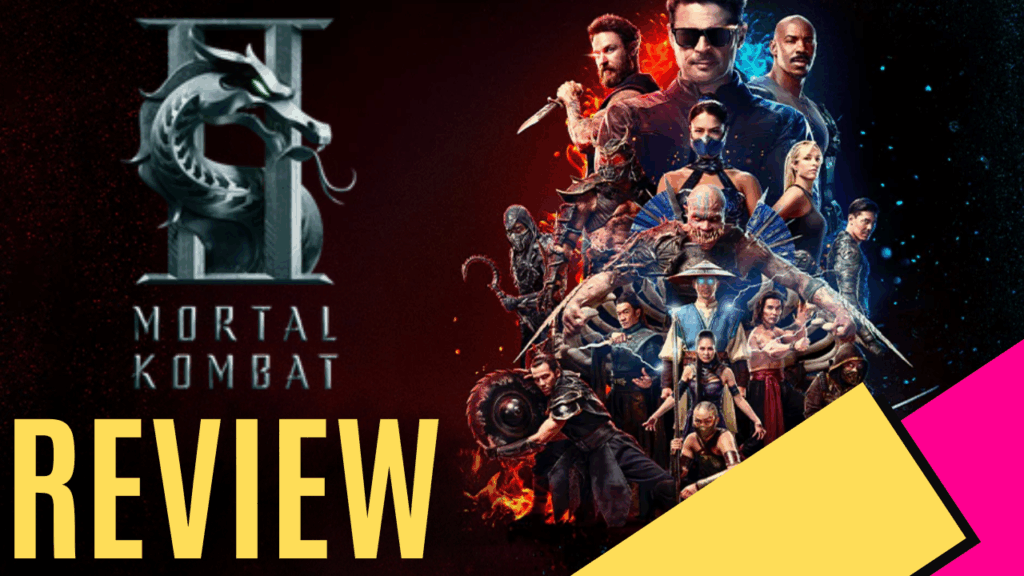
Simon McQuoid returns with Mortal Kombat II, a louder, bloodier, and far more confident sequel that finally leans into the franchise’s ridiculousness without losing sight of its brutal spectacle. Once more, the surviving cast of 2021’s Mortal Kombat step up to defend Earthrealm against a new enemy.
With a flurry of new characters, such as Karl Urban stepping in as Johnny Cage, the film takes a deep breath in, strikes a battle pose, and embraces the game’s legacy combination of camp, carnage, and fan-service-heavy energy in a way that feels like a much stronger fit for the series.
The film’s main storyline follows Kitana and Johnny Cage as they each face two sides of the same war. Kitana, having witnessed Edenia succumb to the wrath of Outworld’s emperor Shao Kahn, now fights to free her realm from tyranny and death.
On the other side, Johnny Cage, riding the memory of his glory days as a former action movie star, is confronted by Earthrealm’s champions, who aim to recruit him to defend their world in Kahn’s upcoming Mortal Kombat tournament. Shortly thereafter, the tournament begins, and both sides discover that there is more at stake than just the tournament, as lines are crossed and deception is only a button press away.
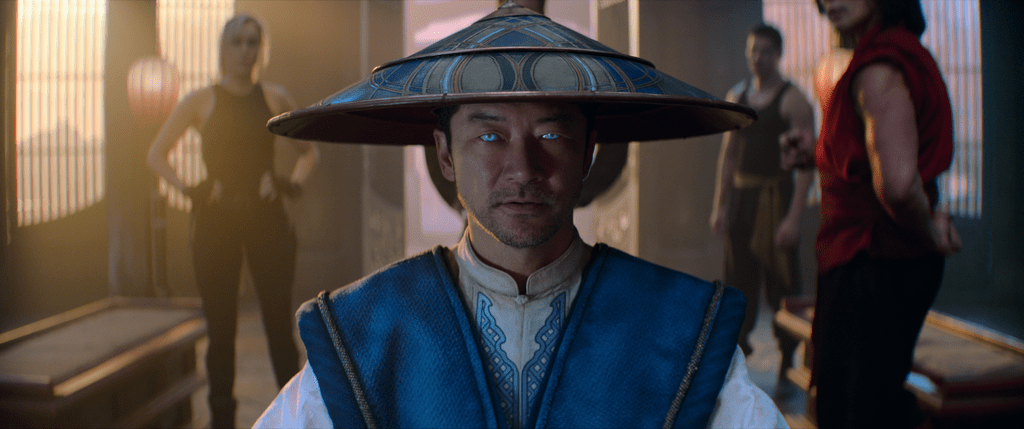
What stands out most about the tone is how much more willing this sequel is to embrace its own absurdity. The movie plays out like a Mortal Kombat story mode, with each dramatic scene resolved in a fight, and the movie moves forward with each victory or loss, setting the tone.
This time around, McQuoid’s directorial reign seems to be let free; compared to the 2021 film, the tone is a heavy concoction of comedy, gore, and fast-paced fights, which is exactly what the franchise is known for. Even if the movie is fronted by Kitana and Cage, every character matters, and every fight carries extra emotional weight, which allows the audience to care about every onscreen moment.
As previously mentioned, McQuoid brings back the surviving cast of 2021’s Mortal Kombat, this time fronted by Karl Urban as Johnny Cage, who is arguably the film’s biggest shake-up. Urban slots in perfectly with the previously established cast, sharing a slew of hilarious and memorable on-screen moments with returning Jessica McNamee’s Sonya Blade and fellow new addition Adeline Rudolph’s portrayal of Kitana.
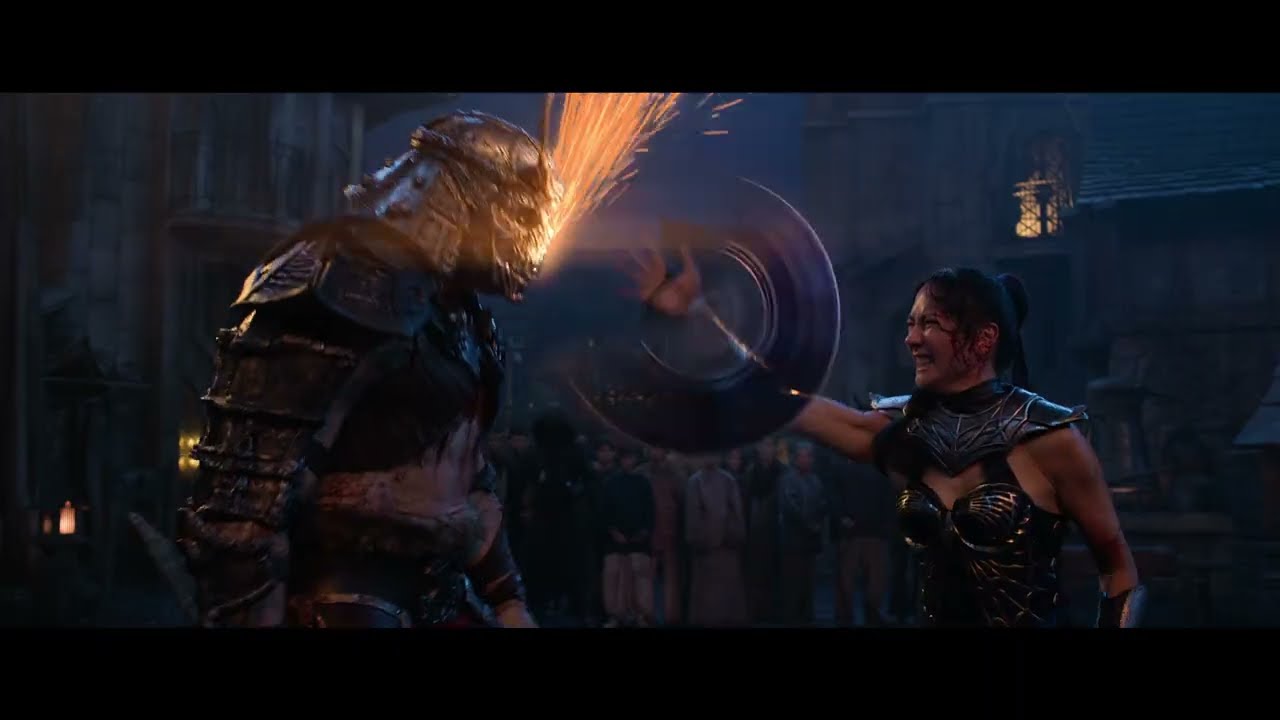
Speaking of, Adeline Rudolph stuns the screen as Kitana, showcasing the same power, grace, and ferocity that her character has undergone throughout the franchise’s lengthy lore. Her emotions deliver a real, authentic intensity, which helps guide the movie between its comedic and hard-hitting emotional moments. Between Urban and Rudolph, it’s the real-life, on-screen epitome of the classic comedy and tragedy masks.
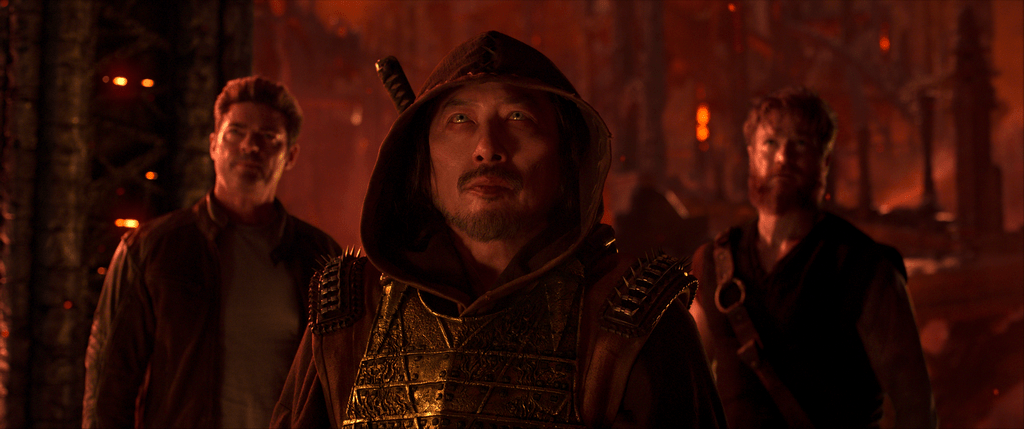
Visually, Mortal Kombat II is what we have come to expect from McQuoid’s prior outing, but this time with the intensity turned up to eleven. The direction and pacing are set to the same tone and timing of the Mortal Kombat video game story mode, allowing all character conversations to be clear, precise and direct the narrative, only to be complemented by the incredibly executed fight scenes.
McQuoid doesn’t return to just direct the story; he orchestrates it, turning each frame into a meaningful, deliberate incision, causing the viewers to both embrace the on-screen story, whilst feeling fulfilled as a fan.
Cinematographer Stephen F. Windon, who recently worked on such films as The Electric State and The Fast and the Furious 5-10, frames every shot with incredible composition and stature, so that each shot paints the Mortal Kombat world as an incredible breathing entity rather than just another motion picture film.
The lighting bleaches the warmth, showcasing the purity of Edenia and the wonder of Raiden’s Sky temple, whilst it also dreads the darkness, allowing Shao Kahn’s doom, gloom, and unsettling scenes to live forever in both the characters’ and audiences’ minds.
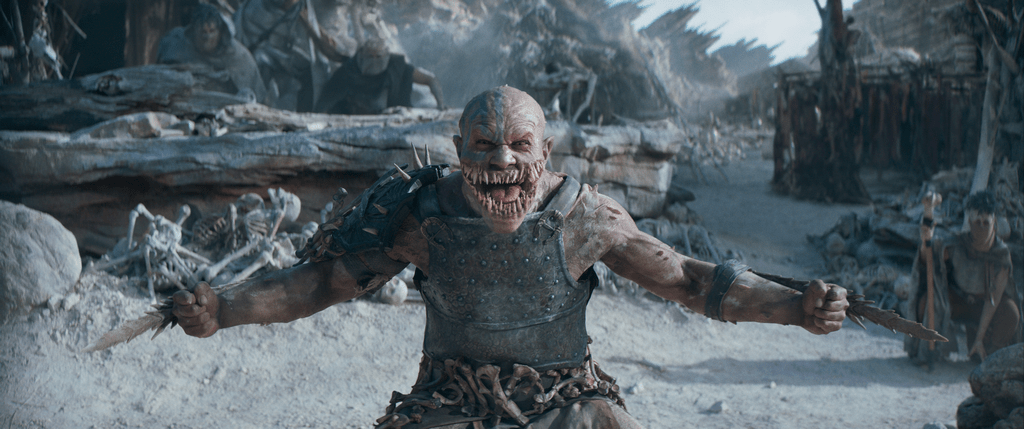
At its best, Mortal Kombat II seems to understand that this universe is not really about realism; it is about ritual, rivalry, and spectacle. The tournament format gives the story a natural spine, while the escalating war over Earthrealm gives the chaos a purpose, even when the movie clearly prioritises entertainment over deep emotional complexity.
That co-story balance looks to be the sequel’s greatest strength, because it turns what could have been a generic fantasy follow-up into something more recognisably Mortal Kombat. By leaning harder into the game’s identity, the film appears to have found the confidence the 2021 entry sometimes lacked.
Mortal Kombat II is the sequel fans were starving for: bigger, bloodier, and brilliantly executed, delivering a fatality to the first in the series. It does not pretend to be any more than what it needs to be, which is exactly what Mortal Kombat has strived for: originality, martial arts, and over-the-top chaos with lovable characters, well-timed comedic moments, and a well-paced story that is easy to digest and intake, over and over again.
The Good
- Karl Urban’s Johnny Cage looks like the perfect tonal fit for the franchise
- The action and fatalities look and feel stronger than in the first film
- The sequel is more faithful to the games’ tone and energy
- The expanded roster gives longtime fans plenty to latch onto
The Bad
- The story may still take a back seat to the spectacle
- Camp and chaos could overwhelm viewers wanting stronger drama
- The ensemble may feel crowded given how many fighters are in play
- Division may arise for viewers who prefer a more serious fantasy tone




 SuBZeRO2K
 Spotify
 Anchor
 iTunes