
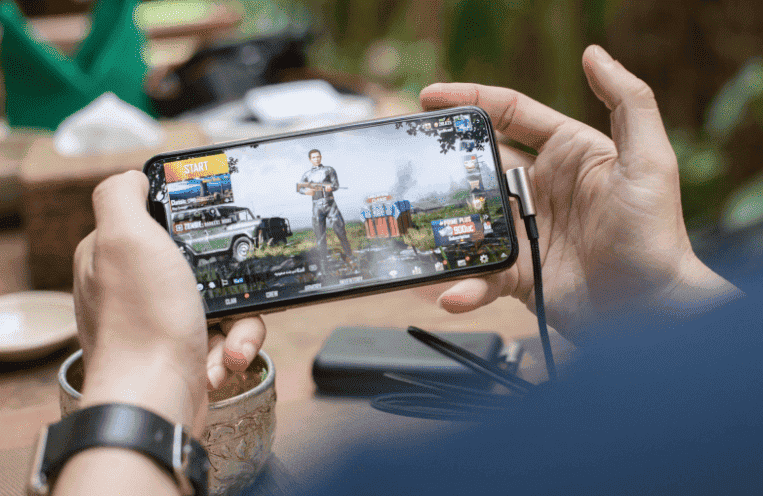
In the rapidly evolving landscape of digital entertainment, mobile gaming has emerged as a formidable contender in the multiplayer arena. What was once considered a casual diversion has transformed into a sophisticated ecosystem capable of delivering complex, engaging multiplayer experiences. This transformation raises a pivotal question for the gaming industry and its consumers: Can mobile multiplayer truly compete with the established dominance of console and PC platforms? The answer is nuanced, revealing both remarkable achievements and persistent limitations as mobile platforms strive for parity with their traditional counterparts.
The Rise of Mobile Multiplayer
The trajectory of mobile gaming has been nothing short of meteoric. From rudimentary single-player experiences to complex multiplayer ecosystems, the evolution has been driven by technological advancements and changing consumer preferences. The contemporary mobile device now houses processing capabilities that rival gaming hardware from just a few generations ago, enabling developers to create increasingly sophisticated multiplayer experiences.
Games like PUBG Mobile and Call of Duty Mobile have demonstrated that scaled-down versions of popular console and PC titles can attract massive player bases. These adaptations have achieved remarkable success not merely as mobile alternatives but as legitimate gaming experiences in their own right. The accessibility of mobile platforms has democratised multiplayer gaming, bringing competitive experiences to demographics previously untouched by traditional gaming platforms. Some players have even turned to social casinos, drawn by their mix of casual gameplay and interactive, community-driven features that reflect other multiplayer environments.
A trend is emerging around casual players who enjoy gaming purely for the experience rather than chasing major payouts. Gambling expert Andreea Stanescu highlights how some of the best online social casinos are ideal for those who prefer no risk gaming with friends but still want the option to win real rewards. Platforms like Mega Bonanza and Stake.us offer low-risk experiences using free-play credits where players can earn virtual coins, known as sweepcoins, through games like slots, baccarat, poker, roulette, and blackjack, and later redeem them for perks such as gift cards or cash prizes via direct bank transfers. This shift highlights how mobile gaming is no longer just about convenience, it’s shaping a new era of digital play where accessibility, community, and even real-world rewards seamlessly come together.
Technical Capabilities and Limitations
Despite significant advancements, mobile devices continue to operate under constraints that affect multiplayer performance. Battery limitations remain perhaps the most significant barrier to extended multiplayer sessions. High-performance games drain power rapidly, creating natural boundaries for engagement that console and PC users do not face. Additionally, thermal management presents a persistent challenge, with devices often throttling performance during extended play to prevent overheating. However, there are ways to extend battery life while mobile gaming, such as adjusting game settings on your phone, using a power bank, and turning off Force 4x Multisample Anti-Aliasing (MSAA).
Network reliability represents another crucial consideration for multiplayer experiences. While mobile connectivity has improved dramatically, it cannot yet match the stability of wired connections typically used with consoles and PCS. This discrepancy manifests in higher latency and more frequent disconnections, factors that can significantly impact competitive play where milliseconds often determine outcomes.
The control interface presents perhaps the most fundamental distinction between mobile and traditional platforms. Touch screens, while versatile, lack the precision of physical controllers and keyboard-mouse combinations. This limitation has prompted innovative solutions, including the development of mobile-specific control schemes and the increasing prevalence of external controllers. However, these adaptations represent acknowledgements of an inherent limitation rather than complete solutions.
The Ecosystem Advantage
Where mobile platforms potentially surpass their traditional counterparts is in ecosystem integration and accessibility. The widespread presence of smartphones has created an unprecedented potential player base. With over 7,2 billion smartphones worldwide, mobile games can reach audiences that dwarf the combined user base of all gaming consoles. This massive reach translates to shorter matchmaking times and more diverse player pools.
The free-to-play model, while not exclusive to mobile platforms, has found particular success in the mobile space. This economic model reduces barriers to entry, allowing players to experience games without initial investment. The resulting financial ecosystem has proven remarkably lucrative, with successful mobile titles often generating revenue that equals or exceeds their console counterparts through microtransactions and advertising.
Social integration represents another significant advantage for mobile multiplayer. Smartphones are communication devices first and gaming platforms second, creating natural pathways for social interaction around gaming experiences. This integration enables frictionless transitions between communication and play, fostering community development in ways that traditional platforms must actively engineer.
Competitive Gaming on Mobile
Perhaps the most telling indicator of mobile’s competitive viability is the emergence of professional mobile esports. Titles like Mobile Legends and Arena of Valor have developed robust competitive scenes with substantial prize pools and dedicated professional players. These ecosystems demonstrate that mobile multiplayer can support the highest levels of competitive play, though questions of competitive integrity persist.
The comparative skill ceiling between mobile and traditional platforms remains a subject of debate. While touch controls have evolved significantly, many competitive players argue that they cannot match the precision of traditional input methods. This perception has led to controversial implementations of aim assistance and other compensatory mechanics in cross-platform titles, highlighting the continuing disparities between input methodologies.
Cross-platform play represents both an opportunity and a challenge for mobile multiplayer. While enabling mobile players to compete alongside console and PC users expands player pools and fosters community integration, it also exposes the technical and control disparities between platforms. Successful implementation requires careful balancing to ensure fair competition across different hardware configurations.
The Future Landscape
Technological convergence is narrowing the gap between mobile and traditional gaming. With advances in mobile hardware and cloud services like Xbox Cloud Gaming and GeForce Now, console-quality experiences are now possible on mobile.
Cultural attitudes are shifting, too. As mobile multiplayer games improve, the lingering stigma is fading. Industry investment reflects this momentum, with top publishers building mobile versions of major franchises and supporting long-term ecosystems.
Rather than rivals, mobile and traditional platforms are becoming complementary. Mobile offers accessibility and social connection, while consoles and PCS deliver top-tier performance. As tech evolves, success will depend on tailoring games to each platform’s strengths, not copying others.



 SuBZeRO2K
 Spotify
 Anchor
 iTunes