
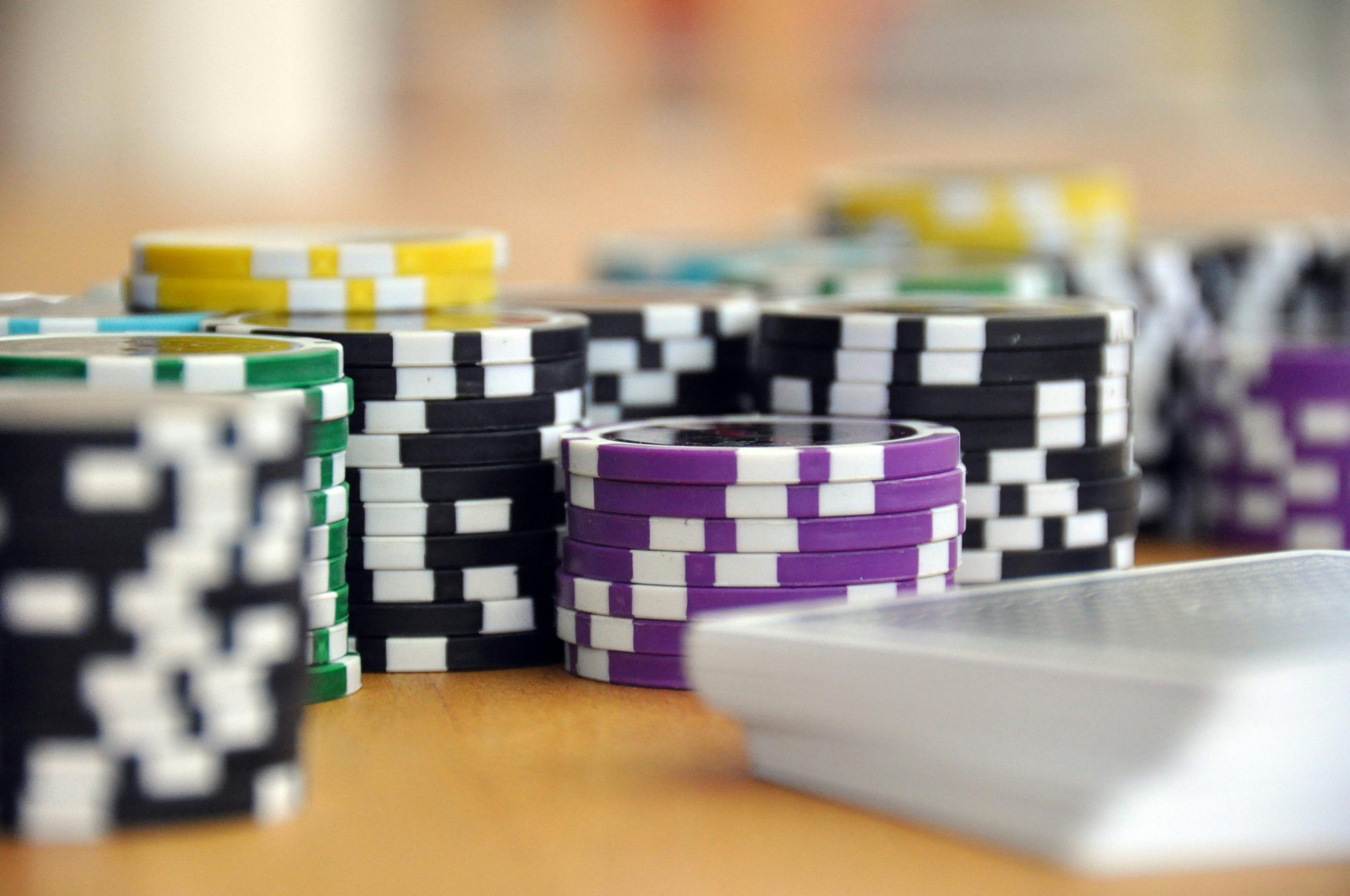
Caribbean Stud Poker began its life aboard cruise ships during the mid-1980s, then spread across land-based card rooms and online tables within a decade. Many Canadian card fans first meet the title through the table games menu at sites such as Glorion Casino https://glorion.com/ca/, where it sits beside blackjack, baccarat, and assorted poker variants. Unlike Texas Hold’em or Omaha, rounds pit each seated player against the house rather than other players at the felt.
How a Round Plays Out
A hand opens with an ante wager placed before any cards hit the table. The dealer then passes five face-down cards to every seated player and deals five to themselves, with one card turned face-up. After a quick look at the hand, a player picks between folding, which forfeits the ante, or raising with a bet equal to double the ante. The dealer then reveals their remaining four cards and compares hands.
Dealer Qualification and Fixed Payouts
A quirk sets Caribbean Stud apart from most table poker formats at the casino. The dealer must hold at least an Ace-King combination for the hand to qualify. Should the dealer’s hand fall short, the ante pays even money and the raise pushes back to the player untouched. When the dealer qualifies and loses, both the ante and the raise pay out based on hand rank.
Payouts follow a fixed scale that differs slightly between venues:
- Pair or high card – even money on the raise.
- Two pair – 2 to 1.
- Three of a kind – 3 to 1.
- Straight – 4 to 1.
- Flush – 5 to 1.
- Full house – 7 to 1.
- Four of a kind – 20 to 1.
- Straight flush – 50 to 1.
- Royal flush – 100 to 1.
House edge sits around 5.22% on the base wager, which places Caribbean Stud on the higher side compared to blackjack or baccarat. Card counting holds no value here since the deck shuffles after every hand.
Progressive Side Bets and Jackpot Pools
A separate $1 side wager opens the door to a progressive jackpot shared across connected tables. Hitting a royal flush typically pays the full jackpot, while lesser hands return fixed amounts from a side pool. Canadian casino floors often link their progressive pools across multiple venues, which pushes top prizes past six figures within weeks.
Three traits define most progressive setups:
- Flat $1 side wager regardless of the main bet size.
- Tiered fixed payouts for flushes, full houses, four of a kind, and straight flushes.
- Growing jackpot paid in full on a royal flush.
Hit frequency for a royal flush sits near one in 650,000 hands, so side-bet returns favor the house heavily over the long run. Players drawn to the format tend to treat the $1 wager as a small cost for lottery-style variance rather than a mathematically sound add-on. Online editions use random-number generators audited by independent labs, while live-dealer versions rely on shuffling machines and multi-camera feeds for verification.





 SuBZeRO2K
 Spotify
 Anchor
 iTunes