Introduction
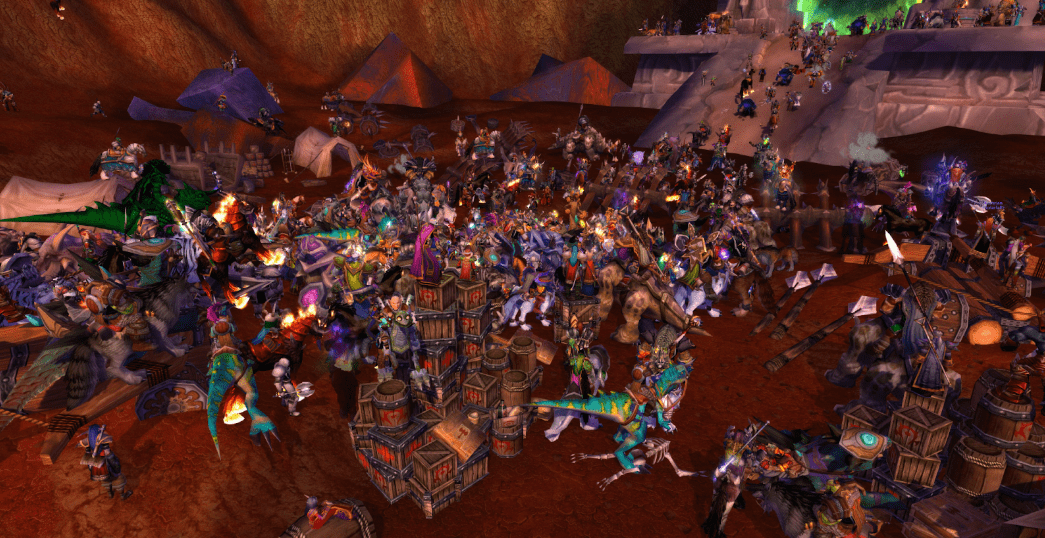
The Dark Portal opened again, and for gamers across Australia and New Zealand, the excitement was immediate. WoW TBC Anniversary servers went live, the nostalgia hit hard, and for a brief moment it felt like 2007 all over again — in the best possible way.
Then reality set back in.
Playing PvP from Oceania has always carried its own particular frustrations, and TBC Anniversary has brought every single one of them back with it. The timezone isolation. The thin bracket populations. The LFG channel that goes completely silent at 11 PM Sydney time while the rest of the world sleeps. For OCE players trying to grind arena rating alongside full-time jobs and adult responsibilities, the system feels like it was specifically designed to punish you for living in the wrong hemisphere.
It wasn’t, of course. But it sure feels that way on a Tuesday night.
The Reality of the OCE Arena Bracket
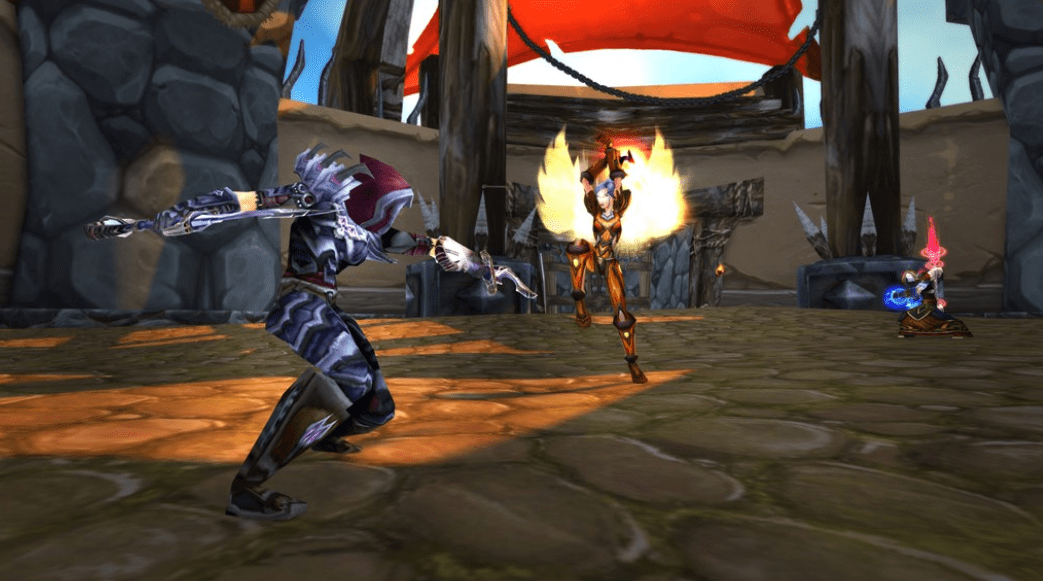
Here’s the core problem with arenas on OCE servers like Arugal and Remulos: the player population simply isn’t large enough to support a healthy MMR ecosystem.
In a properly sized bracket, your matchmaking rating acts as a filter — you face teams at roughly your skill level, climb gradually, and the system rewards consistent effort. On OCE servers, that filter breaks down fast. The pool is shallow enough that casual players or returning veterans with limited hours regularly get thrown against multi-Gladiator teams who have been playing arena competitively since Phase 1 launched.
This is where the contrast with Retail WoW becomes genuinely painful. On Retail, OCE players queue seamlessly into the massive US player pool. Cross-region matchmaking means there’s always someone at your rating available, regardless of what time it is in Brisbane or Auckland. Classic WoW doesn’t work that way. Server isolation is baked into the design, and for OCE players grinding the Arena Points cap each week, that isolation has real consequences.
Miss a week because the bracket was dead and you couldn’t find partners? You fall behind the gear curve. No catch-up mechanics. No sympathy from the vendor.
The US Migration Solution
The workaround that a growing number of OCE players have landed on is straightforward, if slightly annoying: roll on US-West realms instead.
Yes, you’re looking at 150–180ms ping. Yes, that’s noticeable in a fast-paced arena environment. But here’s the trade-off that makes it worthwhile for most working adults — on a high-population US-West server, you can actually find partners at 2 AM Sydney time. The LFG channel is alive. The bracket has depth. The MMR system functions the way it was intended to.
For a lot of OCE players, the math works out clearly:
- Population wins over ping — a live bracket at 170ms beats a dead one at 30ms every time
- Partner availability — US primetime overlaps with OCE late nights and early mornings, meaning sessions are actually possible on weeknights
- Bracket health — you fight teams at your actual rating instead of being fed to Gladiators because there’s nobody else available
The latency is manageable for most specs, particularly for those not playing hyper-reactive melee comps. Casters, healers, and ranged DPS report the experience as perfectly playable. It’s not ideal. But it’s functional in a way that the OCE bracket often isn’t.
Overcoming the Timezone Barrier
Here’s where even the US migration solution hits a wall for the genuinely busy adult gamer.
Moving to US-West realms solves the population problem, but it doesn’t solve the time problem. The weekly Arena Points cap still requires consistent sessions. The matchmaking rating still needs to be maintained. And if your job, your family, or your commute eat up the hours when US primetime arena is running, you’re still falling behind — just in a healthier bracket than before.
This is the gap that piloted services have moved in to fill. The concept is simple: US-based professionals run your arena sessions during US primetime — which, for an OCE player, is the middle of the workday or the middle of the night. Your character accumulates points and maintains rating while you’re in a meeting or asleep. You log in on Friday night OCE time, and the week’s work is already done.
For players who want to ensure their character stays geared despite the timezone differences, utilizing a Fresh TBC Classic Arena Boost has become a standard strategy for maintaining the weekly points cap without sacrificing sleep or productivity. It’s not cutting corners — it’s solving a structural problem that Blizzard’s server design created and never bothered to fix for the Southern Hemisphere.
Reclaiming Your Weekend Gameplay
So what does success actually look like when the system is working in your favour?
Friday night, OCE prime time. You log in, your points are capped, your rating is solid, and the Phase 1 PvP gear you’ve been building toward is sitting on the vendor waiting for you. You buy it. Then you go do literally whatever you want.
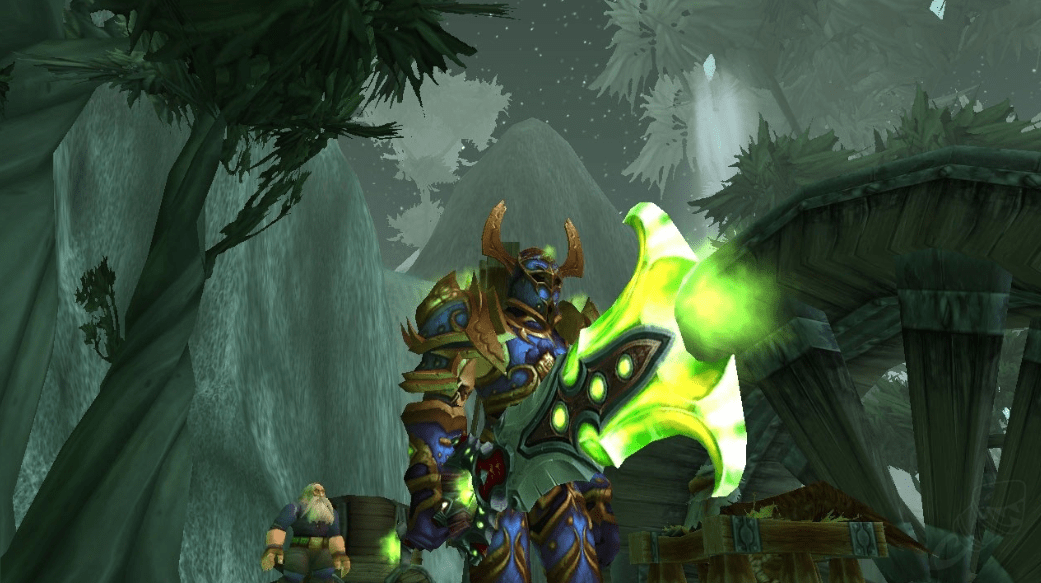
Maybe that’s Karazhan with your local OCE guild — the raid that remains one of the best-designed instances in WoW history and holds up beautifully in Anniversary form. Maybe it’s casual Battlegrounds, where being properly geared means you’re an asset to your team instead of an easy target. Maybe it’s open-world PvP in Nagrand, the kind of chaotic, unscripted fighting that keeps people coming back to Classic years after it should have run out of steam.
That’s the version of Outland that OCE players reinstalled for. Not the timezone math. Not the dead LFG channel. Not the panic of watching the weekly cap slip away because the bracket dried up at 11 PM on a Tuesday.
Conclusion
Playing WoW TBC Anniversary from Australia or New Zealand comes with real structural challenges — thin brackets, timezone mismatches, and a server design that wasn’t built with the Southern Hemisphere in mind. But the OCE community has found practical ways around it, from migrating to high-population US-West realms to using piloted services to bridge the timezone gap entirely.
The game is worth coming back to. Outland is worth exploring. You just have to play the meta that actually works for your timezone, your schedule, and your life — not the one that worked for a teenager in 2007.



 SuBZeRO2K
 Spotify
 Anchor
 iTunes