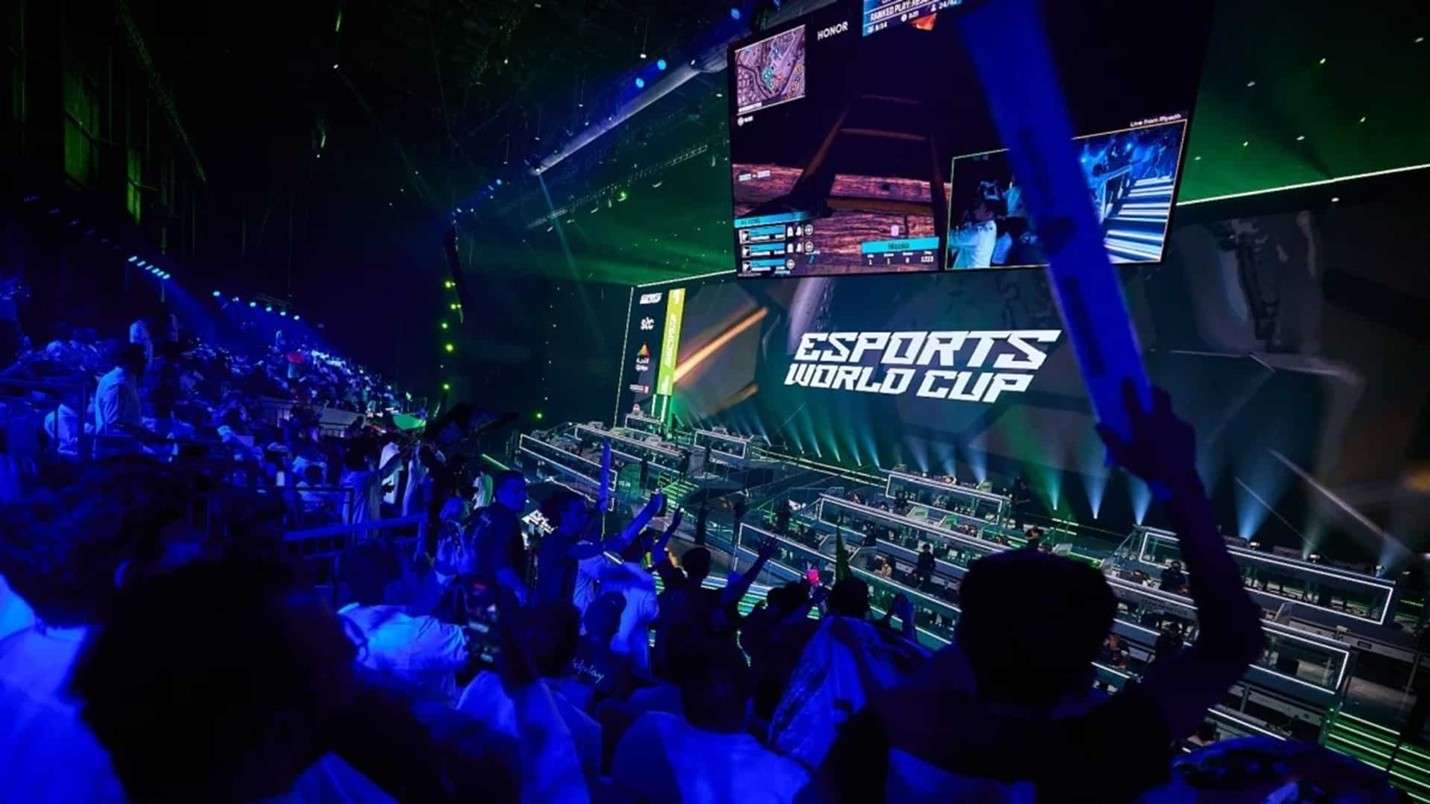
This article presents a detailed look at the 2025 Esports World Cup (EWC) in Riyadh—highlighting its newly raised prize pool, expanded game lineup, key players, structural changes, and what all of this means for esports at large. It includes all the numbers: prize‐money breakdowns, event dates, confirmed participants, investments, and strategic alignments with Saudi Arabia’s goals.
Overview of what is new in the 2025 edition: games, prize money, format
The Esports World Cup 2025 runs from July 7 through August 24, 2025, with the total prize pool exceeding US$70 million, a US$10 million increase over the 2024 edition. The event features 24 different games, up from 21 in 2024, including new inclusions like chess, Crossfire, Fatal Fury: City of the Wolves, and Valorant. There are 25 tournaments / events across those 24 games.
Over 2,000 elite players will compete, while the top 200 clubs battle in a cross‐game Club Championship format. The prize pool distribution includes US$27 million allocated to the Club Championship with the winner securing US$7 million, US$38 million for the individual Game Championships, US$5–6 million for global qualifiers, and US$500,000 (or US$450,000) for MVP bonuses.
Global broadcast will show 7,000+ hours of live content. EWC Ambassadors include Cristiano Ronaldo and Magnus Carlsen, while the Opening Ceremony features performers such as Post Malone, DINO of SEVENTEEN, and Alesso.
Saudi Arabia’s goals and investments in gaming & esports through Vision 2030
The Esports World Cup is part of Saudi Arabia’s broader Vision 2030 economic diversification plan, aiming to reduce reliance on oil by investing heavily in sports, gaming, and entertainment. Saudi Arabia has committed to host the first Olympic Esports Games in 2027 under a 12-year deal with the International Olympic Committee (IOC).
The Public Investment Fund (PIF) acquired Niantic Labs’ gaming division for US$3.5 billion (about $11 per person in the US). Through the Esports World Cup Foundation, there is a Club Partner Program with US$20 million reserved, granting up to US$1 million per club to build brands and international fan bases.
This move reinforces Saudi Arabia’s cultural and economic positioning on the global stage. Critics, however, raise concerns around “sportswashing,” pointing to human rights controversies even as the state presents these events as part of development and cultural openness.
How this expansion changes pathways for lesser-known esports teams or games
The Club Championship with US$27 million allocated helps the top 16 clubs, with US$7 million for the champion. Qualifiers worth US$5-6 million open doors for less traditional organizations to earn places and prize money.
The inclusion of chess, Crossfire, Fatal Fury: City of the Wolves, and Valorant provides new exposure for digitally competitive board games and titles less often in the spotlight. The chess tournament brought in 16 players from 13 teams, with a time control of 10+0 and a prize pool of US$1,500,000. Magnus Carlsen of Team Liquid won first place and US$250,000, while runner-up Alireza Firouzja of Team Falcons took US$190,000. Hikaru Nakamura earned US$145,000 for third, and Arjun Erigaisi won US$115,000 for fourth.
With 200 clubs competing in cross-game formats, clubs from smaller regions or emerging markets gain new opportunities to rise. Streaming and qualifiers make it easier for grassroots players to gain visibility in these newly highlighted games.
Impacts on streaming, community engagement, and global competitiveness
Content from the Esports World Cup will reach fans in 140 countries and be translated into 35 languages. EWC Spotlight, a flagship series produced with IMG, will deliver over 50 hours (about 4 days) of live content.
The 2024 event recorded over 500 million online viewers and 2.6 million visitors in Riyadh’s Boulevard City. With new titles like chess now included, early ticket interest and streaming figures suggest demand goes beyond core esports.
With Valorant added under a three-year partnership between Riot Games and the Esports World Cup Foundation running through 2027, publishers are embedding deeply in Saudi esports infrastructure. Top chess players, including eight of the world’s top 10, such as Magnus Carlsen and Arjun Erigaisi, have signed with esports clubs to compete in Riyadh.
Some tech-savvy fans compare bonus offerings in adjacent sectors; they may glance at what a Bet365 casino bonus includes—just another part of the broader entertainment ecosystem. The competitive stakes in esports like EWC are now so significant, with $70+ million in prizes, international stars, and global reach, that parallels with gambling and bonus systems naturally arise.
Case Studies: Chess and Valorant outcomes and what they reveal
The chess tournament took place from July 29 to August 1, 2025, with 16 players across 13 teams. Twelve qualified via Champions Chess Tour standings and four via Last Chance Qualifiers. The format included a group stage with four groups of four in double-elimination style, followed by playoffs for the top eight in single elimination. Prize pool distribution saw Carlsen take US$250,000, Firouzja US$190,000, Nakamura US$145,000, and Erigaisi US$115,000, with lower placements earning between US$90,000 and US$50,000.
Valorant debuted in the Esports World Cup from July 8-13, 2025, with 16 teams. Teams were sourced from the Valorant Champions Tour’s Americas, China, EMEA, and Pacific regions, plus additional qualifiers. The tournament structure used GSL-style group stages, best-of-one openers, and playoffs with single elimination. The Grand Final was best-of-five. The prize pool was US$1,250,000, with Team Heretics claiming US$500,000 for first place, Fnatic securing US$230,000 for second, Gen.G earning US$130,000 for third, and Paper Rex taking US$70,000 for fourth.
What this signifies for players, sponsors, and infrastructure in esports
The record prize pool of over US$70 million provides more financial security for players reliant on competitive earnings. MVP bonuses and qualifier funding create pathways for individuals outside the top clubs.
The global reach of 140 countries and 35 languages, combined with ambassadors like Cristiano Ronaldo and Magnus Carlsen and performances from global music stars, makes this event attractive for sponsors seeking worldwide brand visibility. The Club Partner Program and publisher partnerships also allow for long-term sponsorship strategies.
The seven-week festival also pushes investment into Riyadh’s venues, broadcast tech, hotels, transport, and local infrastructure. With millions of visitors and hundreds of millions of viewers, the local economy benefits hospitality, tourism, and related industries.
Global Competitive Implications & Esports Ecosystem Trends
The inclusion of chess with a US$1.5 million prize pool and Magnus Carlsen’s US$250,000 win demonstrates the growing legitimacy of non-traditional esports.
The three-year agreement with Riot Games ensures consistency for Valorant and related titles through 2027, creating stability in competitive programming.
The expanded Club Championship, qualifiers, and 24-game lineup create higher standards worldwide, encouraging smaller clubs to invest in coaching, training, and brand development to keep pace.
Challenges & Critiques to Address
The sustainability of such a massive US$70 million prize pool will depend on continued sponsorship, media rights, and ticket revenues.
Critics highlight concerns about Saudi Arabia using esports to divert attention from human rights issues, with the EWC viewed by some as a form of sportswashing.
Managing 24 diverse games also poses logistical challenges. Ensuring competitive integrity, high-quality production, and fair ranking structures across such a variety requires immense planning and resources.
What Esports World Cup 2025 Means Going Forward
The Esports World Cup 2025 in Riyadh stands as a defining moment for competitive gaming. With over US$70 million in prizes, the inclusion of chess, Valorant, Crossfire, and Fatal Fury, participation from 2,000+ players and 200 clubs, the event cements esports as a global powerhouse. Saudi Arabia’s Vision 2030, the US$3.5 billion Niantic acquisition, and multi-year publisher deals underpin this growth. For players, it creates new opportunities; for sponsors, unparalleled exposure; for infrastructure, a chance to expand with global attention. Whether this scale can be maintained will shape the long-term landscape of esports worldwide.



 SuBZeRO2K
 Spotify
 Anchor
 iTunes