
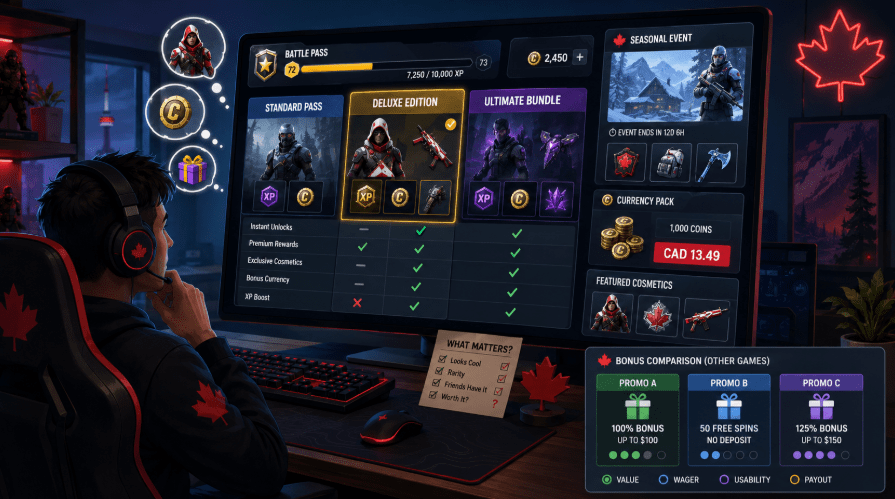
Modern games rarely sell only one product. A new release can include a standard edition, deluxe edition, battle pass, pre-order skin, event currency, and limited-time bundle. At first glance, more rewards seem to mean better value.
However, the real value depends on how much a player will actually use. A battle pass can be strong for someone who plays five nights a week, but weak for someone who logs in only on weekends. For Canadian gamers, the better question is not “How much is included?” but “How much will I unlock and enjoy?”. That small shift changes how players judge almost every digital offer.
Why Digital Rewards Look Better at First Glance Than They Often Are
Digital rewards are made to look generous quickly. A store page may show 100 tiers, 15 skins, three XP boosts, and a rare charm. The offer feels valuable before the player checks the work behind it.
For example, a CAD 13.49 battle pass may need 80 hours to complete. If a player has four gaming hours per week and the season lasts 10 weeks, they may unlock only half of it. In that case, the “100-tier” pass is closer to a 50-tier purchase. The missing half is not a technical problem, but it still reduces the real value.
Deluxe editions can create the same issue. A CAD 89.99 edition may add outfits, a starter pack, and three days of early access. That helps a streamer at launch, but it means less to a casual player starting two weeks later. Once the launch window passes, some “premium” extras become background items.
The Difference Between Visible Value and Usable Value
Visible value is what the store page shows. Usable value is what the player gets during normal play. The gap between the two is where many poor purchases happen.
A quick check helps:
- Check the full price in CAD.
- Estimate the hours needed to unlock the main rewards.
- Compare that with your real weekly playtime.
- Separate cosmetics from gameplay content.
- Decide whether the reward still matters after the season ends.
This does not make gaming less fun. It simply stops players from buying bundles that look big but do not fit their habits. In practice, a smaller reward that fits naturally into play can feel better than a large one that creates pressure.
Why Casino Bonuses Teach a Similar Lesson About Reward Value
The same mistake happens when people compare casino bonuses. A large percentage or a welcome amount can look strong, but the real value depends on the terms behind it. Canadian readers may navigate to this web-site, but the important step is reading beyond the headline.
Gaming rewards and casino bonuses work similarly. A casino bonus may include wagering rules, expiry dates, game limits, or withdrawal terms. A battle pass may include daily missions, locked premium tiers, and seasonal deadlines. In both cases, the banner is only the start. The useful question is what the player can realistically receive after the rules are applied.
CasinosAnalyzer can help Canadian users compare the bonus structure instead of only the largest number. The same habit works in gaming: check the unlock path before treating the offer as good value.
How Time Limits Change the Value of Battle Passes and Seasonal Events
Time limits often reduce the real value of digital rewards. A 14-day event may offer 12 cosmetics, but the best reward could require 20 matches, seven daily logins, and several challenge chains. That design encourages daily attention, not just casual participation.
That is easy for someone who plays every evening. It is harder for a player who only has Friday and Saturday free. The reward is available to both, but not equally realistic. This difference matters because many players judge the prize before checking the calendar.
There is also a time cost. If a player spends 15 hours chasing one limited skin, they may delay a CAD 79.99 game they already bought. The reward may be “free”, but the time is not. In some cases, the player ends up choosing the event timer over the game they wanted to play most.
That is why limited events should be judged like schedules, not just offers. A good event fits normal play. A weak one turns gaming into a checklist.
What Canadian Players Should Check Before Paying for Digital Extras
Small digital purchases can add up fast. CAD 6.99 for currency, CAD 13.49 for a pass, or CAD 24.99 for cosmetics may feel minor alone. Over a few months, they can cost as much as a full new game. This is especially easy to miss when purchases are spread across several titles.
Before buying, players should also think about online payment safety. The Canadian Centre for Cyber Security guidance on shopping online safely is useful for checking payment habits, secure stores, and personal data protection. It is a practical step when a player uses stored cards, third-party stores, or unfamiliar marketplaces.
A simple pre-purchase check includes:
- Whether the reward is cosmetic or gameplay-related.
- Whether the item expires after a season.
- Whether refunds are available.
- Whether premium currency can be spent freely.
- Whether the platform or seller is trusted.
After that, the value becomes clearer. A CAD 24.99 skin pack may be worth it for someone using the same character for 200 hours. It makes less sense for someone who changes games every two weeks. The item may be well-made, but that does not automatically make it useful.
Why Player Type Matters More Than the Reward Banner
No reward has equal value for every gamer. A competitive player may care about XP boosts or ranked unlocks. A collector may want rare skins. A casual player may prefer a discounted base game over any premium pass. Each player is judging a different kind of value.
For example, someone who plays one title 12 hours per week may finish a CAD 13.49 battle pass naturally. Someone who jumps between five games may reach only tier 25 before the season ends. The product is the same, but the result is different. That is why personal play style matters more than the store label.
This is why “best value” labels can be misleading. A CAD 39.99 bundle with coins, skins, and emotes may look efficient, but if the player wanted only one item, a smaller purchase is better. The same comparison habit applies across digital entertainment, from game stores to online casinos.
The best choice is not always the loudest banner. It is the one that fits time, budget, trust, and real behaviour.
How Better Reward Reading Improves the Gaming Experience
Reading rewards carefully does not mean avoiding every paid extra. Many expansions, battle passes, and deluxe editions are worth buying when they match the player’s style. A CAD 19.99 story expansion with 10 strong hours may offer better value than a cosmetic pack at the same price. The difference is that one adds play, while the other may only add appearance.
The main benefit is control. Players who understand reward systems are less pressured by countdown timers, “last chance” labels, or oversized bonus screens. They can decide before the store page decides for them.
For Canadian gamers, this habit matters more as games borrow ideas from subscriptions, live-service stores, mobile events, and casino bonuses. A few minutes of reading can protect both playtime and spending.

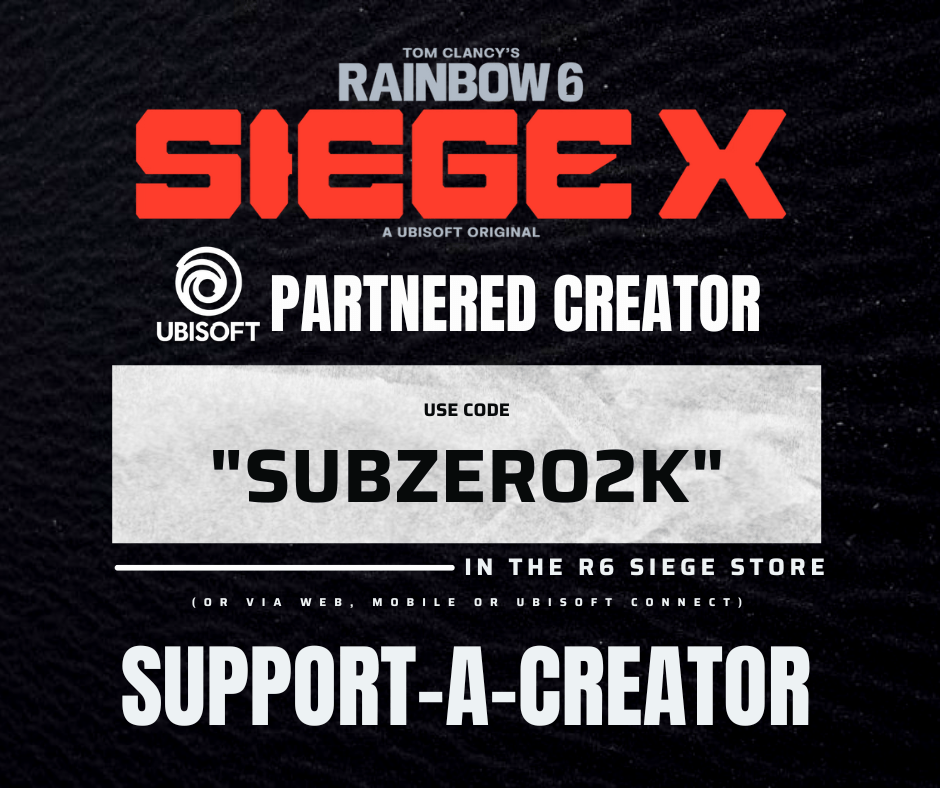


 SuBZeRO2K
 Spotify
 Anchor
 iTunes