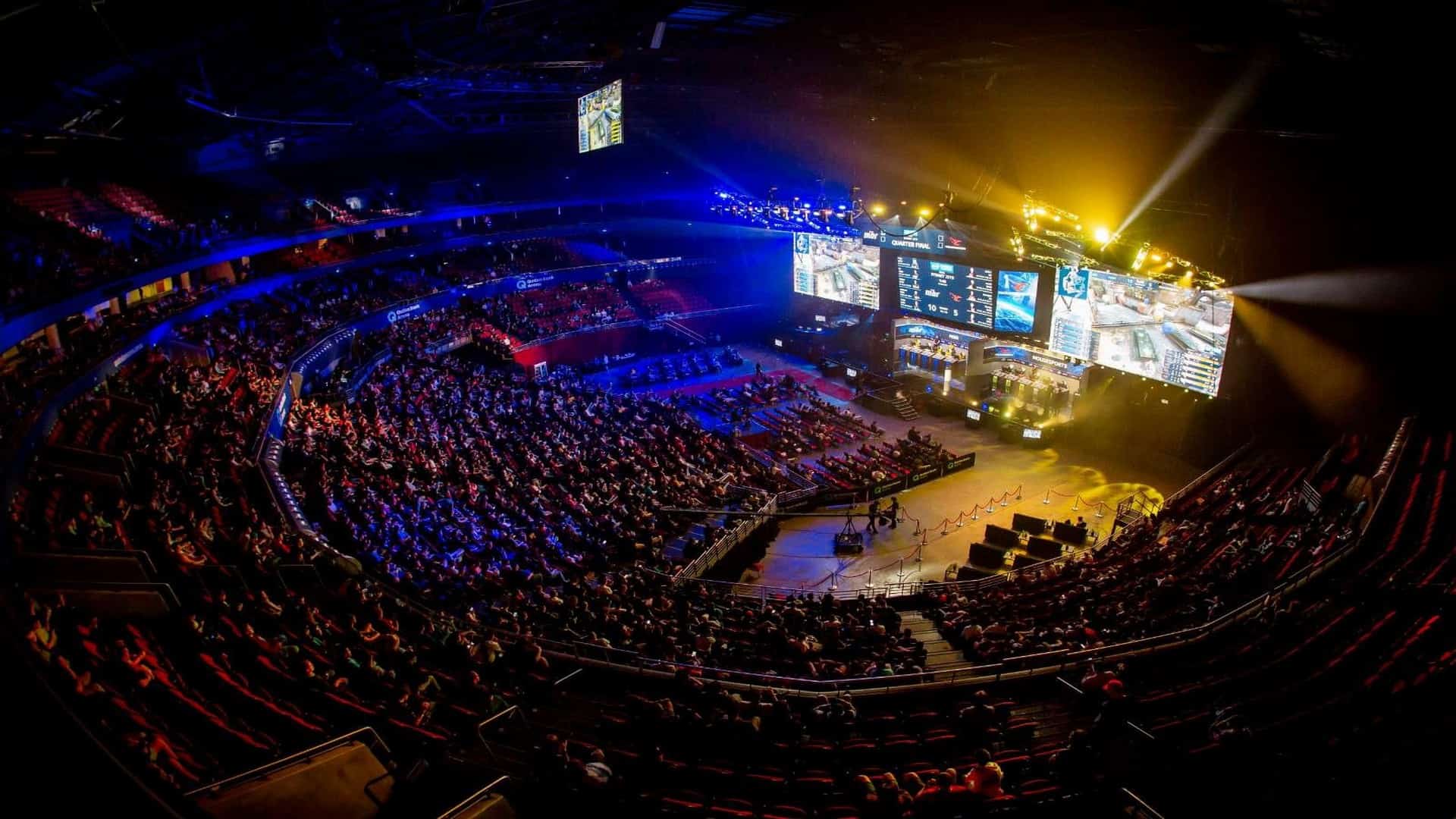
Organizing a gaming event requires precise coordination of hardware, network infrastructure, participant management, and environment design. Performance issues, poor layout, or weak connectivity can disrupt gameplay and reduce engagement. A well-executed event balances technical reliability with user experience. Every component—from system setup to crowd flow—must be planned in advance.
Successful gaming events rely on stable systems, efficient logistics, and controlled environments.
Plan Attendance and Access Control
The first step is defining the scale of the event. The number of participants determines hardware requirements, network capacity, and space allocation.
Access control prevents overcrowding and maintains organization. Event organizers often use identification systems such as wristbands custom made to manage entry, track participants, and differentiate access levels.
Clear segmentation helps separate:
- Players
- Staff
- Spectators
Controlled access improves security and reduces confusion during high-traffic periods.
Design the Event Layout
Layout design directly affects both gameplay and movement efficiency. Equipment must be positioned to allow proper spacing, cable management, and airflow.
Key layout considerations include:
- Adequate spacing between stations to prevent overheating
- Clear walkways for safe movement
- Designated areas for spectators and staff
Power sources should be evenly distributed to avoid overloading circuits.
Proper layout reduces technical risks and improves user comfort.
Build a Reliable Network Infrastructure
Network performance is critical for multiplayer gaming events. Latency, packet loss, or connection instability can disrupt gameplay.
A dedicated wired network is preferred over wireless connections. Ethernet connections provide consistent speeds and lower latency.
Network setup should include:
- Managed switches for traffic control
- Redundant internet connections if possible
- Network segmentation to prioritize game traffic
Bandwidth requirements must be calculated based on the number of devices and game types.
Testing the network before the event ensures stability under load.
Configure Gaming Hardware Properly
Hardware consistency ensures fair gameplay and reduces technical issues. Systems should be standardized across all stations.
Configuration includes:
- Matching system specifications for competitive balance
- Pre-installing required games and updates
- Testing peripherals such as keyboards, controllers, and headsets
Drivers and software updates should be completed before the event begins.
Backup hardware should be available to replace faulty equipment quickly.
Manage Power Distribution Safely
Gaming setups require significant electrical load. Improper power distribution can lead to outages or equipment damage.
Organizers must calculate total power requirements and distribute load evenly across circuits.
Best practices include:
- Using surge protectors for all equipment
- Avoiding daisy-chaining power strips
- Labeling power connections for quick troubleshooting
Reliable power infrastructure prevents disruptions during gameplay.
Optimize Lighting and Visual Setup
Lighting affects both performance and atmosphere. Excessive brightness or glare can interfere with screen visibility.
Balanced lighting improves visibility without causing reflections.
Event organizers often incorporate visual elements such as custom neon signs to create a defined gaming environment while maintaining controlled lighting conditions.
Visual design should support both branding and functionality.
Implement Audio Control Measures
Sound management is important in crowded gaming environments. Multiple audio sources can create excessive noise and interfere with communication.
Solutions include:
- Providing headsets for players
- Isolating competitive zones from spectator areas
- Controlling ambient noise levels
Clear audio improves communication in team-based games and enhances overall experience.
Establish Tournament and Scheduling Systems
Gaming events often include tournaments or structured matches. Scheduling must be precise to avoid delays.
Organizers should define:
- Match formats and rules
- Time slots for each round
- Contingency plans for delays
Digital scheduling systems help track progress and communicate updates.
Clear scheduling ensures that events run efficiently and participants remain engaged.
Provide Technical Support On-Site
Technical issues can occur despite preparation. On-site support is necessary to resolve problems quickly.
Support teams should be equipped to handle:
- Hardware malfunctions
- Network connectivity issues
- Software or game errors
Rapid response minimizes downtime and maintains event flow.
Support staff should have access to spare equipment and diagnostic tools.
Maintain Safety and Equipment Security
Safety must be integrated into event planning. High-density equipment setups increase the risk of accidents.
Precautions include:
- Securing cables to prevent tripping hazards
- Monitoring equipment access to prevent theft
- Ensuring proper ventilation to avoid overheating
Security measures protect both participants and equipment.
Clear safety protocols reduce liability and improve overall event management.
Evaluate Performance After the Event
Post-event analysis helps improve future events. Organizers should review both technical performance and participant feedback.
Evaluation areas include:
- Network performance under load
- Equipment reliability
- Scheduling efficiency
Identifying weaknesses allows for targeted improvements.
Continuous refinement leads to more efficient and successful events over time.
Setting up a gaming event requires detailed planning across infrastructure, hardware, and participant management. Reliable networks, consistent hardware configuration, and structured scheduling form the foundation of successful execution. Environmental factors such as layout, lighting, and audio also influence performance and experience. By combining technical preparation with operational control, organizers can deliver stable, efficient, and engaging gaming events.



 SuBZeRO2K
 Spotify
 Anchor
 iTunes