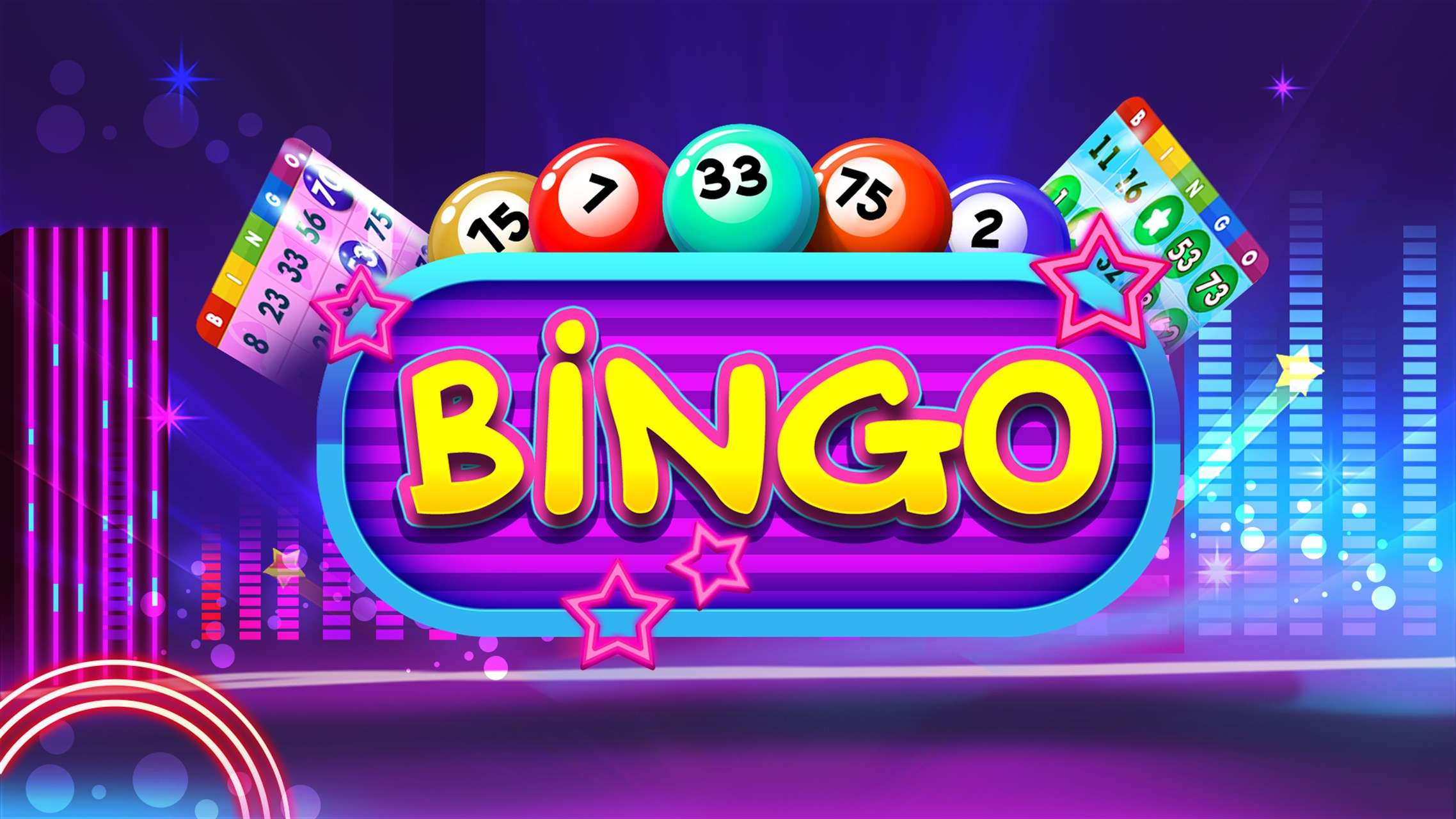
When you sit down with a bingo card, you probably expect a steady stream of numbers and the occasional bit of chatter. Instead, you hear phrases like “two little ducks” or “legs eleven”, and suddenly the game feels more like a shared ritual than a simple pastime. These calls didn’t appear by accident. People shaped them over decades to keep players engaged, alert, and entertained. As you follow their history, you start to see how each phrase helped callers hold attention in busy halls and made it easier for players to keep up without constantly checking their cards.
Origins in early bingo
Early versions of bingo took shape in travelling fairs and community halls, where callers needed to manage large, often noisy crowds. You can imagine the challenge: dozens of players chatting while numbers get drawn quickly. Callers began adding rhythm and humour to each number so players could recognise them by sound alone. This approach made a real difference. When you hear “knock at the door” for 4, the phrase sticks in your mind more than the number itself. That meant fewer missed calls and less frustration during play. Today, you still see this influence when you play on a bingo site, where clear and engaging calls help recreate that lively, accessible atmosphere even in a digital setting.
Rhymes and nicknames
Many classic calls rely on rhymes or simple visual cues that you can picture instantly. “Two little ducks” for 22 works because the shape of the number resembles a pair of ducks, while “clickety-click” for 66 uses rhythm to make the number memorable. These patterns help you process information quickly. Instead of translating a number into a mark on your card, you connect the phrase directly to a visual or sound. If you play multiple cards at once, this mental shortcut becomes especially useful. You spend less time double-checking and more time staying in the flow of the game, which keeps the experience enjoyable rather than stressful.
Military and cultural references
Some bingo calls reflect the time and place where people popularised the game. During the mid-20th century, many players in the UK had connections to the armed forces, so phrases like “two fat ladies” for 88 or references tied to popular songs and sayings became common. These cultural nods gave players a sense of familiarity. When you recognise a phrase from everyday life, you feel more connected to the game and the people around you. In a crowded hall, that shared understanding helped break the ice and encouraged conversation between rounds, which turned bingo into a social event rather than just a numbers game.
Modern twists on the classics
Today, callers and platforms continue to adapt traditional calls to suit new audiences. Some stick closely to the originals, while others introduce updated phrases that reflect current trends or humour. This balance keeps the game fresh without losing its character. You can try blending both styles when you play or host a session. Keep a few well-known calls so everyone feels comfortable, then introduce a couple of new ones to spark interest. This approach helps experienced players stay engaged while giving newcomers something memorable to latch onto, making the whole experience feel inclusive and easy to follow.




 SuBZeRO2K
 Spotify
 Anchor
 iTunes