
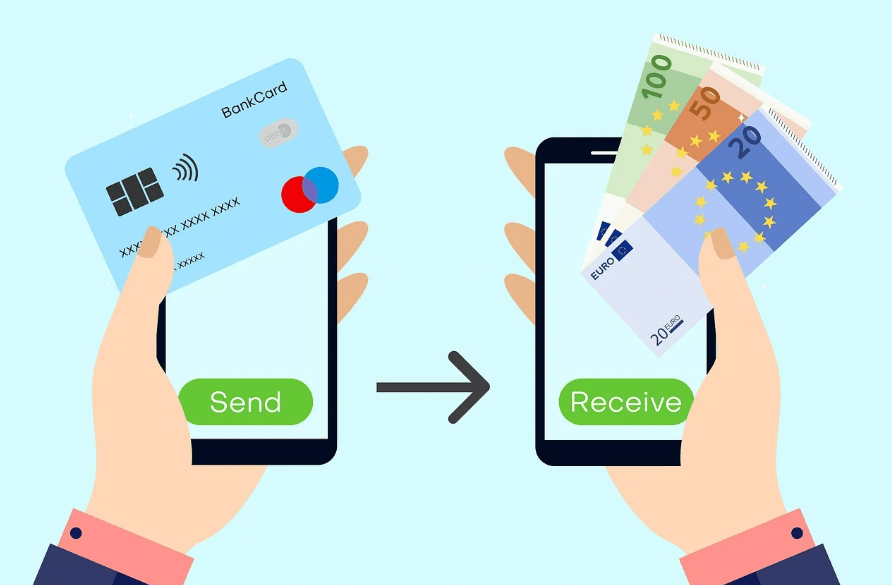
Instant money transfers are no longer a bonus; they are now part of what users expect. Whether someone is unlocking content, sending a tip, or buying a pass, they want to move from intent to action without waiting. Platforms that meet that expectation are more likely to keep users coming back.
Recent reports show that subscription gaming is growing fast, with payment volumes expected to rise by billions over the next few years. That growth depends not just on content, but on how well services support smooth access and fast payments.
How Speed Became a Core Feature
The speed at which payments get processed now plays a direct role in how game services are built. Many platforms connect with digital wallets or bank-linked apps to make sure money moves instantly. Whether it’s topping up credits, unlocking extra content, or starting a subscription, the goal is always to cut out friction. At any time, a delay in transaction approval can cause a player to abandon the action, especially when it breaks the flow.
In mobile games or streaming platforms, this is easy to see. A player taps to make a purchase, and the system needs to respond immediately. If it takes too long to confirm the payment, the moment passes. Instant integration is what keeps the user in the loop. The same is true for renewals and repeat buys since users expect fast systems that don’t make them think twice.
This kind of instant setup becomes even more important on platforms that deal with real-time stakes. In online casino environments, for instance, timing affects whether or not a user can take part at all. Traditional card payments or bank transfers often take longer to process, and delays in deposits can leave a user locked out when it matters most.
With fintech-based options like Cash App, funds clear faster and more directly. That’s why casinos that accept Cash App payments are in a better position to meet what their players expect: speed, access, and the ability to stay active without interruption.
Subscriptions and the Need for Seamless Renewal
More games and platforms are now based on monthly access rather than one-time purchases. Subscriptions let users get full libraries of games or unlock extra features for a flat rate. This model works well when payments are handled smoothly. If the process feels slow or breaks the flow, people may pause or cancel out of frustration.
Many services solve this by using saved payment details and running automatic renewals. But even that system needs to feel reliable. When a card expires or fails, users can get locked out. Some platforms now work with networks like Mastercard and Visa to update card details behind the scenes, which helps keep the subscription active without the user needing to fix anything.
Others take a more user-friendly approach. They let players pause access for a month or two without canceling outright. If users return, their data and settings are still there. A flexible system like this can build long-term trust and lead to more stable revenue for the company.
Some developers have tested ways to make players feel rewarded for keeping a subscription active. This might mean giving in-game items after several months or offering points that go toward digital bonuses. These systems depend on fast, reliable payment flows. If people receive rewards late or if access feels uncertain, the effect is lost.
Platforms That Let Players and Creators Share Value
Games today are no longer just products because many act as full platforms where players can spend, earn, and trade value. This creates new kinds of digital economies where money moves in both directions. A player might spend on add-ons, while a creator earns a portion of that sale. For these systems to work, payments need to be quick, transparent, and global.
Roblox, for example, allows players to buy user-made games and features. The people who build those games get paid based on how much their content is used. In 2023 alone, Roblox paid out hundreds of millions of dollars to its creator base. That wouldn’t be possible without a payment system that can manage both purchase and payout at scale.
Minecraft and Fortnite are using similar models. Users buy assets that change how the game looks or works. In Fortnite’s case, creators can earn a share of platform income when their content is used. These models only succeed when players and creators both trust the system to move money fast and accurately.
Streaming platforms like Twitch operate on this model too. Viewers support streamers with direct payments, subscriptions, or bits as a virtual currency. These payments need to register instantly so users feel their support is noticed in real time. The faster the loop from viewer to streamer, the more the platform feels alive.
Platforms that support creators across countries often deal with extra challenges. Money must move across borders and convert into local currencies. This is where fintech solutions matter most. Good systems handle these changes quietly in the background, so users never feel blocked by currency issues or payment delays.
New Ways to Pay and Get Paid
Some payment methods that used to sit on the edge of the market are now more accepted in games and digital platforms. Some game platforms now accept digital currencies such as Bitcoin, Ethereum, and USDC as part of their regular payment options.
These systems let players send money without needing a bank or card company to process the transaction. Instead of relying on traditional rails, users can move funds directly through blockchain networks that work at any hour of the day, even across borders.
The appeal here is mostly about speed and access. While a card payment might get flagged or held up, a transfer using something like USDC can settle within seconds. That makes a difference in games or platforms where a delayed payment can interrupt play. For players, it’s a way to stay in control. For the platforms, it’s one less point of failure in the payment chain.
Infrastructure That Matches Real-Time Demand
As more people access games from phones, tablets, and smart TVs, the need for fast infrastructure is higher than ever. This includes servers that stream games, payment systems that confirm access in seconds, and platforms that track user actions across devices. When each part works at the same speed, users feel like everything fits together.
One major factor here is network performance. Cloud gaming needs fast internet and low latency to feel smooth. A lag between input and output can ruin a session, no matter how good the graphics or gameplay are. As bandwidth improves, more users will be able to stream games without needing powerful hardware at home.
At the same time, fintech tools help deal with issues like user churn and expired payment methods. Platforms can let players earn digital credits that offset monthly fees. Others offer discounts for continued subscriptions. These systems build loyalty without slowing down access.
As embedded finance becomes more common, services can plug third-party tools directly into their platforms. This lets users pay, receive, convert, and hold funds all within one space. For developers and players alike, that kind of simplicity makes the whole system feel more modern and more reliable.




 SuBZeRO2K
 Spotify
 Anchor
 iTunes