
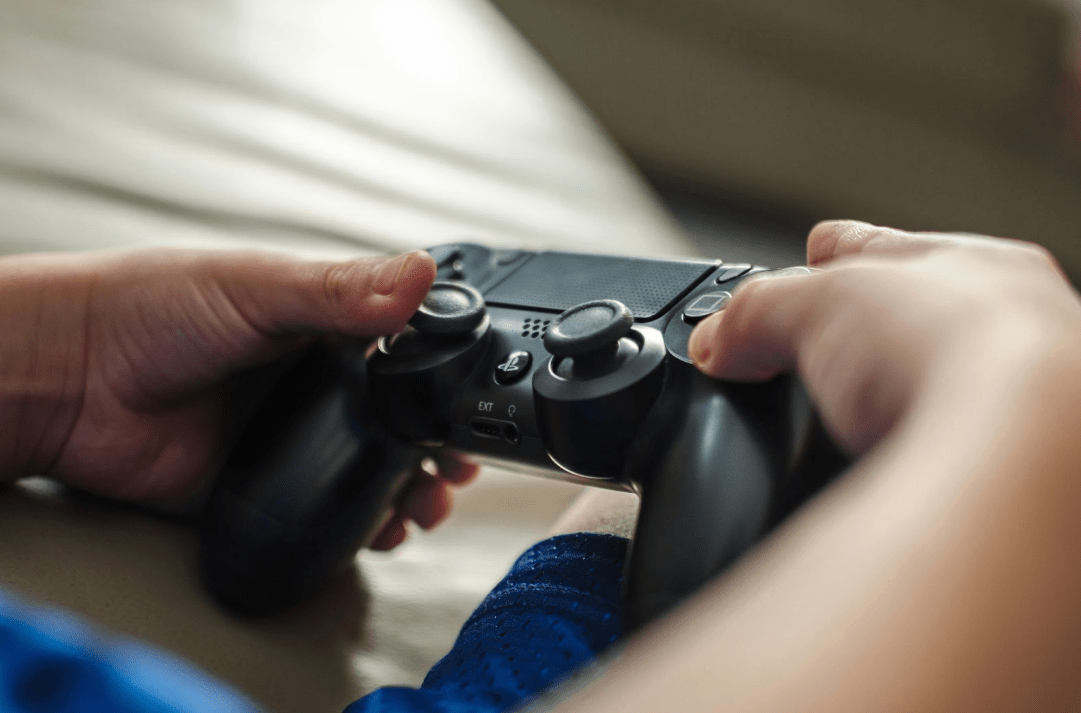
Gaming is often discussed in loud voices. Screens, time limits, distractions. What gets missed is the quiet value that sits underneath the noise. When you look past stereotypes and panic headlines, something more interesting appears. Games have become one of the few spaces where children can experiment, struggle, adapt, and grow without being told exactly how to do it. That matters more than most people realise.
This is not about pretending every game is educational or that limits do not matter. It is about recognising what children are actually doing when they play, and why so many skills develop naturally there before adults even notice.
Learning Without Being Taught
One of the most striking things about gaming is how much learning happens without instruction. Children are rarely handed manuals anymore. They are dropped into worlds and expected to work things out. Menus are explored, systems are tested, mistakes are made quickly and often. That process mirrors how people learn best in real life, through curiosity and consequence rather than lectures.
Games demand comprehension. Text, symbols, maps, audio cues. None of it pauses politely. Players adapt or fall behind. Vocabulary expands because it has a purpose. Reading becomes useful instead of abstract. Even more basic games like crossword can sharpen this instinct to decode information quickly, especially when progress depends on it rather than praise.
There is also an important difference between being corrected and being reset. Games do not shame. They simply reload. Children learn persistence not because someone tells them to keep trying, but because trying again is built into the structure.
Problem Solving That Actually Feels Real
School problems often come with one right answer and a clear path. Games rarely do. Players juggle resources, timing, positioning, and uncertainty. They plan, then revise. They learn that a clever idea can fail and a simple one can succeed.
What makes this powerful is context. A puzzle inside a game is rarely isolated. It sits within a living system. Solve it badly and something else breaks later. Solve it well and new opportunities open up. That kind of layered thinking is hard to teach directly, yet it shows up naturally when children play.
Games also reward experimentation. Trying something strange is not discouraged. In fact it is often how hidden mechanics are discovered. This builds a comfort with uncertainty that carries into other areas of life, where not knowing is often unavoidable.
Emotional Resilience In Disguise
Games are emotionally demanding in subtle ways. Losing happens constantly. So does frustration. Children learn to regulate reactions because progress depends on it. Rage quitting rarely helps. Calming down does.
There is also a safe distance between the child and the challenge. The stakes feel high, but they are not personal. That space allows children to practise coping strategies without real world consequences. They learn when to push, when to pause, and when to walk away for a bit.
Success feels earned. It is rarely handed out. When children finally overcome something difficult, the pride is internal rather than performative. No applause needed. That internal motivation is far more durable than external rewards.
Social Skills Beyond The Playground
Multiplayer games have created new kinds of social spaces. These are not always loud or chaotic. Many require coordination, trust, and clear communication. Children learn how to give instructions, how to listen, and how to adjust their behaviour for the group.
Unlike playgrounds, these spaces often mix ages and backgrounds. A child might collaborate with someone older, younger, or from another country. They learn to read tone, negotiate roles, and deal with disagreement in real time.
Importantly, games allow children to practise leadership without being labelled. They can step up or step back naturally. This flexibility is valuable, especially for children who struggle in traditional social hierarchies.
Creativity Through Systems Not Chaos
Creativity in games is often misunderstood. It is not always about drawing or storytelling. It is about working within systems. Children build, modify, optimise, and repurpose. They learn the boundaries of a system before bending it.
Sandbox games in particular encourage this mindset. Players are given tools, not instructions. The creativity comes from deciding what is possible, not from being told what to make. This kind of structured creativity mirrors real world innovation far more closely than open ended art tasks alone.
There is also joy in mastery. Understanding how something works deeply enough to manipulate it is satisfying. That satisfaction fuels further exploration and confidence.
A Different Relationship With Technology
Children growing up with games develop a practical understanding of technology. They learn interfaces intuitively. They understand feedback loops, updates, and systems thinking. Technology becomes something to engage with, not something that just happens to them.
This matters in a world where passive consumption is everywhere. Games ask for input. They respond to choices. Children learn that technology can be shaped and navigated, not just scrolled through.
They also learn limits. Lag, glitches, and bugs teach patience and problem solving. Not everything works perfectly. Figuring out why something failed is often part of the experience.
What Adults Often Miss
The biggest misunderstanding about gaming is assuming it is empty time. For children, it is often full. Full of effort, attention, emotion, and learning. The skills gained are not always obvious because they do not look like worksheets or certificates.
That does not mean boundaries are irrelevant. Balance matters. But dismissing gaming outright ignores a space where children are already engaged and growing.
When adults take the time to understand what games are offering, the conversation changes. It becomes less about control and more about guidance. Less about fear and more about trust.
The upside of gaming is not loud. It does not advertise itself. It shows up quietly, in how children think, adapt, and connect. And once you notice it, it is hard to ignore.




 SuBZeRO2K
 Spotify
 Anchor
 iTunes