
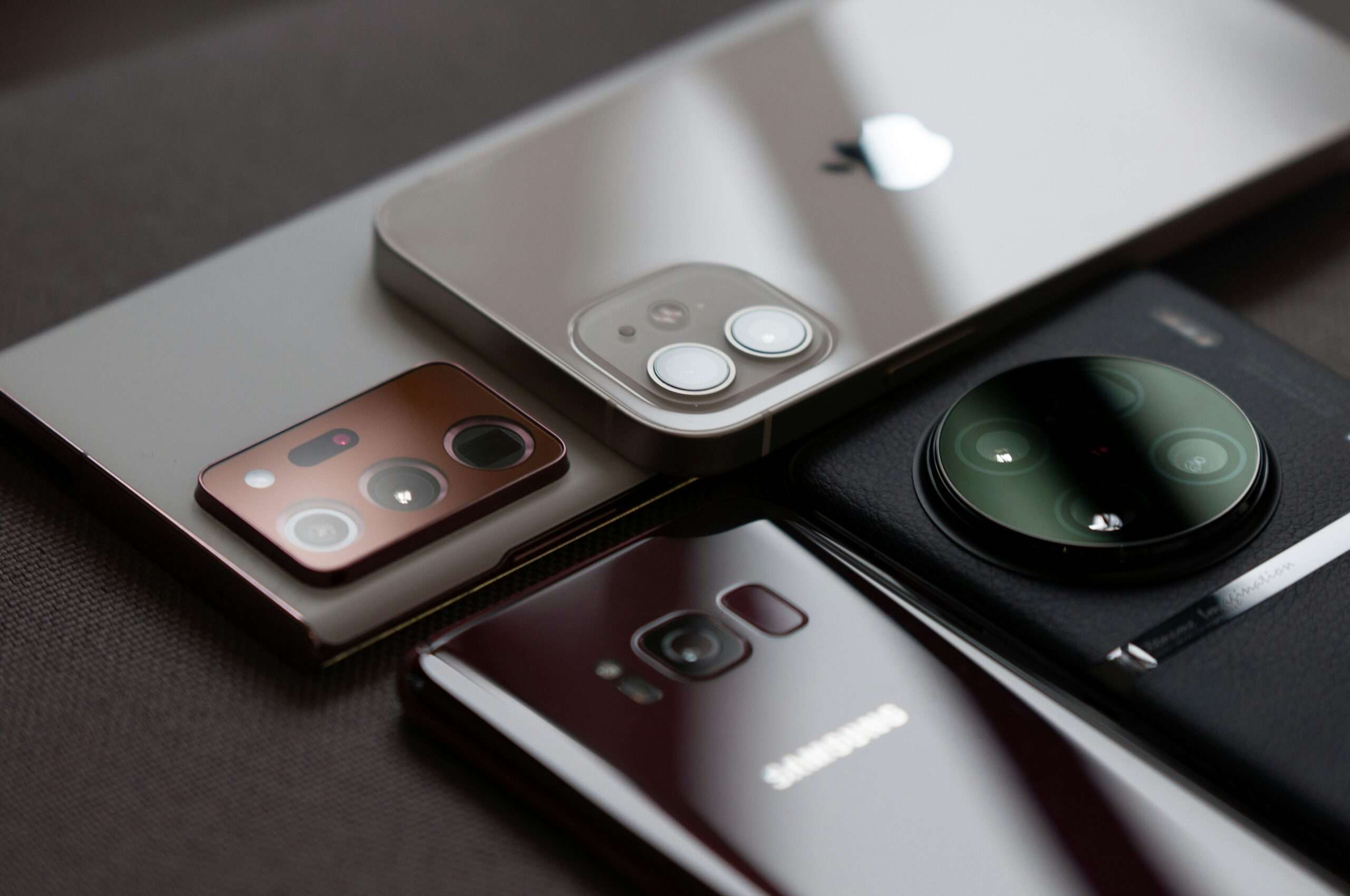
Phones don’t feel fully manual anymore.
Modern smartphones still look familiar at first glance. Same grids, same apps, same gestures.
But something has changed in how they behave day to day.
With iOS 26 and Android 16, the device is no longer just reacting to input. It is constantly making small background decisions about what should happen next.
Not in an obvious way. More in the sense that things simply arrive differently now, or don’t appear unless they matter.
You notice it in small gaps. A notification that never shows up immediately. An app that refreshes only when you actually need it. A suggestion that appears before you even search.
Nothing dramatic on its own. But added together, it changes how the phone feels to use.
Notifications arrive when the system decides they matter
There’s no longer a simple “latest first” structure for notifications.
Instead, alerts are now sorted before they reach you. Urgency, context, and past behaviour all play a role in what appears and when.
Some messages come instantly. Others are held back. A few are grouped together and shown later as summaries.
And you stop seeing everything in a continuous flow.
That changes behaviour more than people expect. You don’t react to everything anymore. You react to what makes it through.
Everything else is still happening – just not always visible in real time.
It also mirrors how attention is filtered across digital systems more broadly, where what surfaces first often shapes what gets engagement.
That same idea shows up in Aussie Casinos. An example would be the most played online pokies Australia, where visibility is often determined by ranking logic rather than equal exposure.
(https://unsplash.com/photos/a-group-of-cell-phones-sitting-on-top-of-a-table-NvM9V3mLrKs)
AI is running everything
AI used to sit inside apps as a feature you could choose to use. Now it sits underneath everything.
On iOS 26 and Android 16, it runs in the background constantly, shaping system behaviour without needing prompts.
It helps summarise messages. It predicts text. It recognises images. It even adjusts how system resources are distributed depending on what you’re doing.
What’s more interesting is how it adapts over time. The phone slowly learns your habits – not in a dramatic “learning mode” way, but just by observing what you ignore, what you repeat, and what you use often.
After a while, it starts to feel less like a static device and more like something that has adjusted itself around you.
Background apps are being quietly restrained
Apps don’t run freely in the background anymore.
They refresh at controlled intervals instead of continuously. They update when the system allows it, not when they choose.
That change isn’t visible directly, but you feel it in performance. Phones feel smoother. Battery drain is more predictable. Fewer random spikes in activity.
Still, it changes the behaviour of apps. They are less independent. More scheduled. More system-dependent.
The home screen isn’t really the starting point anymore
The home screen still exists, but it doesn’t lead the experience like it used to.
People now jump into search more often than app grids. Or they follow the suggestions the system presents before they even begin navigating.
Sometimes the phone already knows what you are likely to do next and places it directly in front of you.
So instead of opening apps and working through steps, users are increasingly skipping straight to actions.
It feels faster, but also less structured in a visible way.
Search is slowly replacing app navigation
Universal search has become one of the main ways people use their phones.
It pulls results from apps, messages, settings, and files all at once.
That removes a lot of manual navigation.
You don’t really “go into apps” as often. You just ask for something and let the system decide where it comes from.
It’s efficient, but it also shifts control upward into the operating system layer.
Battery management now depends on behaviour, not just hardware
Battery optimisation isn’t just technical anymore, but also behavioural.
The system watches usage patterns: when apps are opened, how long they stay active, and what times of day certain actions repeat. Then it adjusts performance based on that pattern.
So frequently used apps stay ready. Rarely used ones are pushed into lower-priority states.
Two identical phones can behave differently just because the users behave differently.
Security is always running, but rarely visible
Security is now more continuous than it used to be.
Authentication, system checks, app permissions, all of it runs quietly in the background. Most of the time, you don’t notice it happening at all.
That makes things smoother, but also removes the visible “checkpoint” moments people used to rely on to feel something was being verified.
Apps are becoming extensions of the system itself
Apps are still important, but they are less independent than before.
They depend more on system rules, shared frameworks, and controlled access points.
That makes the ecosystem more consistent overall, but also more tightly structured.
In practice, apps behave less like standalone tools and more like components inside a larger system.
What actually changes in everyday use
On the surface, not much looks different. But the behaviour underneath is no longer the same. The phone is doing more interpretation, more filtering, and more prediction.
And users gradually interact less with raw structure and more with prepared outcomes.
It doesn’t feel like control is taken away. It feels like effort is removed. That’s the real change.
There’s also a side effect here that often gets overlooked. People start relying less on memory of where things are or how to get to them, because the system simply brings options forward.
Over time, this changes small habits, such as how quickly users expect results and how much patience they have for manual navigation. It’s subtle, but it builds up with daily use.
The device becomes less of a tool you operate step by step, and more of a system that anticipates the next move before it is made.





 SuBZeRO2K
 Spotify
 Anchor
 iTunes