
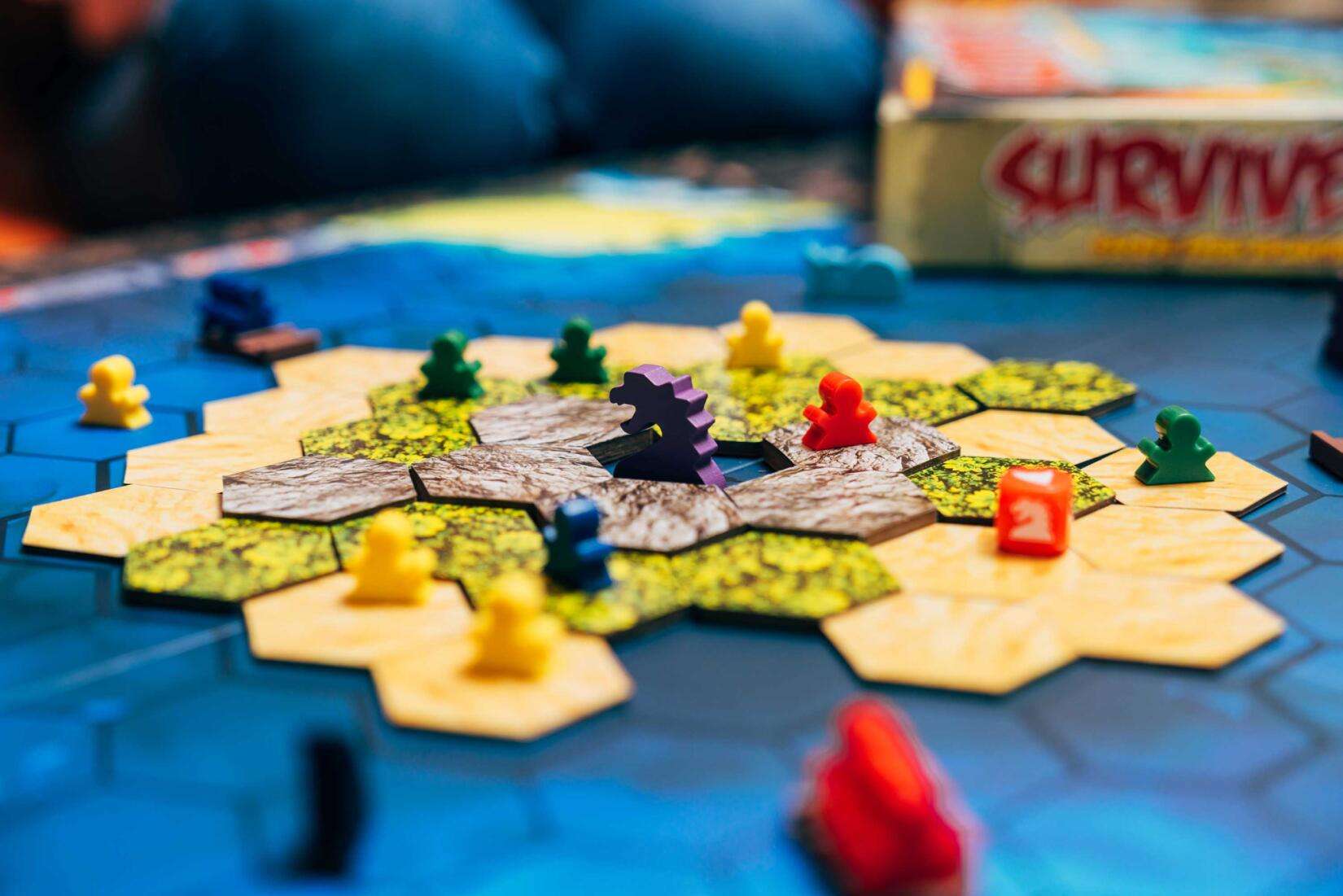
There are many different reasons why people play games, but the general consensus is that gaming serves as a nice distraction from reality. It is surprising then to see so many modern games pervade their vocabularies with concepts borrowed from very sober disciplines such as finance or statistics.
Such phrasing seemingly runs contrary to the whimsical nature of gaming and its relaxing impact on our minds. That’s why we need to look under the surface to truly understand what is driving this interesting trend and to judge if we can expect it to continue into the future.
The Need for Transparency Trumps the Need for Illusion
If we are being fair, games actually are all about risk and reward. It’s just customary to keep the statistical foundations in the back end and to let the player become absorbed by the game world. However, by keeping the winning mechanics opaque, game designers are hiding the odds from the players and basically forcing them to fly blind. Disclosing the statistical principles that determine who wins may not be ideal from a storytelling perspective, but transparency makes up for any lost mystique. When the players are fully aware of how the game works and how the luck factor impacts the outcomes, they can prepare better and accept the results without feeling cheated.
Better Educated Player Base Prefers Straight Talk
Modern player is a veteran of a thousand games and he wants an objective way to compare them. That pertains not only to game genre and main storylines, but also to the way game events are administered and resolved. Knowing the details allows them to seek out games they truly enjoy rather than falling for a nice presentation only to be disappointed by actual gameplay. Game blogs and social media groups are crunching the numbers all the time, so game designers are left with the choice to play along or be ruthlessly analyzed without having a say. In this situation, adopting a technical-minded vocabulary that exposes the inner workings of a game is a sensible choice that the player base will approve.
The Competition Is Doing It Anyway
Game designers are facing a crowded field right now, so they must take into account the standards in their niche. Since most games clearly communicate how luck-based and how volatile they are, new releases tend to go in a similar direction. By omitting these parameters and focusing strictly on the graphic theme, they would miss a crucial part of the pitch that players now expect. The industry operates in a way that encourages copycat behavior, so there is a danger of going too far towards the probabilistic model. Sure, players want to know what they are getting into but it makes no sense to push a ton of advanced mathematics on them just so you can outdo your competitors.
Embracing the Numbers-Driven Approach
Ultimately, the trend represents a reckoning of the gaming industry with its own numbers-driven nature. Everyone knows that wins or losses at a gaming site are driven by RNG, but saying ‘look Tikal Casino is here with all the relevant info about the games’ is taking the next step towards an open and honest treatment of players. While this was always common for casino games, what we are seeing lately is the rest of the field coming to the realization that an honest approach works better than loud advertising and flashy graphics. Saying it like it is may not always look pretty, but in the final analysis it will resonate better with those who are expected to pay for the game.




 SuBZeRO2K
 Spotify
 Anchor
 iTunes