
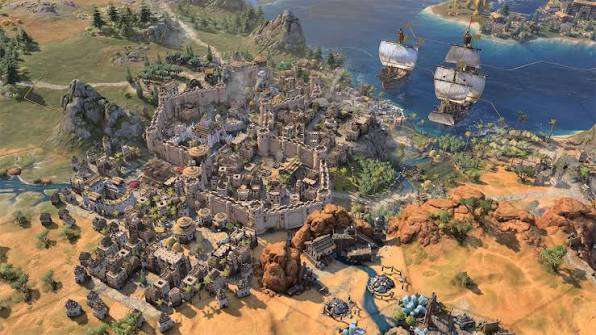
Why Today’s Browser Games Borrow More from AAA Design Than Ever Before
Browser games have entered a distinct phase. The gap between what runs in a browser tab and what runs on a console or high-end PC has narrowed to the point that many browser experiences now feel like scaled-down versions of AAA productions rather than the technically limited alternatives they used to be. This shift is not marketing hyperbole. It reflects specific engineering, design, and production decisions that have started making their way from the largest studios into browser development, and understanding what has crossed over explains a lot about where the medium is heading next.
The specific AAA techniques that browsers can now support
Modern browsers handle graphics, sound, and interactivity at a level that would have required native code five years ago. WebGL and WebGPU expose enough of the underlying hardware that browser games can run rendering pipelines close to what dedicated engines produce. WebAssembly lets code compiled from C++ or Rust run at nearly native speed, opening the door to physics simulations, procedural generation, and other computationally heavy features that used to be off the table entirely.
The result is that the technical ceiling for browser games has risen dramatically without most players noticing. What players notice is that browser games look and feel more polished than they used to. The reason is that the tools available to browser developers have grown to match the ambitions that used to belong exclusively to large studios.
Onboarding treated as a first-class design problem
AAA studios have spent years learning that the first fifteen minutes of a game determine whether players continue, and they invest accordingly in the specific interactions that shape that window. Browser developers have started applying the same discipline, borrowing lessons that industry watchers document about what actually converts curious visitors into engaged players.
The specific techniques include starting with immediate interaction rather than menu screens, teaching mechanics through play, and providing feedback that makes early progress feel meaningful. These techniques were pioneered in high-budget releases and have now become table stakes for any serious browser game.
Art direction that respects the medium
The old assumption was that browser games looked cheap because they were cheap. The new reality is that browser games can look striking when their art direction is chosen deliberately rather than by default. Games like free slots benefit from art direction that fits the medium and the audience, drawing on the same visual polish and stylistic consistency that AAA studios apply to their own releases.
The lesson is that budget matters less than discipline. A browser game with a strong, coherent visual identity can look better than a high-budget release that lacks one. This has produced a wave of browser games that feel visually confident in ways older browser experiences rarely did, and the shift has changed audience expectations for what browser production quality should be.
Sound design as an underappreciated production lift
Sound design is one of the areas where AAA studios invest heavily and browser developers historically did not. The gap in audio quality between a browser game and a console release used to be one of the fastest ways to tell them apart. That gap has narrowed considerably as browser sound APIs have matured and as developers have started applying professional audio production standards to their browser work.
The specific improvements include layered ambient audio that shifts with player position, adaptive music that responds to game state, and interaction sound design that reinforces every meaningful action. These techniques used to require dedicated audio engines but now run comfortably in the browser, and the games that use them well feel qualitatively different from ones that treat audio as an afterthought.
Progression systems inspired by long-form design
Progression system design is one of the deepest bodies of accumulated knowledge in AAA game design, and browser developers have started drawing on it more seriously. The specific techniques include layered reward loops that operate on different timescales, meaningful choices that shape long-term experience, and mastery paths that give committed players room to develop expertise over hundreds of hours.
Applying these techniques to browser games has changed what long-term engagement looks like in the medium. Players who used to abandon browser games within a session now sometimes stay for months, because the underlying progression architecture supports that kind of sustained engagement. This is a significant shift in what browser games can be, and it opens design possibilities that were closed off in the previous era of casual, single-session experiences.
Analytics and iteration cycles that match AAA discipline
AAA studios treat analytics as a core part of design work, using detailed telemetry to identify friction points, balance issues, and content gaps. Browser developers have adopted the same practices, benefiting from the natural advantages of the browser as a delivery platform. Every version update reaches every player immediately without going through an app store approval process, which means iteration cycles can be dramatically faster than in traditional game development.
The combination of fast iteration and detailed telemetry produces development discipline that some browser studios execute better than AAA studios do because their delivery infrastructure supports it more directly. Industry publications have noted this reversal, with browser developers occasionally outpacing much larger studios on the pace of meaningful improvements to shipped games.
Live service thinking applied at browser scale
Live service design is another AAA discipline that has crossed over. The specific techniques include ongoing content releases, seasonal events, and community features that keep players engaged over long periods. These techniques work well in browsers because the delivery model is native to the medium, and games that apply them consistently see the kind of long-term retention that used to belong only to major console releases with substantial live teams behind them.
The economic model that makes this possible
The economic model supporting AAA-influenced browser development is different from earlier browser experiences. Instead of advertising or single purchases, most successful browser games now use monetization structures that fund ongoing development, letting the studio invest in the quality improvements that keep players engaged. Studio economics analysts point out that this shift is what actually makes AAA-quality browser development sustainable, because without ongoing revenue the polish and iteration cycles would not be affordable.
What the AAA-influenced browser era means for players
For players, the practical result is that browser games are now genuinely comparable to console and PC releases in most of the ways that matter. The technical polish, the design ambition, the ongoing content pipelines, and the audio and visual quality are all reaching parity that would have seemed impossible five years ago. Players who dismiss browser games based on their memory of the medium from a decade ago are missing what the category has become, and the studios producing this new generation of browser games are quietly building audiences that rival much larger productions on traditional platforms. This convergence will keep accelerating as tools improve and more designers with AAA experience move into browser development, and the browser games arriving over the next few years should close the remaining gaps between the two categories entirely.




 SuBZeRO2K
 Spotify
 Anchor
 iTunes