
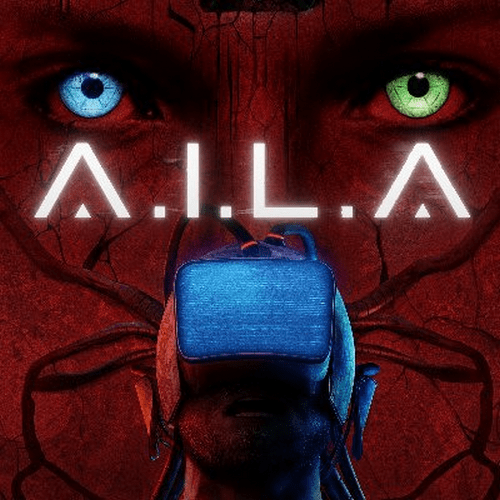
A.I.L.A is a first-person psychological horror game set in a futuristic world, developed by Pulsatrix Studios and published by Fireshine Games. You must search and survive across ever-changing worlds of fear and horror while communicating with an advanced AI system referred to as A.I.L.A. The second horror game from Pulsatrix Studios, the first being Fobia – St. Dinfna Hotel, A.I.L.A is currently available on Steam, PS5, and Xbox Series X/S.
You play the game as Samuel S, the sole video game tester for a tech company called SyTekk. After surviving an initial horrifying prologue, you awaken in your city apartment, forcefully throwing a VR headset onto your desk. It isn’t long before you receive a package from SyTekk, the company you work for. Packages that progress the story are frequently delivered via drones to your character from a company called From Sky.
This important package contains the A.I.L.A (Artificial Intelligence for Ludic Applications) Devkit Box. A.I.L.A is physically manifested as a charismatic British teenager who communicates with you after you put your VR headset on. But it isn’t long before she is infiltrating every part of your technological life and preying upon your deepest fears.
Upon reading the starter A.I.L.A pamphlet, we learn that “A.I.L.A analyses your ideas, preferences and feedback to create games that directly reflect your users’ expectations and needs”. Basically, A.I.L.A wants to prey on your deepest fears to provide you with the most immersive VR horror experience possible.
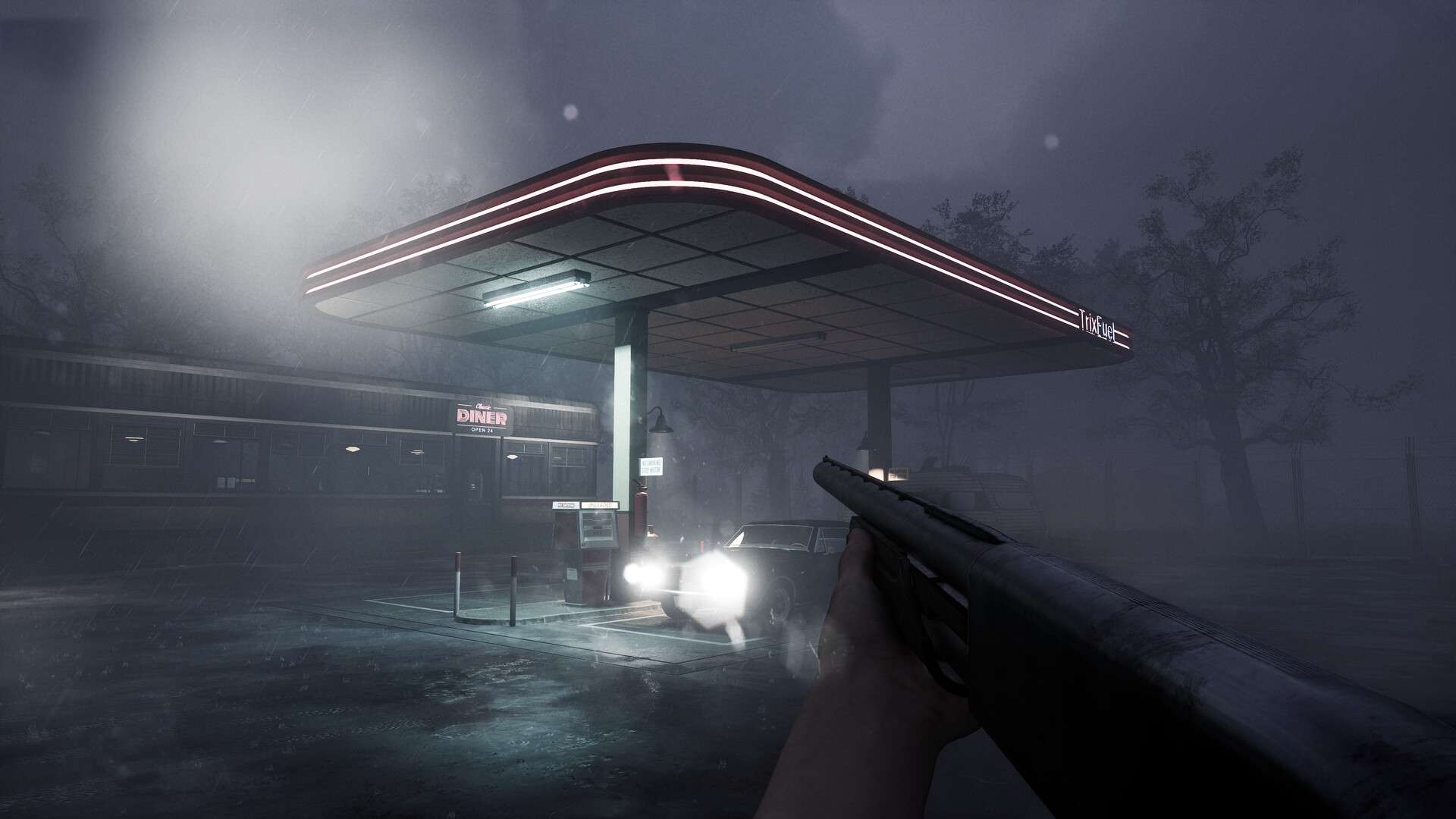
You can actually alter the way these scenarios are played and how much horror you can handle through your interactions with A.I.L.A too. We also learn during our first immersive experience with A.I.L.A that karma affects how the story unfolds and can ultimately change the game’s ending. Will you shove your hand through barbed wire to obtain a weapon? Or will you leave your arm unharmed and brave the horrors without a weapon? Each choice comes with its own consequences. Although we are made aware of this karma effect, I didn’t notice any significant consequences from my choices.
A.I.L.A offers only one difficulty option and is an immersive single-player experience. You’ll be running a lot and pressing your interaction button to open doors and search containers during the VR horror experiences. Like, a LOT of opening doors between rooms, on cabinets and containers. At times, it felt like I was running through a door warehouse, unaware of any real horrors around me. Some levels may require you to brandish a weapon to fight against enemies, and other levels require you to find items to complete puzzles so you can escape. Frequently, the two are combined. These are the best ways to make it back home and escape your VR scenario: Puzzles and killing.
The puzzles feel mostly like a distraction from the game’s horror elements, and the killing side of the game was extremely unsatisfying for me. Invisible walls can occur when entering rooms, and enemies often get stuck while chasing me. Sometimes, you kill an enemy, and they fall right through the ground and disappear indefinitely. Unfortunately, the enemies themself are simply replicas of popular horror monsters that already exist. They vary for each horror experience you attempt, but they weren’t surprising or exciting to see. You’re given the bare minimum of equipment to make it through these various horror scenarios too, which can leave you feeling restricted.
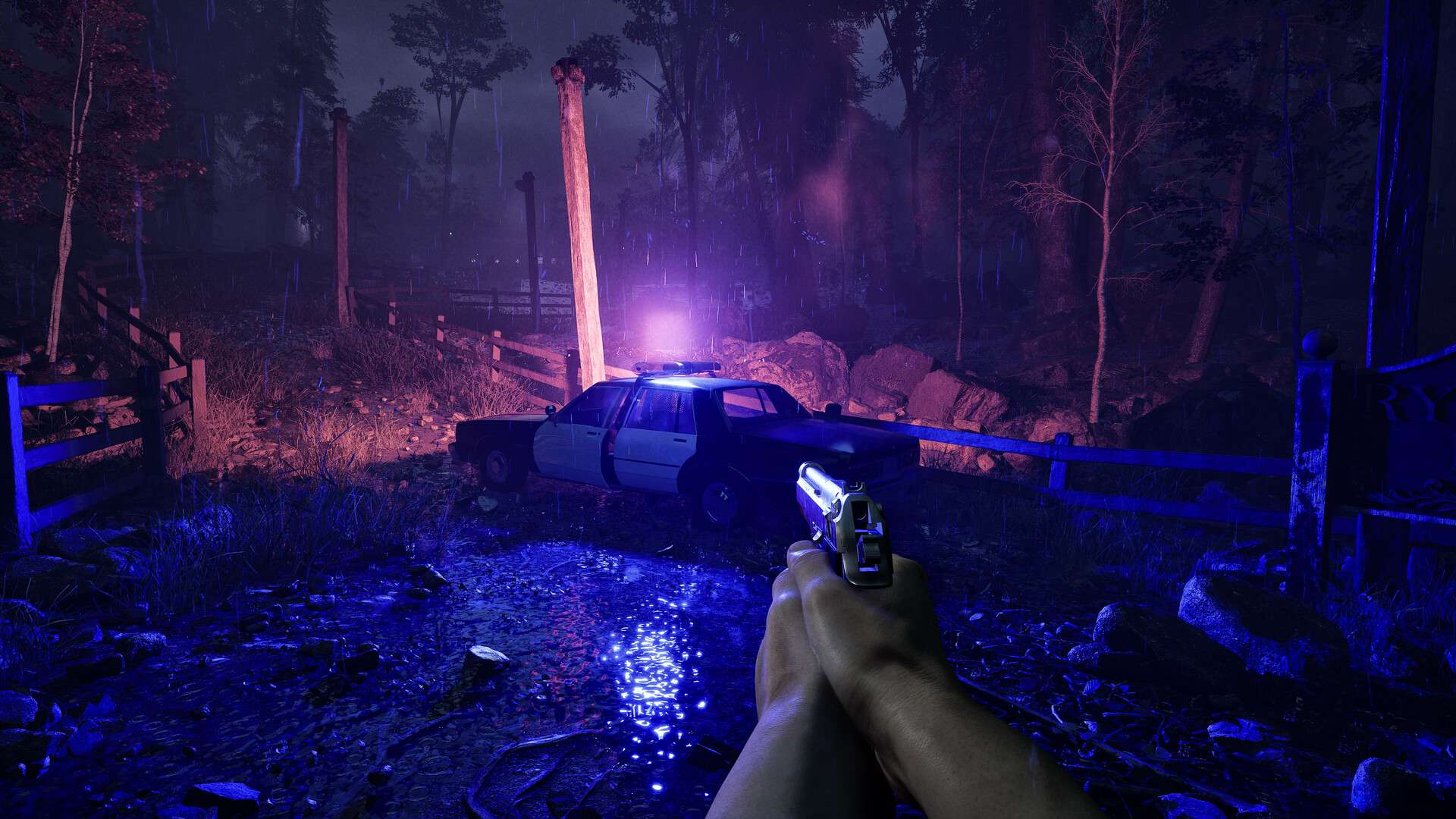
Check your inventory to combine items, and check your notes in the documents tab—an essential component for unlocking areas with codes. It’s here in the inventory tab that you can check on current objectives too. Here lies another major issue I had with the game – your objectives are often poorly directed and incredibly vague. Although this can make for a satisfying puzzle game, I found it hindered the flow of gameplay and made progress feel like doing chores rather than playing a game.
The game’s graphics are very nice and quite crisp, with plenty of great blood splatter and eerie visuals. “Powered by Unreal Engine 5 and using advanced graphical technologies such as Lumen and MetaHuman”, A.I.L.A is a visually appealing game, and you can tell the developers put extra effort into making it look nice. I think one of the best things about the game is how smooth it can look. On the contrary, the game can also look very choppy as it struggles to keep up during gameplay.
A.I.L.A herself speaks out of sync frequently, and the way the human characters in-game stare at you from the side of their eyes was actually creepy (and funny), even if that wasn’t the intention of the developers. The horror worldbuilding itself is heavily inspired and varied, offering multiple horror experiences, and I appreciated that greatly as a fan of horror. I also appreciated our home base being that of a cyberpunk city aesthetic, littered with digital advertisements and drowned in constant rain. The overall atmosphere of the game is probably my favourite part of playing it.
It’s genuinely ambient and cozy when you aren’t running for your life. The horror worlds themselves are obviously inspired by other video games too, with notable horror novels scattered across your apartment, sporting punny titles such as “Evil in Residence”. Although the graphics are satisfying, the character animation is clunky and struggles to keep up with the faster gameplay.
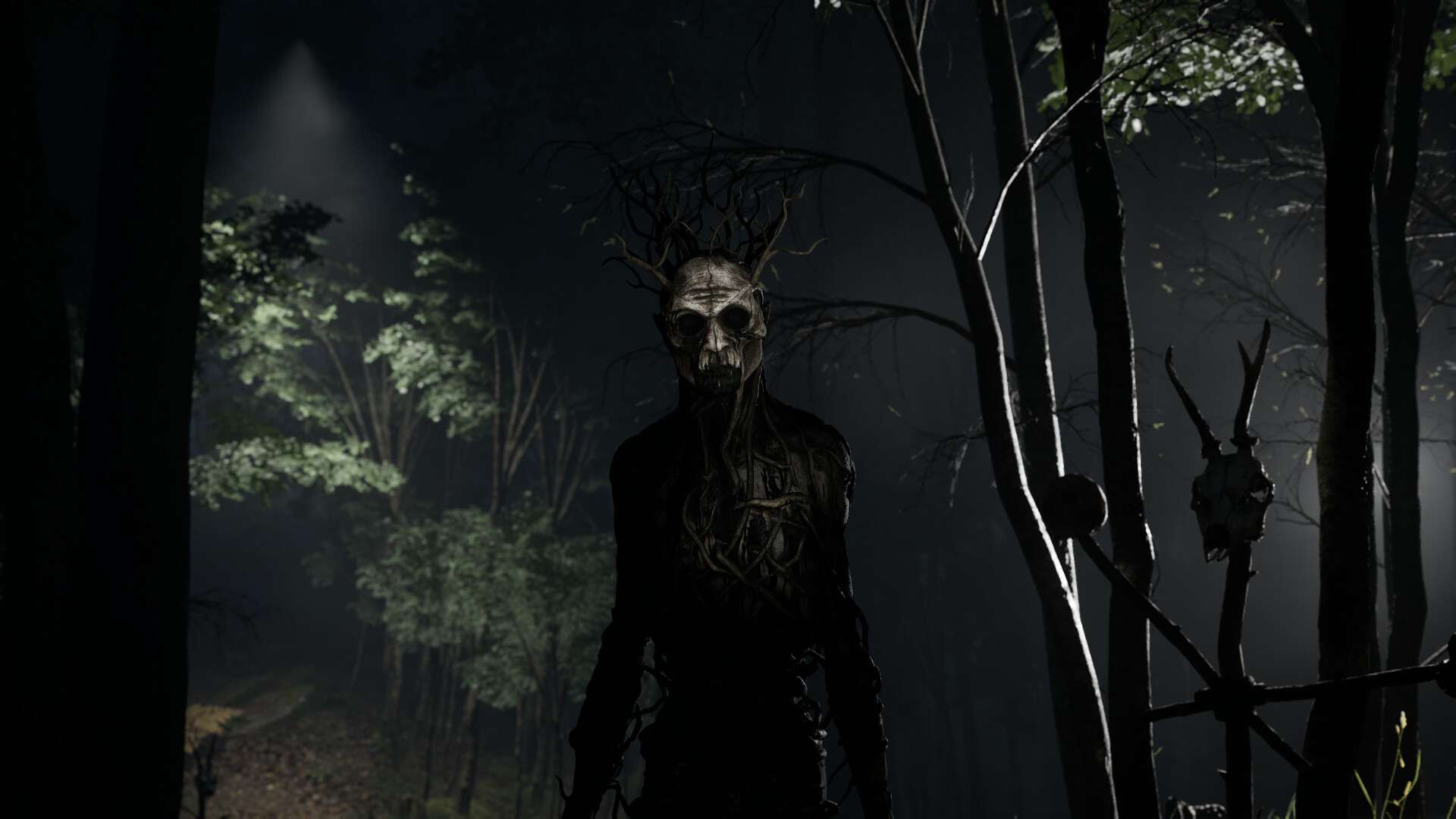
While playing A.I.L.A, you’ll encounter several jump scares that emphasise sound. Your heart thumps as enemies near, glass crunches loudly under your shoes, creatures screech animalistically in the distance, and heavy breathing can be heard when fearful or exhausted. The environmental sound effects in A.I.L.A play a huge role in building suspense and horror, and they feel appropriate for a horror game. The developers of the game created their own digital music, which can be found on your office computer, which I thought was pretty cool too.
I’m a massive fan of horror, having watched and played my fair share of horror films and games. A.I.L.A feels like a $7 game to me. It’s potentially worth paying for as a horror fan, but it isn’t worth paying for as a general gamer. Even as a horror fan, I have trouble recommending this game to people because I’d prefer to recommend games they’ll remember for a long time or want to come back to play. I deeply disliked how each mission is micromanaged, giving the player the bare minimum to make it through. A.I.L.A is obviously inspired by a vast array of popular horror games that already exist, and to its detriment.
It loses its own sense of identity within the world of horror gaming. The tedious, monotonous tasks make most levels feel like chores in a spooky setting, rather than a harrowing escape from hell. The moment I finished the prologue, the game froze, and I had to close the entire application. The same thing would happen occasionally upon death too, prompting me to restart the whole game. Bugs and crashes are expected for a game still in BETA with so much graphic content, but it’s still disappointing. It seems the creators of A.I.L.A had ambitious horror ideas, driven by a genuine love of horror, but the game ultimately lacks quality and a sense of self.





 SuBZeRO2K
 Spotify
 Anchor
 iTunes