
Created by Tomonobu Itagaki at Tecmo, the Dead or Alive (DOA) series began all the way back in 1996 and stood out in the arcades for its unique gameplay elements and its leaning towards fan service in its character designs, which it doubled down on in Dead or Alive 2 in 1999. Itagaki’s goal for the series was to create the best 3D fighting game that would dominate the big hitters like Tekken and Virtua Fighter, which have always been the premier games in the genre and have major eSports events around the world.
Dead or Alive games do have some competitive scenes, but never anything on a large scale with big prize money and usually get a small side tournament at eSports events if they’re lucky. The DOA series certainly has visual appeal, but it’s always been style over substance and has felt catered more towards casual players, while struggling to hold on to pro players’ interest for long.
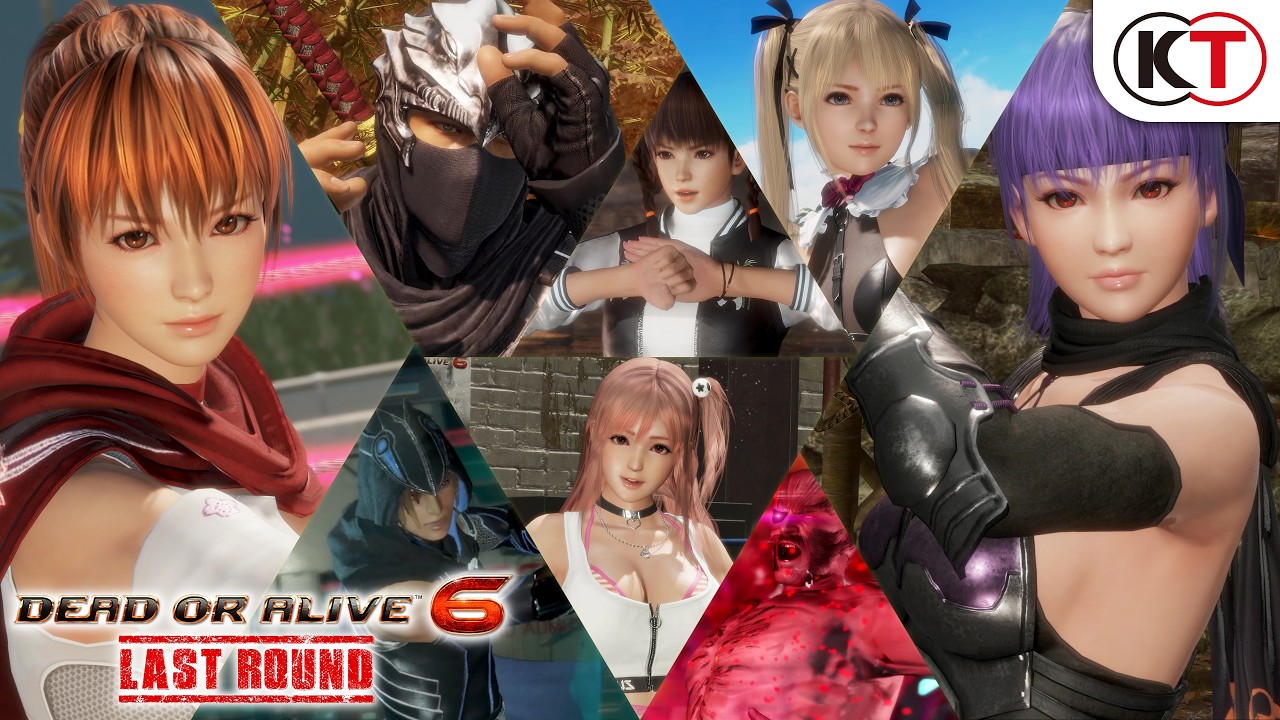
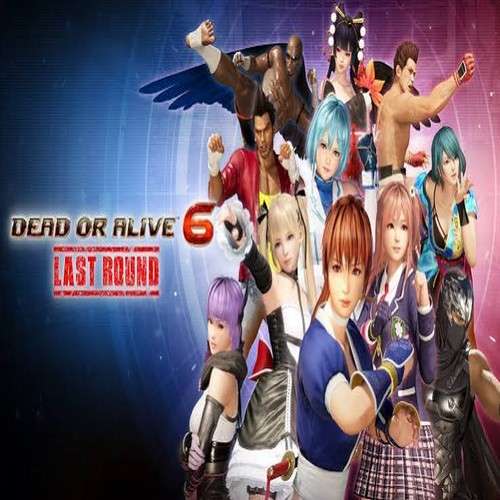
The last game released in the series was Dead or Alive 6 in 2019, which tried to be innovative but, gameplay-wise, was a step down from the previous game. During the PlayStation State of Play back in February, a new Dead or Alive game was announced to be in development, but before that and to the franchise’s 30th anniversary, Dead or Alive 6 Last Round was also announced by Koei Tecmo and Team Ninja, an updated version of the 2019 game now pummelling its way onto Xbox Series X|S, PlayStation 5 and PC.
The Mugen Tenshin ninja clan and a reformed DOATEC corporation look to uncover a sinister plan by the rogue organisation M.I.S.T., led by Victor Donovan and the brilliant but erratic new scientist NiCO. M.I.S.T. conducts unethical experiments involving human enhancement, cloning (Phase 4), and the recreation of legendary fighters like Raidou. Now they seek to exploit the mysterious superhuman powers of a young girl named Honoka, which forces Kasumi, Hayate and Ayane to participate in the sixth Dead or Alive tournament while battling these new threats, uncovering M.I.S.T.’s true intentions and protecting Honoka.
Dead or Alive 6 Last Round features gameplay and graphics upgrades, a brand-new Photo Mode, new outfits, and future DLC characters yet to be revealed. All characters, including all DLC characters, are available from the start, except Mai Shiranui and Kula Diamond, who are guest characters from the King of Fighters.
For those who still have their save file from the original Dead or Alive 6, it will automatically transfer over into the updated version of the game, meaning all your progress and unlocked content, including Mai and Kula, plus any outfit you’ve already acquired or purchased with in-game currency or actual money. This is a big relief because the number of microtransactions was already insane for serious collectors, and thankfully, you don’t have to buy them again.
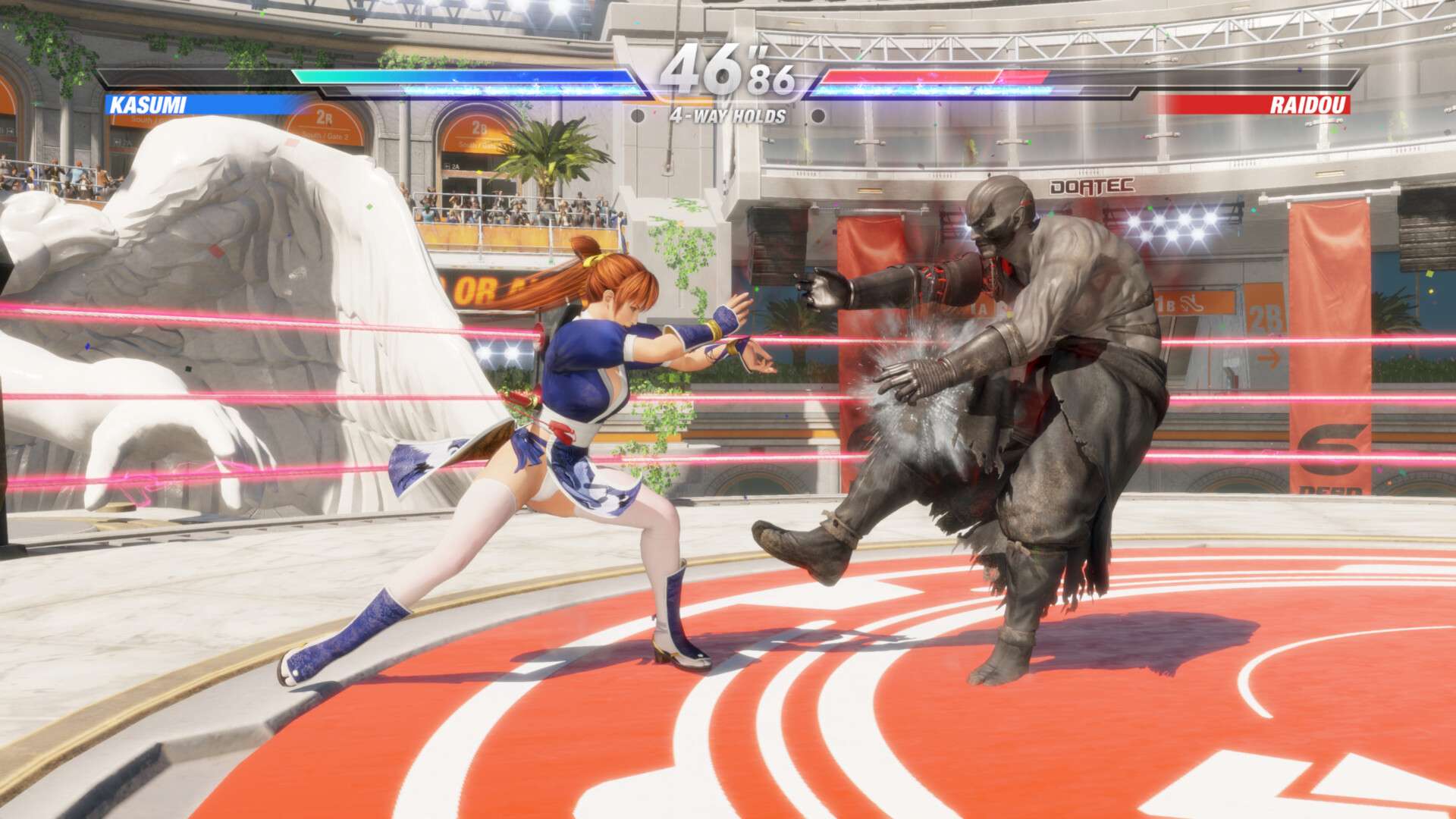
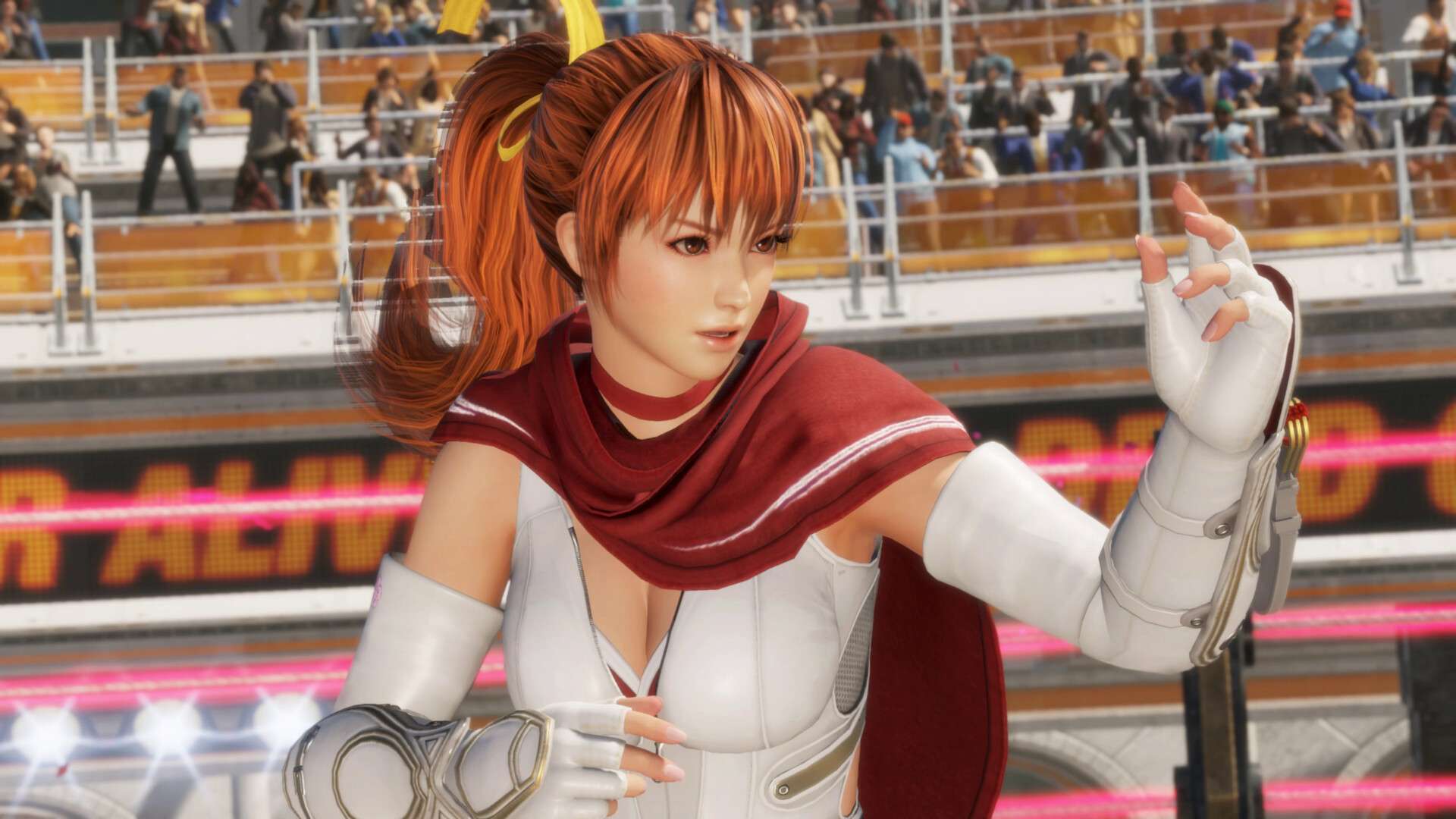
Gameplay-wise, nothing has actually changed or at least nothing we can see, despite it being advertised. It feels the same to play as it did before, which might not be a bad thing for certain players, but a lot were excited for improvements that could help the game be taken more seriously in the Fighting Game Community. Since new DLC content is on its way, perhaps the gameplay will receive patch updates, which doesn’t feel likely, but only time will tell.
The current gameplay isn’t terrible at all and will appeal to casual gamers as they pummel their opponents, throw them down stairs, platform and building, and interact with the surrounding environments like crowds, tanks, dinosaurs and even a giant octopus. The fighting mechanics use a Rock, Paper, Scissors-like system where strikes beat throws, throws beat counters, and counters beat strikes, making it feel more like a guessing game than a game that relies on mastering your techniques, timing, and frame inputs like in Tekken and Virtua Fighter.
The original DOA6 also introduced a Fatal Rush button, which serves as an easy-to-use auto-combo, but it made neutral interactions feel less tactical, and the Meter System for Super Finishers and break holds was heavily criticised by longtime fans, who felt it slowed the pacing and rewarded players for simply taking damage.
It feels like a big downgrade from Dead or Alive 5, which actually had a highly technical combat system. Being able to appeal to casual players is good, of course, but there needs to be something for the competitive players, too. The usual Arcade, Time Attack and Survival modes are still included, but Tag Battles and Team Battles are still missing, which were fun additional modes in the previous games.
Story mode is the same as before, which should’ve been a fun mode to explore the game’s story, but the presentation is disappointing. Story modes in other fighting games are presented as one continuous story and allow you to play as different characters to see their perspectives, but in DOA6, players have to manually select each available section of the story every single time.
The cutscenes are also short, and the battles are single rounds that don’t last long, which negatively affects the flow of the story and makes it difficult to absorb everything. It’s good to see different character perspectives, but with each section being unlocked out of order and forcing you to go back and forth between chapters, it ends up being all over the place and makes it hard to care about anything that’s happening.
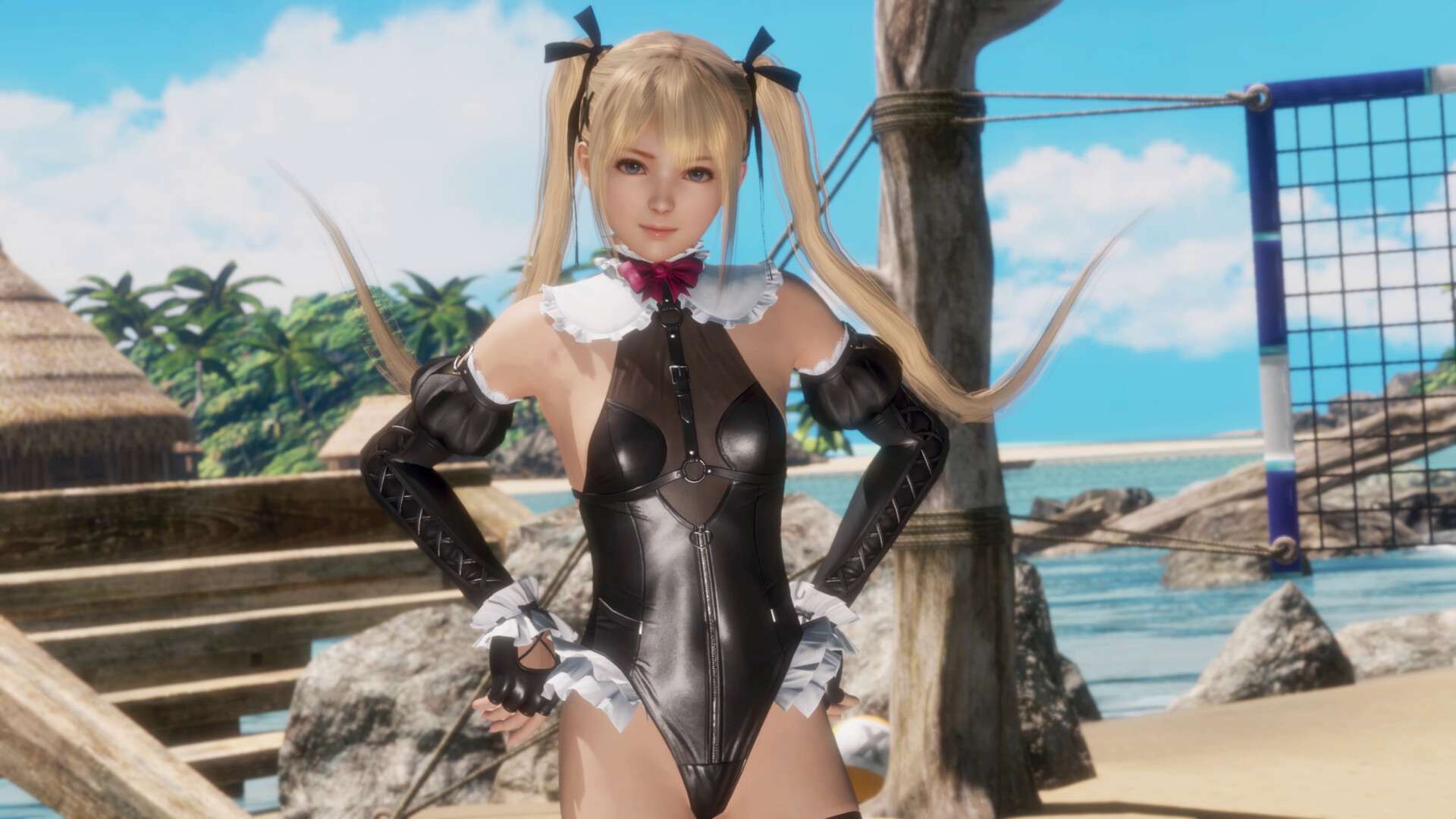
The story itself is as generic as it gets, with bland acting and a feeling of random scenarios for the sake of seeing different characters interact. Dead or Alive 6 Last Round could’ve improved this by giving us the option to make it a single continuous story, but currently, players still have to do it manually. The final boss fight is actually fun and exciting, but also too short and could’ve been an epic climax to an otherwise basic story with uninspiring character personalities.
The game certainly looks better than before, especially in 4K, which it didn’t support previously. The character models and stages have sharper textures, but it isn’t a huge upgrade overall. One stage in particular, Lost Paradise, has the most noticeable graphical upgrade, mainly with the running water being more reflective, but other stages look just like they did in the original DOA6.
While we didn’t expect the character designs to be changed, they still need a lot of improvement, which we hope to see in the next game. Series creator Tomonobu Itagaki placed a lot of emphasis on fan service, with the female characters showing a lot of skin and having exaggerated… assets.
Itagaki parted ways with Koei Tecmo after DOA4 and DOA6 seemed to lean away from the fan service a bit, but still had unlockable and purchasable outfits so fans could see “more” of them. Characters like Marie Rose and Honoka in lolita and schoolgirl clothes as their default outfits, looking younger than 18, are cringe and out of place, even for a DOA game.
New characters are confirmed to be on their way, with the first being a female character named Minato. We haven’t seen her face yet, but teaser concept art for her two outfits has been shown. One is street clothes with a short skirt and midriff, and the other is a school uniform, because DOA clearly doesn’t have enough of those (sarcasm). Her hairstyle and accessories indicate she might have a rebellious personality, which will make her interesting and stand out from everyone else, so it’ll be interesting to see her when she’s eventually revealed.
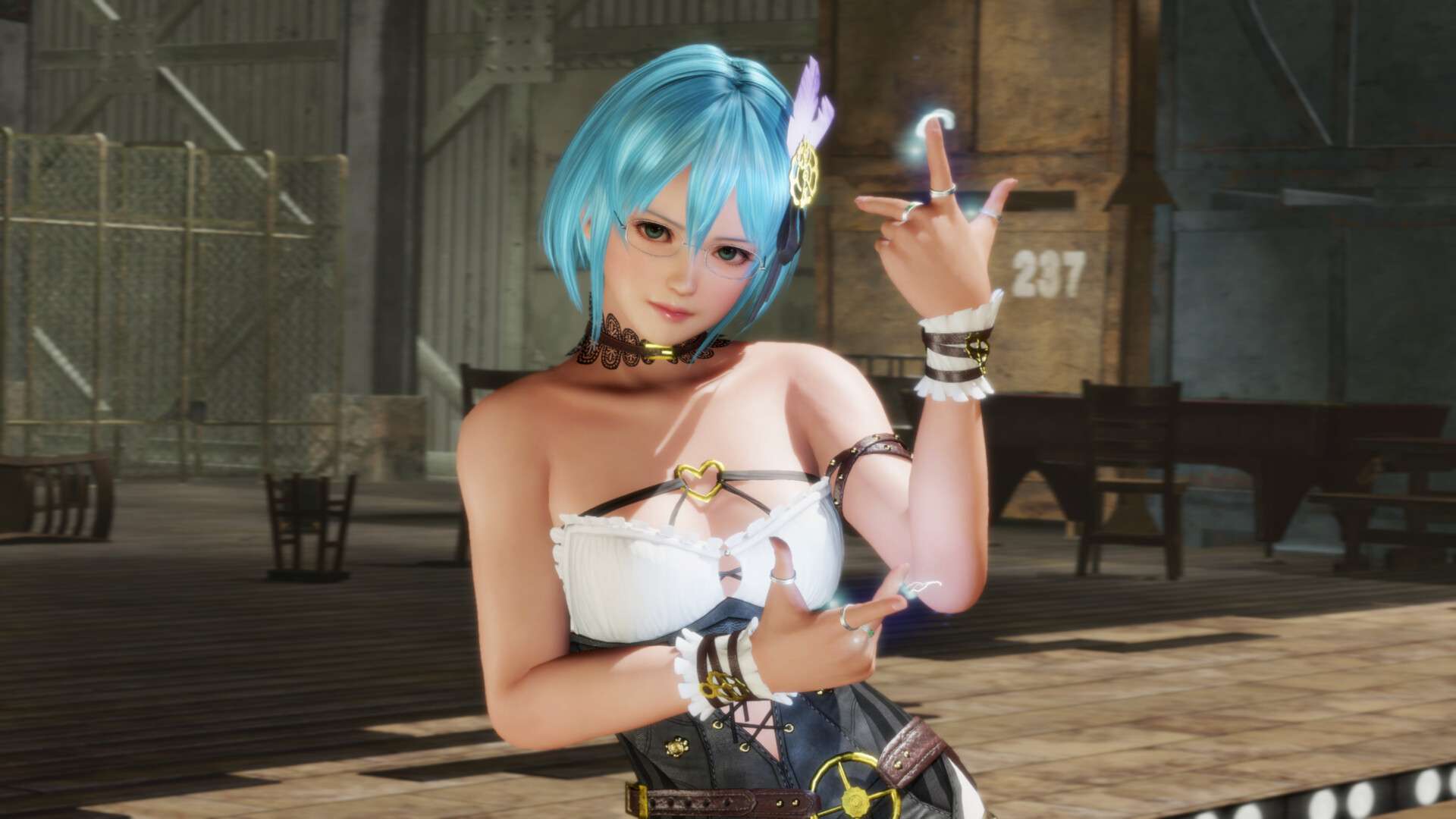
The character personalities, with the exception of a few, are still severely lacking and generic. Their facial expressions, or lack thereof, don’t help either, as if they all have Botox. Series mainstays like Kasumi, Ayane, Hayabusa, Zack, Jann Lee, Lei Fang, Tina and Bass have been around since the beginning, are easily recognisable characters, and Koei Tecmo could do so much with them.
Even characters with traumatic pasts or edgy personalities can be interesting, but DOA hasn’t figured that out yet, even after 30 years. It’ll be interesting to see if the next DOA game can give them all a desperately needed glow-up, and if Ayane’s cameo in the critically acclaimed Ninja Gaiden 4 in 2025 is any indication, DOA could be looking at a bright future.
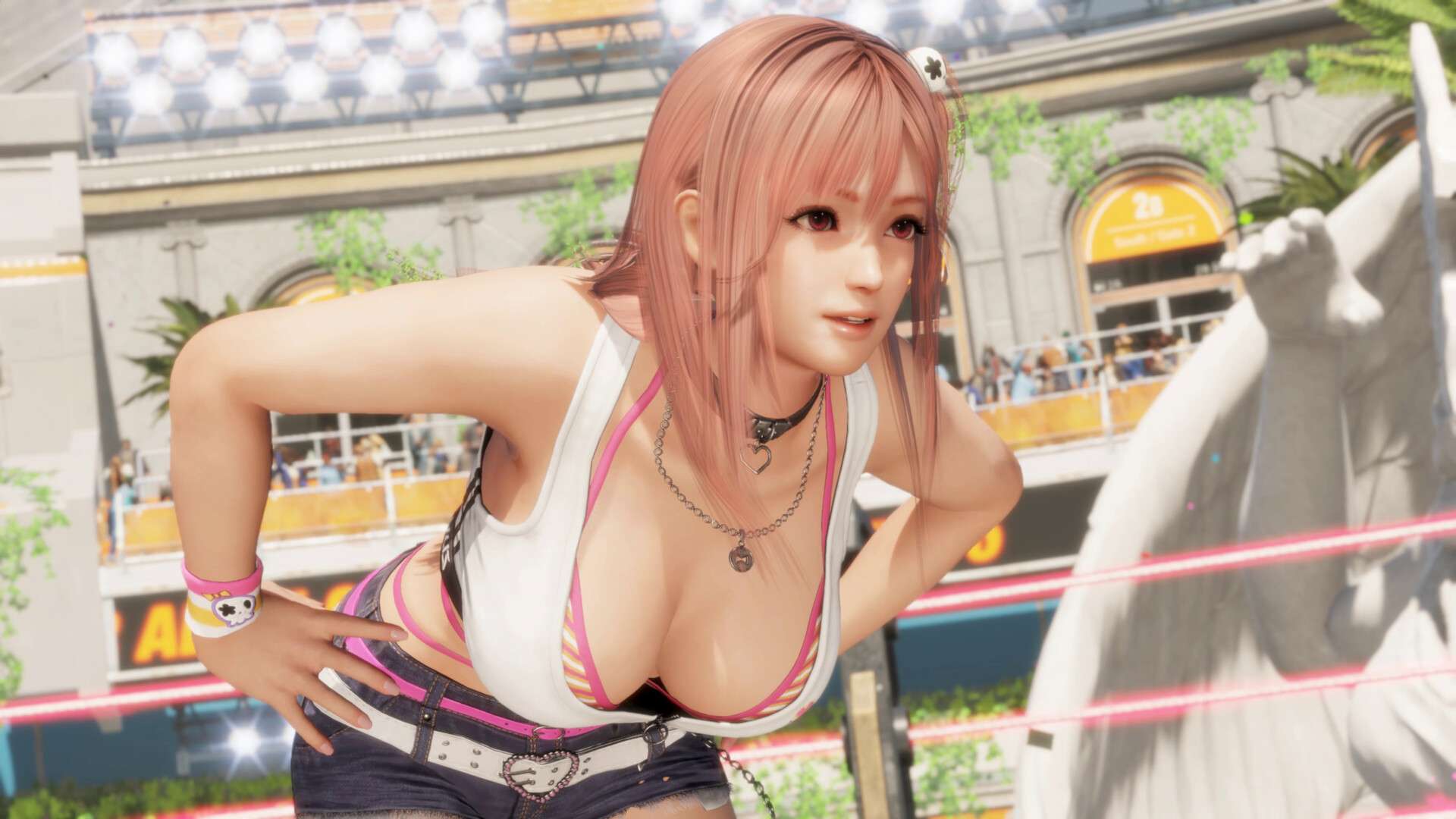
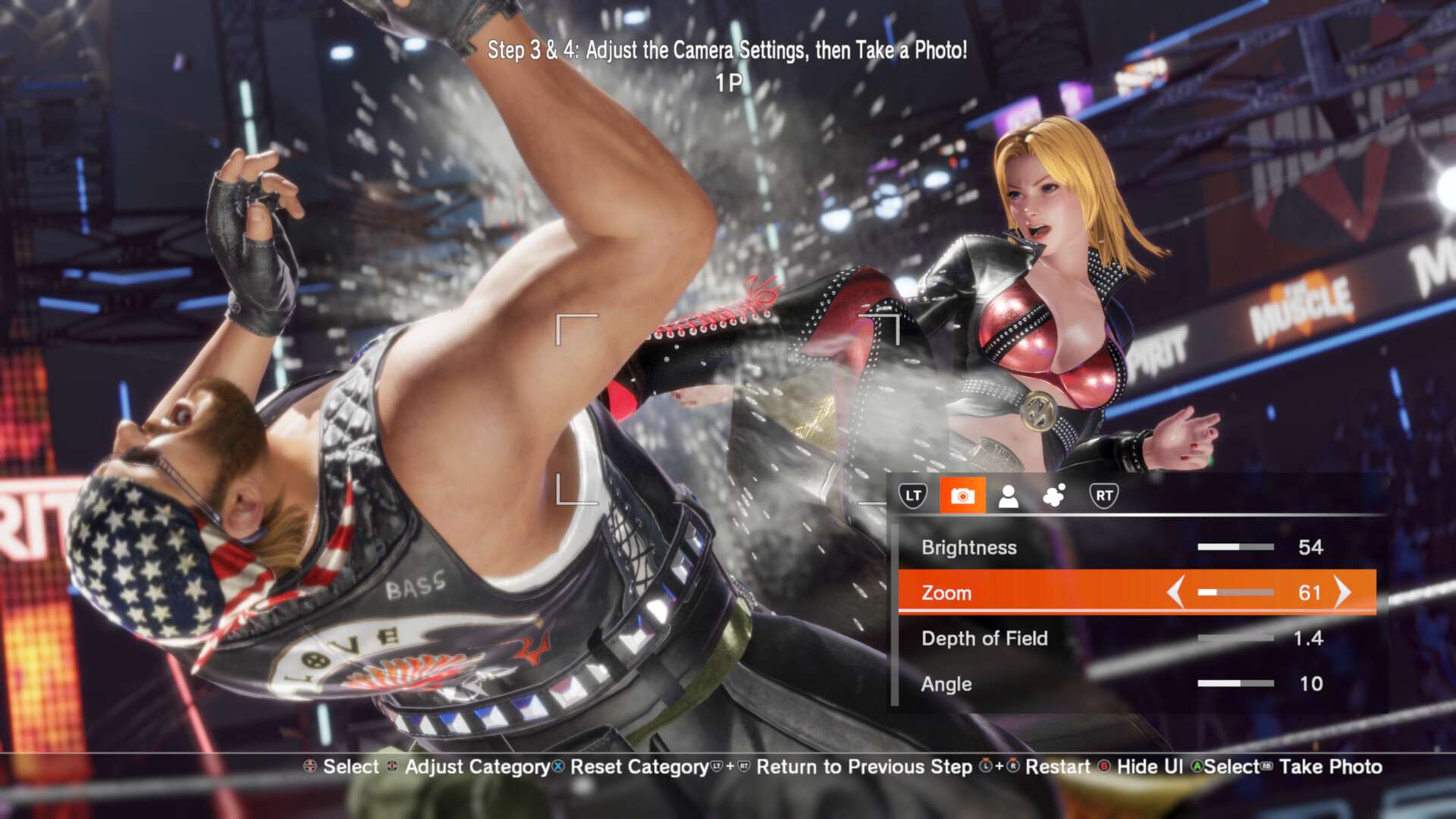
While most of the upgrades haven’t been groundbreaking, the Photo Mode is the best new feature, allowing players to create and customise their own actions with their favourite characters. It’s incredibly comprehensive, as you can have characters perform specific moves in any part of any stage. The controls can take a while to get used to, but for those who commit, they can create some breathtaking action shots in the forest, on a city building, or at the beach with the sun in the background. Of course, this mode can also be used to just get close-up shots of characters with… specific angles (you know who you are).
Online play is available: Ranked for competitive players and Lobbies for casual play. In my personal experience, the online performance was sufficient, but it still uses the outdated delay-based netcode. Rollback netcode is the standard for online fighting games, and Dead or Alive 6 Last Round, which doesn’t include it, is a real missed opportunity. There is also no crossplay, either, so players can only match up with opponents on the same platform, reducing the number of potential match-ups. Hopefully, the next DOA game will have rollback netcode and crossplay if it wants to be on the same level as the big hitters in the genre.
Series creator Tomonobu Itagaki, who sadly passed away last year, always believed that DOA had the best of everything for a 3D fighter, better than even Tekken and Virtua Fighter, but it has never reached the same level or come close, and the novelty only lasted so long with each game. Itagaki (rest his soul) was certainly ambitious, but his ego and promotional style never lived up to the hype of the DOA games he worked on.
The competitive scene and solid online performance are what keeps fighting games relevant for years after the initial release and DOA has a long road ahead before it can be amongst the best in the fighting genre, but with how big the fighting game scene is today and a new Dead or Alive game on the way, expectations are high for Koei Tecmo and Team Ninja to learn from the past and create something that can be taken seriously, stands out from the rest and build a dedicated competitive scene.
Dead or Alive 6 Last Round may not have been the upgrade we were hoping for. In its current state, not much has changed, aside from slightly improved graphics and faster load times. It plays the same and is still more of a casual game than a competitive fighter. It’s not a terrible game, but there’s a lot of room for needed improvement. Things could change with patch updates, but only time will tell.
The original DOA6 is compatible with modern consoles, so those who still have it may want to save their money for the next DOA game or wait for a sale. Expectations are high for the next Dead or Alive game, but until then, Dead or Alive 6 Last Round, while a very low effort upgrade, is still an entertaining enough game.
The Good
- All characters available from the start including DLC
- Save files from the original version automatically carries over
- Fun and entertaining for casual play
- Comprehensive Photo Mode
- New DLC characters are on their way
The Bad
- Not much has actually changed in its current state
- Visually appealing but it’s style over substance
- Didn’t add rollback netcode or crossplay for online play
- Disorganised Story Mode
- Mostly bland and uninspiring character personalities




 SuBZeRO2K
 Spotify
 Anchor
 iTunes