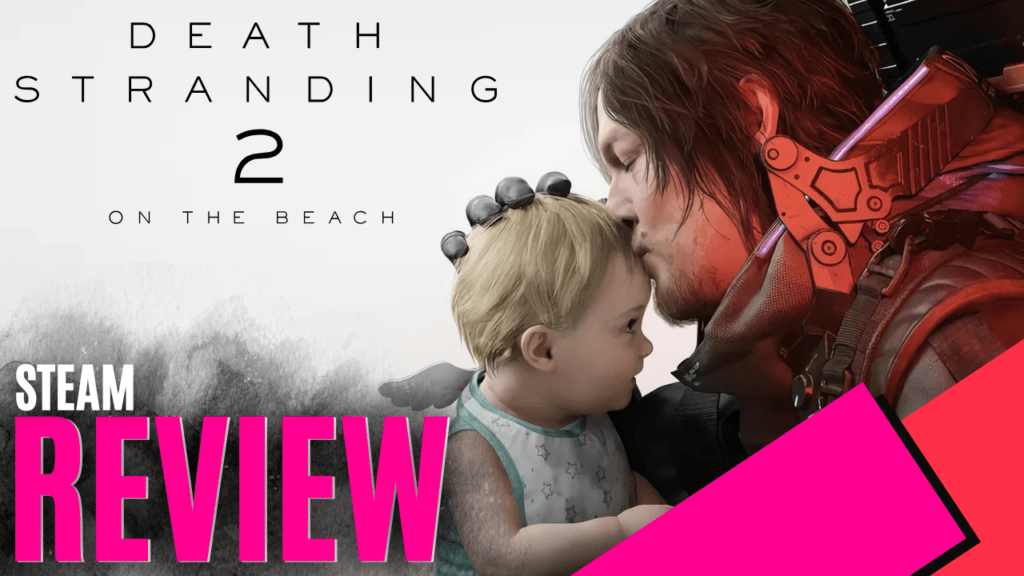
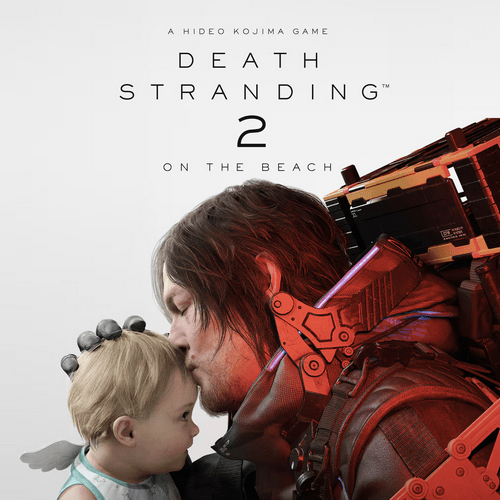
I have always watched the Death Stranding series from afar, hence I was excited when they announced Death Stranding 2: On the Beach was coming to PC. Kojima Products and Nixxes Software describe the title as “Traverse a world beset by otherworldly enemies, obstacles, and a haunting question: should we be connected”? Let’s jump in.
Having not played the first title, I thought it was a nice feature on the main menu: a “Death Trending Recap” that takes you through the 12 months leading up to this title and provides the background events that have led you here. It gives new players great context on what has happened. Great feature, but then a lot of this information is repeated when you start a new game, so it felt a bit like a double-up. What would have been more helpful was an explanation of the terminology used in the storyline, as I found the language and acronyms to be the biggest learning curve when starting out as a new player.
You follow Sam Bridges, a legendary porter and former director of Bridge’s company, who played an instrumental role in expanding the Chiral network (Bridge to the Future) across mainland America to try to bring the population back together. Your long-term friend, Fragile, locates you in your hidden residence deep within the mountains. She has started up a new company, DrawBridge and wants to enlist your help to push back the BT (Beached Things – stuck between the living and dead world) and bring Mexico online to help connect them to the Chiral network, as a defective AI keeps trying to isolate humanity.
This is where it gets tricky: try to review without spoiling the story. On your mission to bring Southern Mexico online, you encounter a new anomaly with the power of instant time travel, sending you to Australia. Australia is essentially where the majority of this title is set, as you help establish a Chiral network.
When starting the game, you have a few different difficulty levels to choose from – “Story”, “Casual, “Normal”, “Brutal”, and now “To the Wilder”. Apart from “To the Wilder”, you can change the difficulty as you go along to help you find the right balance of enjoyment in the storyline and action to keep you on edge and intrigued. Loading in, my breath was taken away. Starting on top of a mountain range, trying to find my way home, I just stood there in awe. The graphics and depth of field were just insane.
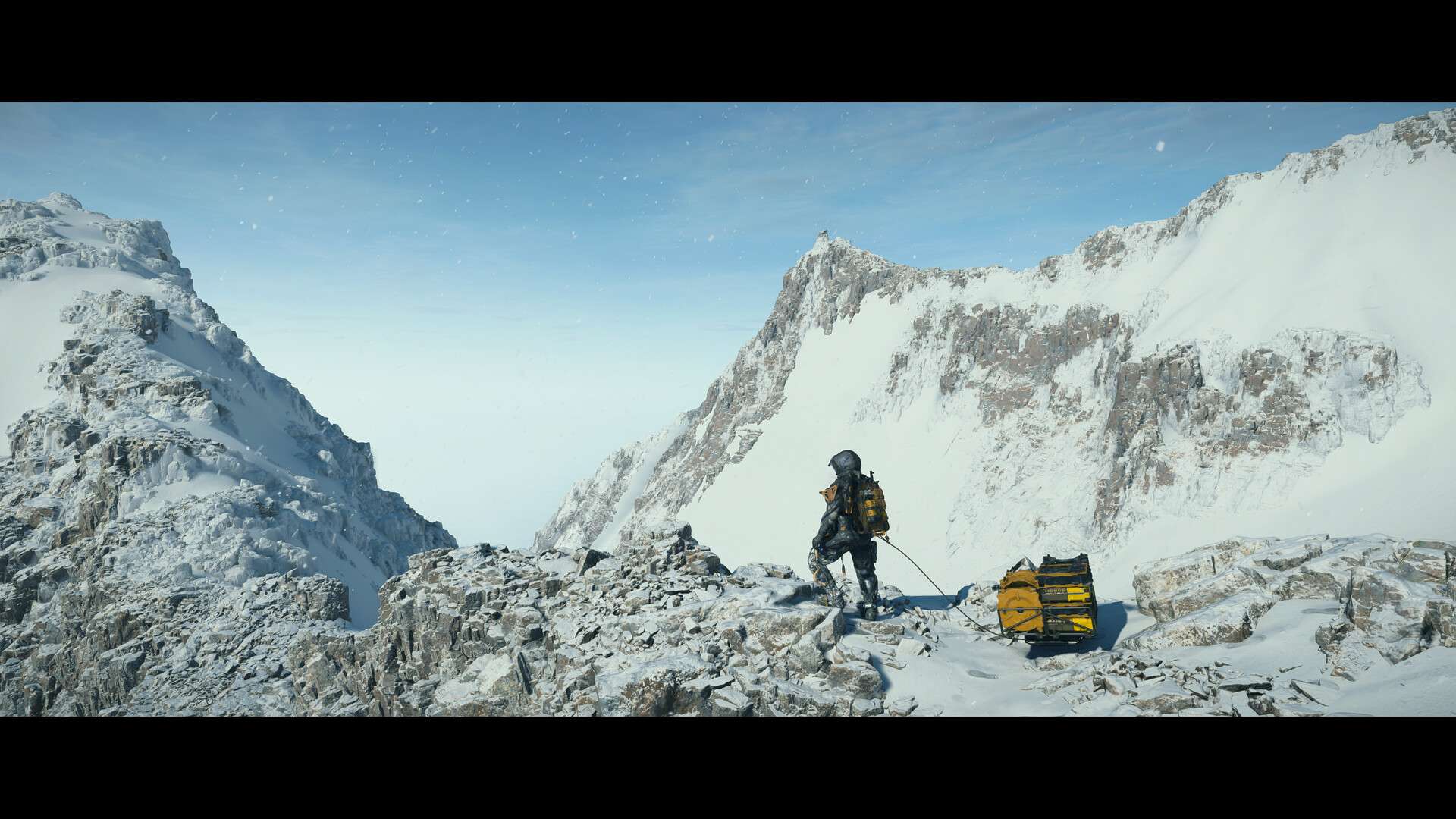
This is where Kojima has once again managed to extract amazing performance and visuals from the Decima engine. Then I heard a baby crying and realised it was strapped to my chest, my daughter, Lou. The developer has really tried to get you to buy into the storyline by playing with your emotions and setting up the father-figure character. It makes you think twice about performing dangerous missions, as you know your infant daughter is waiting for you at home, a point reinforced by various cut scenes. Running along the mountain ridge, you have to maintain your balance as you traverse down, which is your first introduction to the balance and footing system in the game.
A big part of the game is route planning before you depart the safety of your accommodation. You negotiate mountain ranges, deep rivers, creeks, and bandit villages along the way to your objective. Then, once you are outside and think you have it all under control, you get thrown the curveball: natural obstacles like wildfires, dust storms, earthquakes, rain storms, and even the night cycle, which limits your ability to see, even with your limited night light from your ever-growing backpack. As the rain falls, you see small raindrops on your monitor, as if you were looking through glasses in real life.
With the dust storms, your face and clothes begin to weather, something you wash off when you reach your next checkpoint and have a nice, warm shower. There really is a lot of deep immersion in the small details in this title. Time to make your delivery, what’s your moral compass telling you? Are you going to run through using stealth, stun guns, and being the peaceful porter? Or are you more the angry, kill-everything-that-moves porter? This is also another factor that will help determine the route you will take on your mission. You also aren’t alone out there, either. With the social strand system, you can leave structures, tools, or resources in postboxes to help other porters on their journey. You won’t physically see them, but a nice thumbs up while you are questing away when they use them brings a little smile to the face.
In the beginning, everything you bring with you to help you complete the missions is carried on your back. This makes you really sit down and evaluate what you really need and your route. If you are going through the mountain pass, you will need to pack climbing equipment and multiple rivers to cross; make sure you bring ladders to navigate across them safely. As Death Stranding 2 has a well-crafted balance system in-game, you can easily lose your footing as you traverse the world. This is amplified when you have a large weight or uneven cargo on your back, throwing you off balance. You do have a repair spray you can carry with you on each trip, or a fall has the potential to damage your precious cargo, and sometimes the cargo will even dislodge, leaving you chasing crates all over the place, especially when in steep terrain.
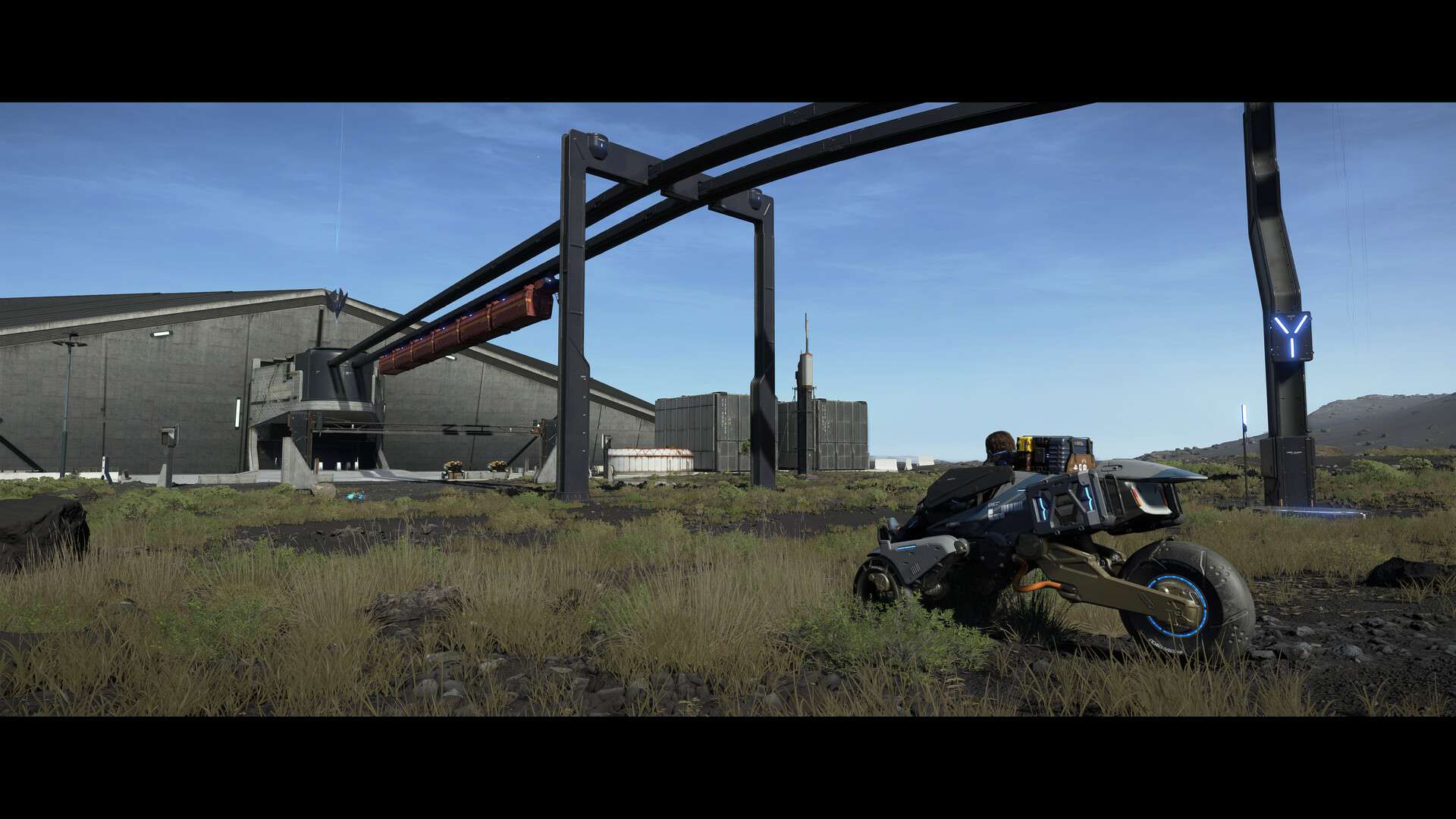
As you progress, you have the ability to unlock exoskeleton parts for your porter suit, or you will start to have the choice of sleds, multi-terrain vehicles, or even hover boards, each with its pros and cons for the mission, so you have to choose wisely. All good plans don’t always go to plan; hence, I found myself constantly checking the 3D thumb map to see how I could optimise my route or avoid challenges I had overlooked in the original planning process.
The PC version brings a host of upgrades and additional content, not just a simple port. Support for Nvidia DLSS and AMD FSR, upscaling, ray tracing, ultra-wide angle for large monitors, and native 4k, just to name a few graphical upgrades. Obviously, keyboard and mouse support has been added. For myself, that’s all I use, and I had no issues with the various commands. You are also given access to the “Trapped in a Strange Realm,” which is a VR training area based on Sam’s previous battles and experiences.
The new “To the Wilder” mode, as listed above, is also available, which is essentially an extreme difficulty mode. I tested the Steam version, and it has the standard achievements and trophies for most games. You also have the ability to connect your PlayStation Network account and gain trophies and a few limited clothing unlocks for your account.
The audio hasn’t been forgotten either. With the dynamic audio system, you can hear every raindrop fall, enemy chatter, and footsteps around you, and which direction they are coming from. The country you are in dictates what accent the characters have when you interact with them; it’s all these small things that add up.
Overall, Death Stranding 2 – on the beach is a true masterpiece. The ability to alter your difficulty level to experience the story in relative peace or turn up the heat and turn the title into a first-person shooter really caters to all playing styles. The graphics are truly spectacular, and the ability to engage with the community by helping your fellow porters is special, helping build communities in the series while it already has a cult following.
Within the community, it is commonly believed that Death Stranding is better experienced on the PC due to its graphical enhancements, and Death Stranding 2 – On the beach will be the same, in my opinion. This title is something special and is a must-play for new players and old fans alike. Be prepared to have your breath taken away by the beauty and the horror that is Death Stranding 2: On the Beach.

The Good
- Cinematic storytelling
- Engaging and empathic storyline
- Catering to different playing styles
- Selection of vehicles
The Bad
- Step learning curve with terminology
- Repetitive introduction when you have already watched the recap




 SuBZeRO2K
 Spotify
 Anchor
 iTunes