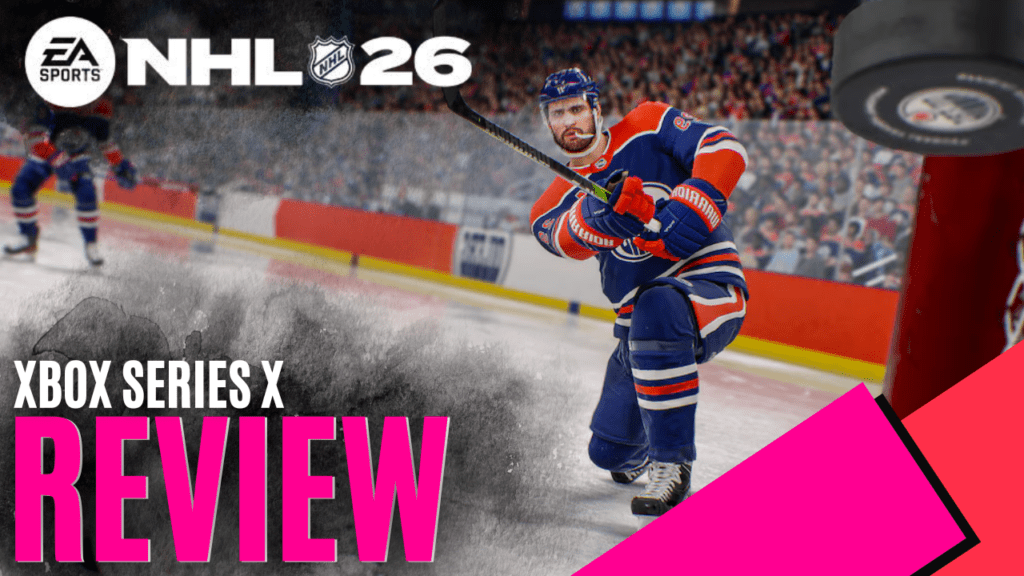
As someone who’s taken a hiatus from sports titles in general the last few years, stepping back onto the virtual ice with ‘NHL 26’ was a daunting, yet great chance to find my love for the genre yet again. My last serious time with the series was ‘NHL 22’, and the game had begun to feel a bit stagnant, with repetitive AI, predictable scoring, and a lack of true player individuality. This year’s instalment, however, feels different. It’s a professional and deliberate step forward, addressing many of the core issues that had begun to hinder my experience with the series.
The single most impactful change in NHL 26 is the new ICE-Q 2.0 system, which is powered by real-world NHL EDGE data. This is not a gimmick; it’s a fundamental shift in how the game plays. The game now uses real-time puck and player tracking data from all NHL arenas to inform you on players’ attributes and tendencies.
This means for the first time in my eyes, a player’s in-game skating speed, shot power, and even their on-ice behaviour is directly influenced by their real-life performance. Take Auston Matthews, his release is a bit smoother, sneakier, and feels more realistic. These aren’t just stat upgrades; they’re unique animations and behaviours that really make your best players play like the game changers they are.
A completely new ‘Goalie Crease Control System’ with over 80 new save animations makes playing the crease, hugging the post and tracking pucks through traffic a lot easier. Gone is the standard-issue robot-like enemy goalie. They are now able to explode out of a save animation and react to a new threat, improvising their response to rebounds and deflections. Goalie AI is also now married to player size and style, so a smaller, more acrobatic Juuse Saros will feel different from a bigger, more positional goalie like Darcy Kuemper. This really adds to the game and turns it into a tactical exercise.
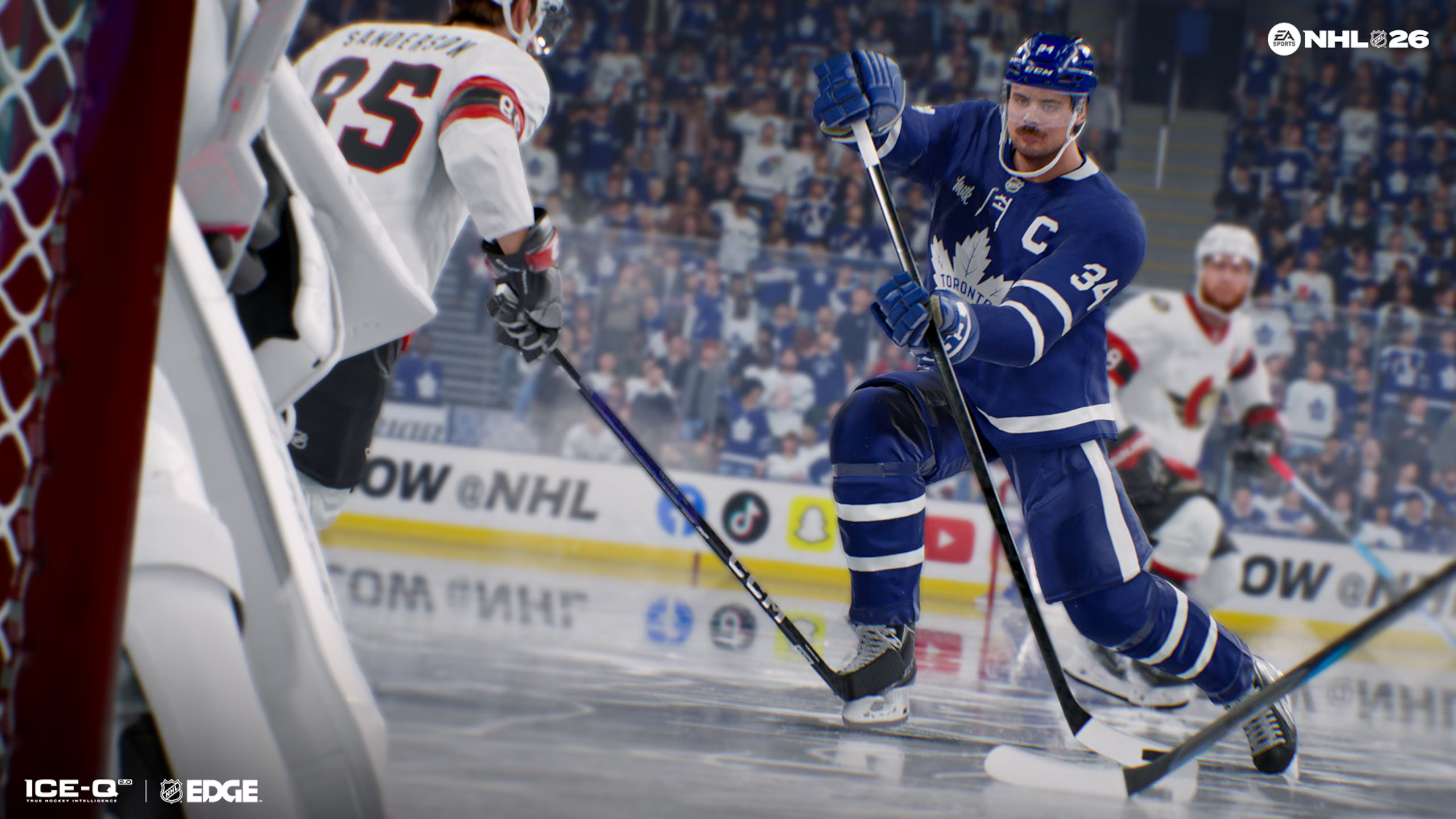
Some of the basic things leave room for improvement, such as physics. Hip checks and reverse hits are more dependent on the size and strength of the player, meaning no spam moves and making you have to turn into more of a situational play. Vision has also been adjusted to incentivise the proper usage of the mechanic as opposed to leaning on it to skate through the game.
The biggest improvement for an already enthusiastic returning player is in the game’s core modes, which feel like they’ve finally got the degree of attention we’ve been begging for. ‘Be a Pro’ has been revamped in terms of cinematics and structure. The boring exposition and repetitive grind have now been replaced with an episode-based structure featuring branching paths.
How you play now dictates where your career goes, which can plummet down to the AHL for the first time in years. The addition of the ‘World Juniors’ are a stepping stone to your career and a reimagined hub featuring a “Form Score” which dictates ideally where you should be in the chapter form-wise to progress accordingly, and also headlines , which make going from rookie to champion feel far more personal and immersive.
‘Hockey Ultimate Team’ also known as HUT introduces the new HUT Seasons, which take away from just grabbing the highest rated card and concentrate more on making a smarter and strategic roster. Salary Cap and rotating captains help you to take a punt on a particular player one week, and have a chance to recover the next.
Offline players will also get the chance to play with the new HUT Cup Chase, a complete 18-game season with playoffs, where players progress to advance in the playoffs, but have no leaderboard pressure. The inclusion of “Heroes” and “Icons” cards also contributes to the mode feeling tied more deeply to hockey history.
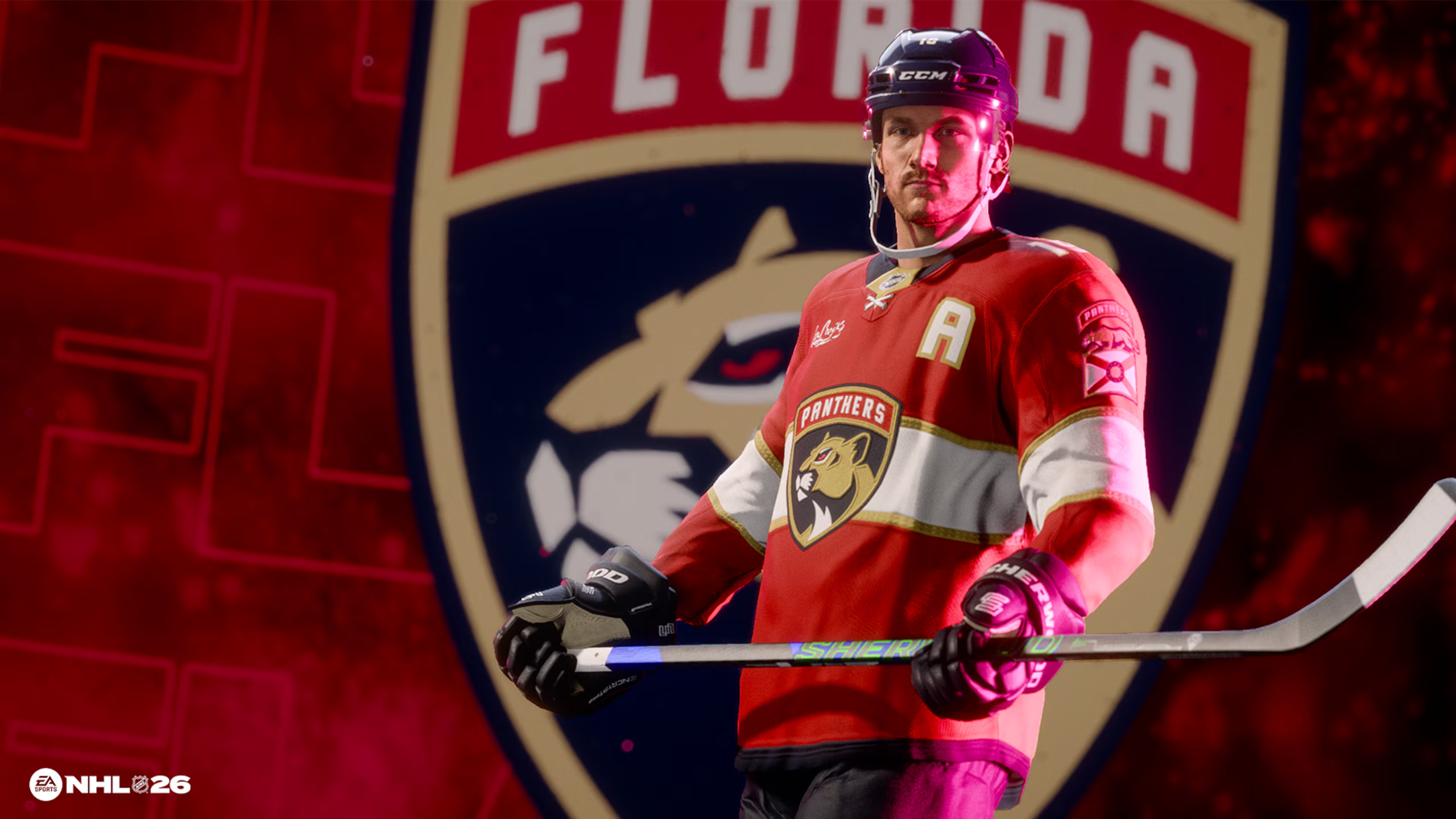
‘World of Chel’ returns and has also been re-jigged. Boosts are replaced in favour of a new Ability Points (AP) budget for your X-Factors. This is hoping to discourage players from making endgame builds without too many weaknesses, as they have been able to in the past, which personally stopped my playing online in the past. The new level-based setup for X-Factors, and surprisingly to me, the chance to carry over your club from ‘NHL 25’, are great quality-of-life improvements.
The sounds and music have always been great in EA Sports titles, in general. The roar of the crowds are loud and immersive and ever, and the commentary is clear and fluid compared to previous versions. The soundtrack, which compiles tracks from artists such as ‘New Found Glory’, ‘Beauty School Dropout’ and ‘Towns’, lends a great vibe to preparing you to hit the ice.
It’s not a perfect game by any stretch, it has its odd physics hiccups and legacy AI issues still arise as many sports titles do, but it’s such a step up from what we’ve had in recent years. The addition of the real-world data and ICE-Q 2.0 was always going to be welcomed, and it’s a great addition to the core gameplay that really makes it feel unique just enough. Together with the long-awaited improvements to ‘Be a Pro’ and ‘HUT’, this feels like an actual reset of sorts for the series.
For all who, like myself, drifted away from the franchise over the past few years, feeling the game had gone stale, NHL 26 is the game that can bring you back to what you’ve loved. It’s a testament to the series’ professional development and still a good sign that shows EA is actually listening to the community.
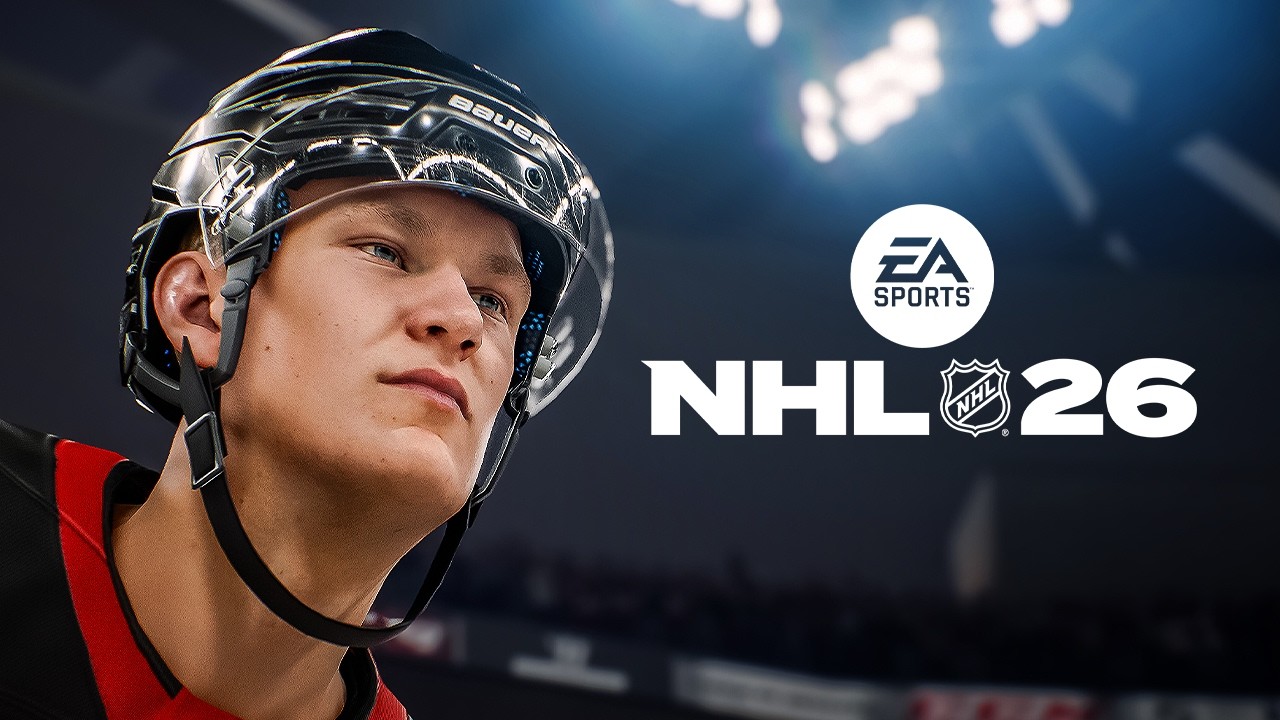
The Good
- ICE-Q 2.0 technology is a welcome addition
- Be a Pro overhaul feels more engaging and less repetitive
- The soundtrack is easy on the ears with a solid tracklist
- Offline HUT mode is a good break for people who don’t like to grind online
The Bad
- Odd physics mishaps can hinder immersion
- Limited PC availability means yet again PC players miss out, which has always been an issue for the franchise
- Still lingering Legacy AI issues that cause frustrating moments on the ice




 SuBZeRO2K
 Spotify
 Anchor
 iTunes