
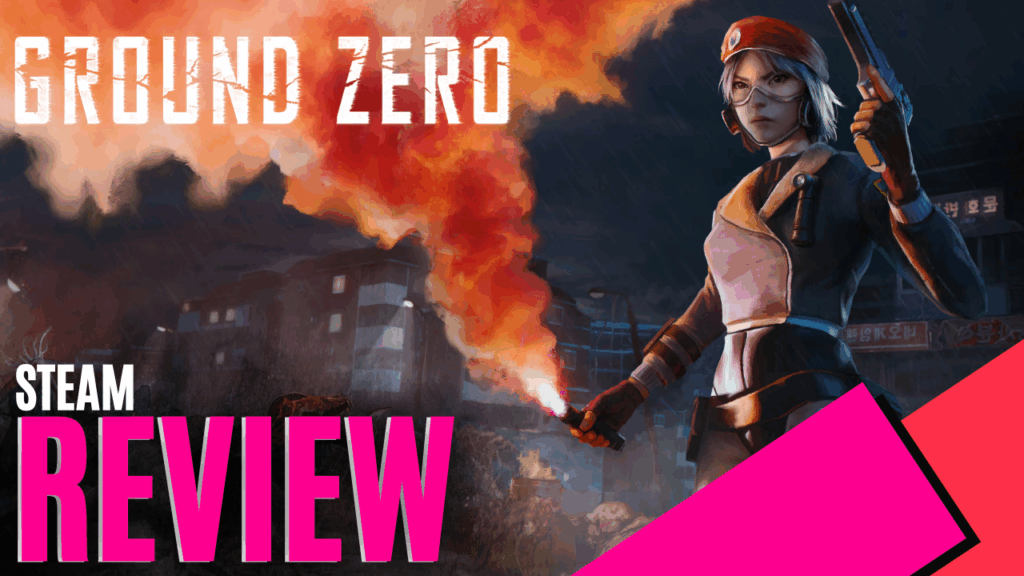
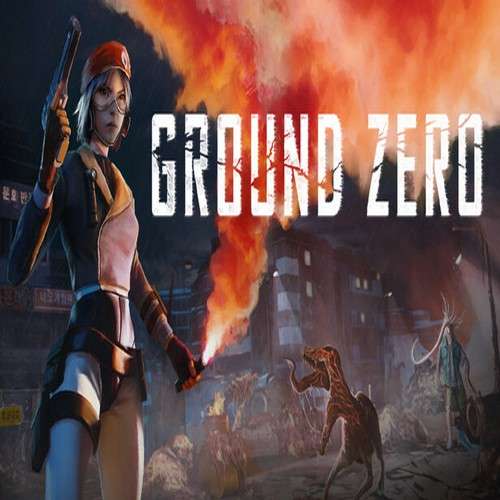
Ground Zero doesn’t hide what it wants to be. From the moment you step into the fog-covered ruins of Busan, it wears its inspirations proudly: a deliberate throwback to classic survival horror, where tension builds slowly, and every bullet feels like a decision between life and virtual death.
As an advocate for a good nostalgia trip, it’s enjoyment threads a fine line between happy memories and dated gameplay. Ground Zero walks a tightrope between the two, teetering on the edge of being beneficial or detrimental.
So, coming from the creative minds of a new developer, Malformation Games, and with the backing of publisher Kwalee Ltd (who have found recent success with Modulus and The Precinct), let’s load up and prepare to dive into Ground Zero.
Set in a post-apocalyptic South Korea following a catastrophic meteor strike, you play as an elite operative, Seo-Yeon and, alongside your Canadian ally, are sent to uncover what really happened in Busan, who’s still alive… and what’s now lingers in the aftermath.
If we’re going to call a spade a spade, Ground Zero sticks closely to old-school survival-horror design, which is either heavily influenced/inspired/or instigated by the first Resident Evil game. Exploration, puzzle-solving, and resource management drive the experience, with combat acting as a fight-or-flight style risk rather than a powerful offensive strategy.
Ammo is scarce, enemies are persistent, and every encounter forces a choice: fight, flee, or conserve. There’s a deliberate weight to movement and decision-making, especially if you opt into classic tank controls. The game introduces systems like skill-based upgrades and “clean kill” rewards, encouraging precision and efficiency rather than brute force.
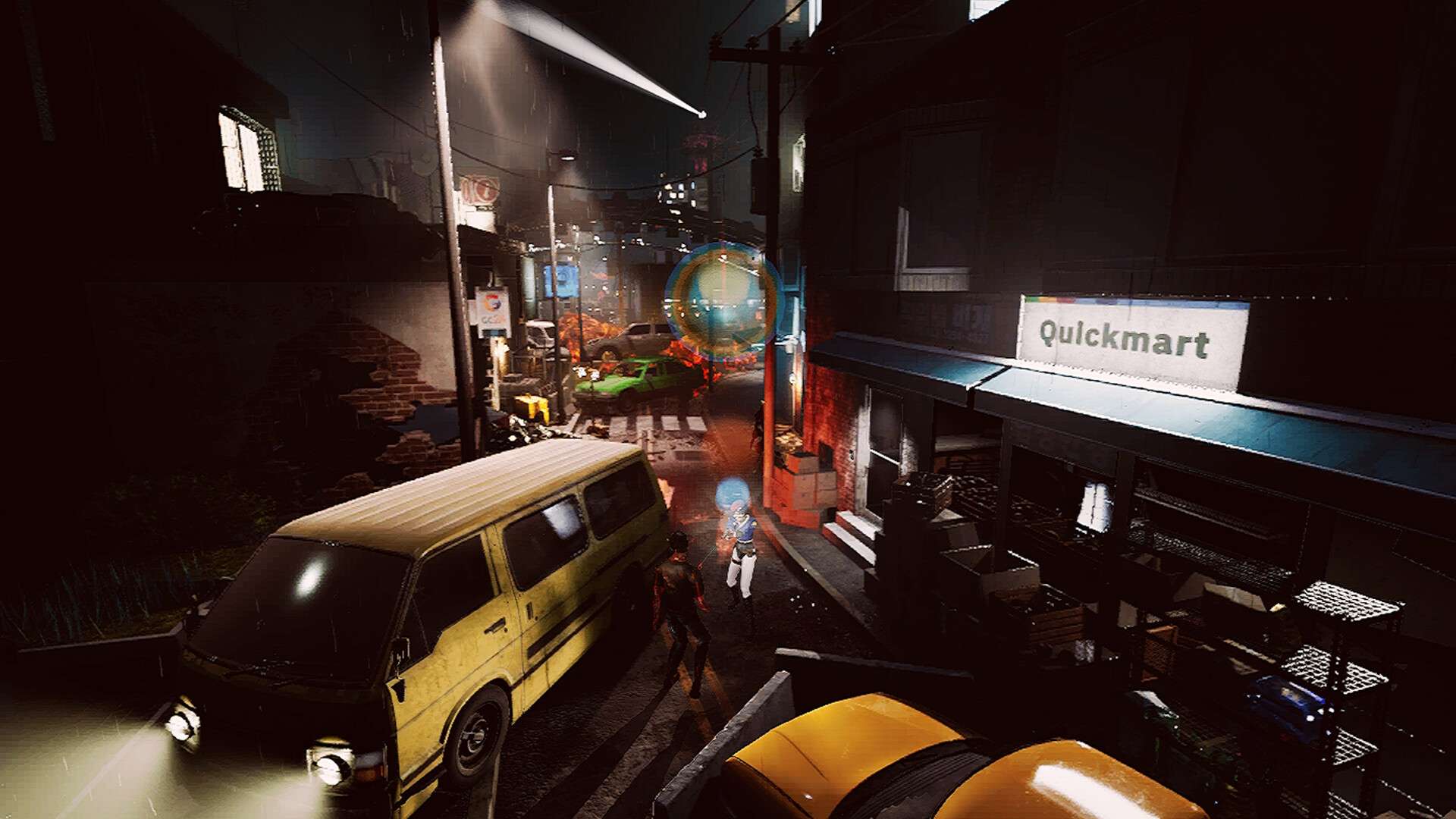
But while the foundation is solid, it rarely evolves beyond it. Enemy behaviour can feel repetitive, and combat, though intense and sometimes initiated suddenly, lacks impact. Weapons don’t always carry the punch you expect, and encounters can lose their scare factor and feel repetitive over time.
The result is a gameplay loop that does feel authentic, if not by playing it safe.
This is where Ground Zero finds its identity. Fixed camera angles, pre-rendered backgrounds, and deliberate pacing create a constant sense of unease. Though using inspiration from other horror-shooter games in its shared genre, the game does a fantastic job of making the city of Busan feel abandoned in a way that’s more unsettling, more open and more isolated than it is explosive, with echoing footsteps on empty streets, scattered human (?) remains, and environmental storytelling doing most of the narrative work.
This game is not about jump scares. It’s about tension. Prepare to “white-knuckle” your mouse and/or controller, because this is only the beginning of the story.
If you haven’t gathered already, the word retro will appear quite frequently in this review. As such, when speaking of the movement/controls, they do lean heavily into, yep, you guessed it, the retro design philosophy. Camera angles shift and change accordingly, but there is no 3rd or 1st-person camera view. The camera is locked, and it’s your job to treat each new gameplay frame as both an investigation and a checklist: know your exits and check all locked doors.
Modern control options are available, but even then, there’s a slight heaviness to movement and aiming that may take time to adjust to. Combat, in particular, can feel less responsive than expected, especially in high-pressure moments. Naturally, both options are presented for whatever playstyle you prefer, but each has its pros and cons.
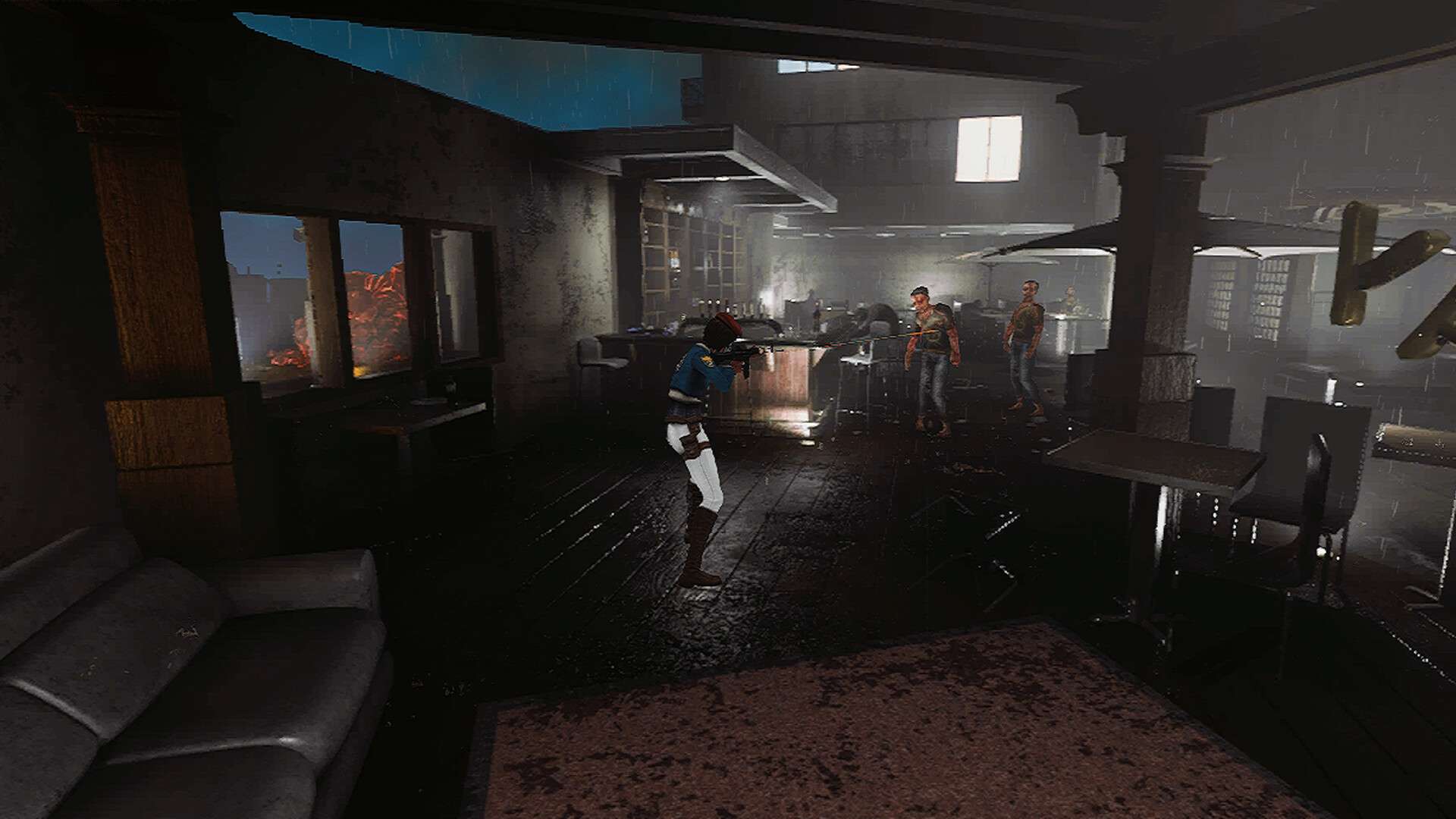
Visually, Ground Zero commits fully to its retro (there’s that word again) aesthetic. Pre-rendered backgrounds, fixed perspectives, and character models are rendered in high definition, though their art style evokes the unmistakable late-90s survival-horror feel.
Movements, though intentionally rigid and limited to suit the genre, can grow tiresome. Some scene transitions aren’t always smooth, too, which can hurt the immersive experience.
Sound design is one of the game’s strongest assets. Ambient noise and sound effects are all recorded, placed and executed exceptionally, helping to build that real sense of looming dread.
Thankfully, the soundtrack is not heavily utilised, allowing the ambience to dominate and carry the audible narrative. When it does appear, it heightens tension without overwhelming the scene.
Ground Zero understands survival horror, even if it’s currently playing it safe. It captures the retro/early 90s essence of the genre with confidence, delivering tension, atmosphere, and a constant sense of vulnerability that horror fans crave.
For fans of classic survival horror, this is a welcome return to form. For everyone else, it may feel like a well-made echo or tribute of something you’ve already experienced.
The Good
- Strong retro survival horror atmosphere
- Tense resource management and exploration
- Effective environmental storytelling
- Faithful use of classical mechanics
- Consistent, oppressive tone
The Bad
- Combat lacks impact and variety.
- Enemy behaviour becomes repetitive.
- Story delivery feels underdeveloped.
- Plays too safely within genre conventions
- Some stiffness in controls and animation




 SuBZeRO2K
 Spotify
 Anchor
 iTunes