
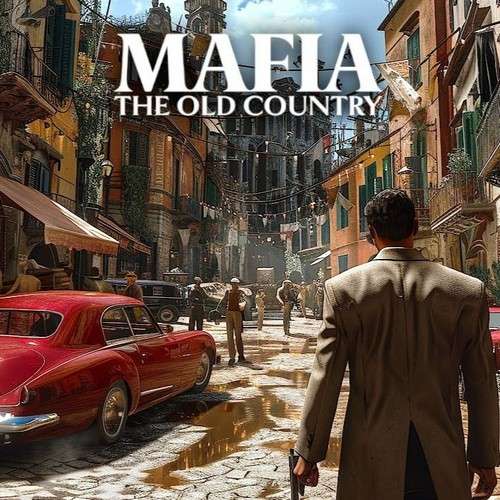
Step into a world where loyalty is currency and betrayal is the cost of ambition. Mafia: The Old Country, developed by Hangar 13 and published by 2K, transports you to the sun-soaked hills and blood-stained backstreets of Sicily, the birthplace of the old code and cradle of organised crime. From crumbling coastal villages to candlelit family dinners hiding deadly secrets, this gritty crime saga doesn’t just pay tribute to mafia legend; it immerses you in it. Does it earn its place at the Don’s table, or get left behind in the Sicilian dust?
Mafia: The Old Country is set in the early 1900s in the fictional Sicilian town of San Celeste. It follows the rise of Enzo Favara, a young man hardened by a brutal childhood spent working in the sulphur mines. He is desperate to escape poverty and carve out a better life. Enzo pledges his loyalty to the powerful Torrisi crime family, pulling him into a violent, honour-bound world of the Cosa Nostra. The story is packed with loyalty, bloodshed, betrayal, and forbidden romance. It’s a narrative-driven, cinematic crime saga about family, power, and sacrifice at the dawn of organised crime in Sicily.
The gameplay in Mafia: The Old Country strikes a great balance between intense action and thoughtful storytelling. Missions often blend stealth, gunfights, and exploration, keeping things varied and engaging. The pace of the game felt well-crafted, allowing you to soak in the world without dragging it out too much. The combat provides enough challenge to stay excited, with the side activities and interactions adding more depth to the game. Making the world feel lived-in rather than just a backdrop.
If you have played the Mafia series before, you will slide straight into this one, but one of the biggest new additions of Instinct is an ability Enzo can use to see the enemies around him, who highlight as bright white compared to the grey setting around them. I was on the fence with this when I first started using it, but I soon found myself using it all the time to sneak up on those enemies and flush them out.
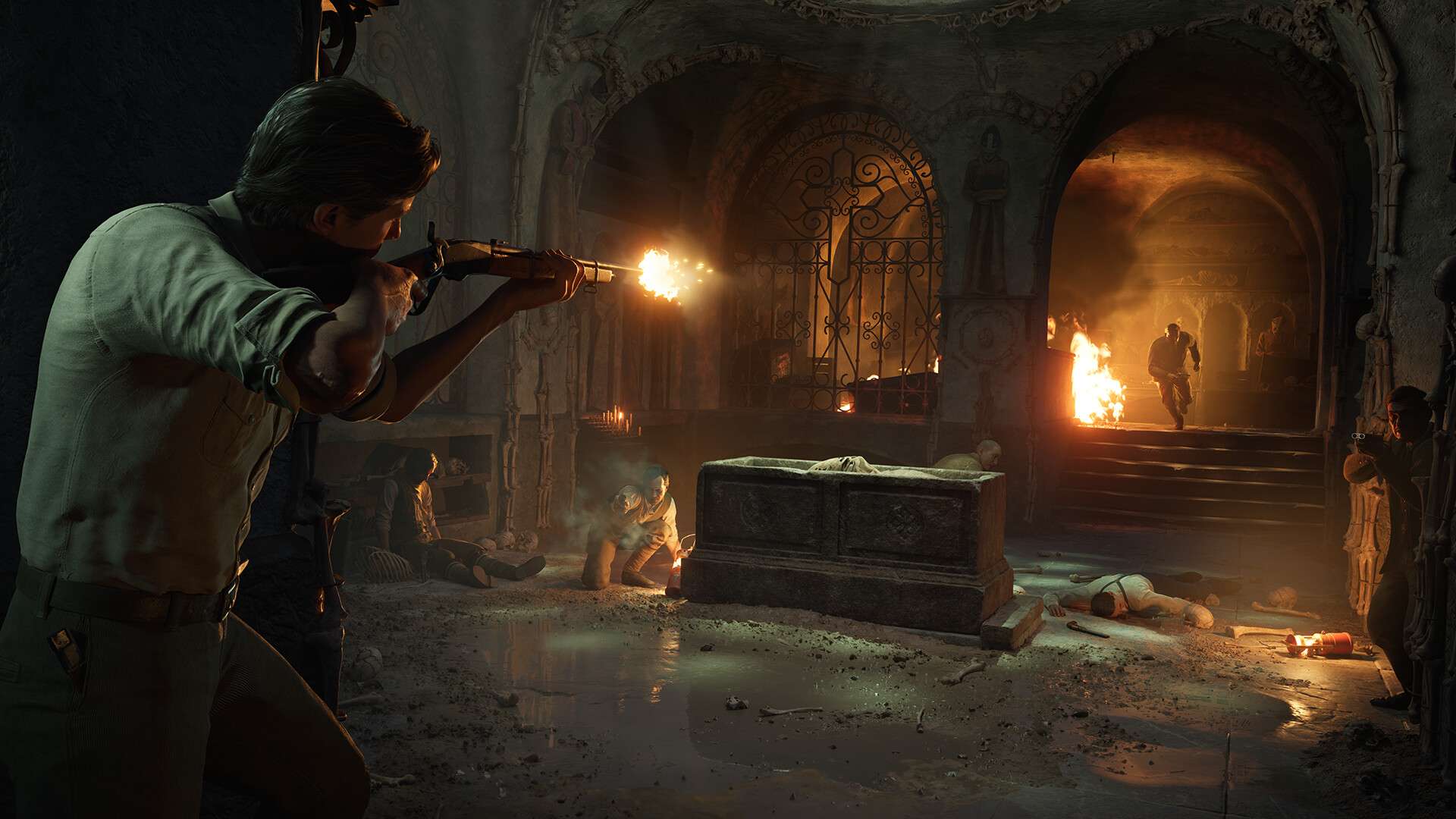
The sound design does an excellent job of pulling you deeper into the world. Ambient noises, such as birds chirping and the hum of village life, create a rich, immersive atmosphere that perfectly complements the visuals. Gunshots and explosions pack a solid punch, with satisfying reverberations that add that little bit more to combat. The voice acting feels so authentic, capturing the accents and emotions of the characters convincingly.
There were moments when subtle sounds like footsteps on gravel or the rustling of leaves caught my attention and made the environment feel truly alive. Honestly, there is nothing I could fault with the audio. I’d love to replay the game, this time with the Sicilian voice acting and English subtitles, which would add another layer of immersion. That said, the English voice acting was top-tier, making the experience engaging no matter the language.
I liked how smooth and responsive the controls were, making movement through the world super fluid and natural. At times, noticed the guns seemed to wave around a little too quickly, which could partly be due to an operator issue, but it was never a distraction, and I just needed to focus on lining up those head shots.
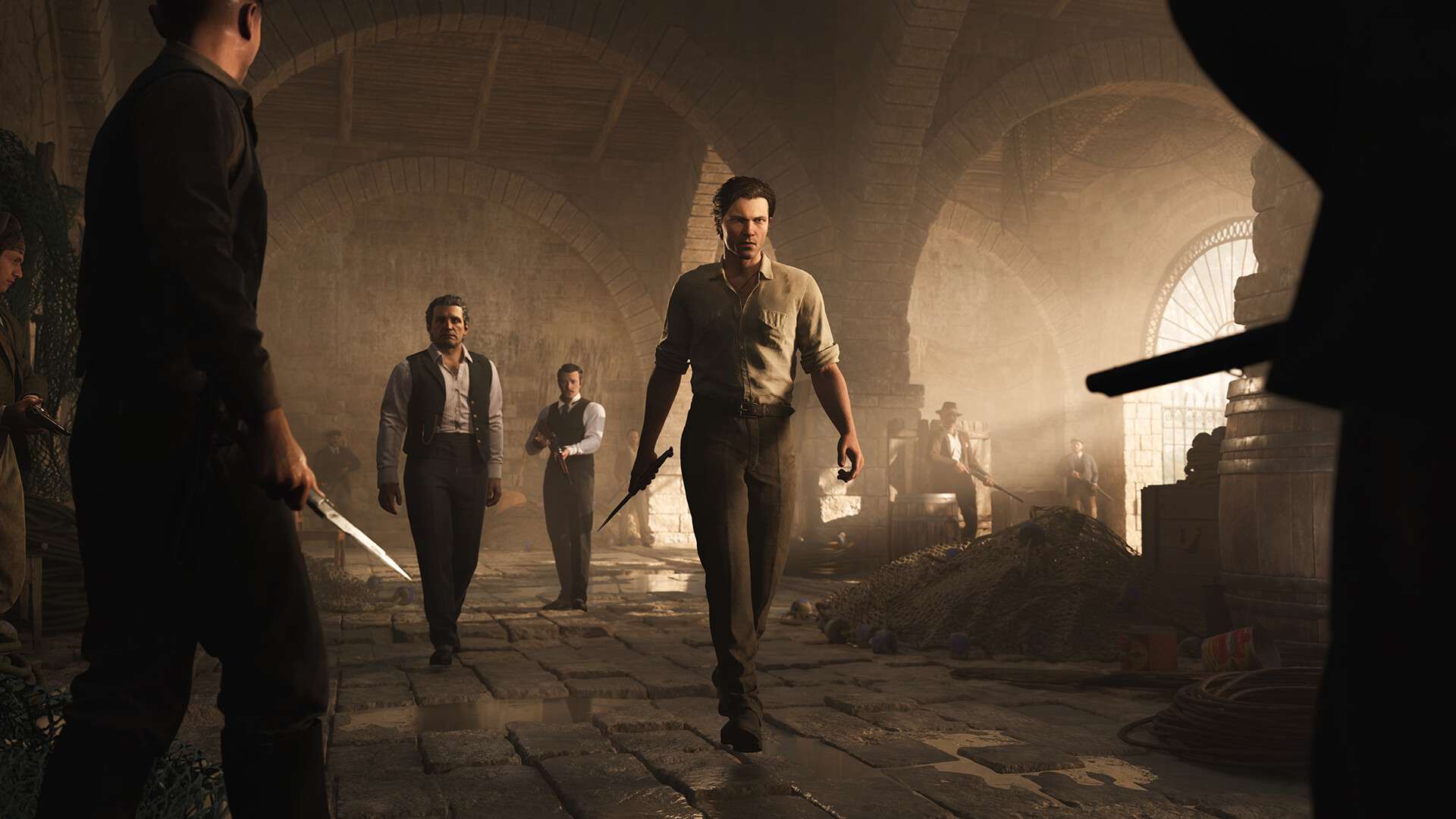
Overall, the handling felt enjoyable, letting me focus on the action and exploring without fighting with the controls the entire time, which is what you want in narrative-driven games like this. There was something super satisfying about the close-quarters knife fights, and I wish more people pulled out their knives to have a proper fight.
The graphics in Mafia: The Old Country are genuinely impressive, featuring rich, detailed environments, lifelike lighting, and atmospheric effects that effectively capture the rustic charm and gritty undertones of the Sicilian settings. Fields away, naturally in the breeze, and the old towns feel alive with subtle animations.
However, there were a couple of moments where the immersion took a noticeable hit, like when someone working in a field would suddenly glitch out, their character model stretching for as far as the eye could see, which greeted a weird-looking image like some mental spaghetti art.
It was super distracting, and because curiosity always wins, you find yourself heading to the root of the problem, but when you start getting closer, the model snaps back to normal. But when you get some distance again, it goes back to being a monster, which pulls you away from what you would explain as a convincing world. Another oddity was the hair model on Envo when you started the game; his buzz cut looked very unnatural and almost glitchy looking, which wasn’t bad since you didn’t need to look at it for long.
As the game progressed, his hair grew over time, looking ideal when fully grown. The minor little quirks didn’t overshadow the fact that the graphics were stunning overall, and there were plenty of moments where I stopped to take in the scenery.
Mafia: The Old Country delivers a deeply immersive experience that transports players back to the early 1900s with a compelling narrative, rich atmosphere, and polished gameplay. The game’s storytelling and character development draw you into a world where loyalty, betrayal, and constant conflict are constant. The blend of stealth, combat, and exploration keeps the gameplay fresh, and the sound design creates a unique atmosphere, which draws you into an immersive experience.
Although there were a couple of technical hiccups, like the occasional character model glitches and some odd-looking hair rendering, these minor flaws do little to distract you from an otherwise stunning and memorable experience. Ultimately, the game earns its place at the Don’s table, and it’s a must-play for fans of narrative-driven crime sagas.

The Good
- Beautiful, detailed, atmospheric graphics that capture the Sicilian setting perfectly
- Immersive sound design with top-tier voice acting
- Smooth, responsive controls that allow fluid movements
- Strong, emotionally engaging narrative filled with themes of loyalty, power and sacrifice
- Subtle environmental touches that bring the world to life
The Bad
- Occasional character model glitches, such as the bizarre stretching of field workers
- Gun movement sometimes felt a little quick




 SuBZeRO2K
 Spotify
 Anchor
 iTunes