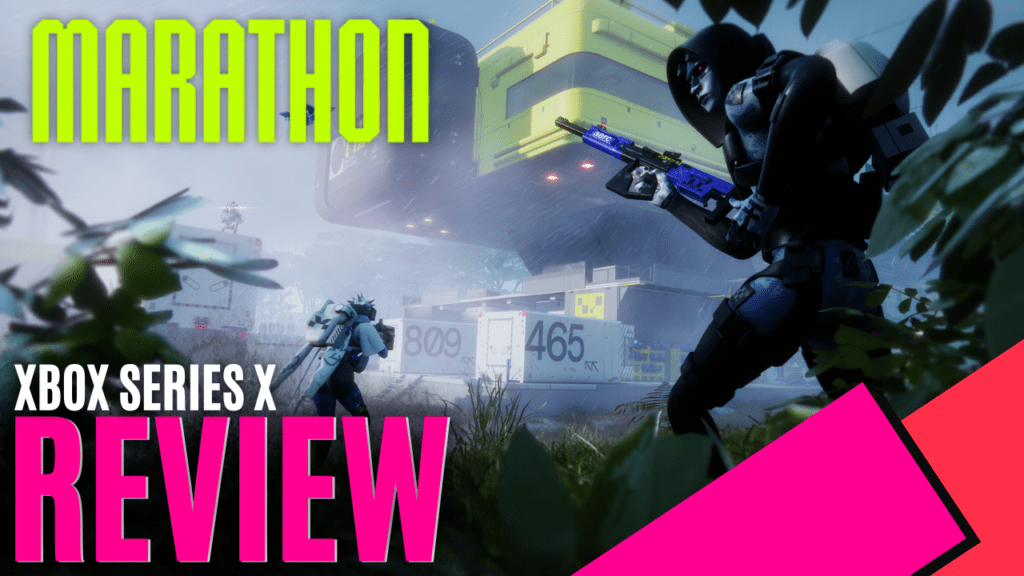
Bungie has exploded back onto the sci-fi stage with Marathon. This pulse-pounding PvPvE extraction shooter throws you into the deadliest corners of the lost colony of Tau Ceti IV, where every decision could make you rich or wipe you out completely.
Dropping in as a bio-cybernetic Runner, you’re thrust into a relentless fight against hostile AI, rival players and the constant pressure of needing to secure loot before it goes sideways. It’s all powered by Bungie’s signature gunplay that made Halo and Destiny both legendary titles. Marathon is tense, unpredictable and addictive. Danger is everywhere, no two runs feel the same, and once you drop in, you’ll be desperate to find out what happens next.
Marathon gameplay is built around a high-risk extraction shooter loop where every run feels like a gamble. You can deploy solo, in a crew of two or three, or enter matches as a Rook, a scavenger-style character that will drop into ongoing games with no gear and nothing to lose. If you play Marathon alone, it’s definitely more challenging, but the option to fill your crew makes things more manageable if you want some backup.
The goal of each run is to enter one of the zones on Tau Ceti IV, complete contracts, collect valuable gear and reach the extraction point before the timer runs out. Different zones offer different risk levels, from lower-threat areas to extremely dangerous locations, so if you fail to exfil or fall victim to some not-so-friendly types, you’ll lose everything you have on you, so every decision you make is important.
The progression is heavily tied to the faction and contract system, where you work with six different factions, which are CyberAcme, NuCaloric, Traxus, MIDA, Arachne and Sekiguchi Genetics, to earn reputation, unlock upgrades and gain access to better gear. The contracts are the main objective during runs, with priority contracts offering story progression and better rewards, making them worth focusing on whenever possible.
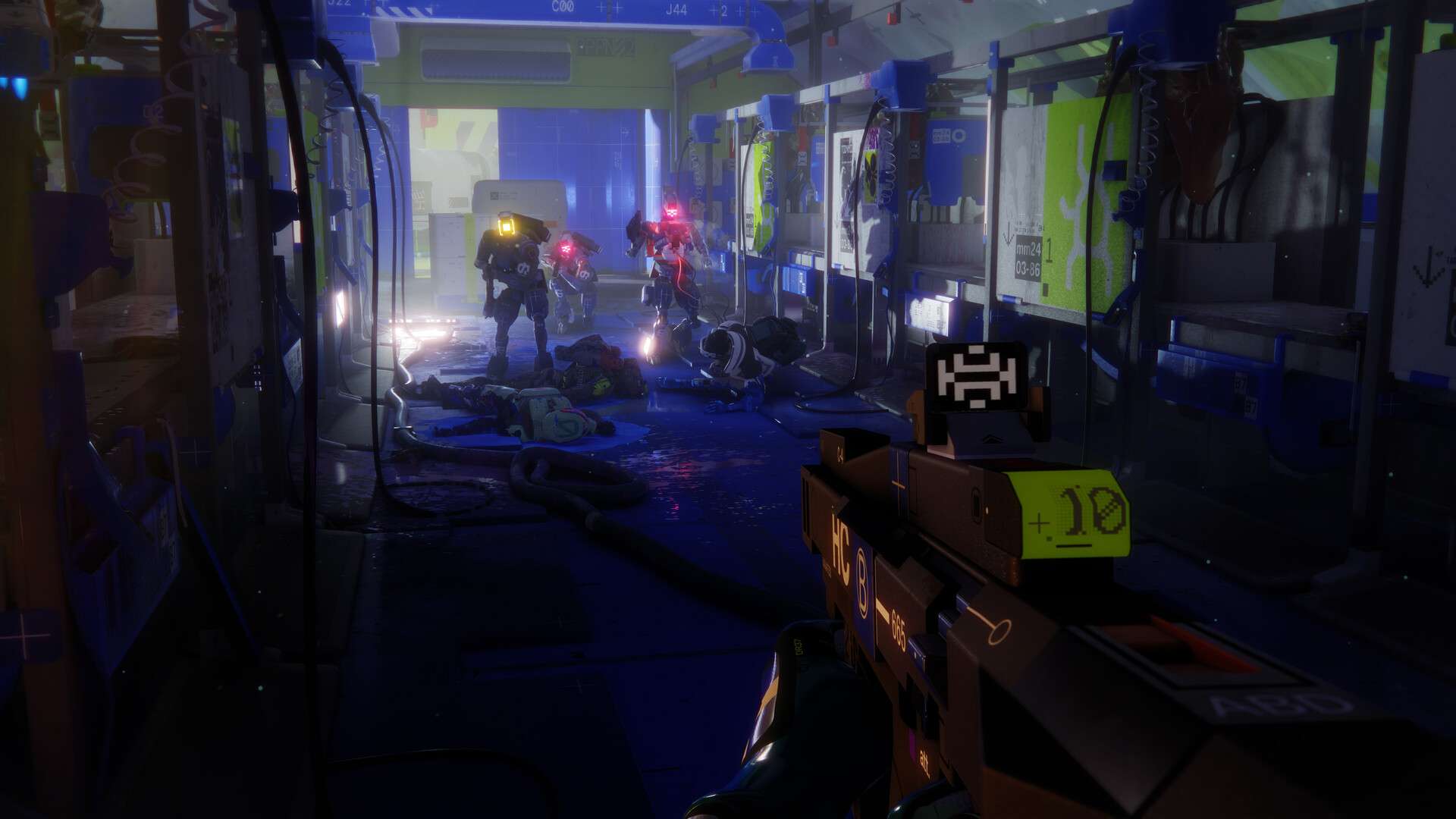
As you rank up with factions, you unlock upgrades that improve your combat effectiveness, expand your vault’s storage capacity, so you can safely store your hard-earned loot, and increase the number of items available in the armoury, where you can purchase equipment using credits and salvage found during the runs. If you want to run a free kit, you can run what they’re calling a “Sponsored Kit”, which gives you the bare essentials to get back into the action without losing any of your valued loot.
Another major part of this game is the Runner shell system, which lets you choose different combat roles depending on your playstyle. Each shell has its own abilities, traits and stats, with options such as the Destroyer for direct combat, the fast-moving Vandal, the Recon for tracking enemies, the stealth-focused Assassin, who was my pick of the bunch, the Triage, offering a more support-based approach, and the loot-focused Thief.
When combined with the different weapons, implants, and upgrades, you can create some truly unique builds. You need to make sure you take some time creating your loadout, making sure you have ammo, medical supplies, shields, and maybe a backpack to carry some more things. There is nothing worse than mid-firefight finding out you have no ammo.
Stepping onto the UESC Marathon in Cryo Archive is like stepping into a frozen time capsule of human ambition and mystery, and knowing this was the endgame made it that much more exciting. Before you are even allowed to queue, you need to make sure you meet the requirements: Runner Level 25, all six factions unlocked, and a minimum 5,000-credit loadout, which, as daunting as that sounds, felt like a fair checkpoint.
For my first run, I grabbed the Cryo Archive Sponsored Kit from the armoury, which is blue-tier gear designed to help you survive. Once you are aboard the UESC Marathon is full of tight corridors, massive open areas and a central hub which forces you to keep your head on a swivel. You need to battle UESC security, rival Runner crews, and navigate different security clearances to access different doors, areas and exfils.
There are seven vaults scattered around the UESC Marathon, each of which requires a specific Vault Key or completing the unique entry challenges, which is above my pay grade. It does make the runs feel a little more meaningful, and the rewards are well worth it with the high-tier containers, gold weapons and rare items you won’t find elsewhere.
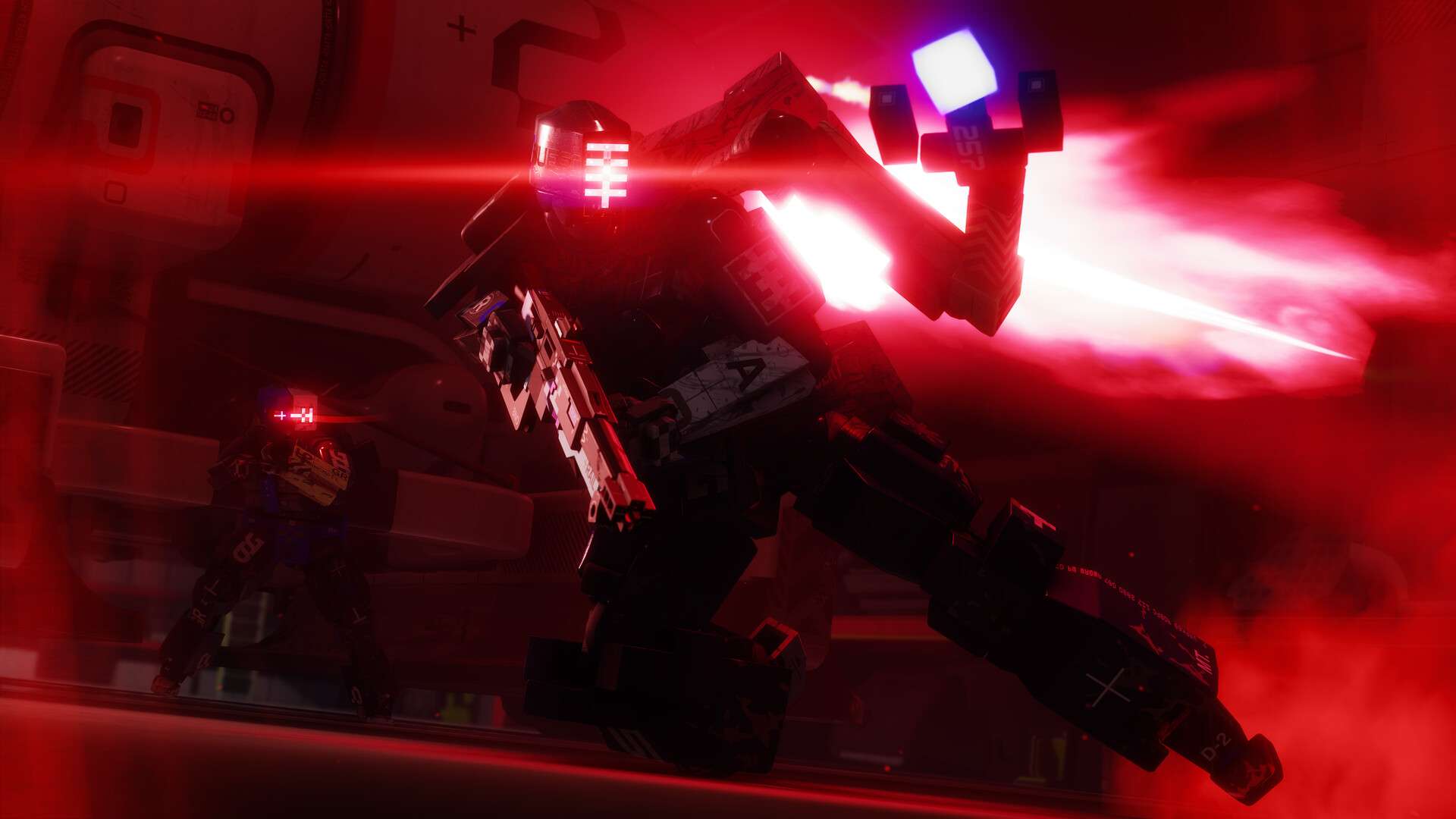
You still have your contracts on the UESC Marathon, which added to the chaos. Each weekend, there is a pool of seven Cryo contracts that will appear, giving a clear objective while offering random high-rarity loot, from Vault Keys to unique materials and gear. Completing these also contributed to the Codex, which carries over week-to-week, so those who like collecting can collect skins and styles for the Runner shells.
You might have been reading this and thinking this sounds like a piece of cake, and you would be incorrect. Exfiltrating is just as tricky as staying alive because Cryo Archive follows different rules than planet-side zones, so learning the exit paths becomes critical to securing loot. You need to ensure you are balancing risk, timing actions and racing to get the best loot. Cryo Archive is a brutal, high-intensity, raid-style endgame that rewards planning, teamwork and persistence, making every run a tense, unforgettable experience.
Marathon offers surprisingly intuitive controls for a first-person shooter of its era; it allows you to move fluidly through the levels while keeping the combat manageable. Standard movement forward, backward, left, and right feels responsive and aiming feels precise for both ranged and close-quarter combat. The game also makes good use of special abilities, with actions mapped to RB, RB and LB combinations, and B, allowing players to quickly do things like drop smoke grenades, deploy shields or do a recon pulse to see where enemies are, and it never felt like it broke the flow of the game.
The game also added actions like opening doors or interacting with a terminal, which were mapped well into the control scheme. There was one system that took a little while to get used to, which was the movement heat mechanic. If you move too much or spring constantly, your suit will begin to overheat, which forces you to pace yourself and plan your maneuvers more carefully. You can do things like run into the water to cool it down more, but it could become a burden quickly in those bigger PVP scenarios.
The menu system was the most frustrating part for console users, as navigating with a joystick required moving your cursor around, making it feel more like a PC Port and slowing down the menu navigation, which then became frustrating. The controls are strong once in the game, but these small usability issues show that the interface could use some refinements for the console to make the experience more enjoyable.
The sound design does a great job pulling you into the action, with every gunshot, explosion and ability sounding sharp and powerful. Weapons all have their own distinct punch, making fights feel loud, chaotic and intense, especially when multiple players are going at it. There was minimal environmental audio; you got the occasional distant gunfire and sometimes things like if you called in a supply drop, but it kind of dropped off there. The soundtrack leans heavily into a futuristic, high-energy style that builds both tension and makes it feel a little more cinematic.
Proximity chat plays a huge role in Marathon, allowing groups to try and talk their way out of situations, coordinate ambushes, or try to develop alliances with other groups, and this worked really well for the most part. There were a couple of moments when players ran up behind us, and I could have sworn they teleported there, because I couldn’t hear them at all. Enhancing the directional footprints and making enemy movement a bit clearer would go a long way in making the gameplay feel more fair and competitive.
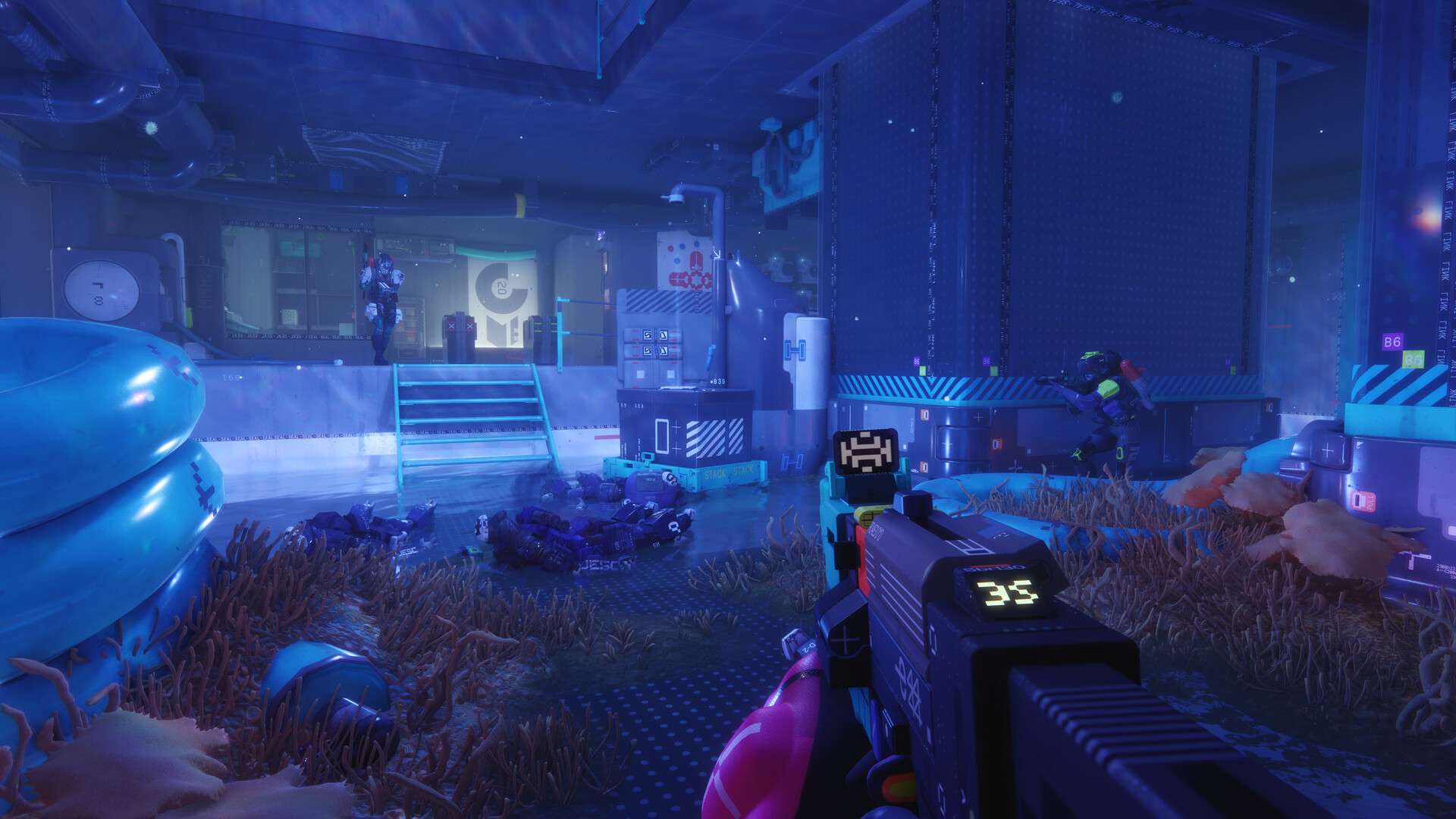
I’ll be perfectly honest, I was a little blown away by the graphics in Marathon. There was a clean, futuristic art style that instantly stood out from other extraction shooters. The environments are packed with detail, from the bright neon-lit facilities to the harsh outdoor landscapes that both look and feel out of this world. The lighting played a massive part in the atmosphere, with reflections, shadows, and glowing effects making each firefight feel a little more intense.
The characters and weapons both have that sharp, high-tech look that fits in with the sci-fi setting, and the surprisingly smooth performance kept everything moving fast. I’m still on the fence if I like the cosmetics you can apply to the people and guns, but I’m sure that with some more hours sunk into the game, I’ll come across.
Marathon is a high-stakes sci-fi PvPvE. From the tense, loot-driven loops on Tau Ceti IV to the unforgiving, labyrinthine decks of Cryo Archive, the game keeps you constantly on edge while rewarding careful planning, teamwork and skilful play. Every run feels unique, whether you’re pushing through security, racing over crews to vaults, or trying to make it out alive with your rare loot. The control scheme feels intuitive and responsive once you get used to it. It requires some love with the heat management and navigating that terrible menu, but the gameplay really does make up for it.

The Good
- High-intensity gameplay
- Teamplay and strategy
- Customisation
- Endgame challenges
- Controls and movement
- Graphics and sounds
The Bad
- Menu navigation
- Suit heat mechanics
- Environmental audio




 SuBZeRO2K
 Spotify
 Anchor
 iTunes