Metal Gear Solid 3: Snake Eater was notable for doing something different for the Metal Gear series. Instead of infiltrating bases in urban settings, players were dropped into the Soviet jungle, forced to survive not just enemies but also the wilderness itself. As a result, players found themselves hunting for food, treating injuries, using camouflage, hiding in foliage, and dealing with the terrain and weather.
With the fixed camera angles, more rigid controls, and slower animations typical of that era, the series shaped an atmosphere of tension, resourcefulness, and cinematic drama. While long-time fans of the series will fondly remember the challenges this created, gamers of today would find the brutal restrictions challenging.
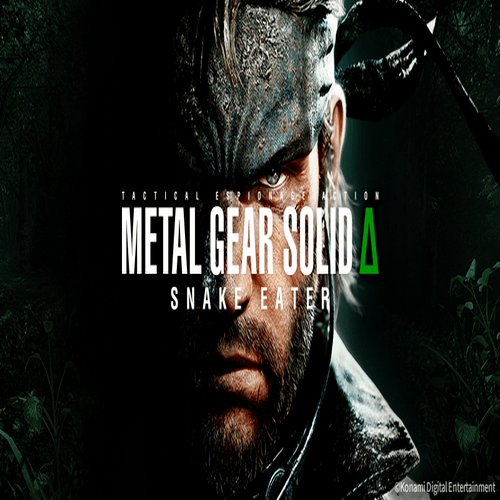
As a remaster, Metal Gear Solid Delta: Snake Eater follows the original script, with complete overhauls to the controls, including being able to manipulate the camera, graphical updates, and a host of other quality-of-life features that bring it up to today’s demanding standards.
Rebuilt in Unreal Engine 5, Metal Gear Solid Delta: Snake Eater has become even more of a cinematic masterpiece than it was when it was first released. The remaster brings considerably more detail to the environments with dynamic lighting, higher quality foliage, and weather effects, combining to create near-photorealistic locations, persisting through both gameplay and cutscenes.
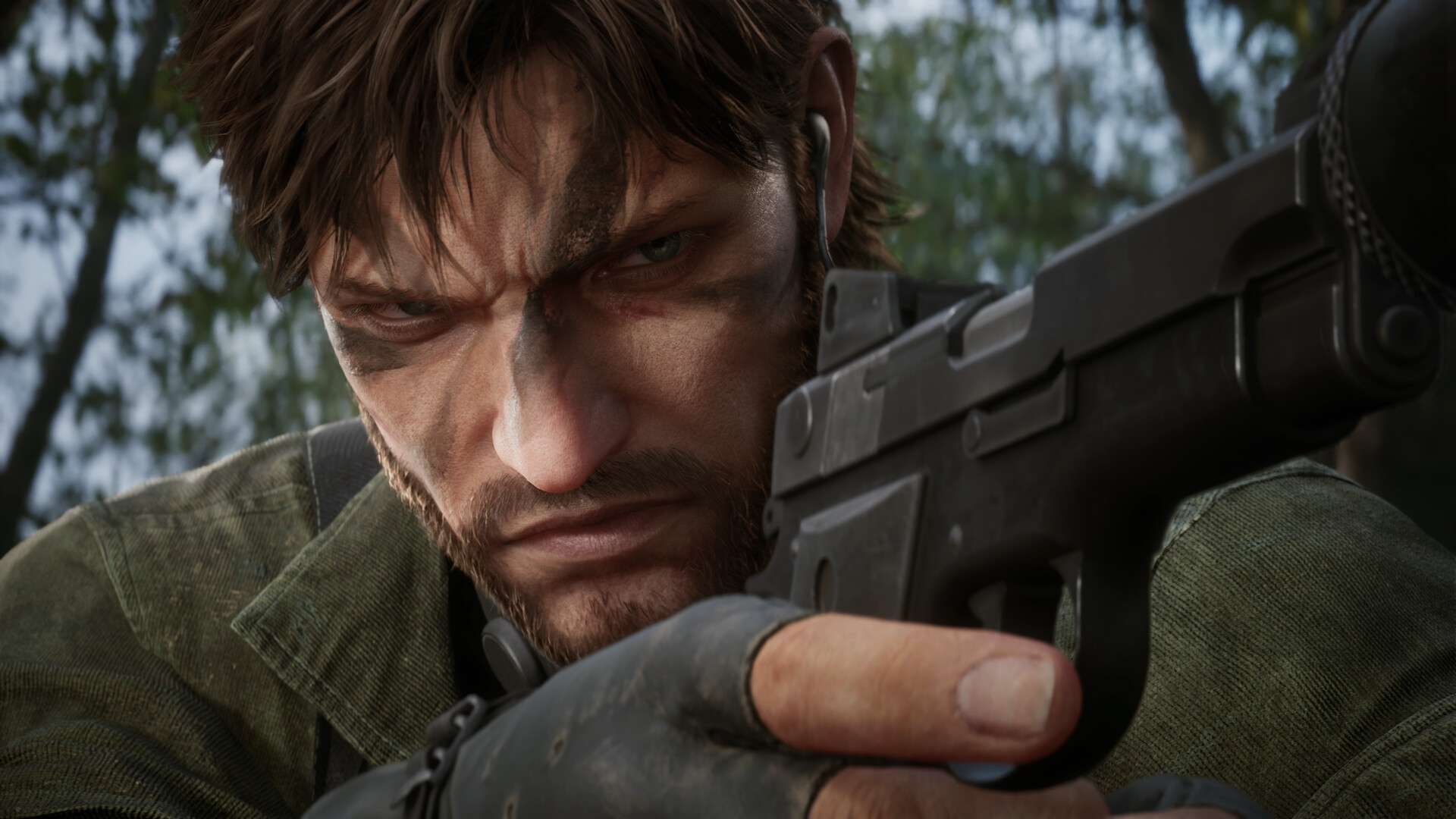
Updates have also allowed for higher levels of detail on the character models as well, with faces, expressions, textures, and lighting in cutscenes receiving a complete overhaul. Even during gameplay, players will notice a huge difference in quality, with the new camouflage system reacting dynamically to the environment – mud and debris will cling to Snake’s uniform, even going as far as affecting how well you can blend into your surroundings.
Snake hasn’t escaped this fate either, and injuries such as cuts and bruises will remain visible throughout your playthrough, even after healing.
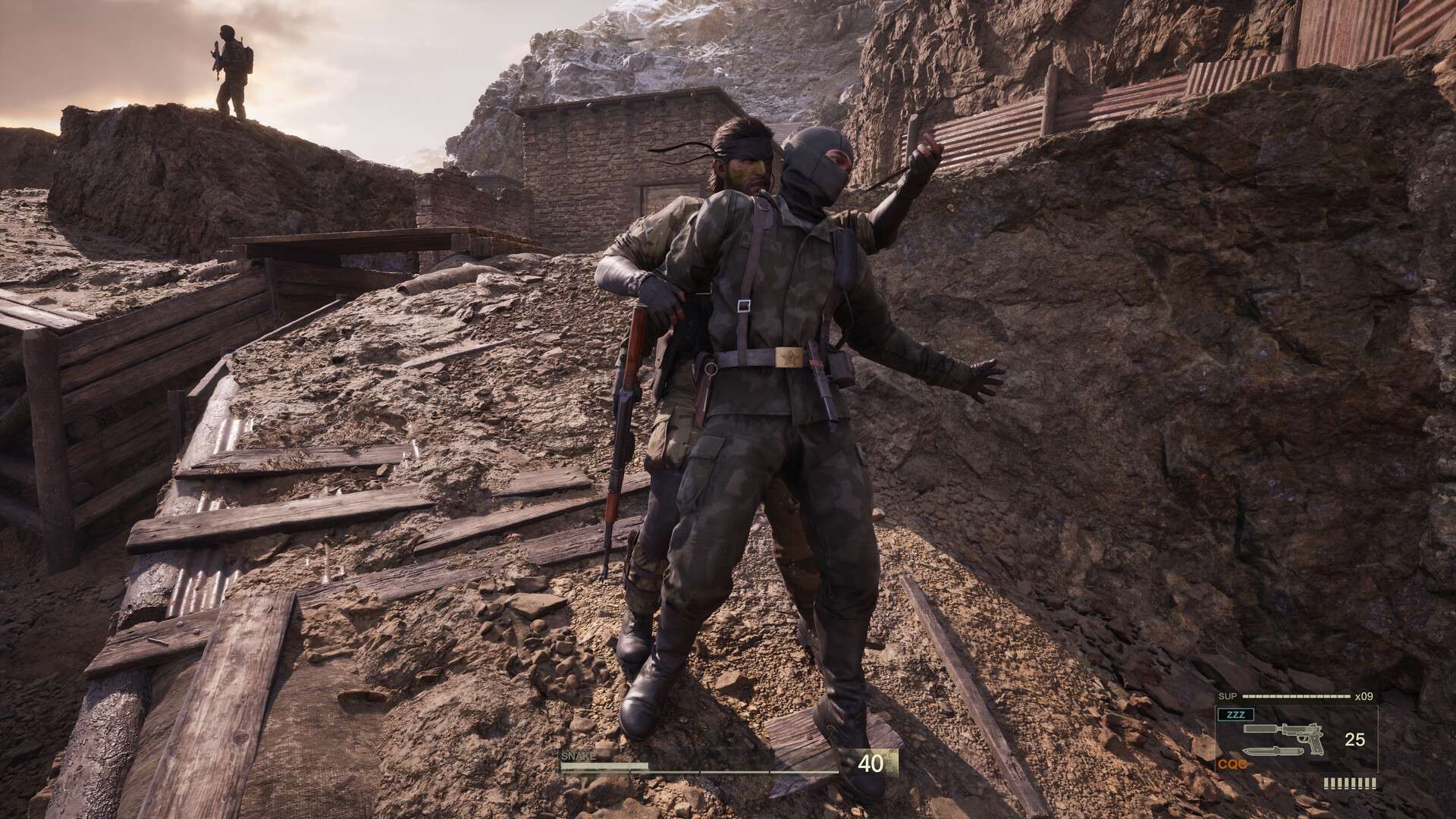
Gameplay has received a much-needed overhaul, allowing for the smooth engagements you’d expect to see from a top-tier agent. Close Quarters Combat has been remastered with new animations and the ability to chain takedowns, sniper rifles, and rocket launchers can be used on the move, and the cover mechanics have been made more responsive.
Even something as simple as aiming down sights feels more natural.
This works hand in hand with the new camera and control methods available. Unlike the original version, where players were locked to a single camera angle, the more modern “over-the-shoulder” camera system affords players better situational awareness, and combined with the updated control layout, it feels like a better game.
Of course, for those players who want to experience the original game with updated graphics, you can instead revert to the legacy mode, where your camera is locked in place.
Should you choose to, you can combine the updated visuals with optional filters to change the way the game appears, including a filter that provides the somewhat hazy, muted appearance from the original release. Additionally, the inclusion of colourblind modes and options for subtitles or HUD customisation provides a nice level of accessibility for people who might need assistance.
A new photo mode allows players to capture scenic views and special moments, benefiting from the option to increase the fidelity for better graphics. Alternatively, you can switch to performance mode for a higher frame rate, which is probably a little more important in the midst of combat, and even more so if you’re using one of the less capable gaming systems.
As a remake, Metal Gear Solid Delta: Snake Eater remains very faithful in many respects. The story is mostly unchanged, level layouts feel familiar, and signature moments have been masterfully updated, but fans of the original release may feel as though the modernisation changes the game too much.
It doesn’t reinvent Metal Gear Solid 3, but it masterfully refines the story that captivated players two decades ago, elevating it to meet the standards of modern gaming without losing what made it iconic in the first place.

The Good
- Unreal Engine 5 provides lifelike scenery and exceptional immersion
- Faithfully recreation of the original story and level designs
- Updated controls and camera system make gameplay fluid and intuitive
- Options to experience the “original“ game with updated graphics
The Bad
- Minimal new content beyond updates to controls and visuals
- Intense scenes can suffer from performance drops




 SuBZeRO2K
 Spotify
 Anchor
 iTunes