
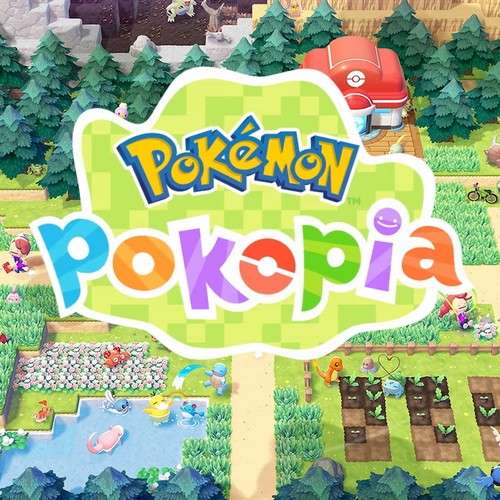
Ditto has always been my favourite Pokémon. Naysayers often question why I wouldn’t pick a Pokémon with a cooler vibe or a specific “type” (like electric or grass). My counter-argument is simple: Ditto is cute, capable, and versatile—everything you could want in a Pokémon. Game Freak, Omega Force, and The Pokémon Company have proved my point with Pokémon Pokopia on Nintendo Switch 2. The game is a cosy, sandbox-style, life-simulation experience I needed.
I emerged as a humble Ditto, without either a trainer or a clue, into an abandoned Pokémon world where all the humans are mysteriously missing. Naturally, the lovable, pink blob’s first course of action is to morph into their previous trainer and befriend the Pokémon that remain there. Alongside the brains of the operation, Professor Tangrowth, and Pokémon we encountered on the way, we set off to restore the balance to an abandoned world.
Gone are the bustling cities and townships filled with trainers eagerly departing on their first steps to become Pokémon masters; instead, Pokémon Pokopia starts much more modestly. It’s just you, Ditto and the Withered Wasteland…but not for long.
From the moment I helped hydrate a parched Squirtle in a clearing, the path to brighter days was in sight. It takes some time for the restoration project to begin, with in-game mechanics unlocking over time as Ditto uncovers more regions and Pokémon. At times, the materials collection can feel like quite a grind, but bringing back the environment from the brink is one of the greatest joys I’ve experienced in a game for quite some time.
Not only do you get to play as Ditto, the dopey-faced, human imitator, but players can also learn skills from other Pokémon, which are incredibly useful for restoring the world to its former glory. From the get-go, the “Water Gun” ability learned from Squirtle aids with watering the grounds and plants back to life, whilst “Rock Smash” becomes crucial for terraforming. Further down the line, Ditto will be able to transform into the silliest little Lapras to “Surf” in the seas, alongside a slew of other skills Ditto can pick up along the way.
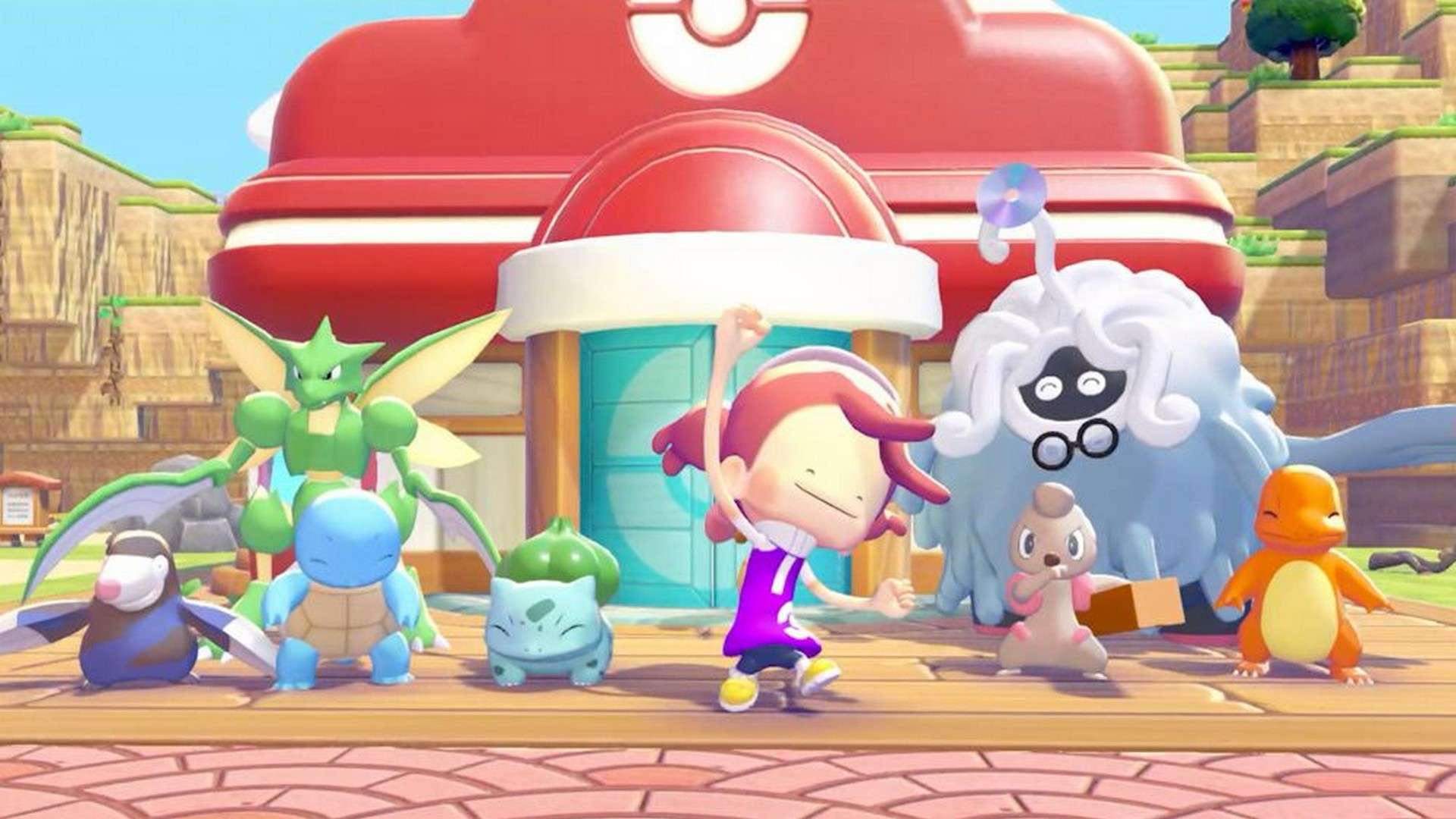
The world is your playground in Pokémon Pokopia. I was given the building blocks to gather materials, terraform and build, but how I chose to approach it was all up to me. The busywork of an intensive restoration clean-up, watering dead plant life, and refreshing the waterways never felt like too much of a chore. I spent a decent chunk of time doing the most basic tasks: hoovering up debris or smashing through rock formations, and it felt almost therapeutic.
There’s no pressure in Pokopia; it’s all about enjoying the process and admiring your work as you go. “Challenges” act as optional objectives that are just another fun way to increase the environment level, giving you coins to spend in the in-game shop to buy “recipes” for new buildings, or to buy furnishings or items. It’s even better when the Pokémon Centres are up and running, and you can focus on beautifying with some interior design and landscaping changes. With multiple biomes to work in, there’s plenty of room for expansion and experimentation.
There’s nothing too overly difficult in Pokopia, which is part of its charm. However, there were a few instances where destroying a block caused collateral damage, though thankfully, there is an undo option. For those having trouble with Joy-Con 2 controllers, there’s the option to use the Nintendo Switch 2’s “Mouse Mode” to utilise a virtual “mouse”, allowing you to point and click blocks and items into place.
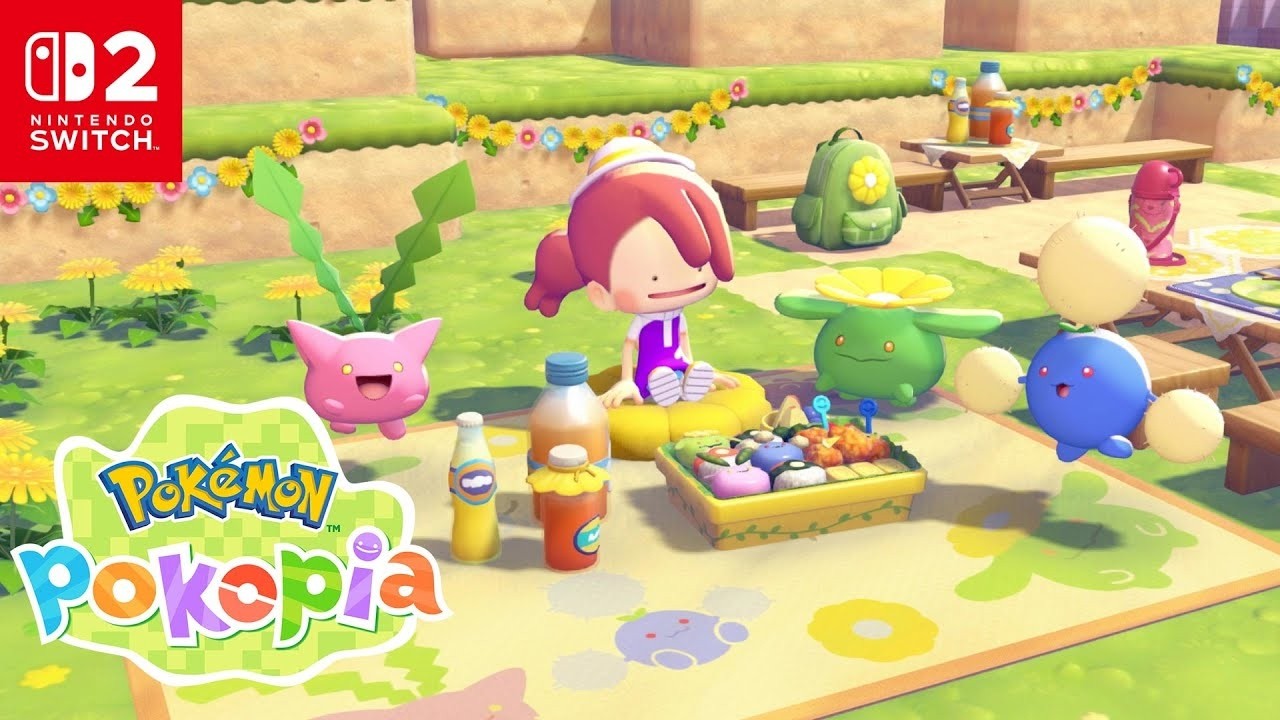
Witnessing a previously devoid land teeming with happy little Pokémon living in harmony as they settle into their bright, colourful new habitats is a delight. Exploration alongside a mellow, upbeat soundtrack is so calming, and the cheery trills of Pokémon as they interact with each other are a reassurance that my critters were as happy as I was. Pokopia doesn’t ever feel lonely; when Pokémon settle into their habitats, there’s this urge just to observe them going about their days, such as watching Hitmonchan cheering on Goomy as it tries to punch a boxing bag, or seeing Magikarp flop around in the grasslands.
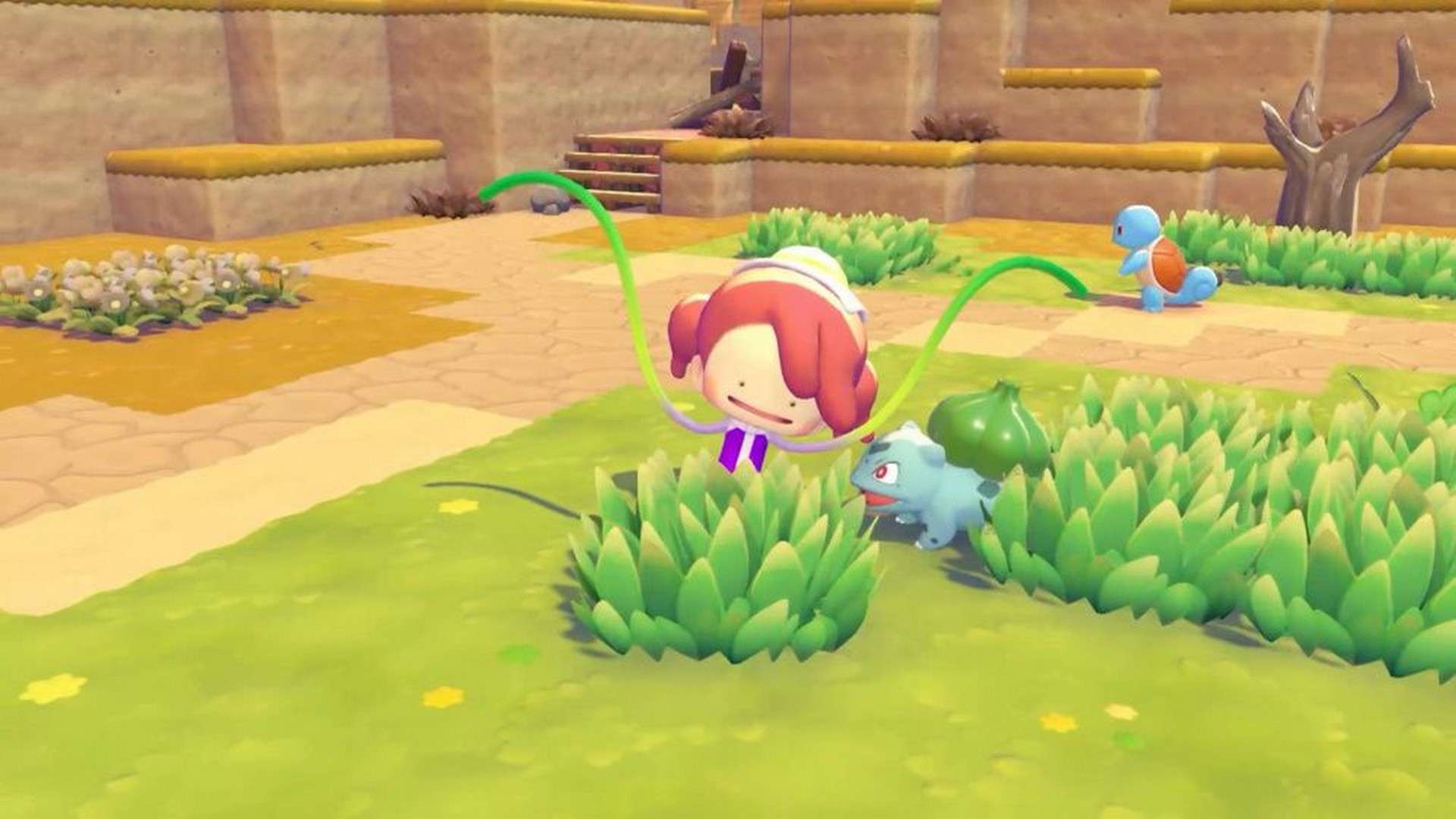
Helping Pokémon with requests improves the overall environment, and they’re more than happy to return the favour by using their own skills to provide resources, remove obstacles, or help rebuild structures. Link Play allows you to invite friends to visit your regions, visit theirs, or build a Cloud Island – a shared space to create together. At its core, whether it’s with Pokémon or friends, the game is all about connection. Until now, no other game has made me feel more connected to both the characters and my Nintendo friends since Animal Crossing: New Horizons did during the pandemic.
Pokémon Pokopia looks as good as it sounds, in either handheld or on the big screen in docked mode. It ran at a stable 60fps frame rate, with only occasional drops, and loading times were slow in densely populated areas, as draw distance suffered from buffering the surrounding mountain ranges and/or oceans. Standing at the absolute tippy top of certain regions’ vantage points, looking upon your creations is a spectacle, especially when comparing the untouched, gloomy parts of the map to the areas my Ditto had been beautifying, which were vibrant, lush and lustrous.
They say imitation is the sincerest form of flattery, and Pokémon Pokopia’s imitation is a love letter to Pokémon, capturing the essence of a Pokémon game and transforming it into something else entirely. The mainline Pokémon games can tend to feel quite “same-same”, whereas Pokopia shines by letting players step into the goopy shoes of their anthropomorphic “human-form” Ditto to actually become a Pokémon, which to me is much more fun than training them.
Pokémon Pokopia is the kind of creature comfort we cosy gamers need to keep us happy in our own habitats, providing a chill, healing space to escape to. Even though Pokémon Pokopia may be close to predicting the future of humanity and the environment, with a little hope and a lot of work, I have faith that we might just be able to find our own little slice of paradise amidst the darkness in this game.
The Good
- Innovative take on Pokémon mechanics
- Charming world-building
- Addictive gameplay
The Bad
- Slow early progression
- Can be “grindy”
- Occasional frame drops





 SuBZeRO2K
 Spotify
 Anchor
 iTunes