
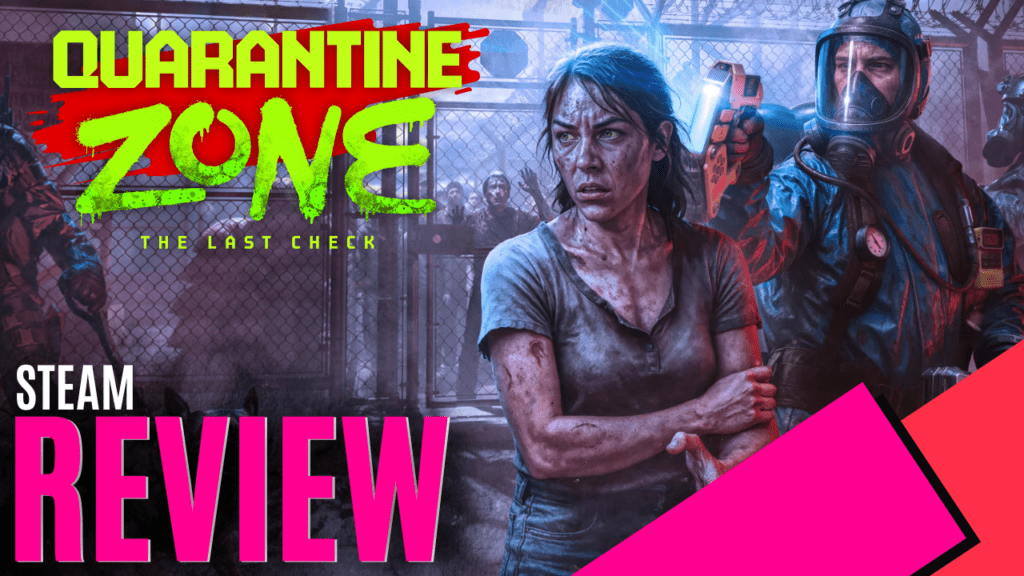
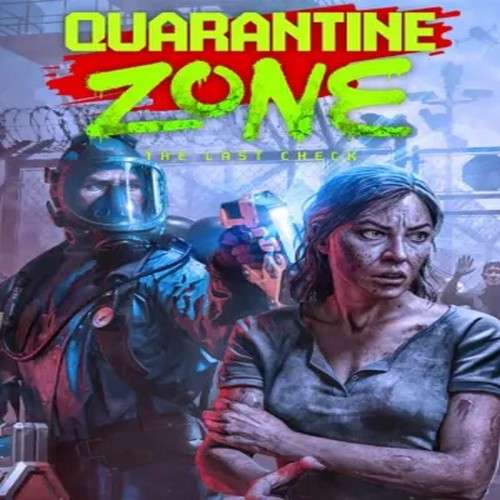
‘Quarantine Zone: The Last Check’ is another border-simulator, much like ‘Border Patrol’ or ‘Papers, Please’. The game is built around a simple yet unsettling idea: you are the final line of defence. At a grim checkpoint on the brink of collapse, survivors arrive one by one, desperate to pass through, and it’s your job to decide who enters, who waits, and who is denied access.
The focus isn’t on reflexes or firepower but rather on judgment, pressure, and the slow realisation that no choice is without consequences. The game thrives on discomfort, asking you to weigh morality against survival with every stamp of approval.
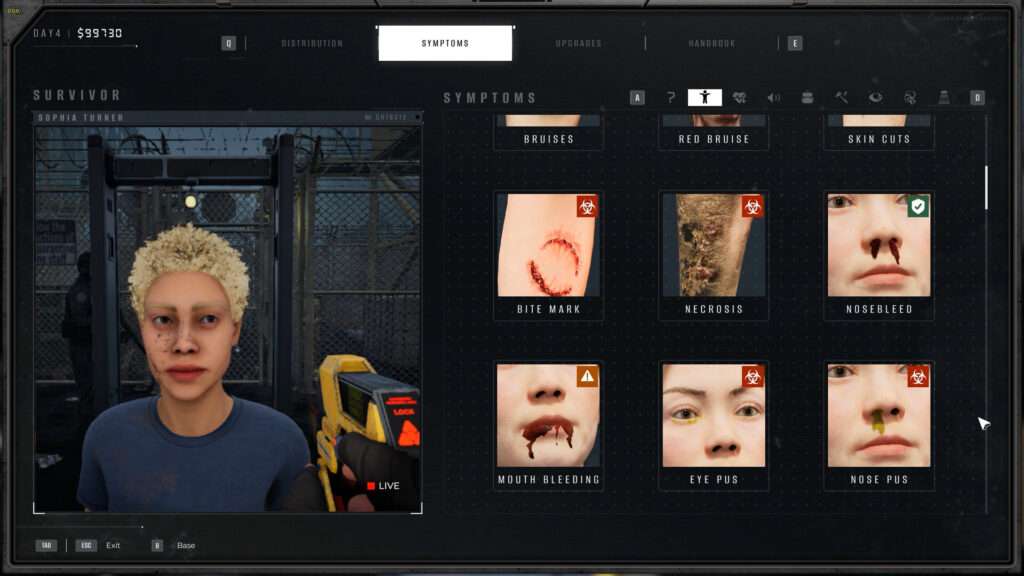
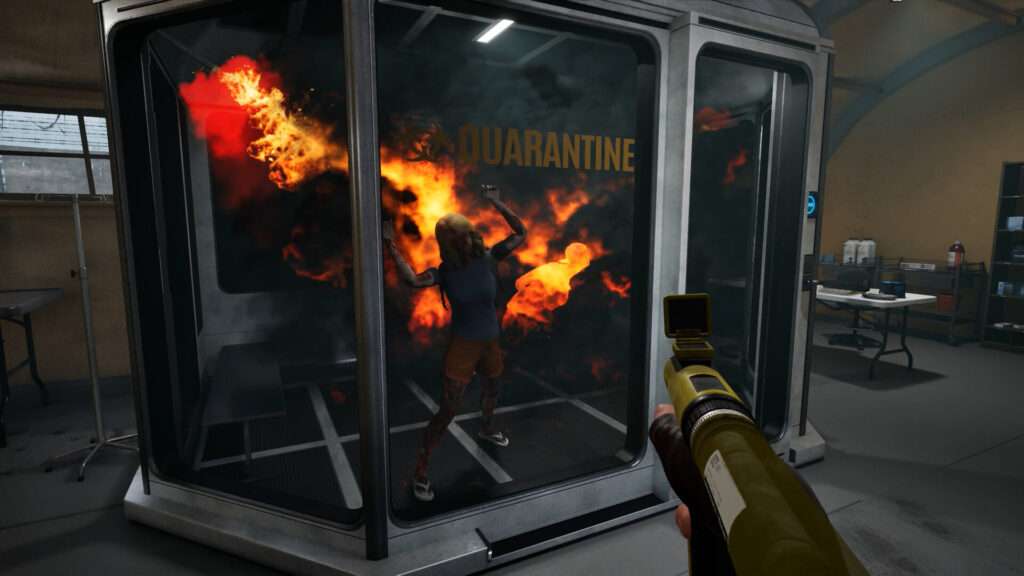
The gameplay loop is deliberately minimalistic. Each day, you wake up ready to scan a new line of survivors, all of whom present various ailments, symptoms, and, in some cases, carried/smuggled goods. Your job/point of the game is to cross-check details, scan for infection markers, and decide whether to approve entry, quarantine, or, bluntly, terminate them.
The tension doesn’t come from blazing gun battles and running for cover to avoid getting hit; it comes from uncertainty. Your concern, concentration, and care will spike when the rules/objectives evolve, certain information is incomplete, symptoms are unknown, and most consequences aren’t always immediate, either.
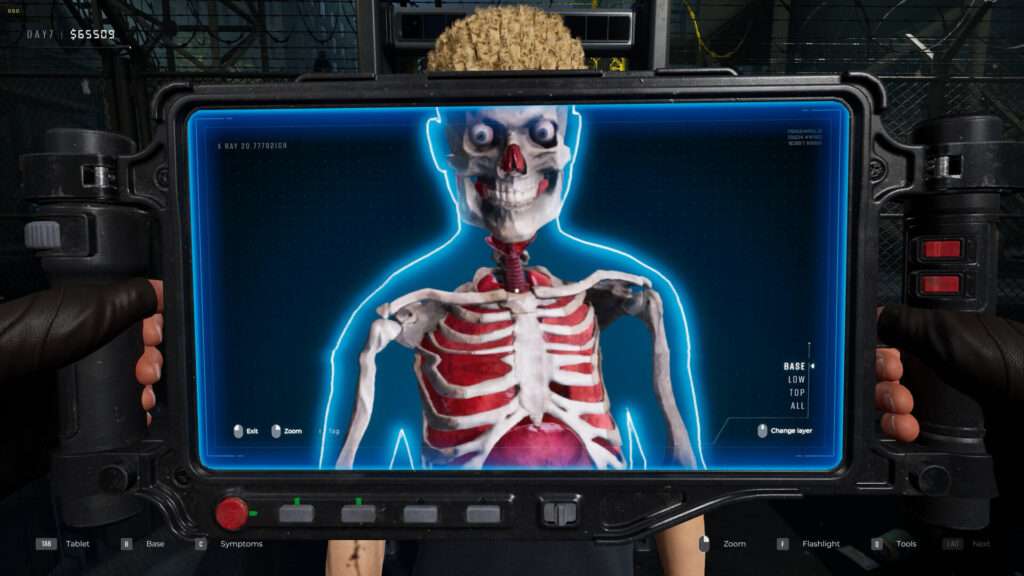
Ergo, if you let the wrong person through, your quarantine zone/base may not feel the impact until much later, and by then it may be too late. Turn away too many clean survivors, and resources, including staff and survivor morale, begin to diminish.
As you progress, the game evolves: new tools and new symptom variables become available. These upgrades can be provided in a story-based, advance-and-you-shall-receive manner, or by spending precious research points and money (which are rewarded for successful/thorough analyses).
But with the good come the bad: Limited testing supplies, time pressure, escalating outbreaks, and ethical dilemmas will force you to choose between your in-game job protocol and your real-life compassion. While the scenarios change, the core interactions remain largely the same, and longer sessions can begin to feel procedural rather than suspenseful.
As the game was just released, there are a few upgrades and the occasional bug that both enhance and hinder the product. Recently, a crossover with Dead by Daylight was implemented, adding DBD survivors to your quarantine lineup. The bugs, however, are less friendly and draw attention away from the in-game threat.
Some NPC guards may bump into you and send you jumping a good distance around the map. Other times, sprinting becomes a dream when the controls don’t respond. But, much like the survivors in the quarantine lineup, we remain optimistic that we’ll get these bugs, well, terminated.
Controls are clean, straightforward, and functional. Mouse-and-keyboard is clearly the intended way to play, with intuitive, simple button-driven decisions. Everything responds well, except for the aforementioned bugs.
Visually, Quarantine Zone: The Last Check embraces stark simplicity. The checkpoint environment is bleak and run-down, held together by the last remnants of human society and complemented by the latest in breakthrough zombie-curing science. Lighting and atmosphere are what you can imagine in a quarantine-based game: Grim lighting and muted colours help translate the sense of isolation and decay.
Character models (including the Dead by Daylight character cameos) are intentionally understated, but small visual details, e.g., nervous body language, coughing fits, and vacant stares, do a lot of the guesswork. Though it’s not L.A. Noire’s level of detail in facial reaction and emotive giveaways, it’s enough to keep you guessing.
Sound design is arguably one of the game’s strongest elements. The addition of low-humming machinery, distant alarms, nervous chatter, and the frantic pitter-patter of survivors’ footsteps and movements really helps create a more immersive experience.
A soundtrack and/or music is used sparingly, often dropping out entirely to let silence play the keys. When audio cues escalate, they effectively underscore the gravity of a bad decision or a creeping outbreak.
Quarantine Zone: The Last Check is a quiet, uncomfortable experience, and that’s what makes it great. It doesn’t shout or shock; it slowly pressures you, forcing you to live with the outcomes of imperfect information and impossible choices.
While its systems don’t yet have the depth to sustain long play sessions, the concept is strong, and the atmosphere is consistently effective. For players who enjoy decision-driven simulations with moral weight, this is a compelling, if modest, experience.

The Good
- Strong moral-based decision-making
- Effective SFX and an immersive atmosphere
- Simple mechanics make for easy pick-up-and-play
- Controls are clean, straightforward, and functional
The Bad
- Bugs, errors, and glitches are present
- Choices sometimes feel opaque rather than ambiguous




 SuBZeRO2K
 Spotify
 Anchor
 iTunes