

Razer is one of the leading brands in PC gaming hardware, and we were fortunate to get an early preview of their newest products and software at a private press event, which will soon be available worldwide.
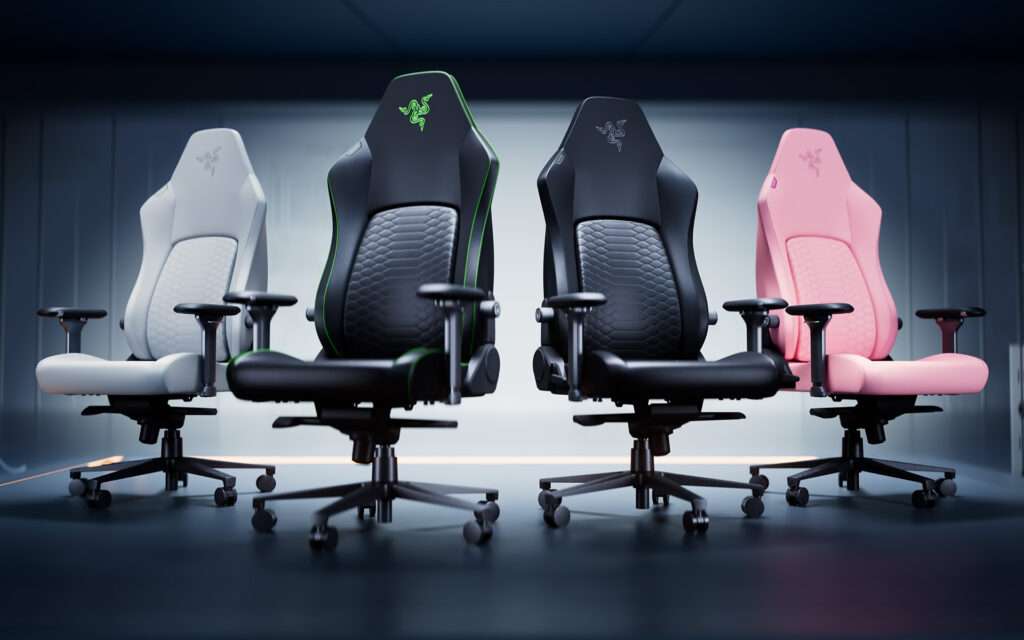
First is the Iskur V2 Newgen, a gaming chair built for ergonomics. People have been divided over gaming chairs and ergonomic office chairs, debating which is more beneficial for the body. The Iskur V2 Newgen is primarily a gaming chair but looks to bring the best of both worlds by providing comfort, ergonomics, and adjustability.
It has the world’s first Razer Hyperflex lumbar support system with a 360-degree swivel design that adjusts up, down, in, and out to suit different needs. It’ll also accommodate different seating styles and ultra-durable 4D armrests for full range customisability.
It sounds and looks incredibly comfortable, especially with the adjustable lumbar support, which is a must for your lower back. The appearance has that Razer design, looking sleek and will add plenty of style to your room and PC setup.
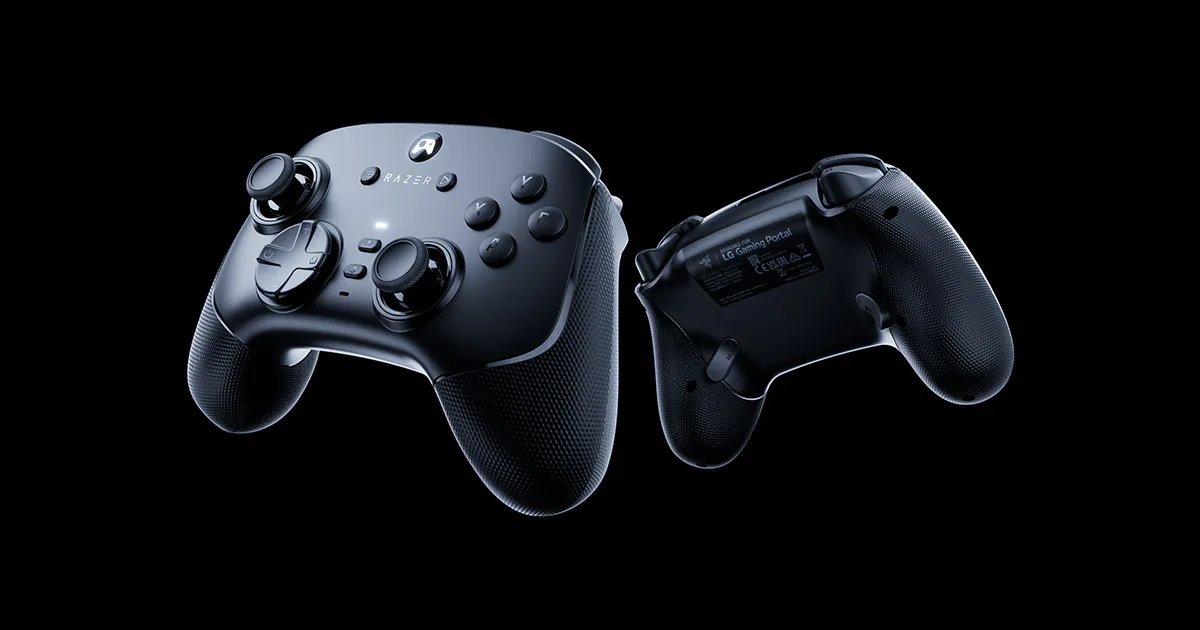
We also got to see a new controller, which is said to be the world’s first ultra-low latency Bluetooth controller with a 2ms response time. Not only can you game with it, but it can also be used as a TV remote, and it has a built-in microphone for voice controls.
The anti-drift TMR thumbsticks will help prevent stick drift in the future and provide pinpoint precision and reliable performance. It also has dual mouse-click back buttons to customise your play style for extra comfort and give you a competitive edge over your opponents.
It will be compatible with a wide variety of devices, including PCs, handheld consoles, smartphones, tablets, TVs, and more. The controller looks to have a similar design to Razer’s previous models, so it should feel comfortable in the hands.
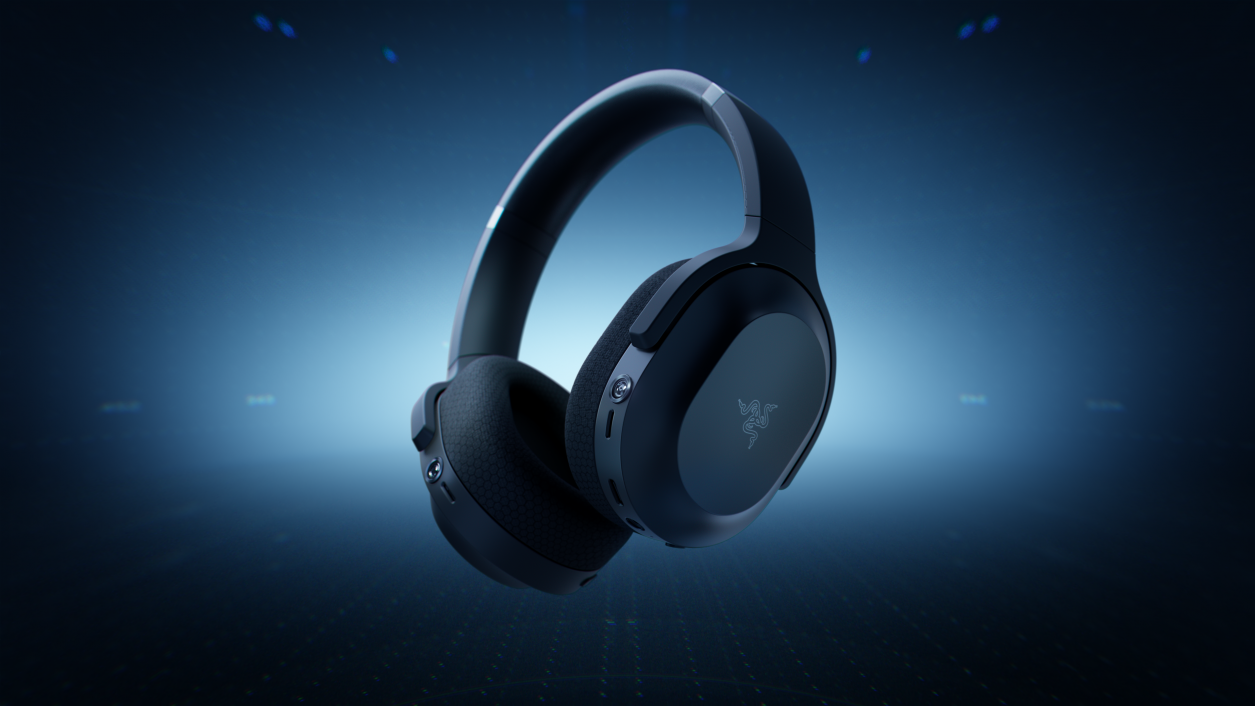
Razer also introduces a new headset that does much more than just provide high-quality sound and noise cancellation. It has dual FOV cameras, one on each side, that can record footage from a first-person perspective similar to the Ray-Ban Meta Glasses.
This headset can even livestream, allowing users to stream from their perspective, which is great for cooking, art, or IRL streams, while also allowing them to chat with their audience all in one device. It also has 3K/60 fps spatial video and optical image stabilisation. Unfortunately, we weren’t shown any footage to see what the recording quality looks like, but it’s certainly looking promising and should become a highly in-demand product.
The headset also features AI and can connect with major AI brands such as OpenAI, Meta, Grok, and more. With the headset on, users can not only listen to music while performing various tasks, but also receive guidance for those tasks. It can provide a workout plan for any gym equipment you’re looking at, explain how to fix your car engine, give you directions and which public transport to take, send you reminders, and so much more. AI has been a controversial topic over the years, but with this headset, it seems to be ethical AI that helps boost productivity rather than reducing your ability to think for yourself.
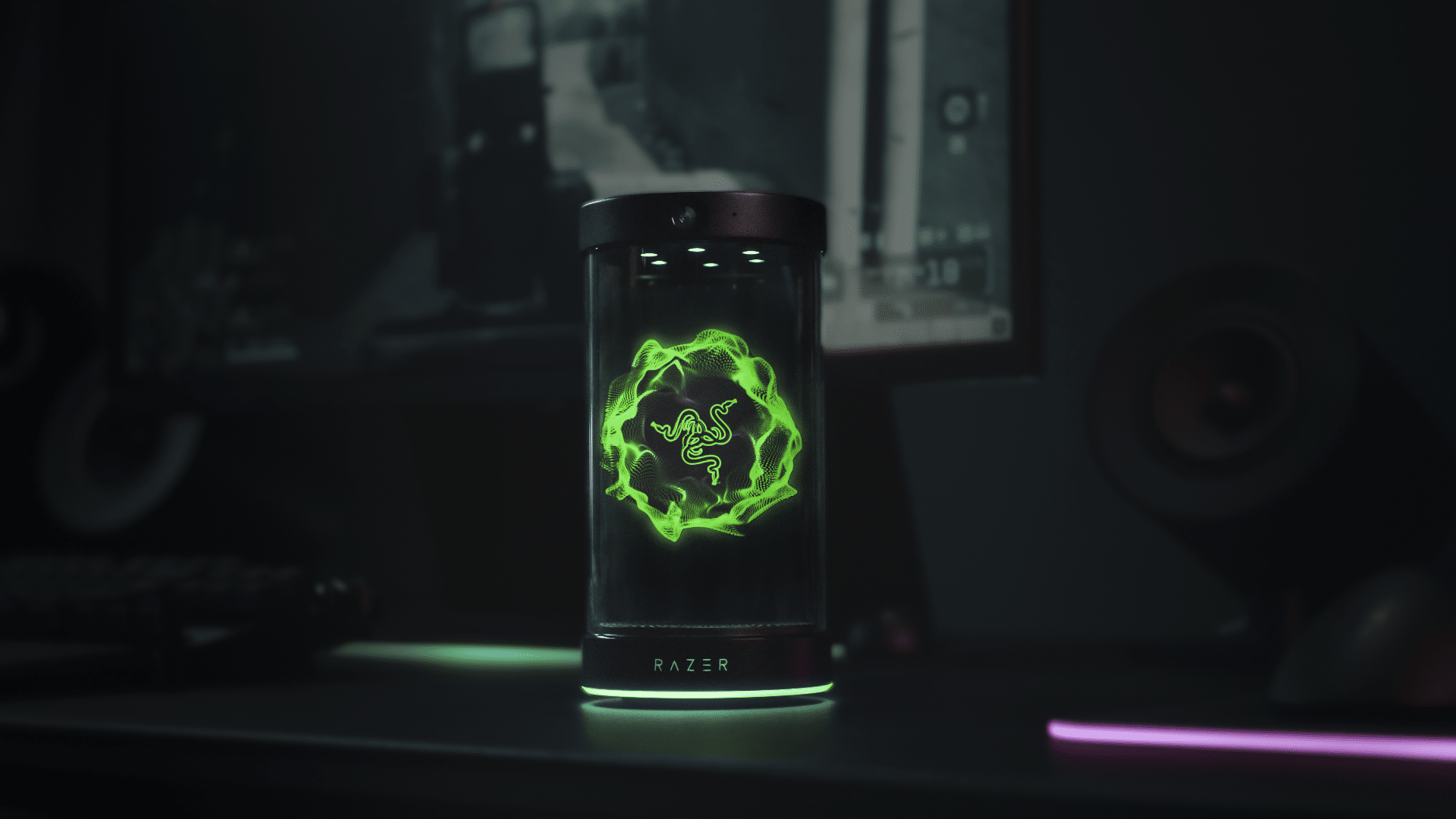
The next several products place greater emphasis on using AI for game development on laptops, PC towers, and workstations. They include the Razer Blade 18, Core X V2, and Forge AI Dev Workstation. These Razer products aim to be the premier products specialising in game development, using AI to easily transform ideas into video games.
By the sounds of it, it does sound like it’s going to be the unethical kind of AI that affects hard-working creatives. Recently, some big games have been heavily criticised for using even a tiny bit of AI, whether it was part of the development, in voice, or in assets found in-game, and one game in particular had its award taken away because of it.
Ethical or unethical AI aside, the fact that it can easily create games raises its own concerns, because most of the time, a human-made game rushed through development usually ends up unfinished, riddled with bugs and other problems. It’ll be interesting to see the quality of a game made by AI and whether it’ll be playable or rife with problems that need fixing.
AI has been advancing at a rapid rate, but it is still far from perfect, and no matter how good it could make a game look, it’s unlikely that it’ll completely replace hard-working human game developers, at least in this lifetime. Even if games are becoming easier to make than ever with AI, it doesn’t mean they’ll be successful, but only time will tell.
Razer has a lot of exciting products to look forward to, and via a private press event, we were fortunate to get an early preview of their newest products and software.




 SuBZeRO2K
 Spotify
 Anchor
 iTunes