
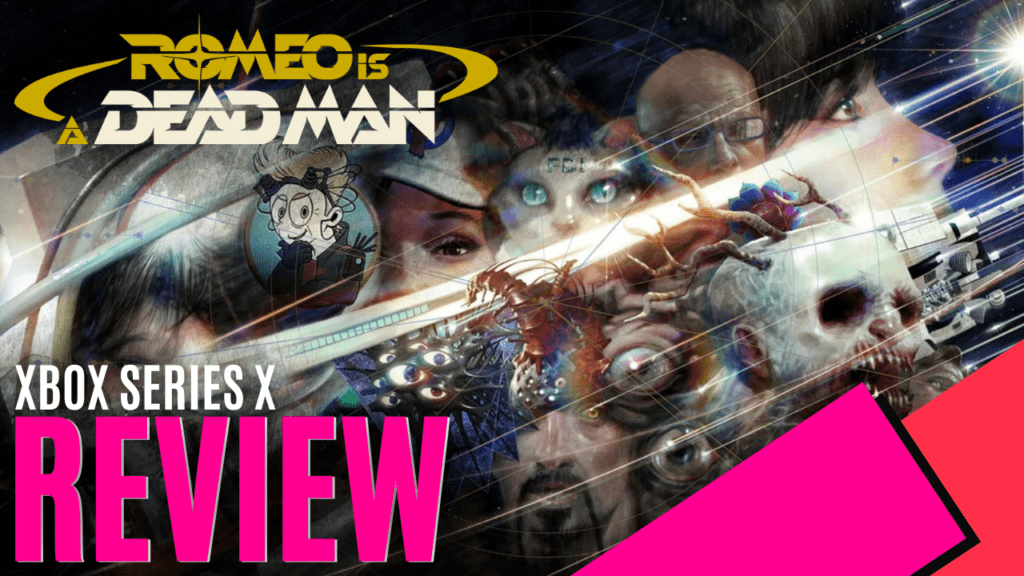
‘Weird’, ‘twisted’, ‘crazy’, ‘right up my alley’… all words I would use to describe ‘Romeo is a Dead Man’ by publishers and developers GRASSHOPPER MANUFACTURE INC. This action/adventure game is a very sci-fi horror-esque journey that makes me think of a combination of movies like ‘Robo Cop’ and ‘Colours Out Of Space’, and the fact that Suda51 is involved, you know it will have his quirk everywhere. I was not disappointed.
This wildly erratic story opens up on you, Romeo, a sheriff’s deputy, investigating a strange occurrence in the middle of an abandoned road in the darkness of night. Attacked and mauled beyond repair to the face by a deformed entity, Romeo is well and truly knocking on death’s door. His Grandfather, Benjamin, materialises as a figment of the past and future combined, stabbing a Dead Gear life support system into his face to revive him.
Code name, DeadMan, these new cybernetic enhancements now give him the ability to investigate singularities and their fugitives, searching for his ‘Juliet’ through time and space with a crew of renegades.
The story is way more complicated than this, set across multiple eras, with very erratic pacing, and with how neurotic the meandering from plot point to plot point is, it just works. It is both intriguing and captivating, and often had me thinking about it long after each chapter how things tie together. It is one memorable ride.
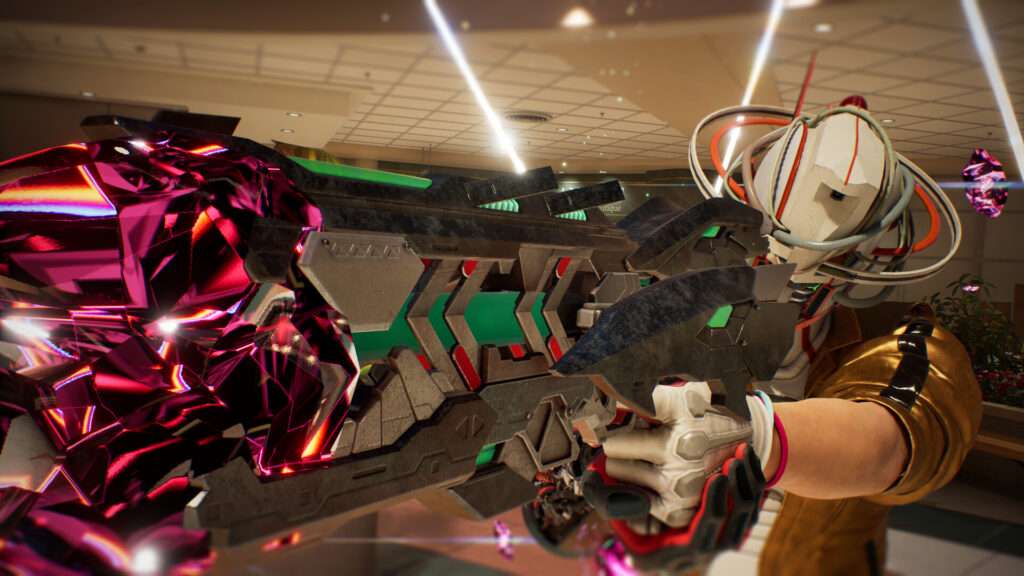
Romeo has a ‘hub and drop-in to levels’ type of gameplay. The hub is the spaceship called ‘The Last Night’, where he resides with his Grandfather as a mentor and a vast plethora of friends to help him develop his skills.
Here on the ship, you can upgrade your melee and ranged weapons, create recipes of food for health regeneration and buffs, and even somewhat chat up the nurse. This is a cool area as it is 2D with a very old-school ‘Metroid’ feeling to it.
My favourite part of the ship is the ‘Bastards’ farm. Here, you plant seeds gathered from eras you have dropped into, to grow your own little bastards to fight. These are zombie monsters you can summon in the heat of battle as cooldown abilities. ‘Bring in the Bastards’ quickly became one of my favourite catchphrases as they spawn in to apply an effect towards enemies.
This was easily one of the most innovative aspects on the ship because not only can you enhance them in levels with fertilisers, but you can also fuse them by fighting two of them together to create a more powerful seed with the best traits of each. They really do shift the tide of battle, too, often getting me out of sticky situations.
The story is mostly told while on the ship, and the crew will drop you into singularities, which are levels you need to clear. This is where most of the hack-and-slash combat occurs. Each level is a corrupted era with a ‘Juliet’ or other creature-like boss.
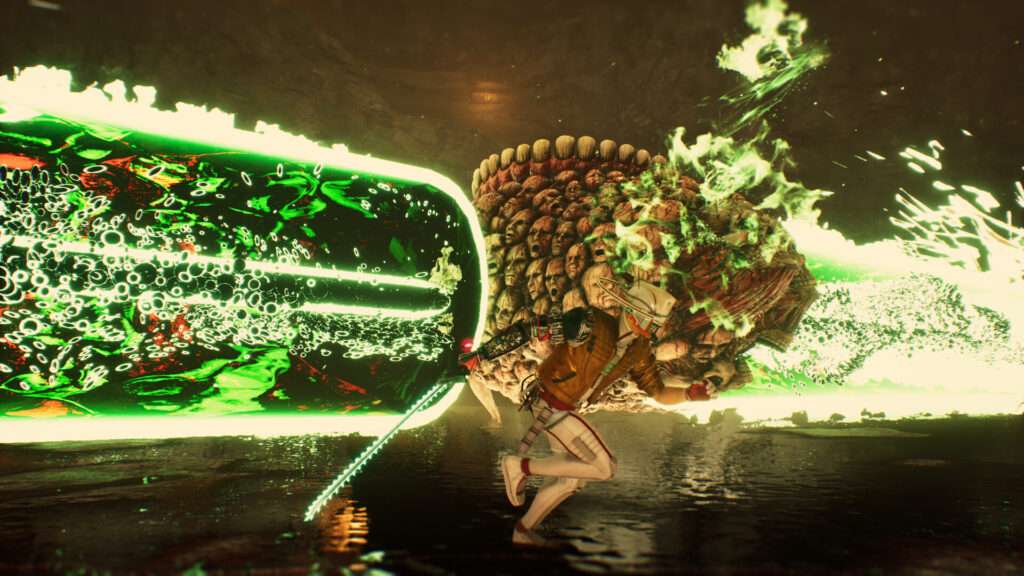
You must carve through minions -like enemies with weak points, sometimes meet objectives like turning on generators or investigating anomalies, etc., to make your way to the final fight.
While I found the minions exciting at first, they become lacklustre pretty fast, but thankfully, the boss fights are each brilliantly designed, so that makes up for it, and the combination of melee and ranged weapons adds some needed spice as they each feel dynamically different in what can feel like repetitive ‘out of boss fight’ combat.
Another creative addition to gameplay is the use of the subspace to traverse your way through each level. Using a TV, you are sent to a cyberspace where you do more platforming and solve puzzles to get to normally unreachable locations. These puzzles aren’t particularly hard, and the cyberspace zone isn’t particularly interesting to look at, but they are a nice little break from the monotony of the enemies.
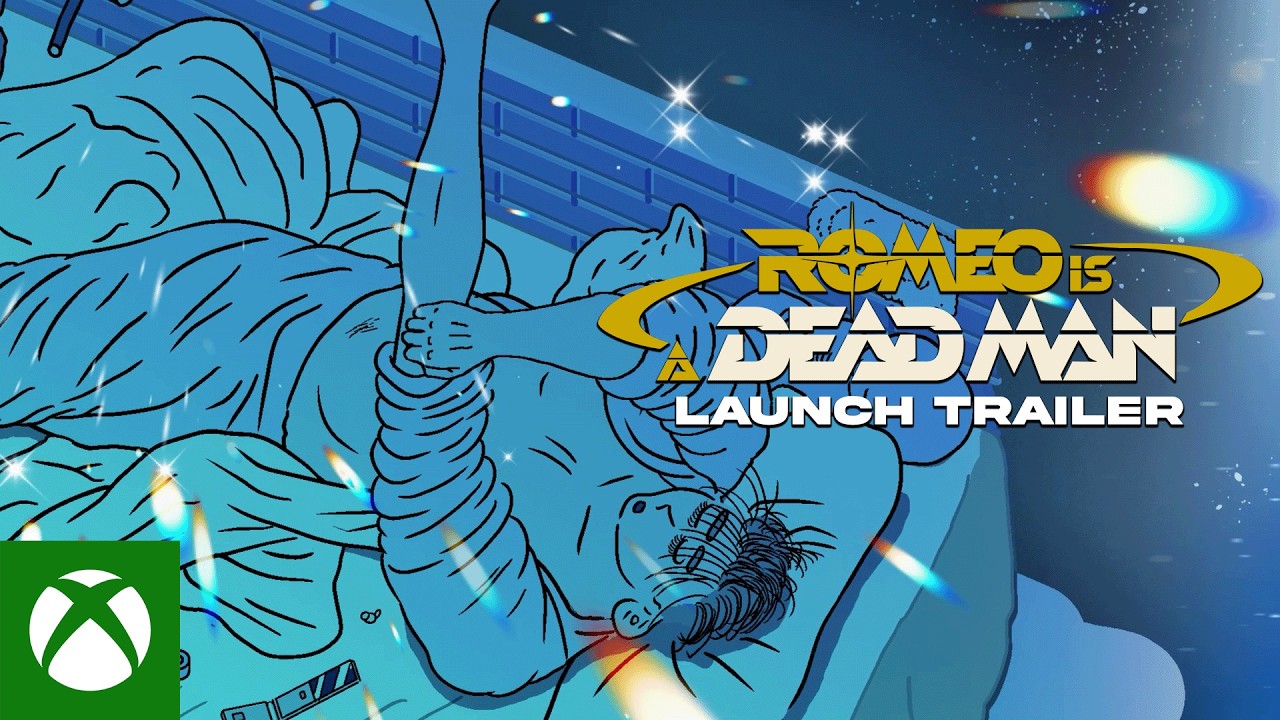
The visuals are such an outstanding mixture of media. Opening with a scene of a real-life miniature model, the game switches up to a grainy 80s animation in a dash cam style footage, from cartoon scenes to anime panels of dialogue, even moving to 16-bit-like 2D movement in the hub, as mentioned earlier, it overstimulates in the best ways possible.
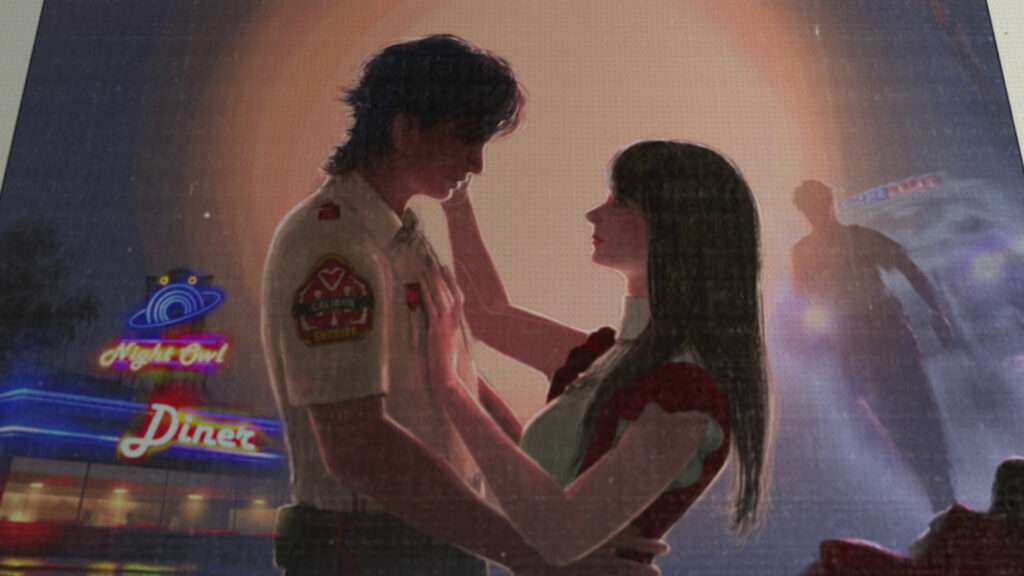
It is overwhelming at first, but it is masterfully done in such a streamlined way. Ironically, it is so well produced in cutscene value, the levels themselves feel actually quite bare-boned in comparison. Sometimes you can’t wait to get out of combat to see how the story progresses.
The sound work and voice acting are pretty superb, though. The dialogue is charismatic and charming, and Anthony Del Rio as Romeo Stargazer ultimately steals the show. The sound effects and music are top-notch, too. In one particular boss fight, I found myself singing along to the song ‘I’m a savage’ as I listened to the whoosh of my blade slicing through bodies in a visceral spray of red.
Really, in Romeo is a Dead Man, the story is actually the star of the show. When you compare it to the enemies and environment, the combat really does fall flat compared to the feelings the actual narrative and visuals manifest. Despite the mania of it all, the game is designed to make you think, even down to the quotes in between chapters, which often had me messed up thinking about them after. If the combat had been a little tighter, with a more interesting selection of smaller enemies encountered, this already banger of a game would be a top-tier experience.
The Good
- Fabulous, albeit erratic story
- Lots of upgrades at the Hub
- Bastard system
- Engaging boss fights
- Weapons feel great
- Mixed media visuals are captivating
- Great sound work and voice acting
The Bad
- Minions are monotonous in combat
- Subspace is not particularly interesting




 SuBZeRO2K
 Spotify
 Anchor
 iTunes