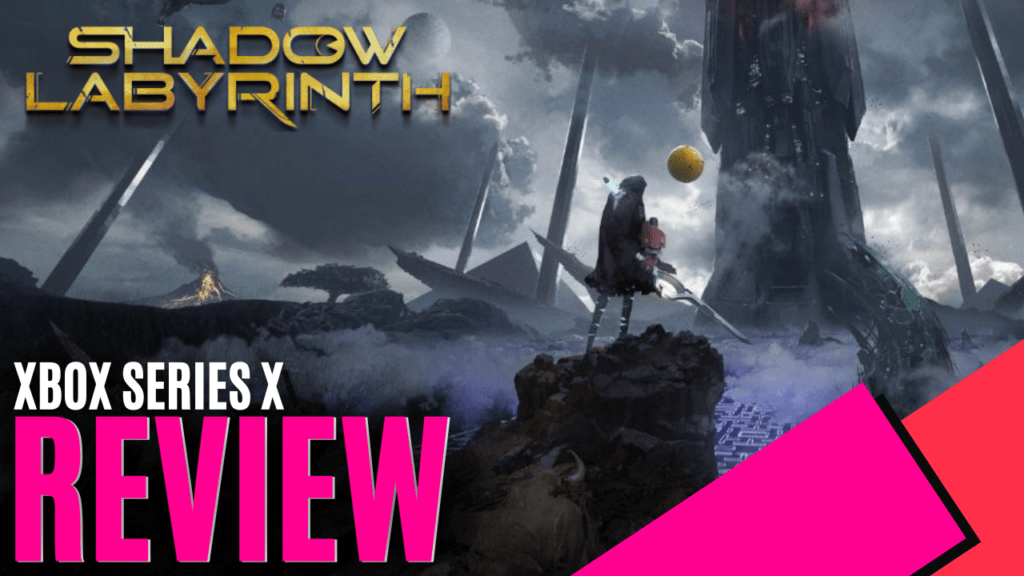
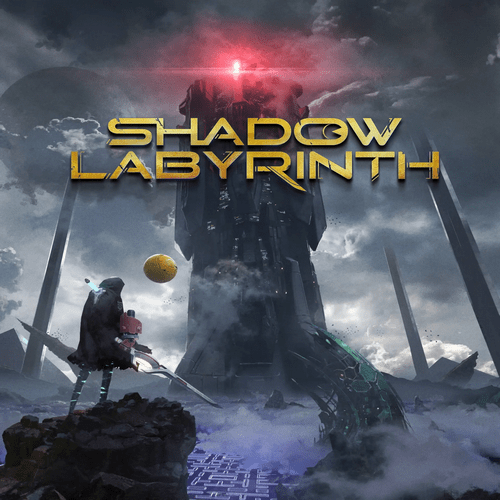
‘Pac-Man’ as an IP has been around for over 40 years. In that time, it’s done nearly everything, and now, ‘Shadow Labyrinth’, developed and published by Bandai Namco takes the IP in a new, different direction, reimagining the famous yellow Puck within the ‘Metroidvania’ setting. Metroidvanias have long been a genre I’ve been fond of, thanks to their sense of discovery, impressive world design, and the satisfaction that comes from progressing.
Shadow Labyrinth, unfortunately, doesn’t wow me as much as others. You wake up after a mysterious crash landing, taking control of Swordsman No. 8. You navigate a vast, maze-like world while unravelling its secrets. Looming over it all is a powerful, mysterious figure determined to stop you. You’re not alone, though. Floating beside you is Puck, a curious orb that bears a close resemblance to the iconic Pac-Man.
From the very beginning, however, the narrative is mostly forgettable and uninteresting. The story relies heavily on vague lore drops, short cutscenes and abstract dialogue, but it never builds toward anything engrossing. It goes for big ideas, but without meaningful character development or a compelling arc, it all just feels quite shallow.
A bit deeper than the narrative is the combat, which at first feels clunky, almost as if there is a delay between pressing the input. It’s pretty jarring early on, giving the impression of unresponsiveness, but over time I adjusted to it. After getting used to it, the combat is pretty basic, but that’s not necessarily a bad thing. It leans more on the simple side rather than complexity, offering just enough through unlockable abilities to stay fresh, if not particularly exciting, which are earned via Puck’s hunger to gorge on everything.
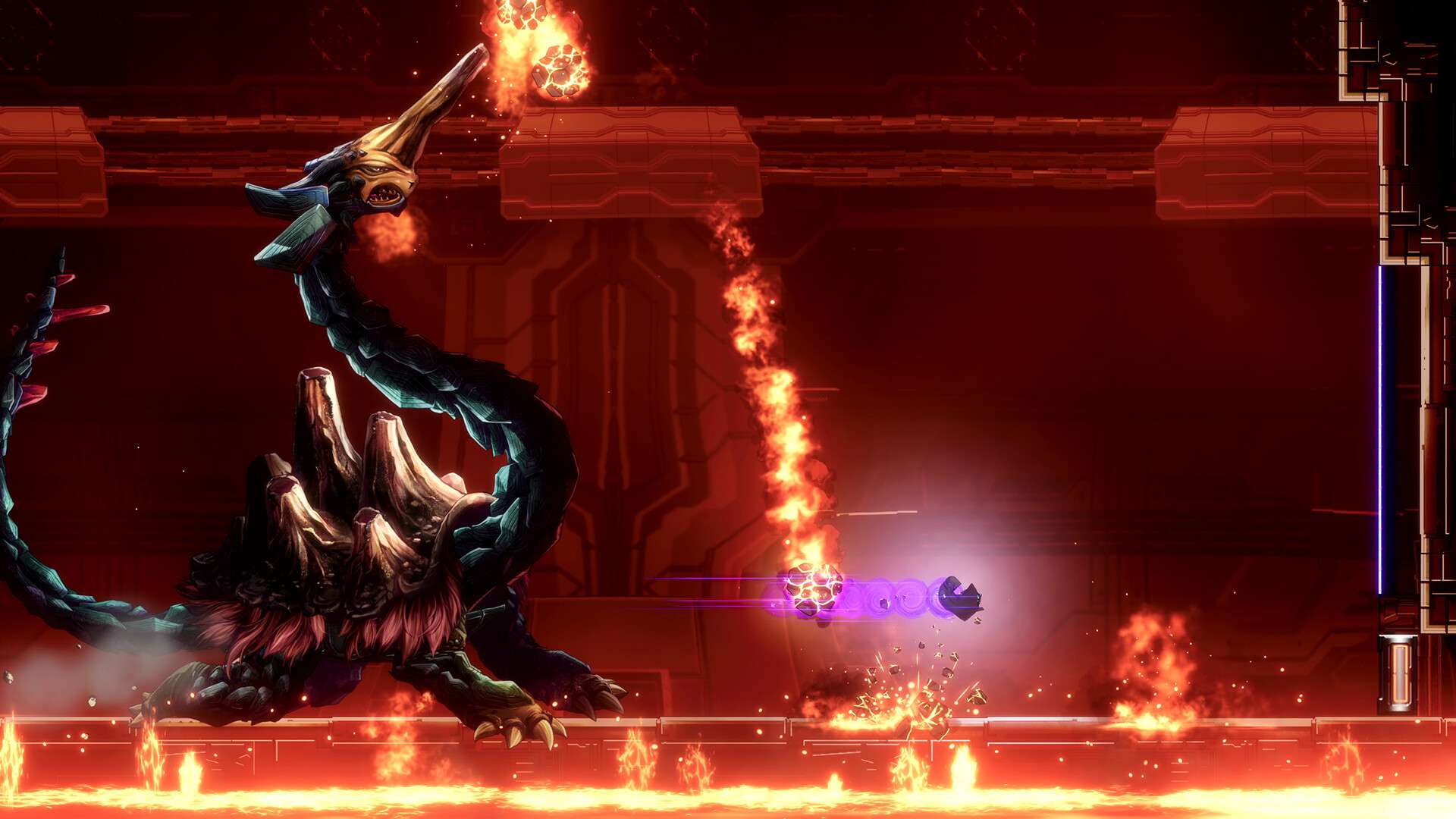
Your GAIA form, a large mech you can summon during combat, makes you feel pretty unstoppable against enemies and bosses, but once again, it lacks depth. While fun to unleash the first few times, the novelty wears off quickly. You’ll find yourself mashing the same buttons over and over with slight variation or strategy.
Boss fights offer a welcome challenge that I genuinely enjoyed. It’s in these moments that the otherwise clunky combat starts to make sense, requiring more deliberate movement and well-timed dodges against big G-HOST mechs or other creatures this world throws at you. The slower, more precise pace gives these encounters a weightier feel, and while still somewhat basic, they stand out as some of the game’s more engaging moments.
Occasionally, you’ll run into traditional Pac-Man levels throughout the world. Named MAZEs, these sections are a great nostalgic nod to what started it all. Bite-sized mini-games where you, of course, grab cherries, dodge ghosts, and turn the tables once you snag a power pellet. A charming break from the game’s darker tone, and while they don’t add much, they’re a fun reminder of where it all began.
While I’ve mentioned the combat can feel clunky, the same can be applied to the movement. Platforming often feels stiff and slightly delayed, which makes traversal more tedious than it should be. You have to stay alert, not because the platforming is especially complex, but because the controls don’t always respond as you’d expect. It’s not game-breaking by any means, but it definitely adds a layer of frustration at times to the exploration.
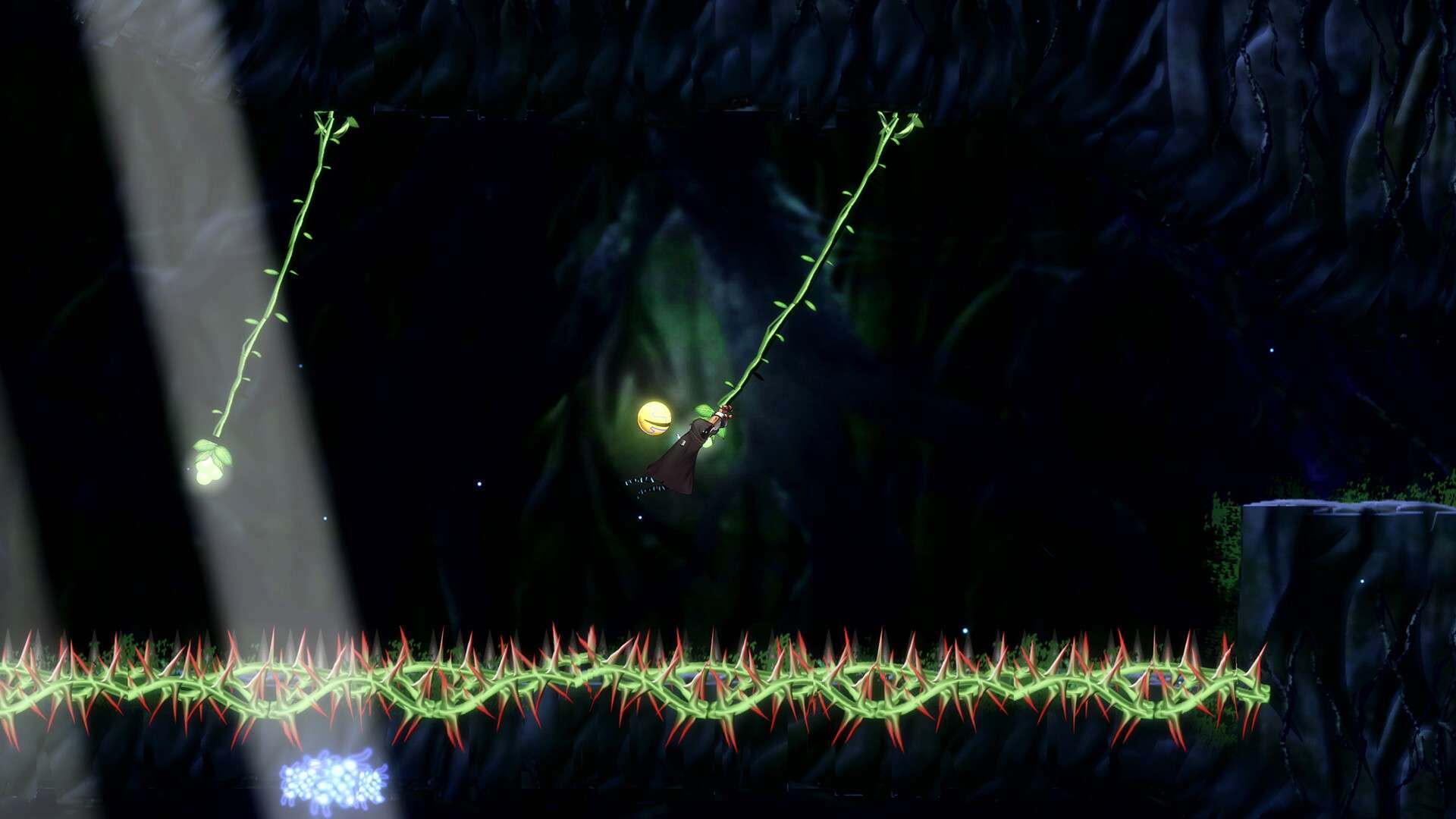
Exploring this world, the level design feels fairly one-dimensional for a Metroidvania. The main path is usually easy to follow, and while there are optional areas off the beaten path, venturing into them often leads to frustrating backtracking. Only occasional shortcuts or clever world connectivity reward your curiosity, and I would’ve liked to see more of it.
The variety in biomes is fine. The art style leans heavily into an old-school aesthetic, which gives the world a certain charm but also makes many areas feel visually dated and somewhat blurry, like playing an old Game Boy game. You’ll make your way through familiar sci-fi hallways, lush green forests, and dark caverns, each distinct enough to keep things from feeling too repetitive, but not detailed or vibrant enough to leave a lasting impression.
The same applies to enemy variety, which mainly consists of flat 2D PNG-like assets. With so few enemy types, encounters become repetitive, making combat feel more like a chore.
In conclusion, the best parts of the game can feel like a product of a bygone era, almost akin to an old Game Boy title. Unfortunately, it also comes off as a cheap attempt at a Metroidvania with some occasional fun moments. And while I can appreciate the effort to do something different with Pac-Man, I think it’s better off sticking to the arcade.

The Good
- Old school art style
- Boss fights are challenging
- Traditional Pac-Man mini-games
The Bad
- Uninteresting narrative
- Basic combat can lack depth
- Repetitive enemy variety
- Backtracking can be a chore




 SuBZeRO2K
 Spotify
 Anchor
 iTunes